Good Nature Travel Blog

3402 stories

  • News & More

    Shackleton's Whiskey Found

    Feb 15, 2010 · James Dziezynski

    Natural Habitat Expeditions love of a good drink, we are very excited about this story coming straight from Antarctica. Members of the New Zealand Antarctic Heritage Trust began excavating a very important find beneath Ernest Shackleton’s Antarctic hut: five crates of whiskey and brandy.
  • Travel Tales

    The Power of Place Names

    Feb 15, 2010 · Candice Gaukel Andrews

    William Least Heat-Moon, author of such American travel books as Blue Highways (1982), River Horse: A Voyage Across America (1999), and Roads to Quoz: An American Mosey (2008), is one of my favorite writers.

  • News & More

    My Stupid Sunday Afternoon | Ben's Musings

    Feb 15, 2010 · Ben Bressler

    Hi Friends, I have a friend who takes issue with the concept of travel operators claiming that their trips are life-changing. “Who are we to tell our guests to ‘change their lives’,” says Sven Lindblad, the esteemed founder of Lindblad Expeditions, the world leader in ship-based expeditionary travel.

  • Conservation

    NHA Founder Ben Bressler Interview on Eco-Tourism

    Feb 12, 2010 · James Dziezynski

    Our own Ben Bressler was featured on Fox 31 in Colorado to share his thoughts on eco-tourism! We’re sorry, this video is no longer available from Fox 31!

  • Conservation

    Kenya's Zebra and Wildebeest Relocation Program

    Feb 11, 2010 · Emily Deemer

    Kenya’s Amboseli National Park will be receiving a few thousand new animals in 2010. The park located in southern Kenya on the border with Tanzania suffered a major setback in 2009 with droughts that caused over 60% of the zebra and wildebeest population to perish.

  • News & More

    The Age of Adventure

    Feb 9, 2010 · Candice Gaukel Andrews

    If you were to believe much of what you read in newspapers, magazines and ads, or what you see and hear in electronic media today, you might conclude that adventure is mostly for those in their 20ss or younger.

  • Conservation

    Protect Patagonia: Eat Sustainable Wild Salmon

    Feb 8, 2010 · Wendy Redal

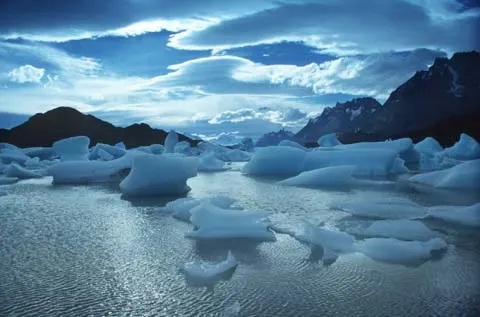
    The jagged coast of southern Chile is one of the most dramatic places on earth. A maze of fjords and islands, the topography is testament to the power of ice to shape a landscape. Massive glaciers wind down from the high Andes, calving blue icebergs into the frigid sea.

  • Conservation

    Asian Countries Pledge to Double Tiger Population

    Jan 29, 2010 · James Dziezynski

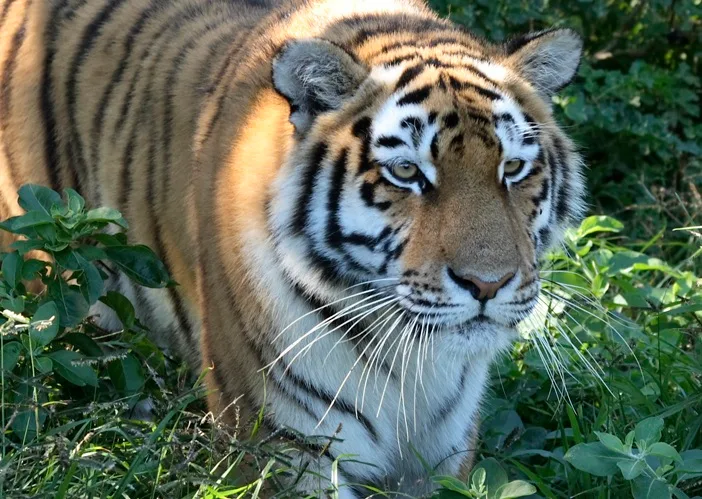
    A small ray of hope has given Asia’s dwindling tiger population a chance at recovering their numbers. A 13 country coalition has pledged to double the current paltry number of tigers in the wild (estimate at 3,200) in the next decade.

  • News & More

    The Happiest Man in The World | Ben's Musings

    Jan 19, 2010 · Ben Bressler

    Dear Friends, Red-eyed and sleepy after hours of weather delays, I read a story in an in-flight magazine late last night about the happiest man on the planet. He’s a young man, 24 years old, and he’s not been educated in the traditional sense.

  • Travel Tales

    Nature Revisited

    Jan 5, 2010 · Candice Gaukel Andrews

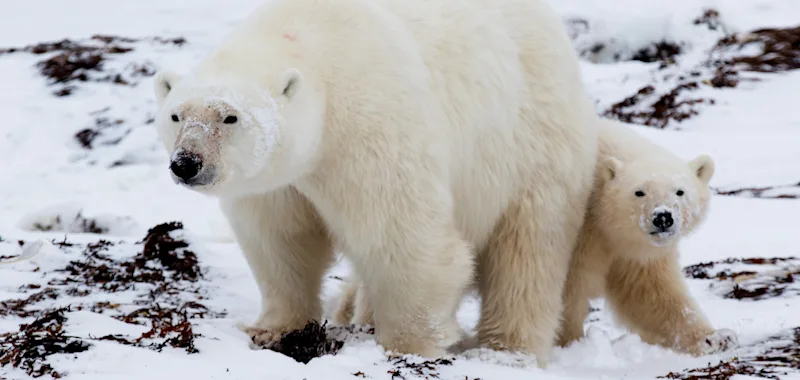
    It was fall when I saw the little town of Churchill in Manitoba, Canada, for the first time. Like most of the other visitors there at that time of year, I went to see its polar bears. That trip also marked the first time that I ever set foot outside the United States.

  • Conservation

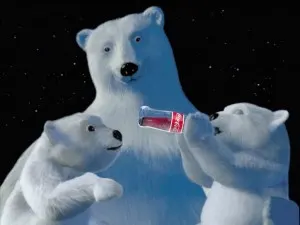
    Saving Coca Cola’s Adorable Polar Bears

    Dec 23, 2009 · Megan Koelemay

    Remember those cheerful Coca Cola commercials with the cute polar bears? The global soft drink company is now working to save the very environment they advertise.

  • Nature & Wildlife

    The Inventor Wore Feathers: Animal Designers

    Dec 6, 2009 · Candice Gaukel Andrews

    Dogs never lie. I suspect it’s because they have tails. Happy or sad, a canine instantly communicates his feelings by the aspect of his tail. I’ve often wondered why we don’t invent such a backside appendage for ourselves that could connect to our nerve endings, much as some prosthetic arms and legs do.