Good Nature Travel Blog

  • Videos

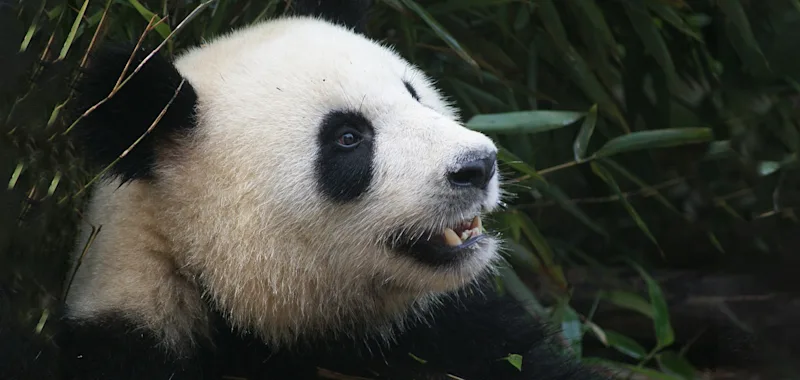
    Rare Video Footage of Wild Pandas

    Feb 21, 2013 · Candice Gaukel Andrews

    Giant pandas are among the world’s most uncommon and elusive animals. China’s State Forestry Administration estimates that there are only about 1,600 of them remaining in the wild, down from 2,500 in the 1970s. They inhabit the mountainous regions of China’s Sichuan (1,200 pandas), Shaanxi (300 pandas) and Gansu (100 pandas) Provinces.
  • Conservation

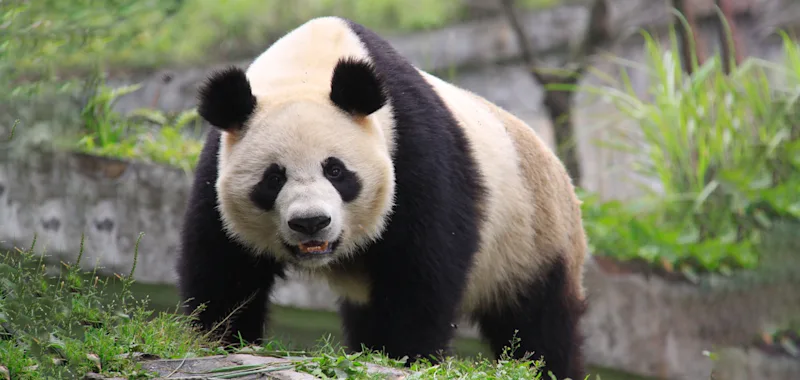
    Protecting Panda Habitat: China’s First Land Trust Reserve

    Feb 19, 2013 · Candice Gaukel Andrews

    When images of a wild giant panda gnawing on a takin carcass in China’s Sichuan Province were recently captured on motion-sensor cameras, researchers were caught by surprise. Although pandas are technically carnivores, their diets today consist almost entirely (99 percent) of bamboo leaves, stems and shoots.

  • Videos

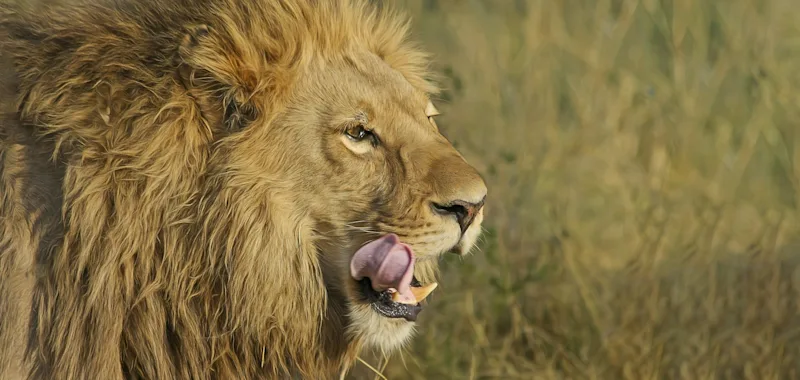
    Video: The Lion and the Photographer

    Aug 30, 2012 · Candice Gaukel Andrews

    Every photographer—amateur and professional—who’s been on a Natural Habitat Adventures trip is familiar with that catch-in-the-throat feeling when a wild animal comes within close range of your camera lens.

  • Travel Tales

    Adventures Alone: First Solo, Unassisted Ski Across Antarctica

    Aug 28, 2012 · Candice Gaukel Andrews

    In January of this year, a British woman, Felicity Aston, accomplished an incredible feat for adventure annals: she skied solo and unassisted across Antarctica. She is the first woman—and first human—to do so.

  • Travel Tips

    Are Paper Maps Obsolete?

    Jul 31, 2012 · Candice Gaukel Andrews

    Interstate rest stops are some of my favorite places when it comes to getting ideas for new adventures. Inside their doors are racks filled with printed brochures and colorful maps that promise excitement just down the road.

  • News & More

    Dirty Adventure Travel

    Jul 17, 2012 · Candice Gaukel Andrews

    Antibacterial soaps, alcohol wipes and bleach in our everyday cleaning products have made us focused on eliminating all the germs that we possibly can from our lives. And when it comes to our children, it seems that focus turns into an obsession. It’s here, though, where we soon become at odds with nature.

  • News & More

    Change of Name: Should “Mount McKinley” Become “Denali”?

    Jul 3, 2012 · Candice Gaukel Andrews

    Nature surrounds us with an amazing variety of animals, insects, birds, plants and topographic features. To refer to and distinguish the entities in this bounty, we assign them names—often two: one for common use and one, a two-parter, for scientific identification. Usually, the person credited with discovering or finding something new gets naming rights.

  • Videos

    World Tour of the Arctic Tern

    Jun 19, 2012 · Candice Gaukel Andrews

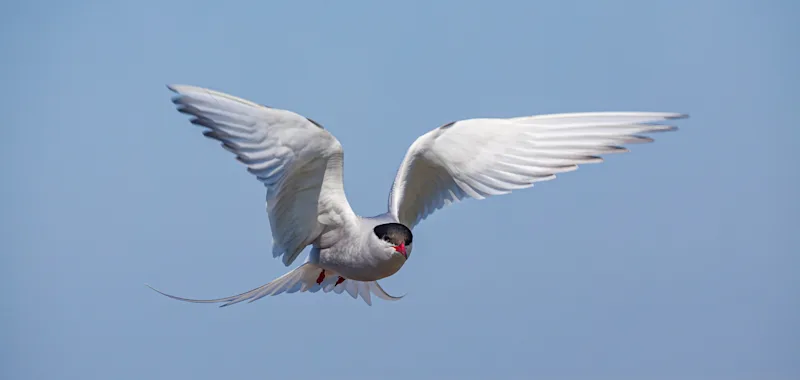
    When you hear about the great journeys undertaken by some of nature’s smallest creatures, you can’t help but feel inspired to step into adventures of your own that may be outside your comfort zone. And no odyssey is greater than that of the Arctic tern (Sterna paradisaea).

  • Nature & Wildlife

    Does Adventure Today Mean Going Retro?

    Jun 5, 2012 · Candice Gaukel Andrews

    British explorer and Royal Navy officer Robert Falcon Scott reached the South Pole on January 17, 1912. A hundred years later, on January 17, 2012, in honor of this historic adventure, the National Geographic Society exhibited some rare photos of the expedition, taken by Herbert Ponting.

  • Conservation

    Sea Ice: Losing in the Arctic, but Gaining in the Antarctic

    May 8, 2012 · Candice Gaukel Andrews

    Cute, adorable animals are often used to garner support for environmental causes in places that are remote. After all, it’s hard to have concern for an area that is at the opposite end of the Earth from where you live and for which you have no plans to ever see.

  • Conservation

    More Penguins—and People—in Antarctica than Previously Thought

    Apr 24, 2012 · Candice Gaukel Andrews

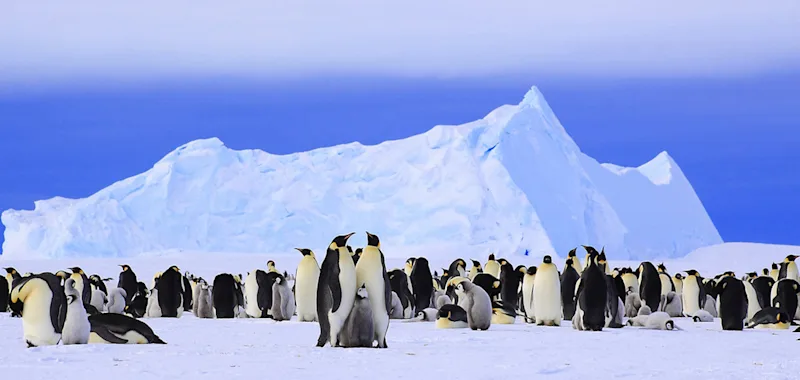
    There are twice as many emperor penguins in Antarctica than previously thought, stated the National Science Foundation in mid April. That’s certainly good news, as concerns about the effects of global warming on penguin colonies rise.

  • News & More

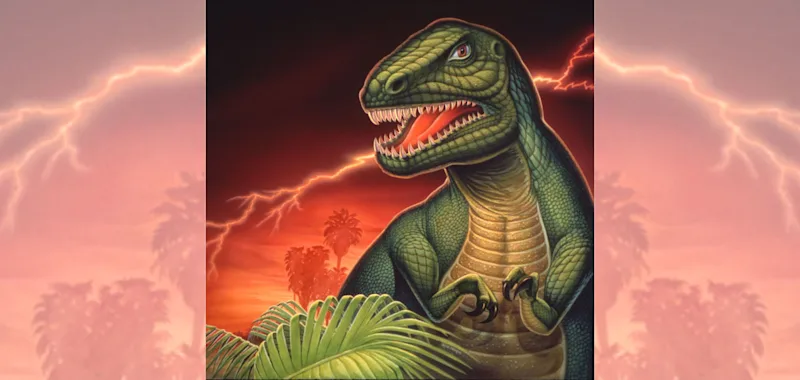
    The Art of Adventure: Cartographers and Paleoartists

    Apr 10, 2012 · Candice Gaukel Andrews

    In 1719, when cartographer John Senex was drawing a map of the English empire in America, there was still a lot that was unknown. The little information about this “new land” that he did have came from the accounts of various Jesuit and French explorers, and not much of it matched.