

Conservation
Monarch Populations Decrease
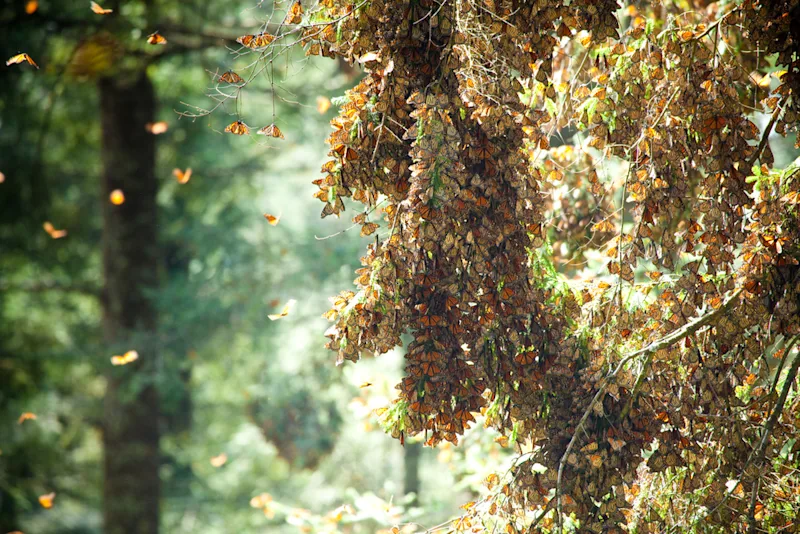
A recent survey found that monarch butterflies only occupied 7 acres of forest during the 2019-2020 winter season, a 53% decrease from the 15 acres that were occupied only one year ago.
Conservation
A recent survey found that monarch butterflies only occupied 7 acres of forest during the 2019-2020 winter season, a 53% decrease from the 15 acres that were occupied only one year ago.
African Safaris
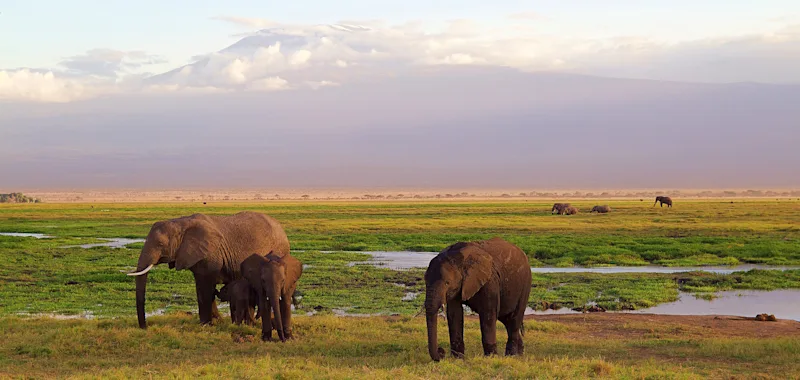
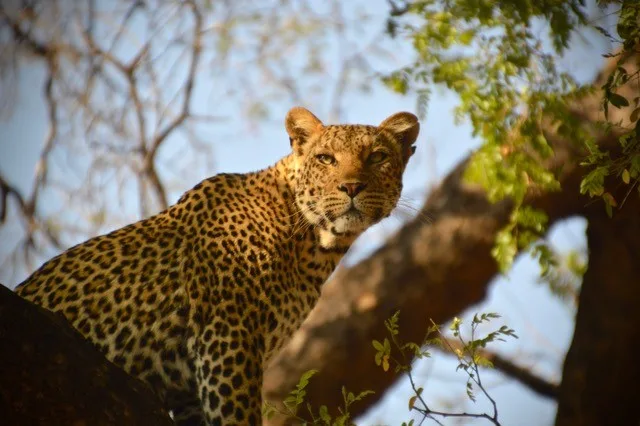
The term Africa’s Big Five means something quite different today than it did when it was coined in the late 1800s during the continent’s colonial period. Then, it referenced the animals—Cape buffalo (or African buffalo), elephants, leopards, lions and rhinoceroses—that trophy hunters considered to be the most challenging and dangerous to hunt on foot.
African Safaris
Most people are thrilled to go on a safari in Africa, knowing they will see the iconic wildlife they have only seen in images or in zoos all their lives. Viewing zebras, giraffes, elephants, lions, and herds of beautiful creatures like impala and kudu in the bush is, no doubt, exhilarating.
Conservation
When I was little, I learned about dinosaurs and extinction in the same breath. Those tree trunk sized leg bones I saw at the museum belonged to animals that died out millions of years ago. Why? There was some cosmic, massive event that killed the giants of Earth’s ancient history.
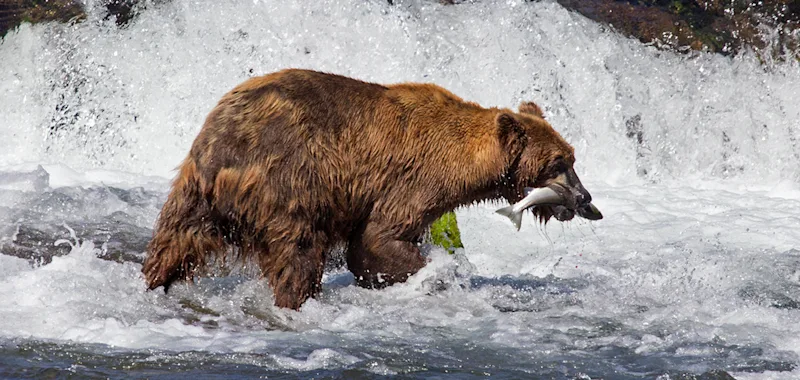
Alaska
Katmai National Park is a realm of untrammeled rivers, pristine streams and clear lakes. The park and the greater Alaska Peninsula are part of the Bristol Bay Watershed, which, according to World Wildlife Fund, is the most productive salmon ecosystem in North America.
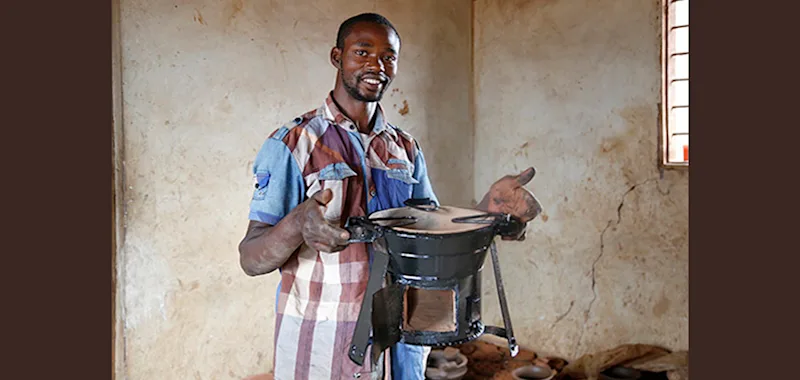
Conservation
Around the world, nearly 3 billion people cook their meals using open fires or simple stoves fueled by biomass (animal dung, crop waste or wood), coal or kerosene, according to the World Health Organization.
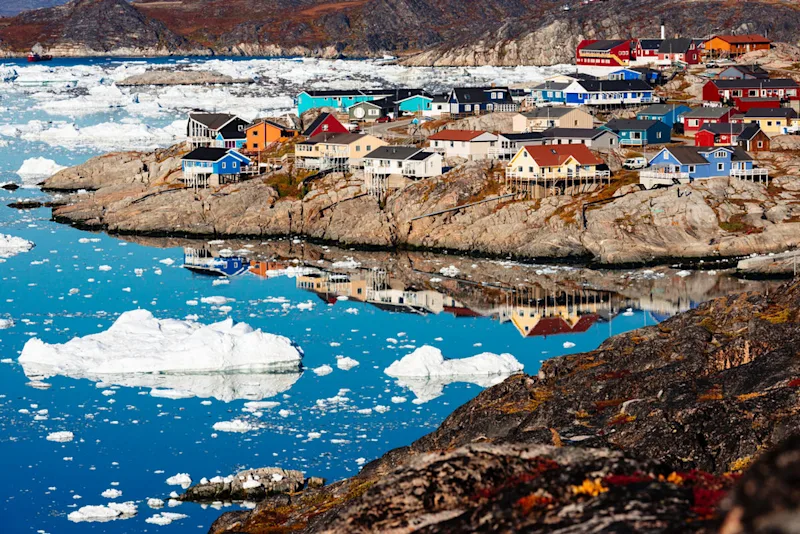
News & More
Every year, the New York Times names 52 places as top destinations to visit. This year, nine Nat Hab destinations made the list. Some destinations are making strides in conservation and others are dramatically changing as a result of climate change. Travel can bring about inspiration and perspective to those trapped in their everyday bubble.
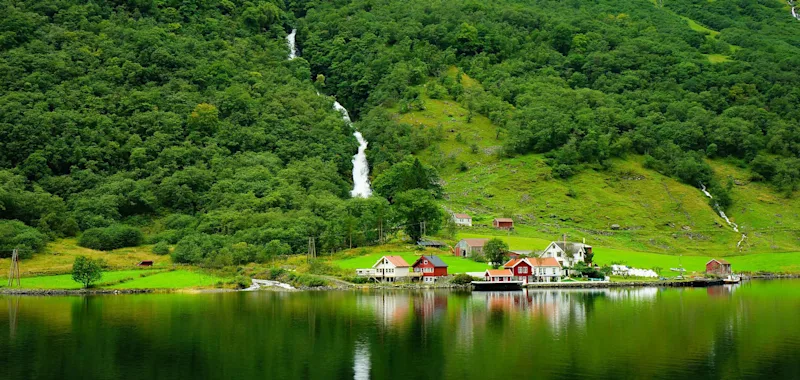
Conservation
Norway is the first country in the world to commit to no longer using any products that contribute to deforestation.
Travel Tips
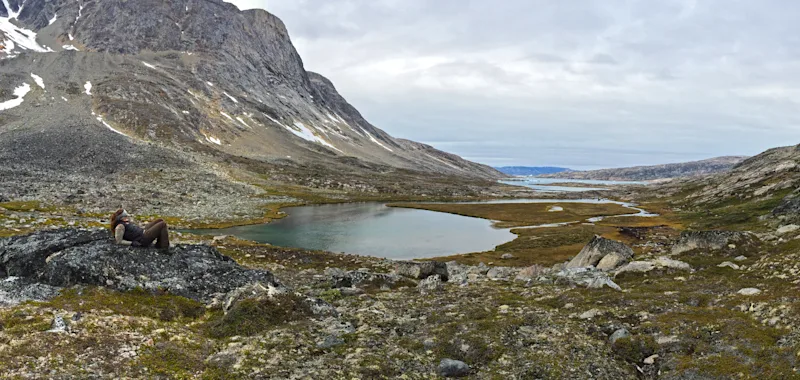
A small ice rink, created by flooding a flat piece of ground in front of the elementary school that was just two blocks from my home when I was a child, never failed to lure me outside on cold, Wisconsin winter nights.
Antarctica & Arctic
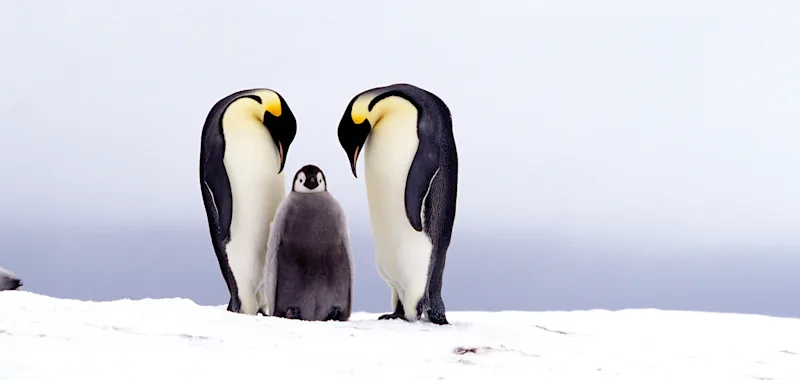
The Earth’s poles have a special kind of pull on me—sometimes called the “ice blink”—and that’s why on this Christmas Eve, I’m thinking of them.
Latin America
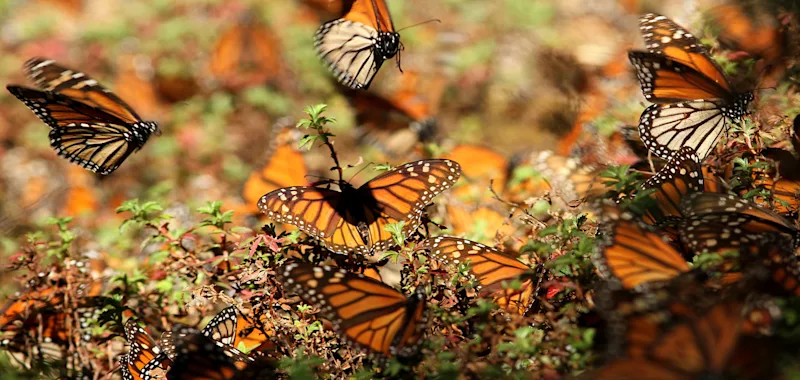
In recent years, reports on monarch butterfly populations have been confusing: just two years ago, we were hearing that the monarchs were teetering on the edge of extinction. More recently, however, conservation news headlines have alerted us to increases in monarch butterfly populations—as much as 144 percent in one year.
Galapagos Islands
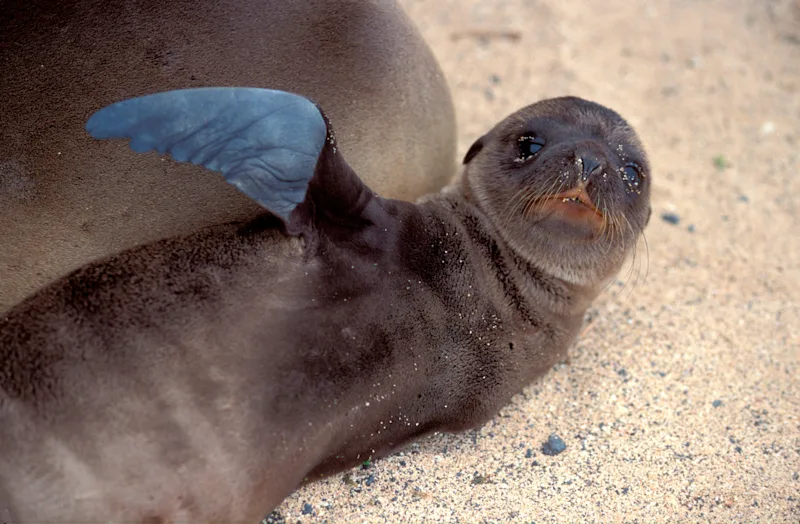
The Galapagos Islands offer so many unique experiences for travelers. From encounters with wildlife unbothered by humans to the varying geological features from island to island, there is so much to see and learn.