

Asia & The Pacific
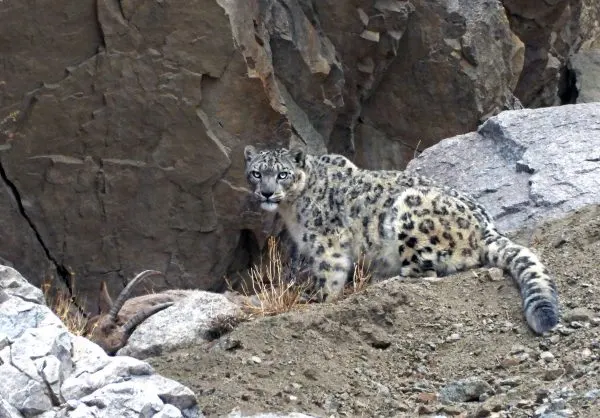
Snow Leopards and Conservation Travel in Ladakh, India
Insights from India Expedition Leader Surya Ramachandran Ladakh, the Indian trans-Himalaya, is one of the last bastions of Tibetan Buddhism in the 21st century.
Asia & The Pacific
Insights from India Expedition Leader Surya Ramachandran Ladakh, the Indian trans-Himalaya, is one of the last bastions of Tibetan Buddhism in the 21st century.
Conservation
True wilderness areas—where human impacts are minimal or entirely absent—are dwindling. That probably comes as no surprise to you.
Nature & Wildlife
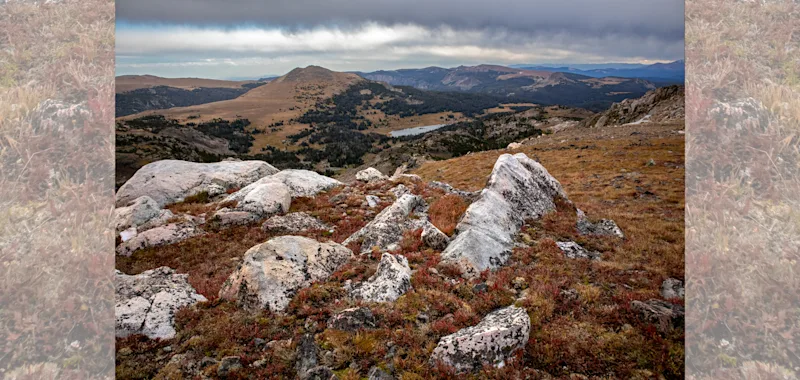
I once walked on the moon. It was remote and windy and bare; the kind of landscape that seems to call to me. This “moon,” though, wasn’t off Earth. It was found just outside Yellowstone National Park in the Shoshone National Forest, above the tree line.
Nature & Wildlife
Anyone who has ever adopted a cat or dog into the family knows that each pet is distinctive. One of your dogs, for example, may have loved to spend all day at your side, while another may have enjoyed some daytime hours to chill out by herself on her favorite couch.
Travel Tips
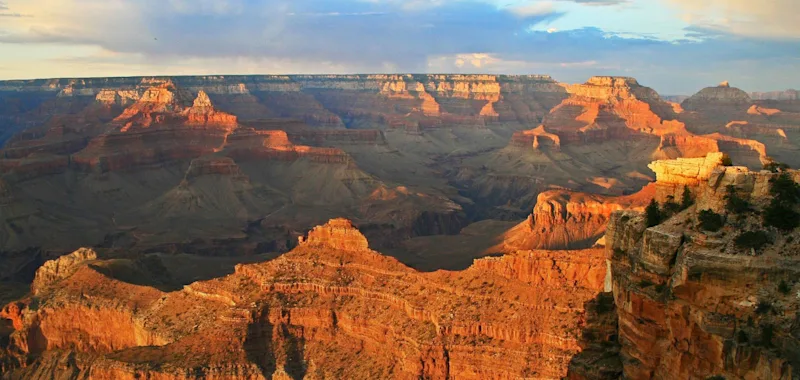
It’s time to say farewell to 2020; and for many of us, we’re happy to do it—perhaps more so than for any other year we’ve ever experienced. For those smitten with wanderlust, 2020 was definitely the “year of lost travels” and missed opportunities for connecting with other people and cultures around the globe.
African Safaris
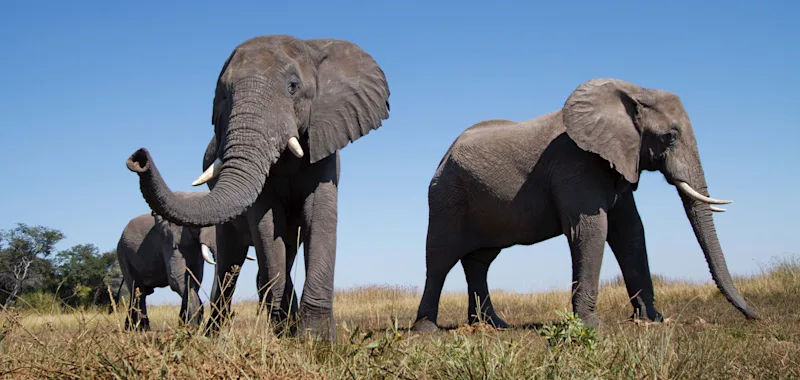
The African nation of Botswana is believed to have the world’s largest population of wild elephants. While the exact number is hard to pinpoint, estimates are that there are between 118,000 to 130,000.
Nature & Wildlife
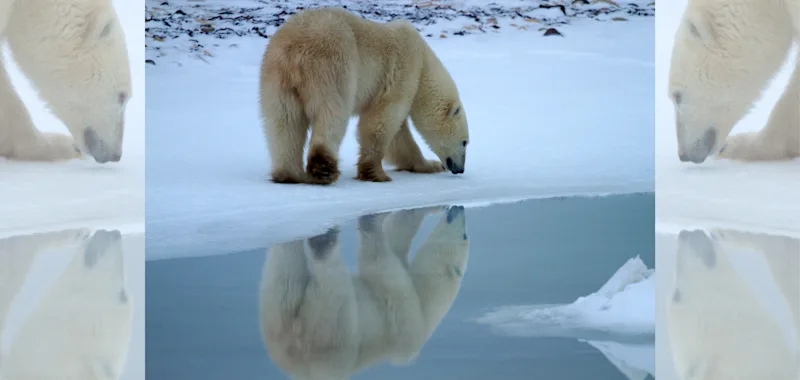
With the presidential election coming up next week, I can’t help but think about the future of our world—mostly the next four years—and what it will look like. There are so many things that I would change, as I’m sure you would, too. So, what would my priorities be if I ruled the world?
African Safaris
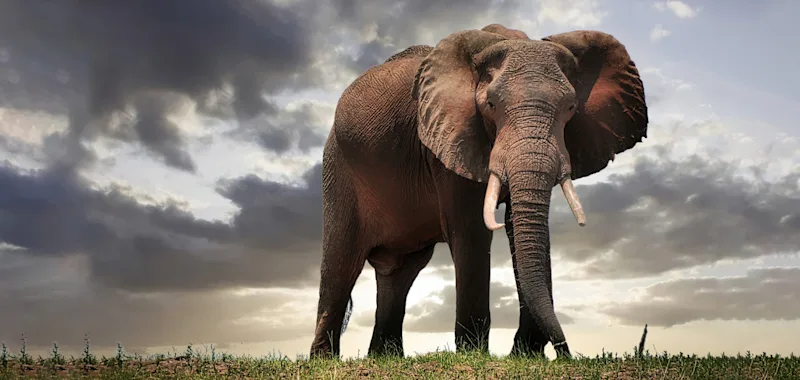
You probably already know the perilous position that the world’s elephants are currently negotiating. The International Union for Conservation of Nature (IUCN) has officially listed the Asian elephant as endangered and the African elephant as vulnerable.
News & More
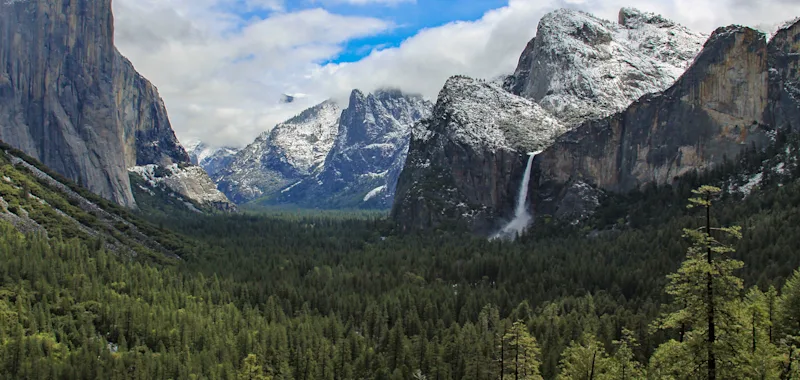
Yosemite National Park’s massive mountains—such as El Capitan, one of the world’s tallest monoliths—and its many waterfalls—such as Yosemite Falls, which drops 2,425 feet and is the highest falls in North America—provide some of the most picturesque and unique views of natural wonders anywhere on the planet.
African Safaris
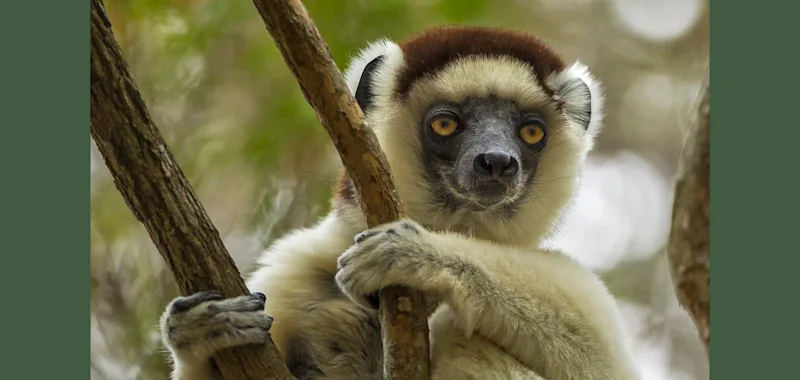
Imagine that you are lactose intolerant, and then you discover that all of the grocery stores in your vicinity sell only dairy products. That’s how a Duke University, North Carolina, ecologist describes the predicament of sifakas, a genus of lemur.
Conservation
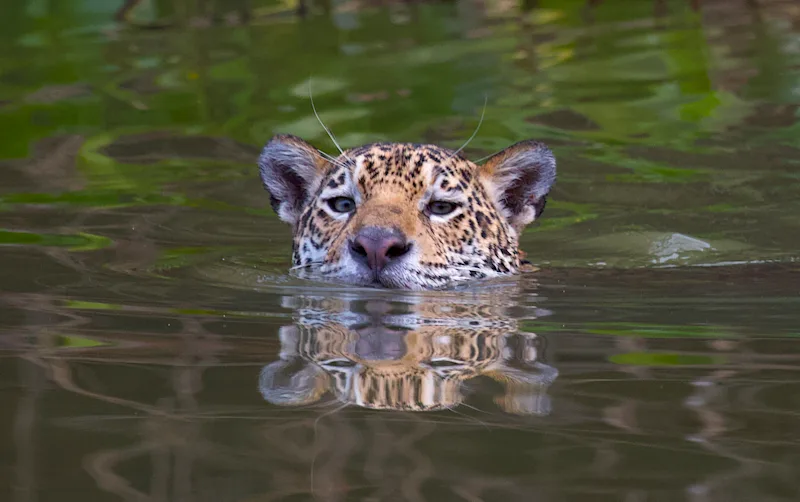
By Karl Egloff, WWF The Pantanal has fascinated me since I first learned about it in a documentary ten years ago. It is a world of contrasts with dramatically different wet and dry seasons, and a land of many uses spanning three countries. Home to the elusive jaguar, other varieties of wildlife, spectacular landscapes, and Brazil’s rich cowboy or “pantaneiro” heritage, the Pantanal is quickly becoming part of every wildlife traveler’s bucket list.
African Safaris
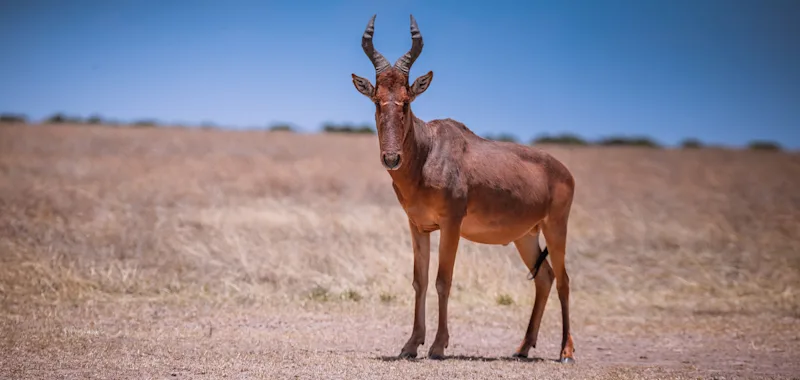
Hartebeests—the narrow-faced, savanna-adapted and unusual-looking African antelope that are native to more than 25 African countries—are on a downhill population slide. The African Wildlife Foundation estimates that there are about 360,000 of them left in eight to 10 recognized subspecies, one of which is entirely extinct. In Kenya, particularly, hartebeest numbers are decreasing, threatening extinction.