Good Nature Travel Blog

3402 stories

  • Travel Tips

    5 Skills You Should Learn for Your Next Travel Adventure

    Feb 4, 2015 · Maddi Higgins

    We wish we could spend every moment kayaking among the glaciers of Alaska or trekking the savannas of Tanzania. But since most of us have day jobs that require a different sort of landscape, we plan many weekends around how to make the most of exploring wilderness closer to home.
  • Galapagos Islands

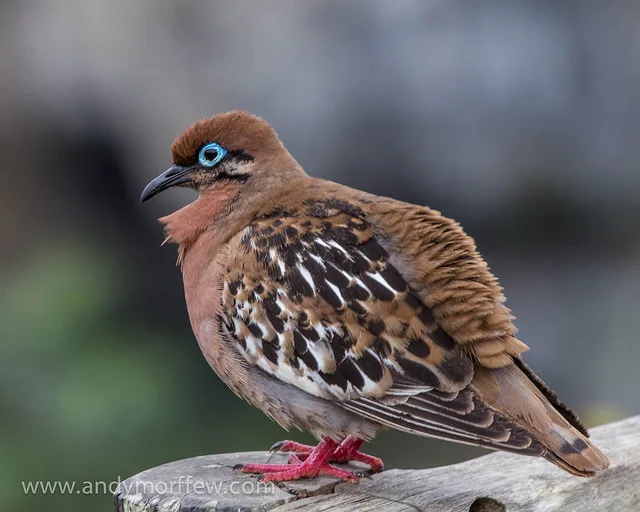
    Photo of the Day: The Beautiful Galapagos Dove

    Feb 3, 2015 · About Galapagos

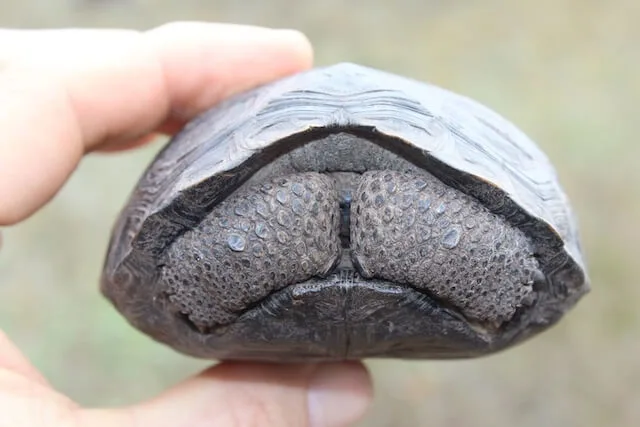
    As its name implies, the Galapagos dove is endemic to the islands. Unlike most other species in the Galapagos, the Galapagos dove populations found on different islands look very similar and have low genetic diversity, which suggests that their is quite a bit of inter-island hanky-panky going on.

  • Conservation

    Going Vegan: Best Way to Combat Rapid Climate Change?

    Feb 3, 2015 · Candice Gaukel Andrews

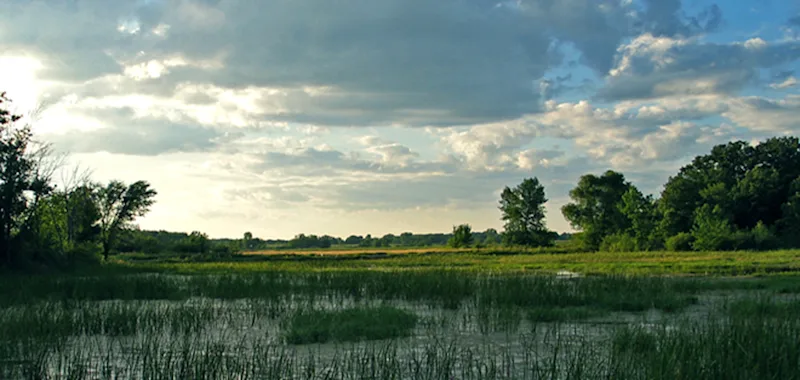
    One of my favorite things about writing a regular eco-travel and environmental column is getting to read the comments that come in. Sometimes readers are complimentary, sometimes they are critical and sometimes they challenge me. Such is the case with an article I recently wrote on soil and climate change.

  • Galapagos Islands

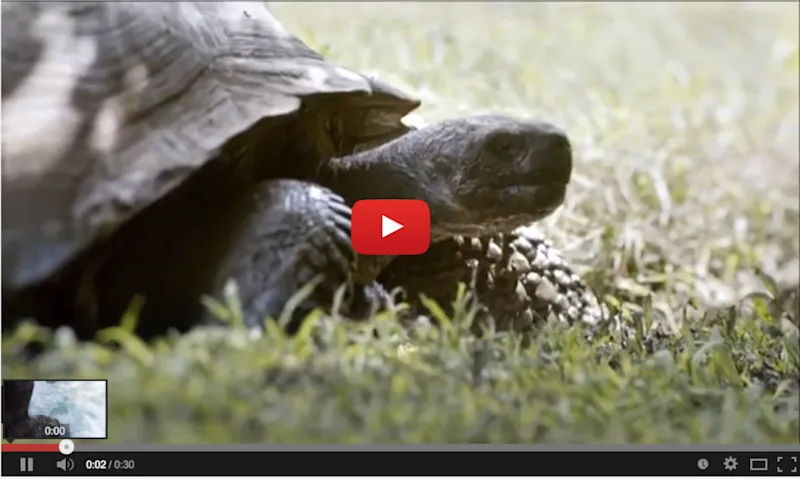
    The Galapagos Islands Make Their Super Bowl Debut (Video)

    Feb 2, 2015 · About Galapagos

    These days, the big budget, irreverent and sometimes groundbreaking ads that run during the Super Bowl are as highly anticipated and talked about as the big game itself. That’s why Ecuador’s decision to run a 30-second spot promoting its “All You Need is Ecuador” tourism campaign is generating some buzz.

  • Nature Photography

    Rare and Adorable Spirit Bear Cub Spotted

    Feb 2, 2015 · Derek Ward

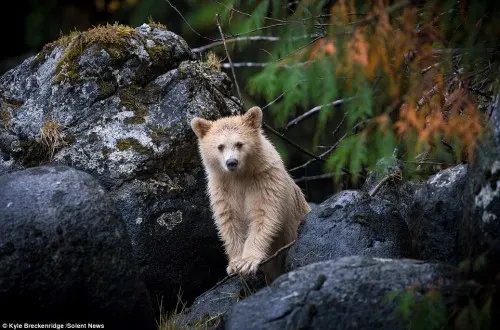
    A rare species of bear was recently spotted teaching its young cub how to fish, says Daily Mail. These elusive ‘Spirit bears’ can be seen in British Colombia’s beautiful Great Bear Rainforest.

  • African Safaris

    Elusive African Golden Cat Nabs Monkey in Camera Trap Video

    Jan 30, 2015 · iSafari

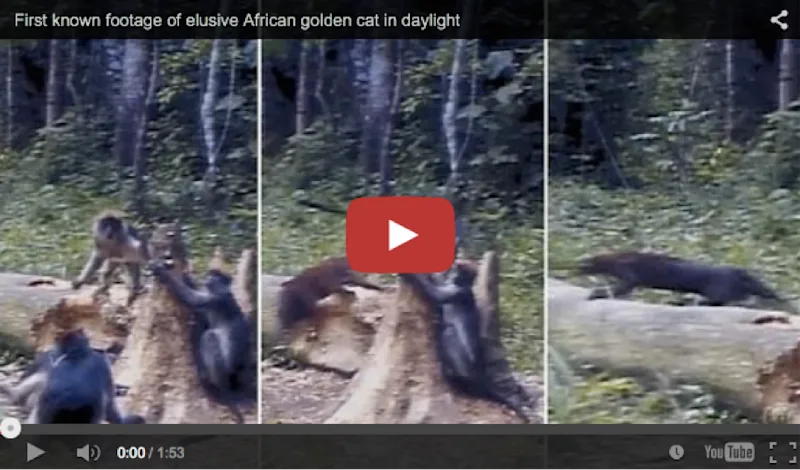
    On January 27th, scientists captured, possibly for the first time ever, a video of a rare and elusive African golden cat hunting in the daylight. The short video below, shot using a hidden camera trap, shows the cat charging and nabbing an unsuspecting red colobus monkey in Uganda’s Kibale Forest National Park.

  • Videos

    Video of the Week: One Minute with Kenya's Extraordinary Elephants

    Jan 30, 2015 · Emily Deemer

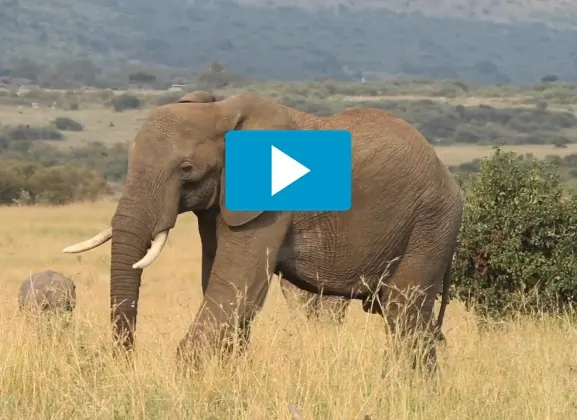
    Check out one of our newest wildlife videos, featuring amazing elephant footage from our Kenya safaris! Most of these scenes were filmed by Court Whelan, Nat Hab’s Conservation Travel Specialist. Watch as these magnificent animals waltz peacefully through three different regions in Kenya: Samburu National Reserve and the famed Maasai Mara National Reserve.

  • Nature Photography

    Travels in Greenland: A Photo Journal

    Jan 29, 2015 · Candice Gaukel Andrews

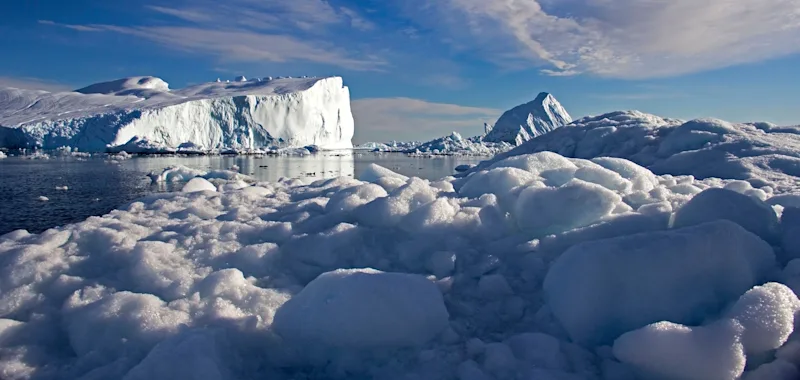
    Of all the places I’ve traveled to, Greenland is the most complicated, I think. While there are commonalities with other spots in the world, Greenland always seems to put its own, special twist on things. For example, much like what I found in Yellowstone National Park, Greenland plays with your linear sense of time.

  • Nature & Wildlife

    Botswana: From Desert to Delta

    Jan 28, 2015 · WWF

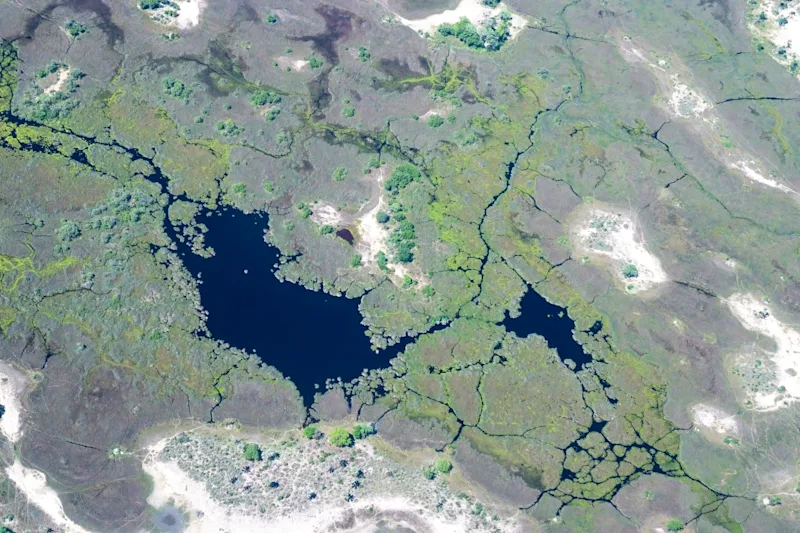
    Rachel Kramer is a Program Officer for Wildlife Conservation and TRAFFIC, the wildlife trade monitoring network. A friend and I steal away from work and family every few years, to explore wild places and celebrate them in photographs.

  • News & More

    Should Nonnative Species Be Introduced as Biocontrols?

    Jan 27, 2015 · Candice Gaukel Andrews

    For decades now, climate change has been altering habitats and causing a major shift of ecosystems northward. Unable to adjust quickly enough, some cold-adapted species are being forced to relocate to higher latitudes as warmer temperatures push them out of their traditional environs. For some warm-weather species, habitats are expanding.