Good Nature Travel Blog

  • African Safaris

    Madagascar’s Dwindling Forests and Their Linked Lemurs

    Aug 4, 2020 · Candice Gaukel Andrews

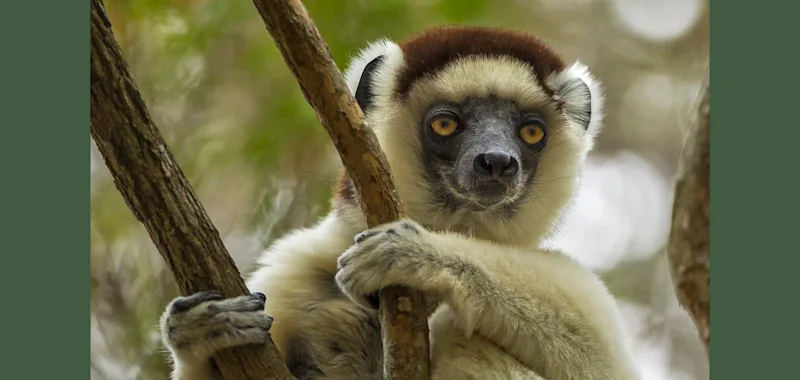
    Imagine that you are lactose intolerant, and then you discover that all of the grocery stores in your vicinity sell only dairy products. That’s how a Duke University, North Carolina, ecologist describes the predicament of sifakas, a genus of lemur.
  • Conservation

    Update: Wildfires in Brazil

    Jul 30, 2020 · WWF

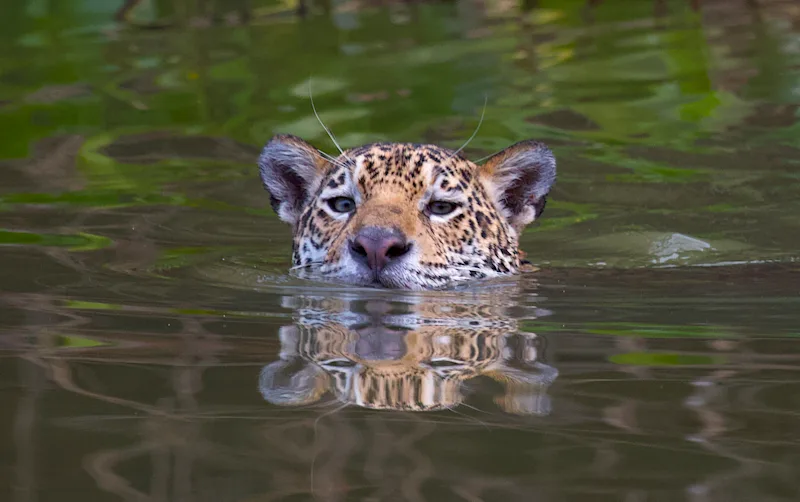
    By Karl Egloff, WWF The Pantanal has fascinated me since I first learned about it in a documentary ten years ago. It is a world of contrasts with dramatically different wet and dry seasons, and a land of many uses spanning three countries. Home to the elusive jaguar, other varieties of wildlife, spectacular landscapes, and Brazil’s rich cowboy or “pantaneiro” heritage, the Pantanal is quickly becoming part of every wildlife traveler’s bucket list.

  • African Safaris

    Kenya’s Cattle Ranchers Conserve Wild Hartebeests—and Lion Predators

    Jul 28, 2020 · Candice Gaukel Andrews

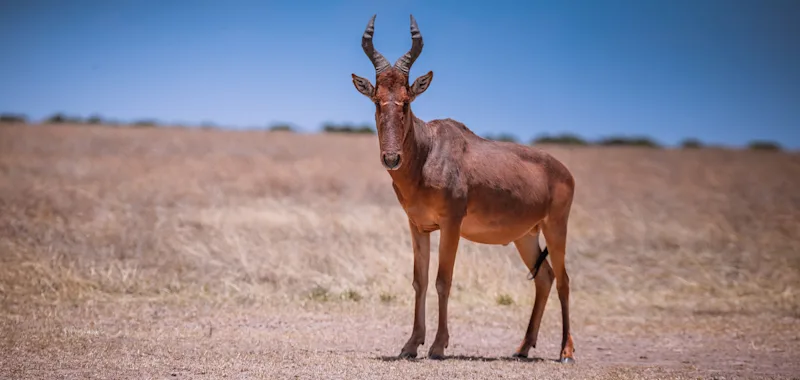
    Hartebeests—the narrow-faced, savanna-adapted and unusual-looking African antelope that are native to more than 25 African countries—are on a downhill population slide. The African Wildlife Foundation estimates that there are about 360,000 of them left in eight to 10 recognized subspecies, one of which is entirely extinct. In Kenya, particularly, hartebeest numbers are decreasing, threatening extinction.

  • Videos

    Videos: Nature Finally Talks Back—Redux

    Jun 23, 2020 · Candice Gaukel Andrews

    Throughout history, philosophers have construed the universe in many ways, and one of the oldest is to see it made up by pairs of opposites. For example, art and science, good and evil, matter and motion, structure and function, and living and nonliving all exemplify this particular way of looking at the cosmos.

  • Conservation

    To Prevent the Next Pandemic, Protect Nature

    Apr 28, 2020 · Candice Gaukel Andrews

    Spreading around the world at the speed of light, COVID-19 has now infected more than 2.5 million people and killed almost 177,000. Although the virus’s origins are still a little murky, it’s highly likely that it jumped from species to species, until it hit ours. Trading diseases with wildlife isn’t new.

  • Nature & Wildlife

    10 Tips for Spotting Local Wildlife in the Time of Coronavirus

    Mar 31, 2020 · Candice Gaukel Andrews

    Nature has always been a source of solace and healing, and that fact takes on added significance today. As we all try to keep to ourselves in order to protect our own health and that of our loved ones, spending time in quiet, uncrowded, natural places is the balm that appeals most to our souls.

  • African Safaris

    Video: Elephants and Lions Align Against Rhinos

    Mar 24, 2020 · Candice Gaukel Andrews

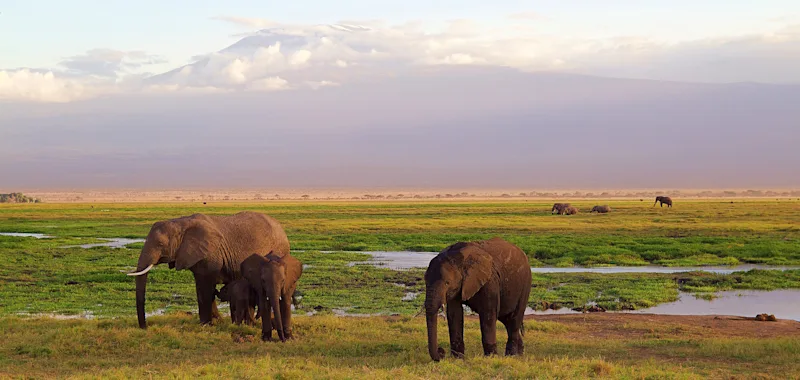
    The term Africa’s Big Five means something quite different today than it did when it was coined in the late 1800s during the continent’s colonial period. Then, it referenced the animals—Cape buffalo (or African buffalo), elephants, leopards, lions and rhinoceroses—that trophy hunters considered to be the most challenging and dangerous to hunt on foot.

  • Travel Tips

    How to Be a Better Environmentalist When Traveling

    Mar 10, 2020 · Candice Gaukel Andrews

    Like many of you, I suspect, I worry a lot about environmental issues: diminishing biodiversity, climate change, greenhouse gases and melting glaciers. Yet, about once a year, I book a flight.

  • Videos

    Video: Rewilding Scotland’s Highlands with Wildcats

    Mar 3, 2020 · Candice Gaukel Andrews

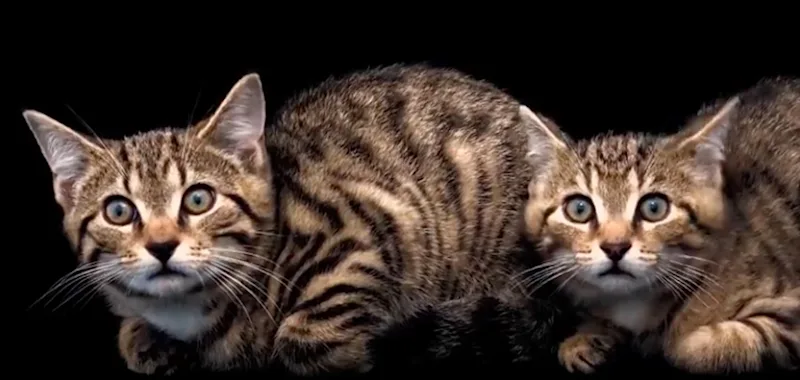
    Bears, lynx, wolves and wildcats used to roam the lands that today make up Great Britain. European brown bears, however, have been extinct there since at least the early Middle Ages—and possibly even earlier. British lynx disappeared around 700 A.D., due to hunting and habitat destruction. And by the turn of the 16th century, wolves were extinct in England and Wales.

  • Conservation

    What is Biodiversity and Why Does it Matter?

    Feb 29, 2020 · Hannah Wagner

    When I was little, I learned about dinosaurs and extinction in the same breath. Those tree trunk sized leg bones I saw at the museum belonged to animals that died out millions of years ago. Why? There was some cosmic, massive event that killed the giants of Earth’s ancient history.

  • Alaska

    Climate Change Is Affecting Alaska’s Salmon—and Its Bears

    Feb 25, 2020 · Candice Gaukel Andrews

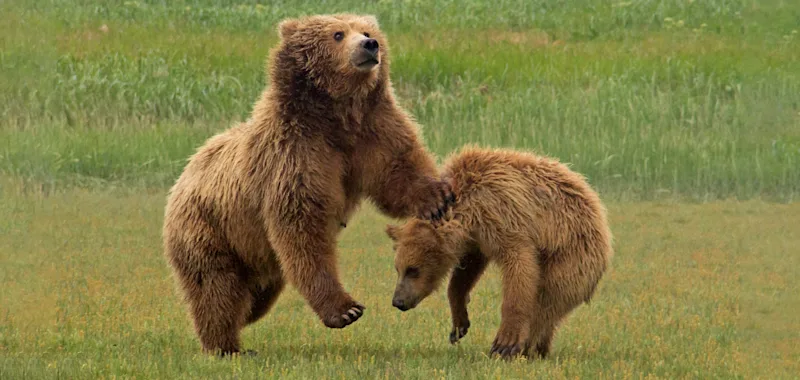
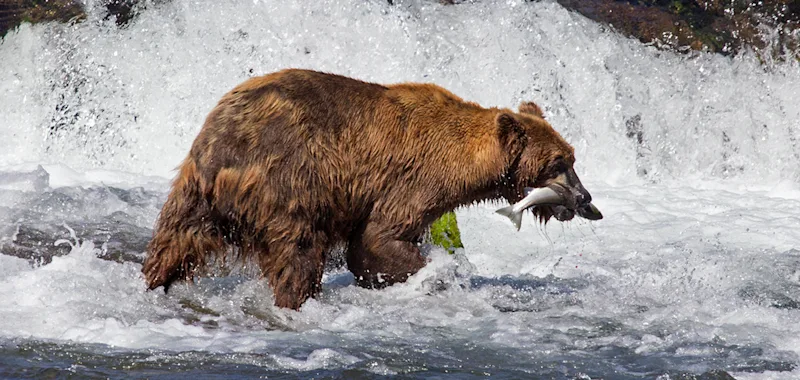
    Katmai National Park is a realm of untrammeled rivers, pristine streams and clear lakes. The park and the greater Alaska Peninsula are part of the Bristol Bay Watershed, which, according to World Wildlife Fund, is the most productive salmon ecosystem in North America.