Good Nature Travel Blog

  • Nature & Wildlife

    Clarifying the Confounding Words of Climate Change

    Dec 14, 2021 · Candice Gaukel Andrews

    Carbon neutral. Mitigation. Tipping point. Unprecedented transition. If asked, could you explicitly define the terms above, words that are often used in discussions about climate change? If not, you’re not alone.
  • Latin America

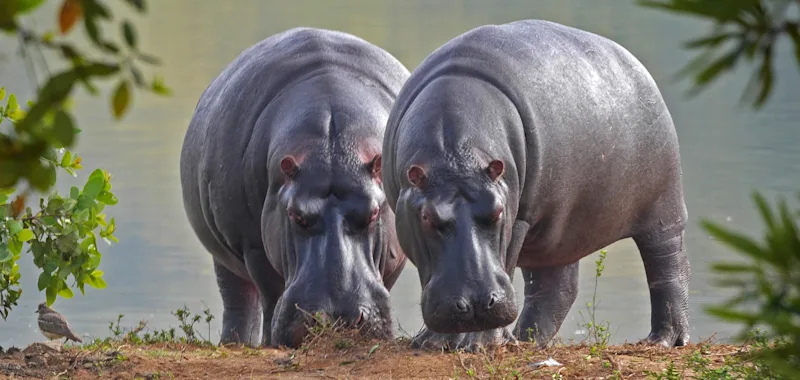
    Pablo Escobar’s Hippos: Ecosystem Restorers and Legal Plaintiffs

    Dec 7, 2021 · Candice Gaukel Andrews

    In the 1980s, Colombian cocaine kingpin and drug trafficker Pablo Escobar purchased four hippopotamuses for his private zoo. After he died in 1993, the Colombian government left the hippos in a pond on his ranch because it was unable to transport them to a suitable environment.

  • Asia & The Pacific

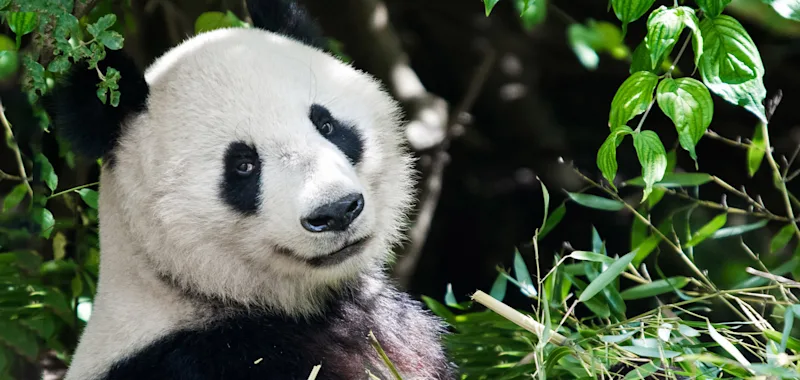
    Like Us, Pandas Need a Sense of Wanderlust

    Nov 16, 2021 · Candice Gaukel Andrews

    As you travelers know, a sense of wanderlust can be highly beneficial for your personal growth and well-being. It can challenge your long-held assumptions, help you become more adaptable to the vicissitudes of daily life, provide an opportunity to meet new friends and cause you to be even more adventurous down the road.

  • Nature & Wildlife

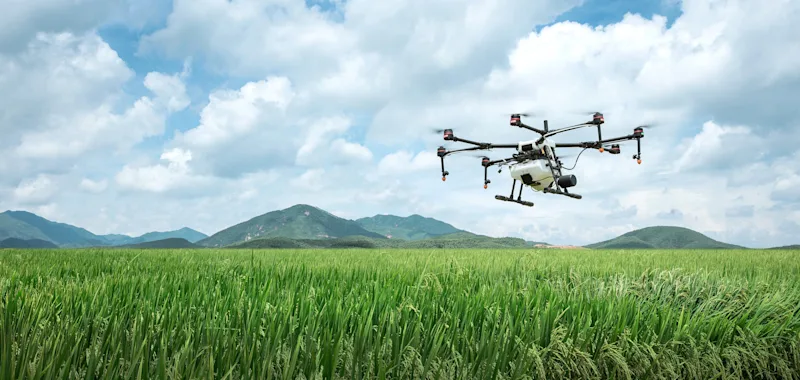
    Drones: Weighing Whales and Assessing Associations

    Nov 9, 2021 · Candice Gaukel Andrews

    Baleen whales, which include species such as blue and gray whales, are the largest animals on Earth. Their hefty body masses, in fact, are central to their success as an animal group. Because of their large sizes and aquatic life, however, whales are hard to weigh.

  • Conservation

    What Makes People Want to Save the Planet? Facts or Stories?

    Oct 5, 2021 · Candice Gaukel Andrews

    Now five decades old, the modern American environmental movement began in the 1960s and was sanctioned as an official epoch in 1970 with the creation of Earth Day by Wisconsin Senator Gaylord Nelson. Since then, environmentalism has fluctuated in popularity; but by the 1990s, it had become somewhat trendy again.

  • Conservation

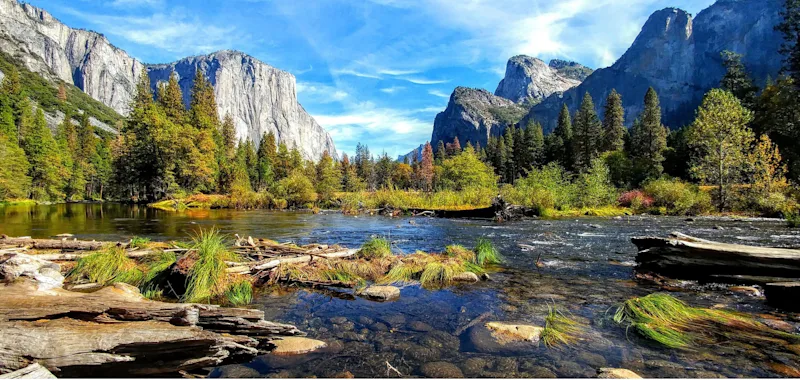
    Wildfires Restore Yosemite and a Video View of the Park

    Sep 21, 2021 · Candice Gaukel Andrews

    During the drought conditions in the summer of 2021, wildfires raged throughout the western U.S. For example, as of September 12, 2021, the Dixie Fire is the second-largest wildfire in California history. It might seem ironic, then, to choose this time to talk about wildfires in a positive light.

  • Conservation

    Parks, People, a Pandemic and Problem-Solving

    Sep 14, 2021 · Candice Gaukel Andrews

    Being able to get away to a park—whether national, state or local—played an important role in mental and physical health for a lot of us during the first months of the worldwide COVID-19 pandemic. And as we still struggle with the disease and all its new variants, parks still do.

  • News & More

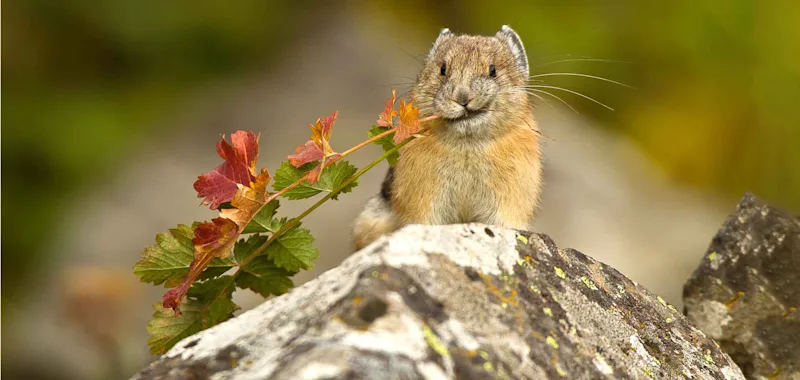
    Good News: Pikas Now Predicted to Persist

    Sep 7, 2021 · Candice Gaukel Andrews

    A relative of rabbits, tiny, cute and charismatic American pikas typically live in cool, mountain environments and find refuge from the hot sun under boulders and rocks.

  • Asia & The Pacific

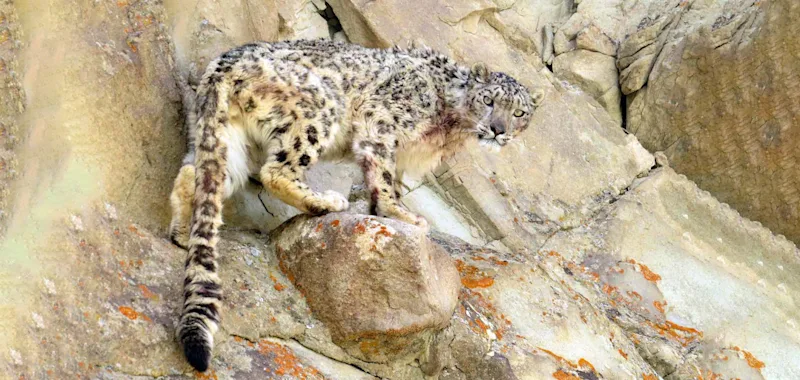
    Video: The Somewhat Noble Call of a Snow Leopard

    Aug 24, 2021 · Candice Gaukel Andrews

    We’re all familiar with this movie scene: a bald eagle soars overhead in a wild, Western-type, wide-open landscape, and we hear the iconic, piercing, strong screech of America’s most majestic bird.

  • African Safaris

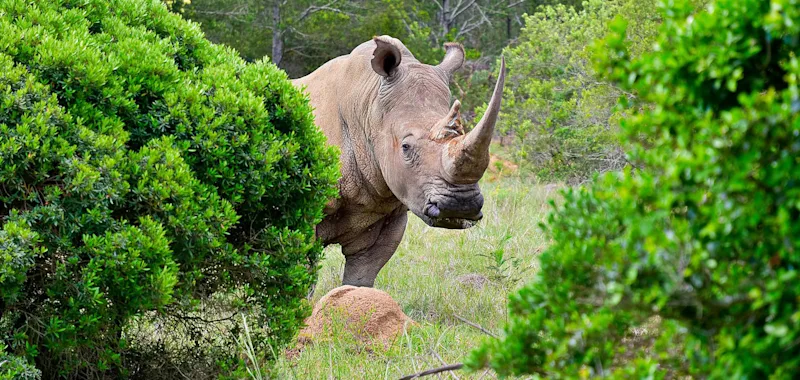
    How Should Rhinos Be Relocated? Upside Down.

    Aug 10, 2021 · Candice Gaukel Andrews

    At times, wildlife conservationists do things that might look a bit strange or even questionable to the rest of us. And seeing a rhino tied by its legs and suspended from a helicopter—even though it’s to move the animal away from poachers—is one example that is uncomfortable for most of us to watch.

  • Conservation

    Better Together: Native Knowledge and Western Science

    Jul 27, 2021 · Candice Gaukel Andrews

    Throughout the United States, Native Americans own and/or manage nearly 95 million acres of deserts and forests, grasslands and mountains—much of it in still-intact habitats. That’s 10 million more acres than the National Park Service administers. These extensive holdings make tribes extremely important and significant partners in habitat and wildlife protections.