Good Nature Travel Blog

  • News & More

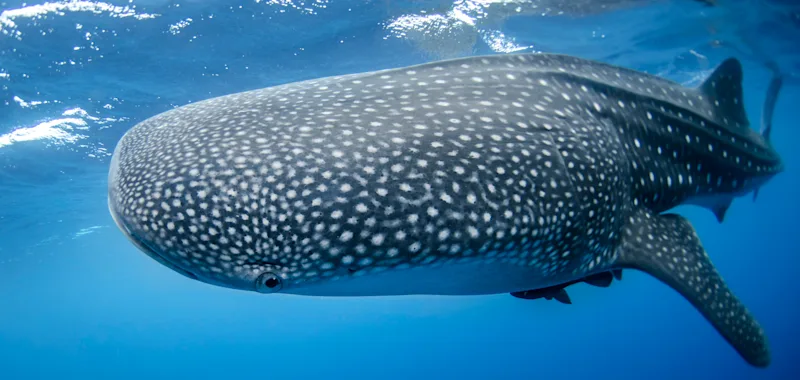
    Whale Sharks Top Kodiak Bears for World’s Largest Omnivore

    Oct 11, 2022 · Candice Gaukel Andrews

    Whale sharks are the biggest fish and shark in the world. Adults can weigh 41,000 pounds and average about 40 feet long, but they may grow as large as 65 feet. According to World Wildlife Fund (WWF), these gentle giants roam all the planet’s tropical oceans, generally alone.
  • Conservation

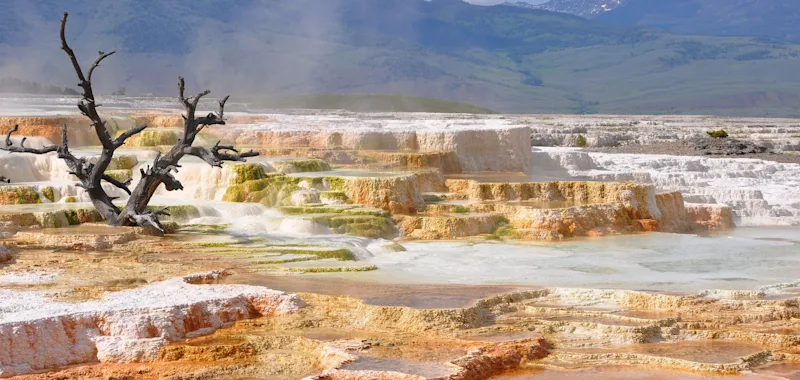
    Yellowstone Heats Up; Wolves Could Curb the Warming

    Oct 4, 2022 · Candice Gaukel Andrews

    Yellowstone National Park is famous for its beautiful but harsh winters. Blanketed in snow, it exudes an almost mythical aura—even in the season’s common subzero temperatures there.

  • African Safaris

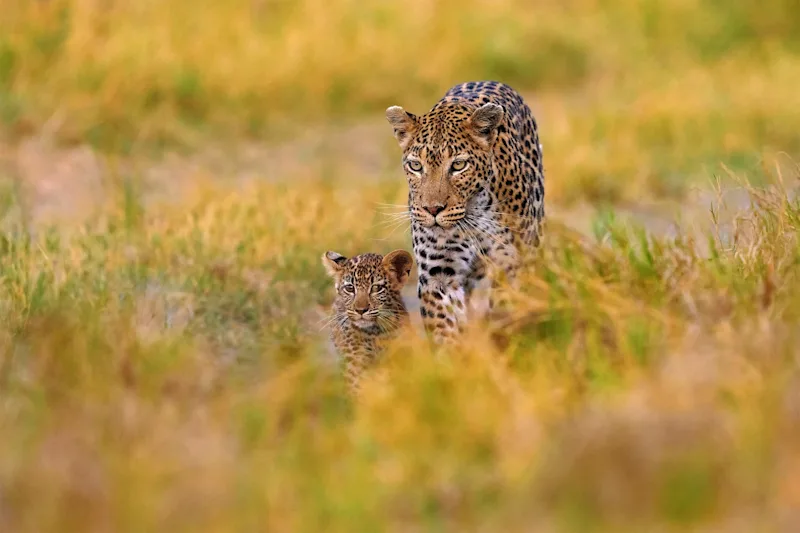
    5 Places to Spot Leopards in the Wild

    Sep 28, 2022 · Michelle Peters

    The quintessential “big cat,” the leopard is the most generalized of the Pantherines. The four others—lion, tiger, jaguar and snow leopard—are more specialized and less adaptable. Yet all share an ancestral link to a pre-historic feline that looked and behaved much like the modern leopard.

  • African Safaris

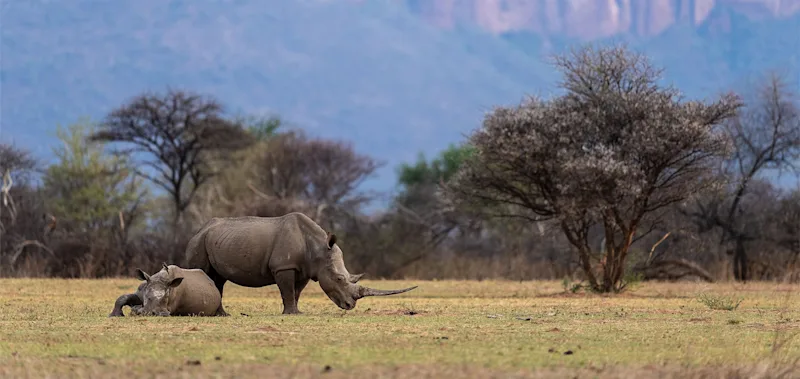
    Celebrate World Rhino Day Alongside Nat Hab Conservation Hero Richard de Gouveia

    Sep 22, 2022 · Megan Brief

    Learn How Richard Saves Species as a Sony Ambassador and Guide for Natural Habitat Adventures & WWF On September 22, conservation scientists and animal advocates join forces in recognition of our planet’s five species of rhino. The largest of the species—the greater one-horned rhino (or “Indian rhino”)—is among the greatest conservation success stories in Asia.

  • African Safaris

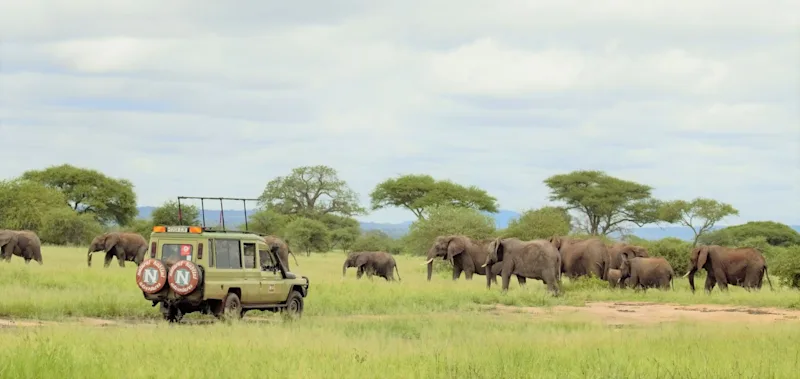
    Where the Wild Things Roam: The Great Migration and Tanzania’s Ngorongoro Crater

    Sep 19, 2022 · Jon Jared

    Big adventures abound in Tanzania. The largest country in East Africa, its borders encompass Mt. Kilimanjaro, the highest mountain in Africa; Lake Victoria, the continent’s biggest lake (and a primary source of the Nile River); and the largest animal migration on the planet. Oh—and it’s home to the most lions in the world!

  • Conservation

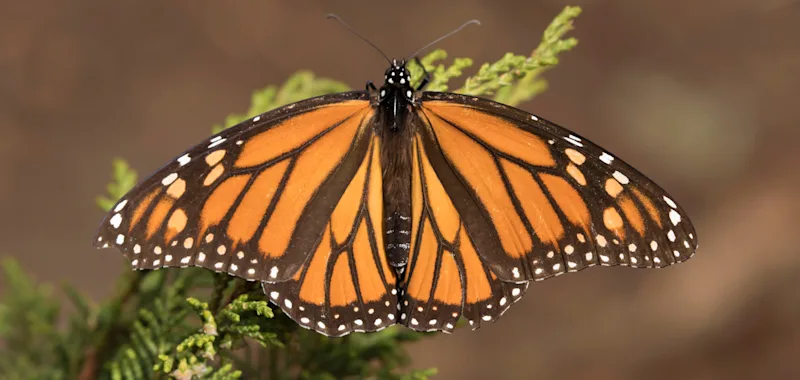
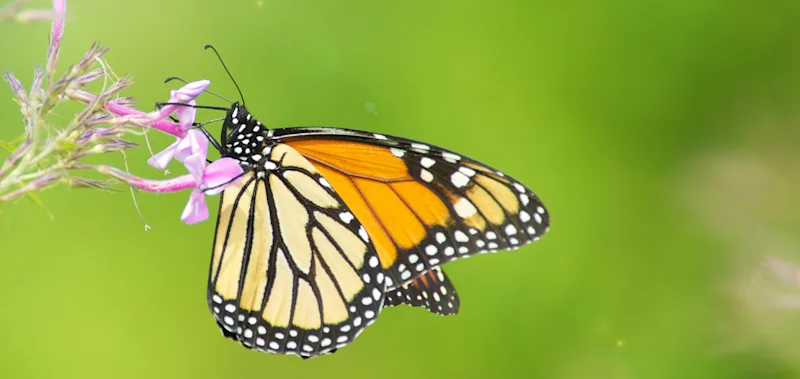
    Monarch Butterflies: Are They Endangered or Stable?

    Sep 13, 2022 · Candice Gaukel Andrews

    Every summer has its own vibe. For example, you might remember your 10th as the one when you learned to swim at the beach, or your 25th as the time when you took the perfect road trip.

  • Conservation

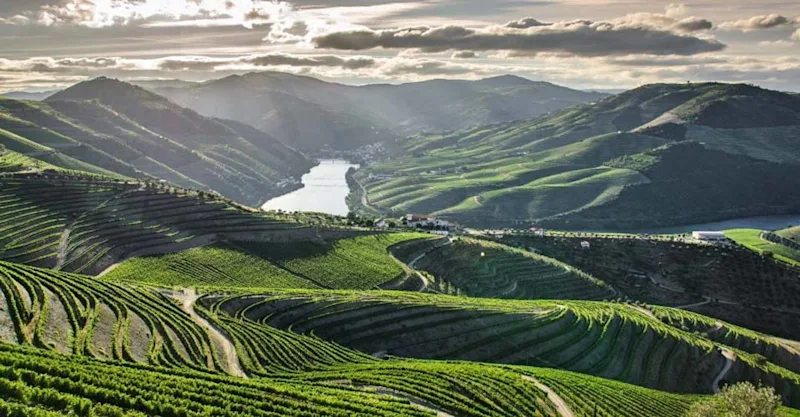
    The Wild Upper Douro: An International Treasure

    Sep 4, 2022 · Wendy Redal

    Portugal’s Douro Valley is best known as a cradle of European winemaking. For more than 2,000 years grapes have been planted in terraced vineyards along the steep mountainsides that line the Douro River, when the Romans discovered that the dry and hot conditions created excellent grapes.

  • Latin America

    What do Monarch Butterflies Eat? Milkweed 101

    Aug 29, 2022 · Megan Brief

    Pick a Weed, Save a Life Milkweeds contain various levels of cardiac glycoside compounds or cardenolides, which render the plants toxic to most insects, animals and humans. Despite their seemingly sinister sap, milkweeds breathe life to pollinators and people alike.

  • Conservation

    How the Inflation Reduction Act Spells Hope for the Environment

    Aug 18, 2022 · Lavanya Sunkara

    The Inflation Reduction Act that President Biden signed into law on August 16, 2022, includes the most ambitious climate spending package in the country’s history. Its objective is to infuse $369 billion into the economy to fight climate change and set the nation on a path to reach our carbon emissions-cutting goals.

  • News & More

    Could Greenland’s Past Be the Amazon’s Future?

    Aug 16, 2022 · Candice Gaukel Andrews

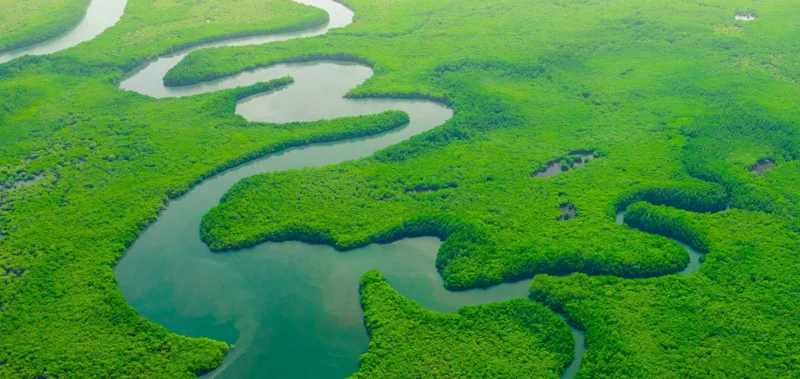
    One of the great mysteries of late medieval history is why did the Norse, who had established successful settlements in southern Greenland in 985, abandon them in the early 15th century? The consensus view has long been that colder temperatures, associated with the Little Ice Age, helped make the colonies unsustainable.