Good Nature Travel Blog

  • Nature Photography

    Wildlife Photo of the Week: Teeth & Testosterone

    Oct 16, 2015 · Kendal Bower

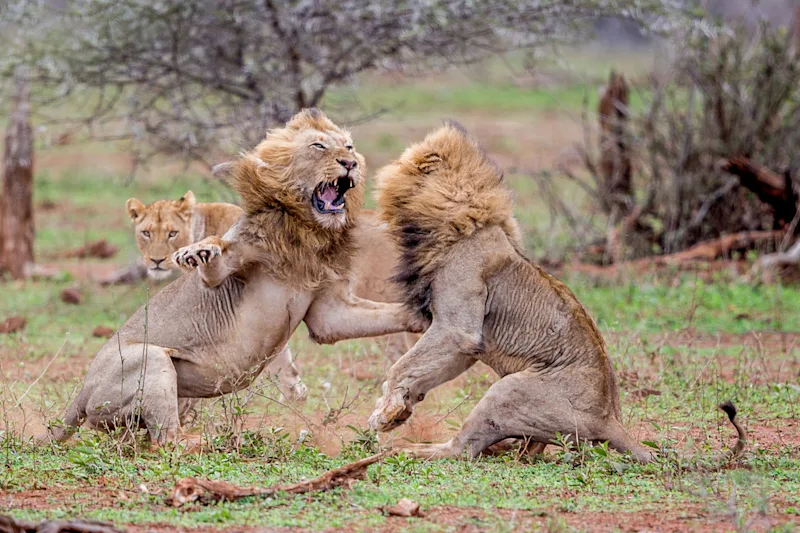
    Every Friday we choose our favorite photo of the week from our Wildlife Photo of the Day website. This week we chose an action shot of two male lions fighting while a female looks on. Photographer JP Meiring captured this image while visiting Kruger National Park with Natural Habitat Adventures.
  • News & More

    As Earth’s Superpredators, Can We Change How We Use Wildlife?

    Oct 13, 2015 · Candice Gaukel Andrews

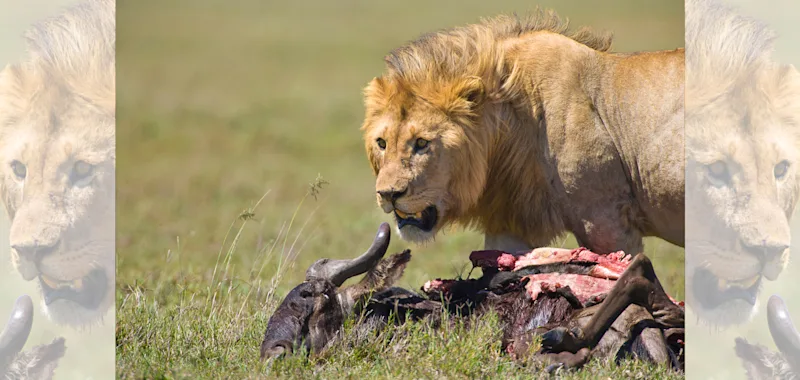
    Would you mind living next door to a top predator? It’s a question I’ve asked you before. It seems that when it comes to bears, lions or wolves, we humans, as a whole, can’t get rid of our four-footed, predatory neighbors fast enough.

  • Conservation

    See—and Save—Endangered Gorillas in the Mist

    Oct 5, 2015 · Peter Davis Krahenbuhl

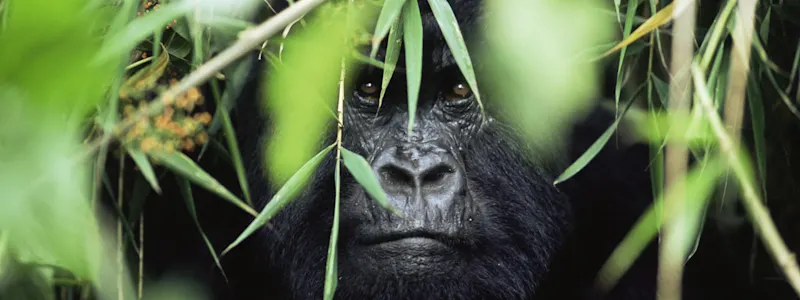
    In our last article on where to “See—and Save—the World’s Most Endangered Species: Part 2,” we took a look at the various species of endangered rhinos. In part three, we’ll learn about one of our closest cousins, who also happens to be one of the world’s most endangered creatures.

  • News & More

    Increasing Bad Behavior around Wildlife: Are More Regulations Needed?

    Sep 29, 2015 · Candice Gaukel Andrews

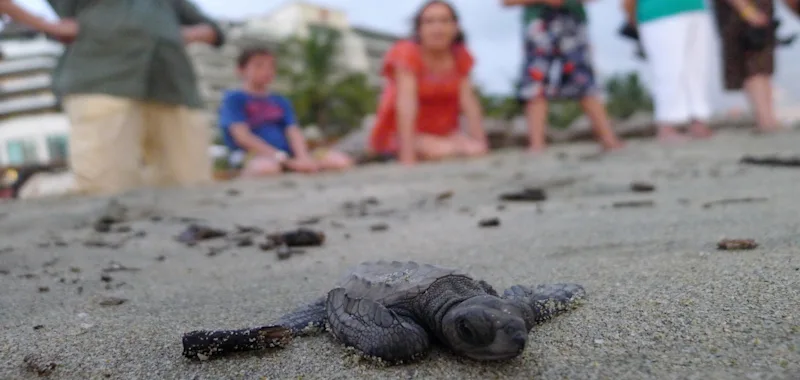
    Witnessing any of nature’s great spectacles—such as the wildebeest migration of Africa, the wintering grounds of millions of monarch butterflies in Mexico or thousands of sea turtles coming ashore from the Pacific Ocean to lay eggs—is usually described by onlookers as nothing short of “awe-inspiring.”

  • Videos

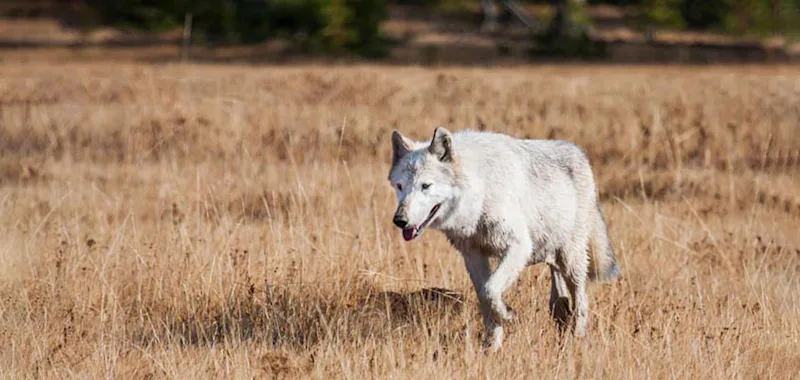
    Video: 20 Years after the Return of the Wolf

    Sep 17, 2015 · Candice Gaukel Andrews

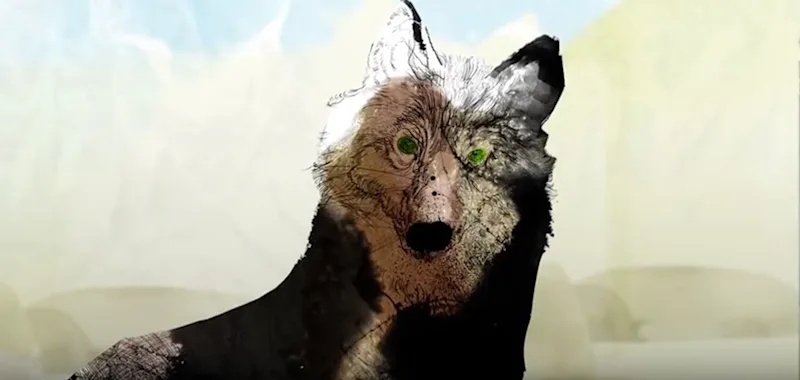
    This year, 2015, marks the 20th anniversary of the wolf’s return to Yellowstone National Park. On January 12, 1995, eight gray wolves from Alberta, Canada, were reintroduced into the park and became the first to live there since they were extirpated in 1926—an absence of 69 years.

  • Travel Tips

    6 Adventures that Will Make You Love Winter

    Sep 10, 2015 · Candice Gaukel Andrews

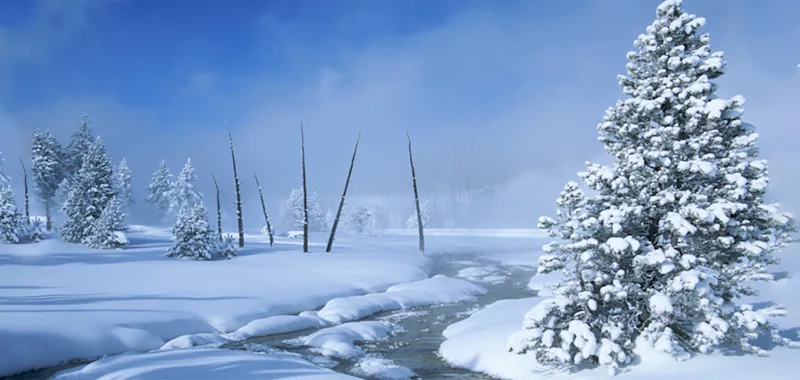
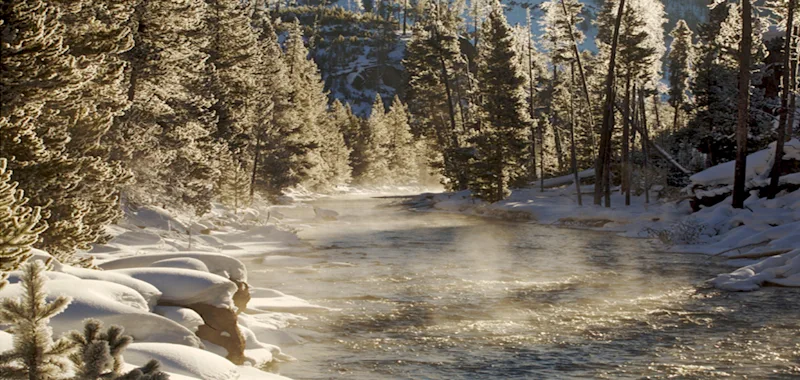
    According to Climate Central, an independent organization of scientists and journalists that researches and reports the facts about our changing climate, last year was the hottest in the past 135. Now, as we approach fall 2015, it’s looking like this year just might top that record.

  • News & More

    Is There a New State Trend to Ban Citizen Science?

    Sep 1, 2015 · Candice Gaukel Andrews

    Citizen science has become an important tool for scientific research. Now, as funds for federal agencies and state natural resources departments around the country shrink, using ordinary folks to gather and record wildlife and environmental observations stretch limited research dollars by getting reams of data for free. NASA relies on amateur astronomers for asteroid observations.

  • Travel Tales

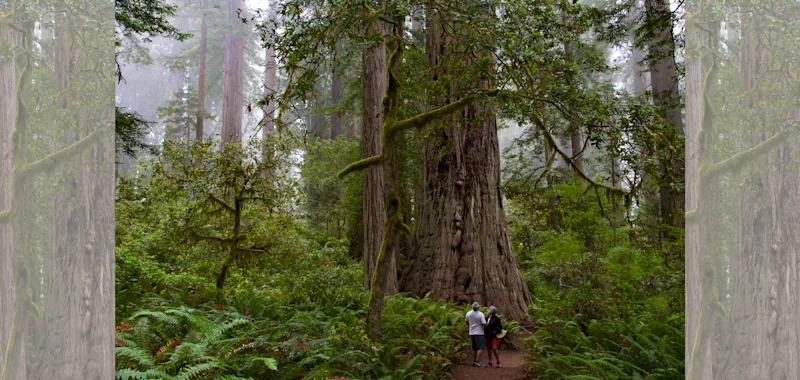
    Photo Journal: the Tall Trees of Redwood National Park

    Aug 27, 2015 · Candice Gaukel Andrews

    Some have always been drawn to the mountains, while others are called to ocean shores. But I constantly feel the pull of forests (I’ve even written a book about them). My particular predilection causes me some mild embarrassment and social discomfort, because what could be more cliché for a baby boomer than being a “tree-hugger”?

  • News & More

    Wolves Return to California, but for How Long?

    Aug 25, 2015 · Candice Gaukel Andrews

    After almost a century, wolves have come home to California. On August 20, 2015, the California Department of Fish and Wildlife (CDFW) announced that it had photographic evidence from a trail camera that two gray wolf adults and five pups had taken up residence in southeastern Siskiyou County in northern California.

  • Conservation

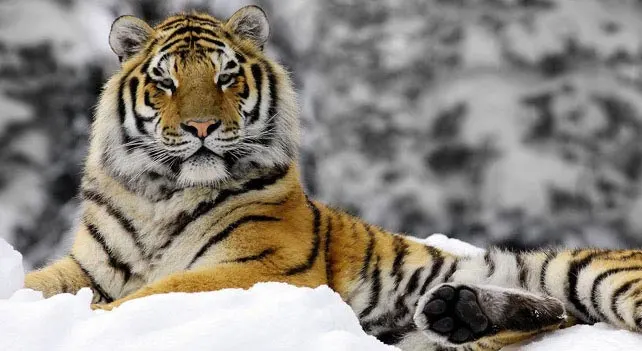
    See—and Save—Bengal Tigers in India

    Aug 24, 2015 · Peter Davis Krahenbuhl

    By Peter Davis Krahenbuhl Did you ever stop to wonder why some of the world’s most majestic animals are often also the most threatened species on Earth? The answer shouldn’t be shocking.