Good Nature Travel Blog

  • Conservation

    Plants Could Solve the Microplastics Problem

    Sep 5, 2023 · Candice Gaukel Andrews

    Plastics are the most prevalent type of marine debris found in the Great Lakes and in the oceans. Plastic pollution pieces come in all shapes and sizes, but those that are less than 0.2 inches (or five millimeters) in length—about the size of a sesame seed—are called “microplastics.”
  • Nature & Wildlife

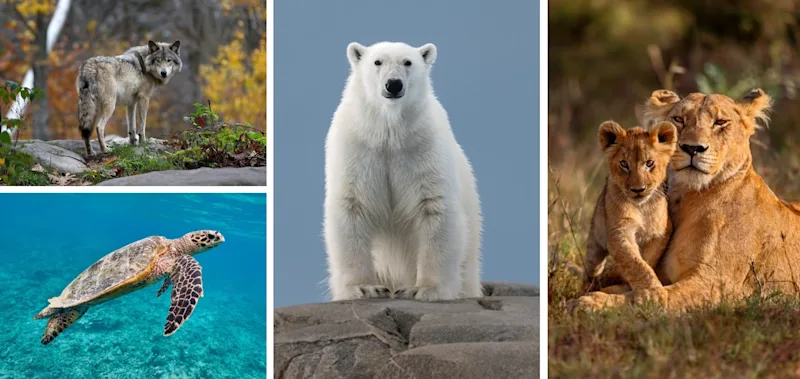
    Happy National Wildlife Day!

    Sep 4, 2023 · Emily Deemer

    National Wildlife Day was founded in 2005 by animal advocate Colleen Paige to bring awareness to the plight of endangered animals.

  • Conservation

    Wildfires Are Increasing CO2 Emissions, and Animals Are Adapting

    Aug 29, 2023 · Candice Gaukel Andrews

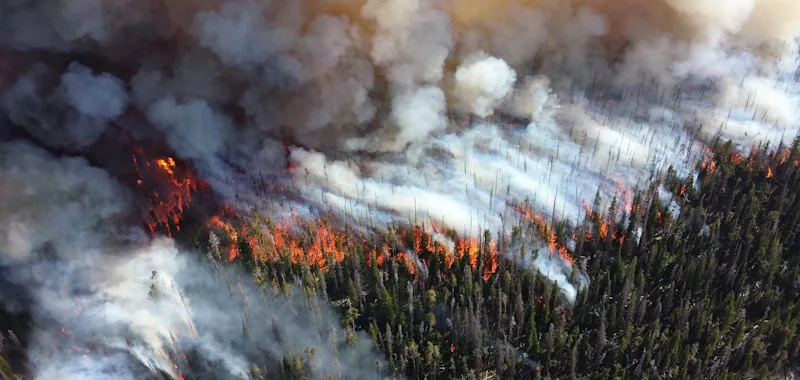
    Scenes of devastation from wildfires have almost become a staple of summer in the past decade. In addition to the physical destruction they cause, wildfires release carbon dioxide (CO2) and other greenhouse gases into the air that contribute to climate change.

  • Nature & Wildlife

    Among the World’s Animals, We’re Not That Exceptional

    Aug 8, 2023 · Candice Gaukel Andrews

    Growing up, you probably learned some version of the following: in the animal kingdom, humans are exceptional and unique. Among the one-of-a-kind qualities that we possess are a higher intelligence than all the other creatures on the planet, the ability to use tools and empathy.

  • Nature & Wildlife

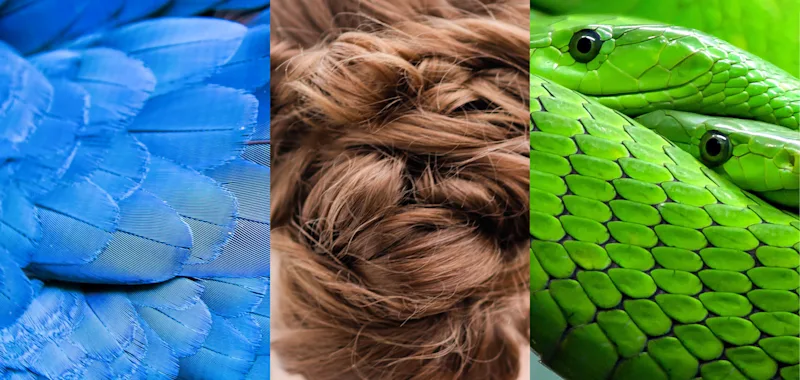
    Feathers, Hair or Scales: Not Much Difference

    Jul 18, 2023 · Candice Gaukel Andrews

    Feathers, hair and scales. While it might seem that there’s a lot of difference between these natural “coverings” on animals, they have more in common than you’d probably think. Despite their multitude of forms, all three of these vertebrate skin appendages share early developmental processes at the embryonic stage.

  • Nature & Wildlife

    Balancing Our Outdoor Desire with Wildlife Welfare

    Jul 13, 2023 · Candice Gaukel Andrews

    One of the best things about spending time in nature is spotting animals in their natural habitats, seemingly going about their lives as if we weren’t watching. It’s those brief glimpses into the wild that our souls seem to crave.

  • Conservation

    Abandoned Lands Could Be Biodiversity Boosters

    Jul 4, 2023 · Candice Gaukel Andrews

    Today, across the planet, hundreds of millions of acres of land are being abandoned due to what’s known as rural outmigration, or people leaving for urban centers. Some people leave their rural lives behind to seek economic prosperity in cities when agriculture is no longer profitable.

  • Nature & Wildlife

    Fireworks, Wildlife and the Environment Don’t Mix

    Jun 27, 2023 · Candice Gaukel Andrews

    Although the official midpoint of summer occurs on August 7 (because the summer solstice is on June 21), a lot of us consider the Fourth of July the season’s middle marker.

  • Nature & Wildlife

    Evaluating Animal Emotions and Quality of Life

    Jun 6, 2023 · Candice Gaukel Andrews

    Today, in what seems to be our never-ending search for happiness, we often describe our longings as the quest for “quality of life.” That idea and the coinage of that phrase, though, actually date back to the 1960s and 1970s, when they were often used in debates about social crises and social progress.

  • Nature & Wildlife

    Animal Sight Is Tied to Landscape

    May 30, 2023 · Candice Gaukel Andrews

    Animals see the world through all kinds of different eyes: from simple ones that can only tell the difference between dark and light, to complex eyes that can see colors and perceive depth. It was once thought that animals, including cats and dogs, could only see in black and white.

  • Nature & Wildlife

    Crisis Couple: Biodiversity Loss and Climate Change

    May 16, 2023 · Candice Gaukel Andrews

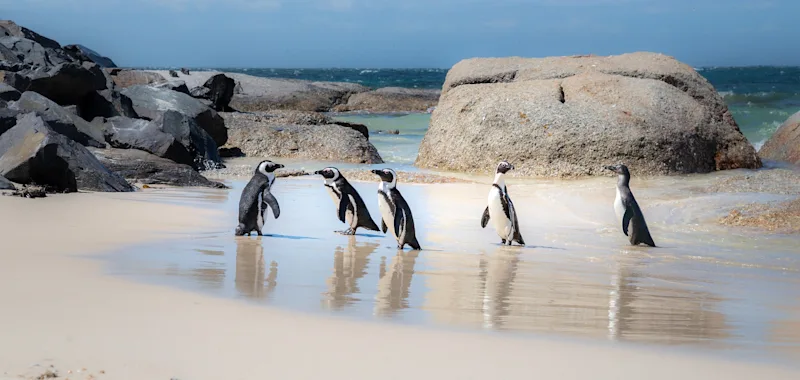
    Highly social and very vocal, African penguins are native to the waters of South Africa. But these endangered birds are now struggling to survive the human impacts and the unfolding climate crisis of the Anthropocene. However, their climate story goes back much further than our modern epoch.

  • Conservation

    Drones: New Wing Movements and Watching Wildlife Groups

    May 2, 2023 · Candice Gaukel Andrews

    Unmanned aerial vehicles (UAVs), also known as drones, don’t offer just a safer way for wildlife biologists to observe their subjects; they’re often less costly, more efficient and more precise than traditional approaches. While researchers are still navigating the challenges and complexities of mixing wildlife and drones, the technology holds incredible potential.