Good Nature Travel Blog

  • Travel Tips

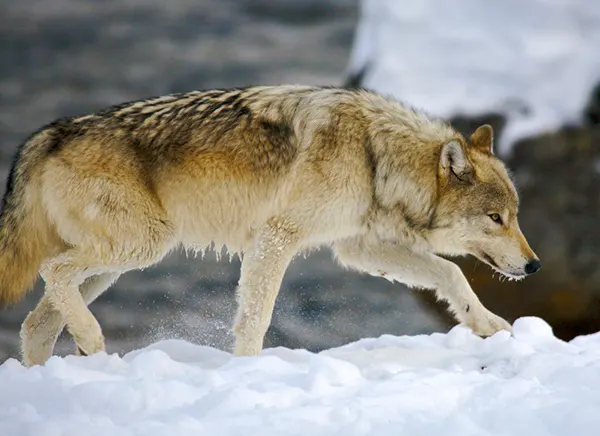
    How to Maximize Your Chances of Seeing Wolves in Yellowstone Country

    Sep 25, 2017 · Chris Kassar

    Three wolf pups with freakishly large paws roll around in a furry pile while adults sleep peacefully nearby. Wolf pack members tear apart a bloody elk carcass with calculated precision. A young male sheepishly wanders away after a failed challenge of the alpha male.
  • Nature & Wildlife

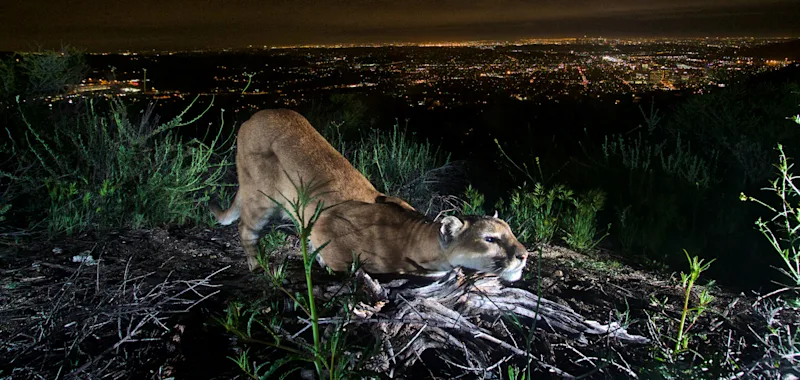
    Study Shows That Mountain Lions Fear the Sound of Human Voices

    Sep 19, 2017 · Candice Gaukel Andrews

    The largest wild cat in North America, the mountain lion—also known as a catamount, cougar, panther and puma—has powerful limbs and can leap as high as 15 feet and as far as 40 feet. That makes it an expert at attacking prey from behind. It also tends to make hikers in mountain lion territory wary.

  • Nature Photography

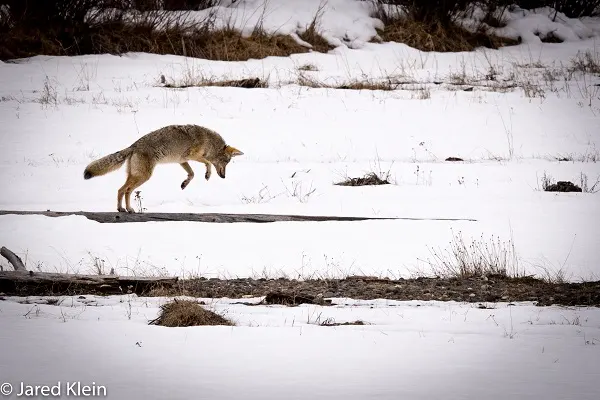
    Photos from a Winter Wildlife Safari in Yellowstone

    Sep 11, 2017 · Natural Habitat Adventures

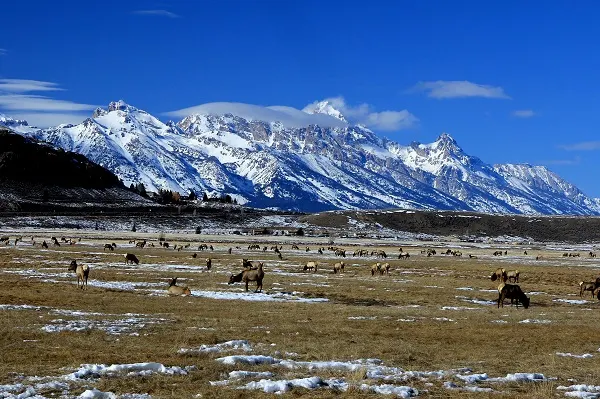
    Winter in Yellowstone offers excellent wildlife viewing and respite from the large crowds that visit the park in the summer months. The following images were captured by Nat Hab Adventure Specialist Simon Krejcik during a Yellowstone: Ultimate Wolf & Wildlife Safari.

  • News & More

    99 Percent of Us Want Our National Parks and Monuments Protected, but Downsizing Looms

    Aug 29, 2017 · Candice Gaukel Andrews

    In quiet places, we yearn for absolution. But peace swiftly flees. It’s not surprising that 99.2 percent of us want our national parks and monuments to continue to stand—or even grow—in their current sizes and statuses. Attendance records show that this year, we love visiting them more than ever.

  • Videos

    Video: First Bison Calf Is Born on Wind River Reservation

    Aug 3, 2017 · Candice Gaukel Andrews

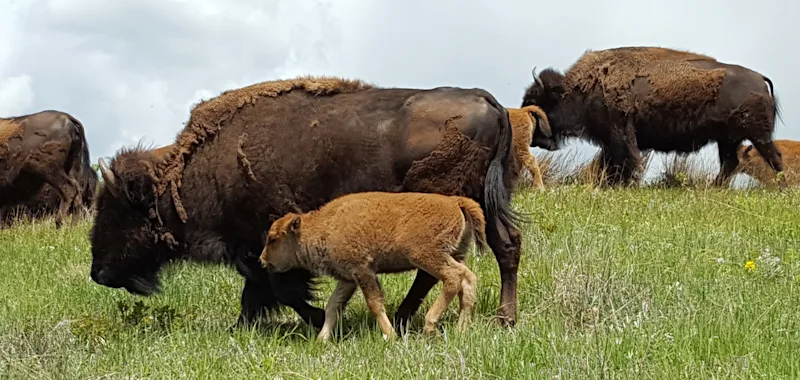
    Arapaho and Shoshone people on the Wind River Reservation in Wyoming—2.2 million acres of tribal lands—released 10 genetically pure bison on November 3, 2016. Imported from the Neal Smith National Wildlife Refuge in Iowa, these animals are the first to establish a wild herd there in 131 years.

  • Videos

    Video: The Lost California Grizzlies

    Jul 20, 2017 · Candice Gaukel Andrews

    Although prominently featured on the California flag, a wild grizzly bear hasn’t been seen in the state since the 1920s. In the early 1800s, about 50,000 grizzlies roamed between the Pacific Ocean and the Great Plains. In California alone, before the Gold Rush (1848–1858), there were probably 10,000 grizzlies.

  • News & More

    Greater Yellowstone Ecosystem Grizzly Bears Just Lost Federal Protections

    Jul 18, 2017 · Candice Gaukel Andrews

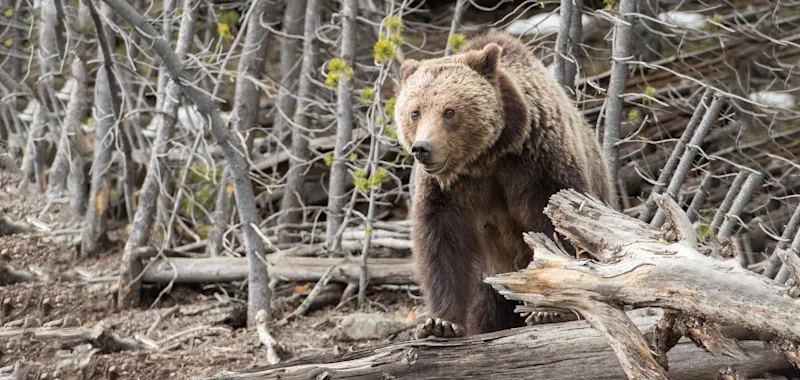
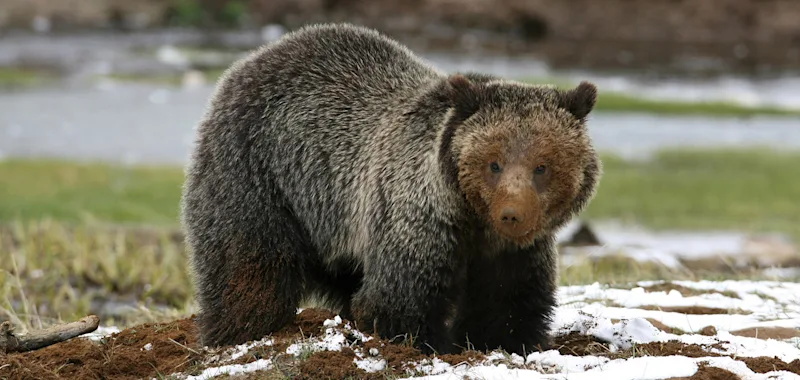
    Later this month, in late July 2017, Greater Yellowstone Ecosystem grizzly bears outside Yellowstone National Park and nearby Grand Teton National Park will lose their Endangered Species List protections. Jurisdiction over the bears will be handed over to Idaho, Montana and Wyoming. In general, that will mean fewer restrictions on killing the bears.

  • Travel Tales

    Traveler Story: Yellowstone Wolf Quest & Photo Adventure

    Jul 15, 2017 · Natural Habitat Adventures

    “On one of our last days in Yellowstone, we drove past Blacktail Pond, but were not very hopeful about activity there. Earlier, we had seen a grizzly bear eating the carcass of a bison that had fallen into the pond and died after being unable to get out.

  • Nature Photography

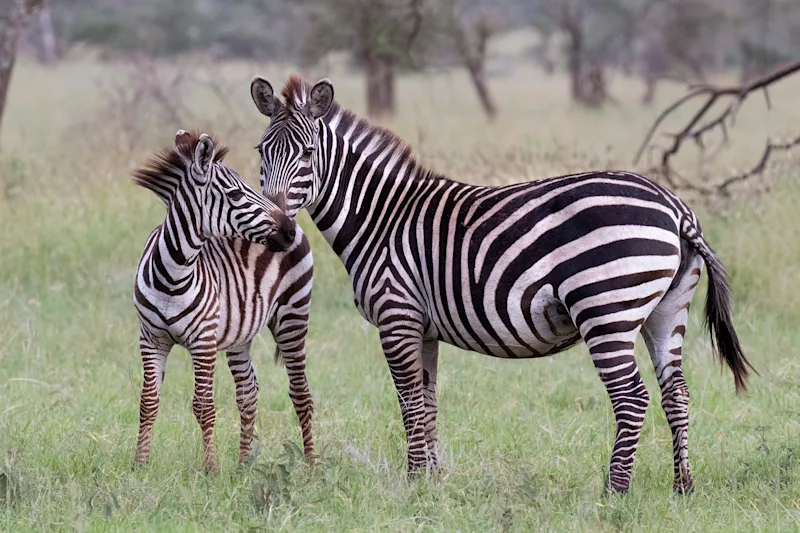
    Wildlife Photo of the Week: Nuzzle

    Jun 30, 2017 · Kendal Bower

    Every Friday, we choose our favorite photo of the week from our Wildlife Photo of the Day website. This week we chose a loving scene out of Serengeti National Park. Photographer Steve Grodin was on safari in Tanzania when he took this photograph of a mother and her young nuzzling one another.

  • News & More

    Quickly Losing Protections: Our Birds, Lands and Oceans

    Jun 20, 2017 · Candice Gaukel Andrews

    One hundred and eleven years ago, the American Antiquities Act of 1906 was passed. It authorizes the president to designate federally managed lands as national monuments in order to conserve important archaeological, historic and scientific sites.

  • News & More

    “Going Rogue” for the National Park Service, Science and Trees

    May 16, 2017 · Candice Gaukel Andrews

    Going rogue. Since 1835, that phrase has been used to describe elephants that exhibit violent behavior, whether through injury or from being separated from their herd. Decades later, when applied to humans, the term came to denote conduct that was erratic or dangerous.