Inside Antarctica: Penguins, The Stars of the Show
A question I like to ask people when we are heading southward to the last great wilderness is “why are you here”? Of all the answers, the most common reasons people choose an Antarctica cruise is to see penguins. They are undoubtedly the stars of the show.
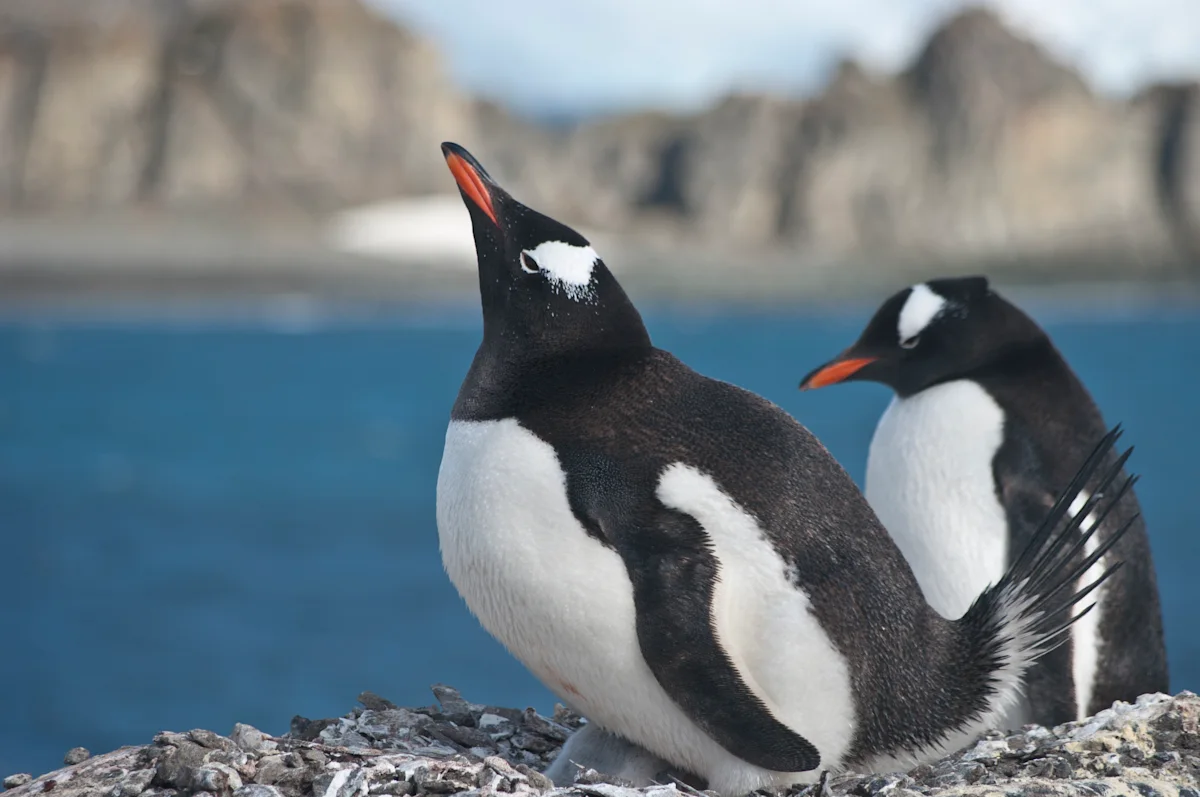
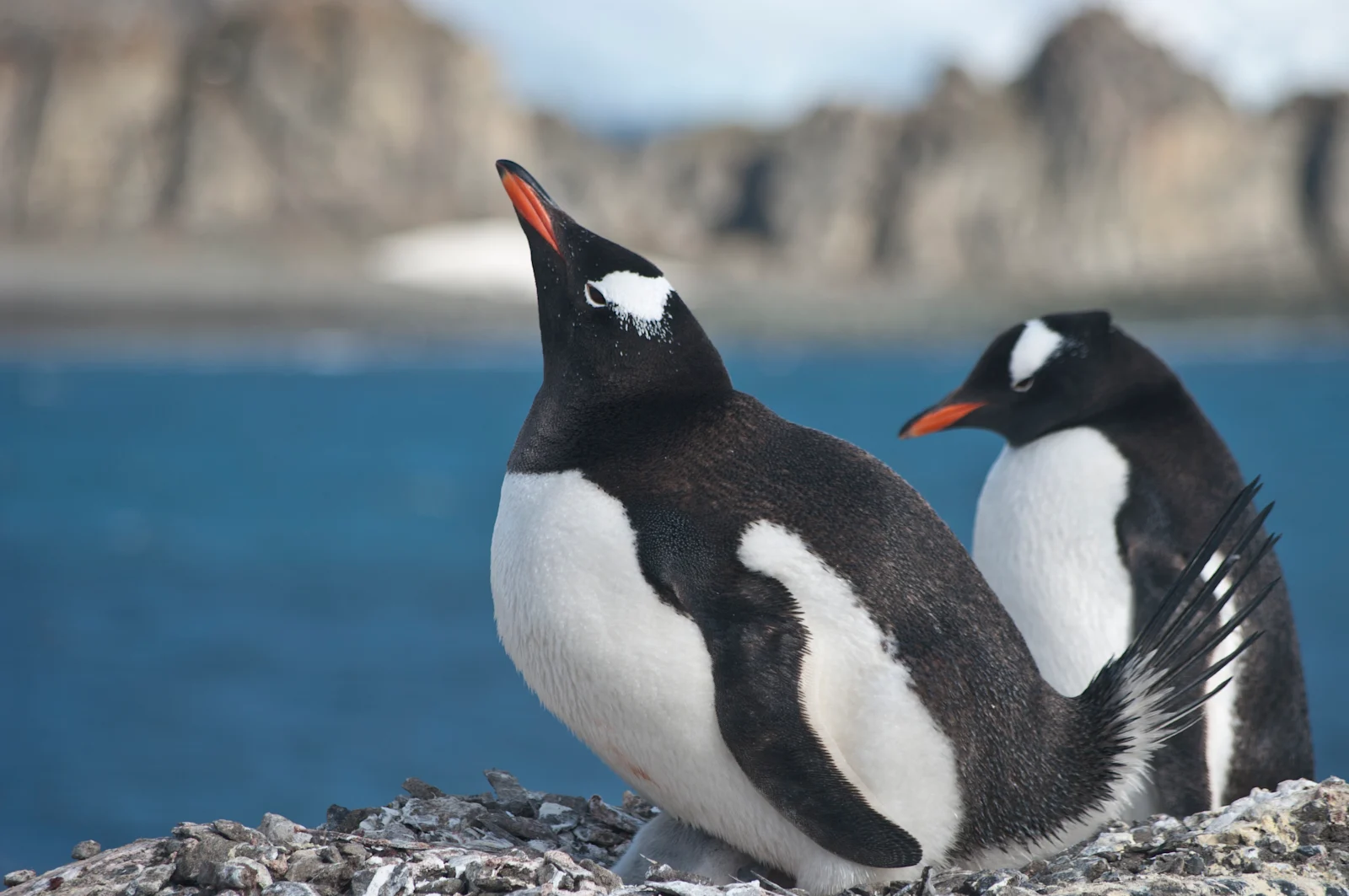
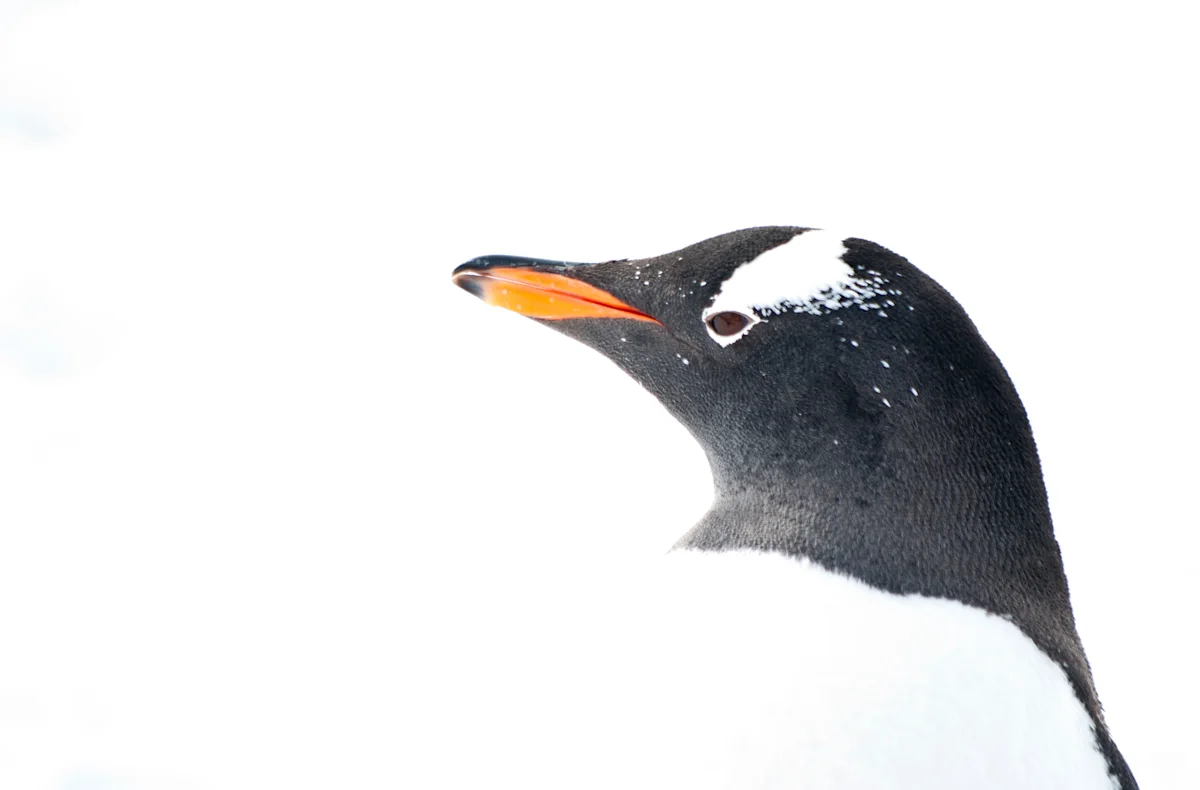
As the breeding season begins and the ice recedes, the penguins show up on the White Continent en masse. It starts with the Adelies walking great distances across Antarctica’s ice to find the best breeding sites. The Chinstrap and Gentoo penguins soon follow suit when the ice recedes some more. The first to the colony gets prize pick of breeding sites. The Chinstrap penguins head for the hills in hopes of honing their mountaineering skills to get to the first snow-free part of the hill, while the Gentoos basically just take any spot they can find. By November, the penguins are in full swing with the construction of their nests—and in turn, the de-construction of their neighbors’ nests—as they steal stones from left, right and center. You can sit for hours just watching a penguin get up to waddle over to another nest and pester the owner until finally he lets his guard down for enough time to snag that prized stone. The penguin walks back with his head held high for all to see the stone he stole, only to find out that while he was gone from his nest, three penguins had robbed him! It’s the three stooges in penguin form.
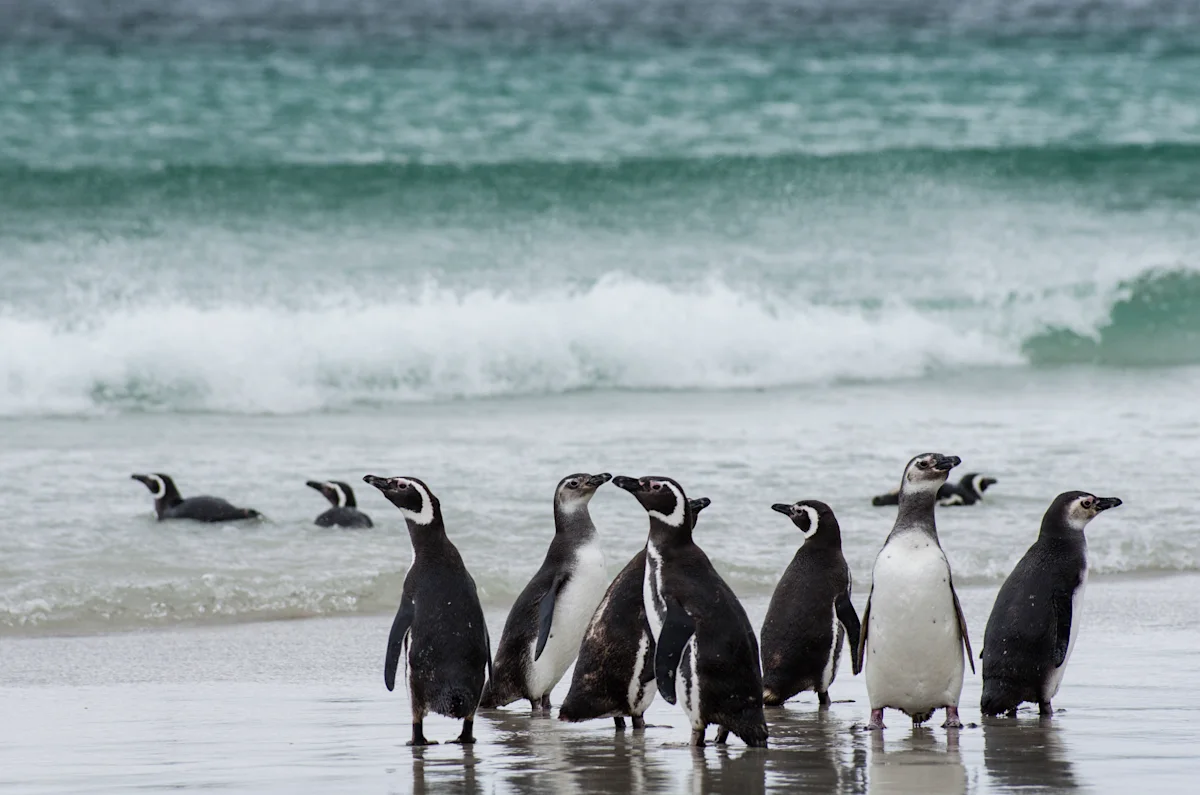
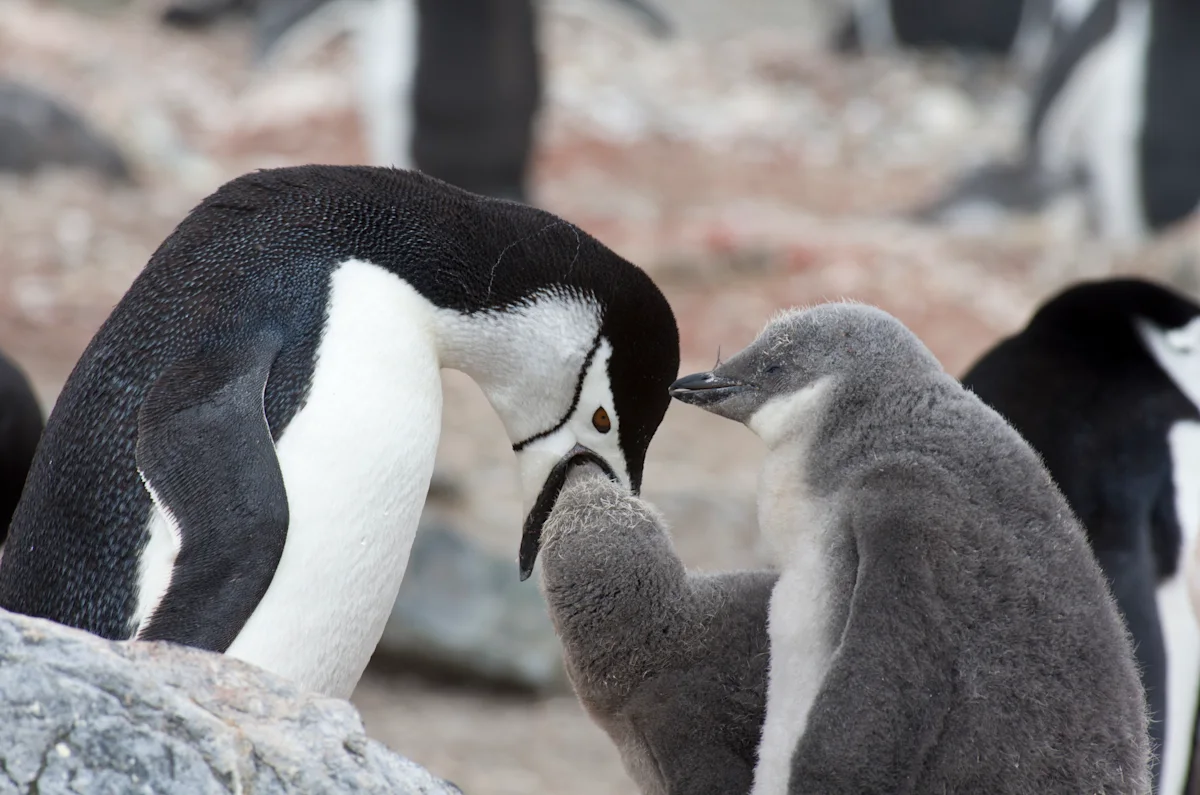
As the season progresses, the newborn stage begins: the excitement turns from the adults to the chicks. If you are lucky, there could be the occasional penguin born as early as Christmas (what a Christmas present that would be!), though usually it’s more likely to be around New Years that the chicks hatch. They start as this tiny ball of feathers and beak that fits very nicely under the penguin. As the parents take turns feeding the chick, it grows at an astounding rate.
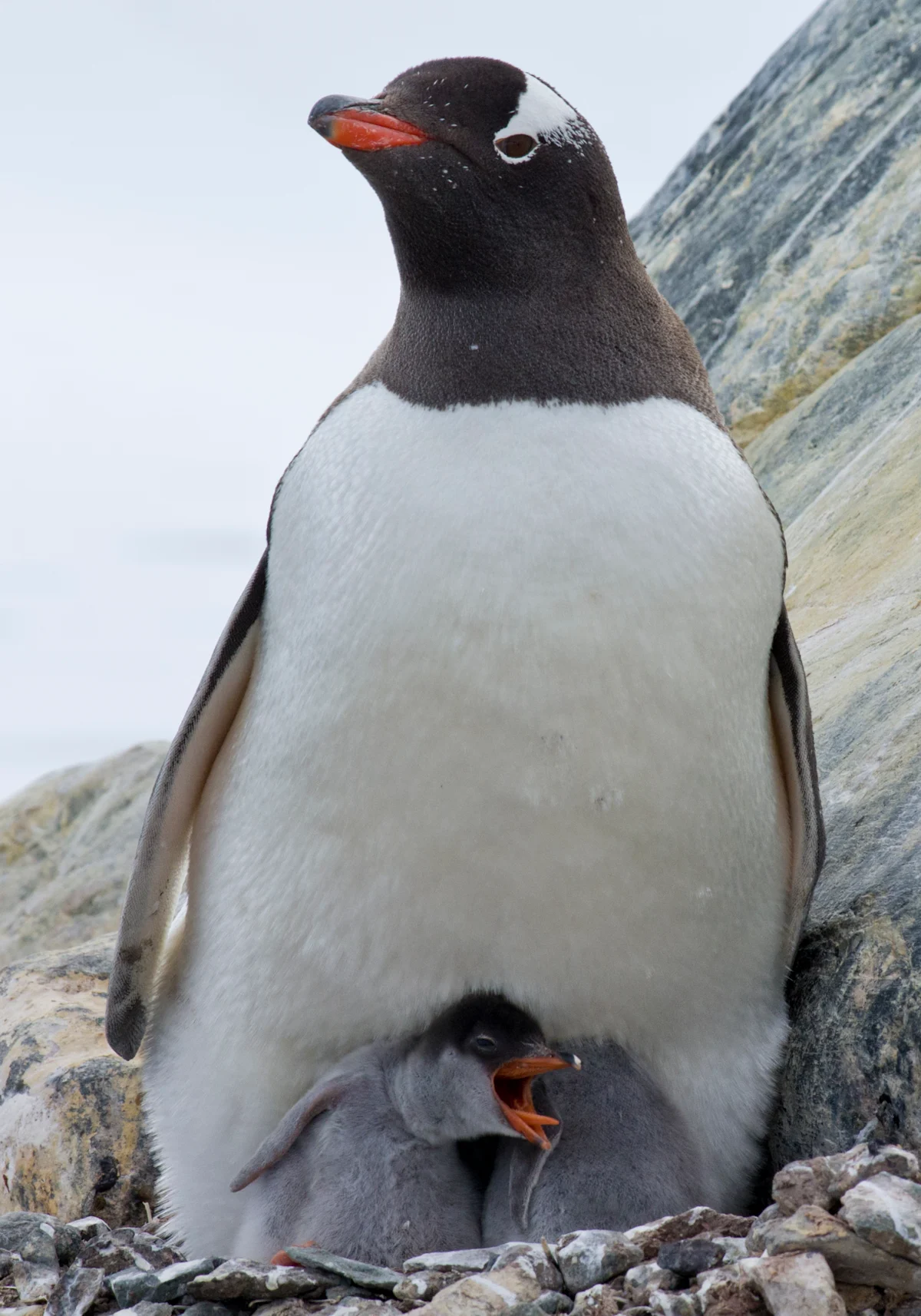
By the time a month has passed the chicks have reached childhood and weigh in at just under half the size of their parents. They no longer fit nicely under the warmth of their parent and are now exposed to cold and skuas (large, brownish predatory seabirds). The action around the colony is non-stop. Penguins, opens in new tab coming in with fresh, tasty, regurgitated krill and finding their chick amidst a chaos of movement, noise, and….smell. (The smell will stick with you well after your Antarctica adventure, opens in new tab is over; especially if you pack away that nice fleece sweater and let it sit in a bag for a few days!). The chicks will still stick very close to the parents and the nest, rarely exploring more than a foot or so from the nest.
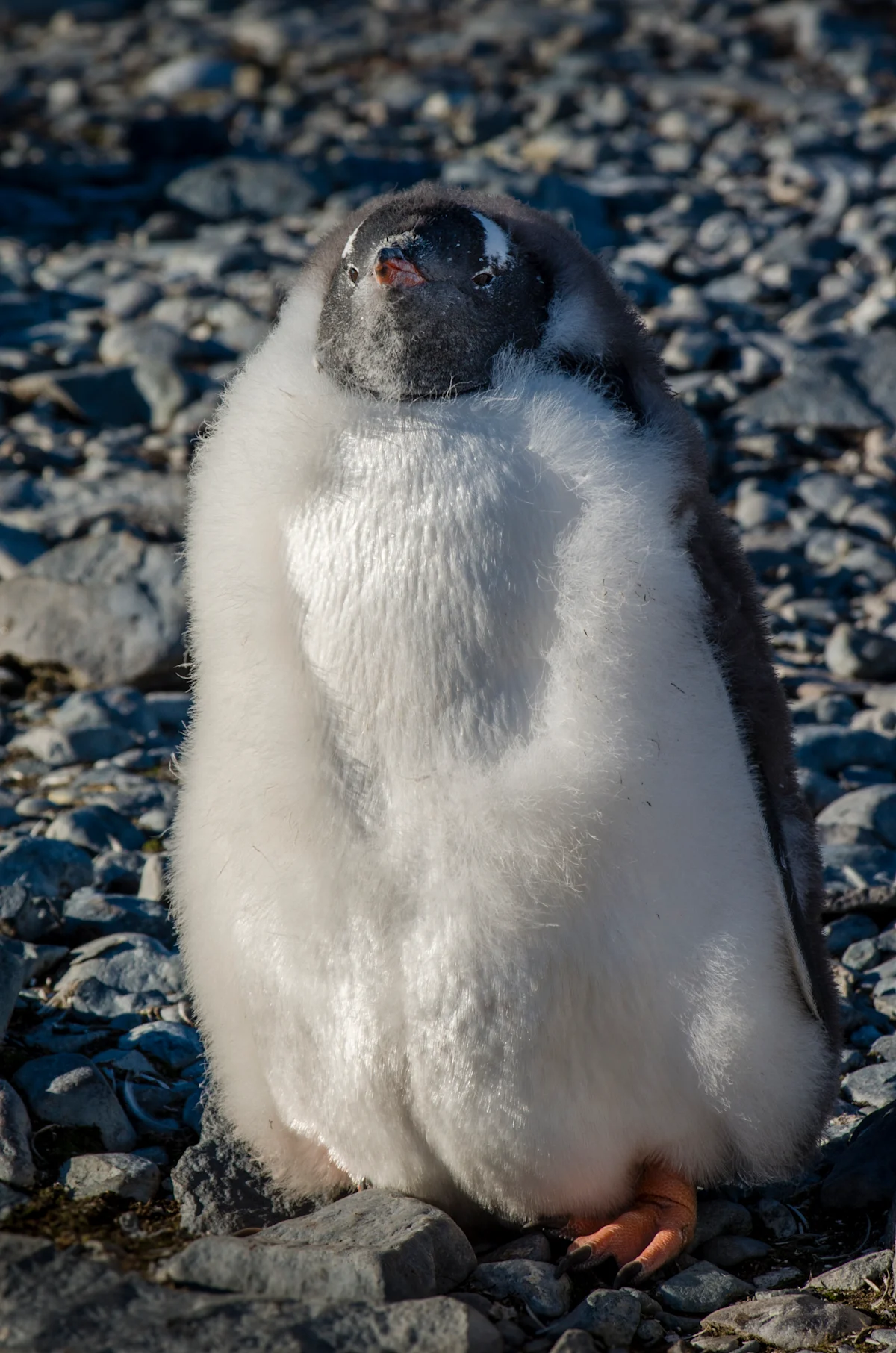
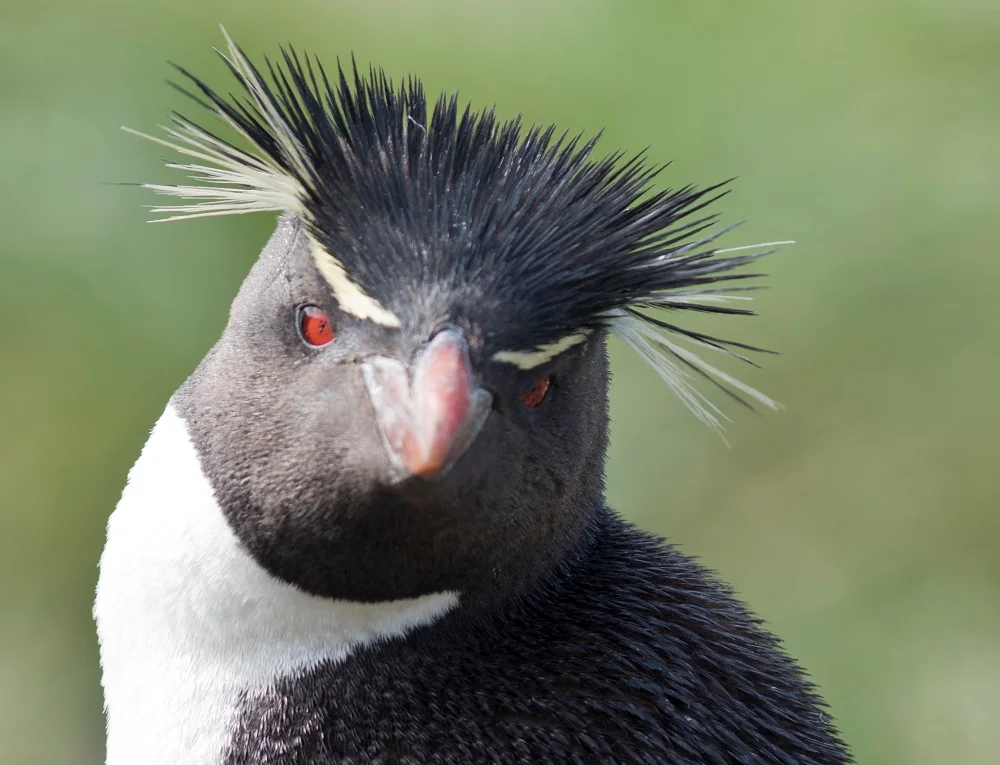
By early February, some (if not most) of the chicks are now surpassing their parents in size. The teen stage beings. They are now awkward, massive balls of feathers with feet. They begin forming crèches as a fun way to hang out, and for protection from skuas (safety in numbers). They have also taken the habit of chasing any penguin that even resembles their parents in hopes of getting food out of them. If you are lucky enough, a few of them might even try to get some food out of you! They are exploring a new world outside of their front yard. When they start molting into their first waterproof feathers they get these wild hair-dos (as teens often do) and become quite adventurous with their explorations.
Once the chicks are old enough to fend for themselves, the parents won’t wait around for empty nest syndrome to kick in. They head for the food source to bulk up for the coming molt. Once the adults start their molt they won’t eat for up to a month, and boy do they ever look grumpy by the end of it (you would be too!).
The stars of the show keep performing from the beginning of the season right through to the end. In the water and out of the water, on nests or icebergs, they are always a simple entertainment that never gets old. Even after years of coming down here, they don’t cease to amuse me.
Here’s to finding adventure in the poles and beyond,
Nate
Is seeing penguins in Antarctica on your bucket list? Click the button below to see the different Antarctica cruise itineraries we offer!

See all of Nate’s nature photography at www.natesmallphotography.com, opens in new tab.