

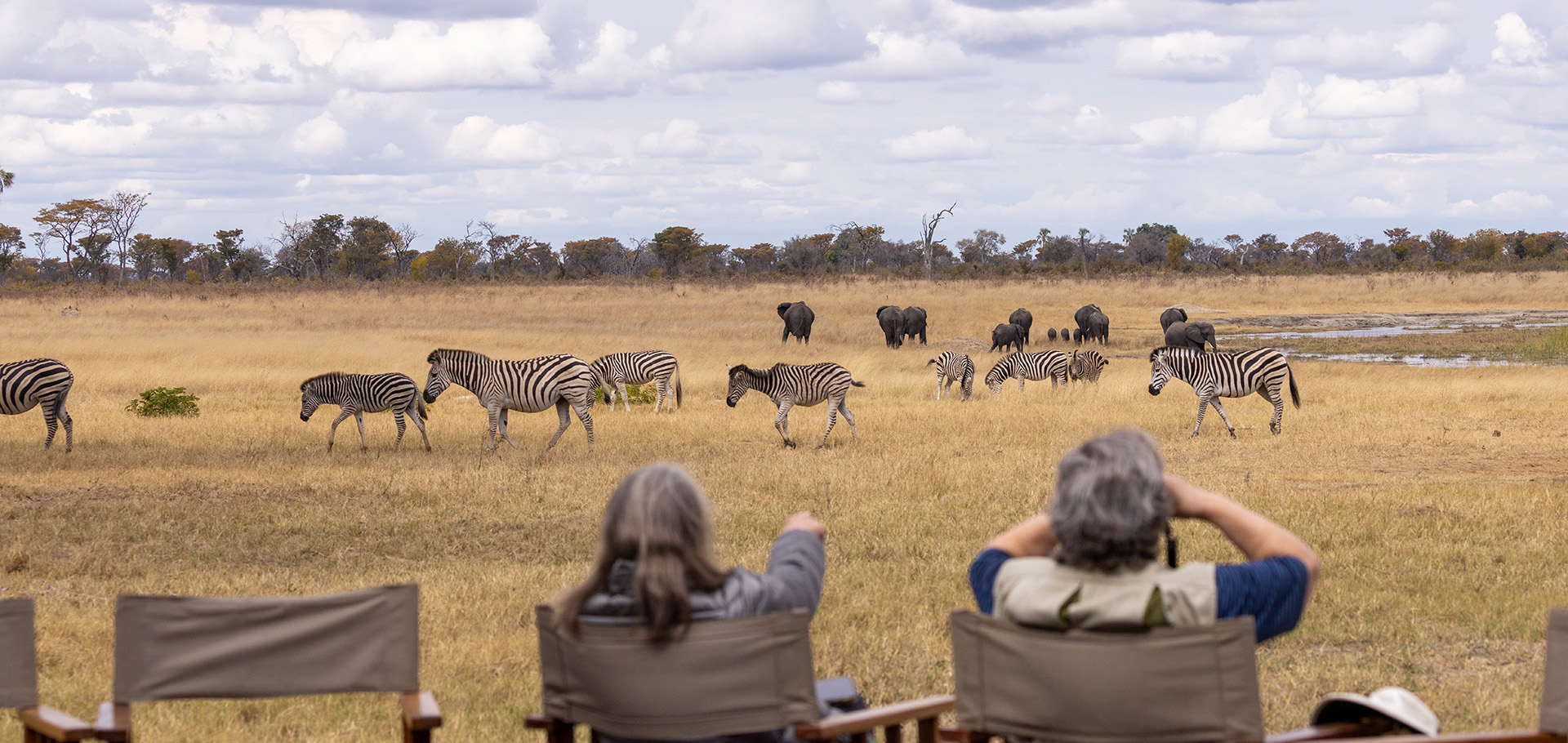
Since I was a toddler, I remember my mom expressing one dream for herself: to go on safari in East Africa. My heart would lift every time she talked about elephants, because I could see how she lit up. But as the years went on, I slowly realized why she said it so easily: she believed it would never happen. There was no risk in dreaming out loud if it felt impossible. To her, it was like saying she wanted to go to Jupiter someday.
She was 76 when I told her I was taking her on safari—not just to Africa, but on a private trip to witness the Great Migration.
Even after everything was paid for, it took months for her to accept it as real. But once she did, she threw herself into it. Her refrigerator filled with printouts of the animals she hoped to see. She changed her Facebook profile photo to a lilac-breasted roller. She laid her suitcase across the guest-room bed and started packing two full months before we left.
At the Airport in Arusha, Everything Changed
For me, I’ll be honest, this began as just another trip. I’ve worked as a full-time travel writer for 15 years and I’ve been to every continent, including multiple safaris in East Africa. I’d also had a rough stretch personally, and a part of me wanted nothing more than to stay home in Patagonia, quiet in my garden hammock with a book and a glass of lemonade.
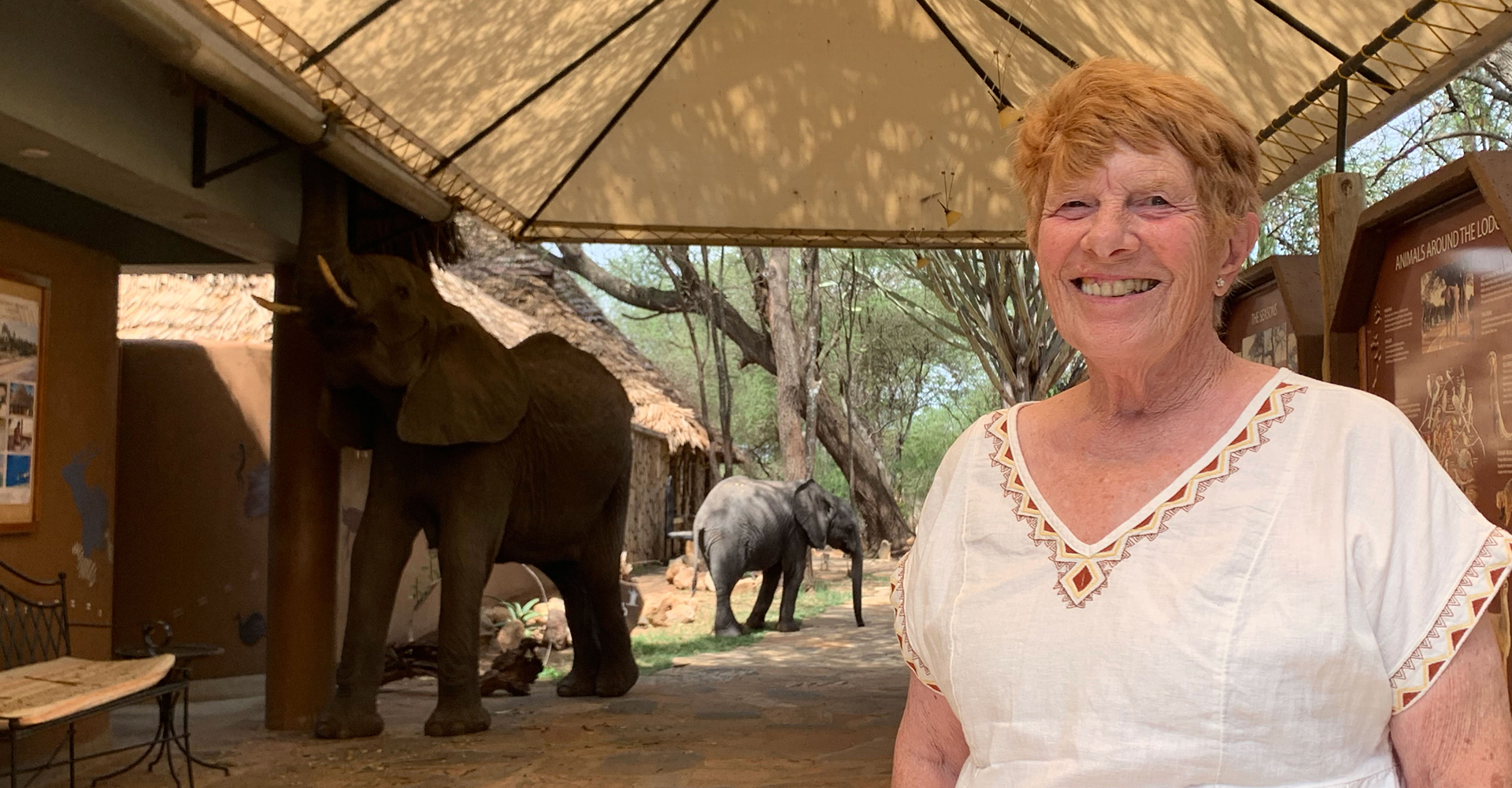
But when we met up at the airport in Arusha, I saw my mom differently than I ever had before.
Her eyes sparkled with joy. She found delight in everything—from how fun it felt to say “jambo,” to asking our driver to stop just down the road so she could take a photo of her very first roadside donkey. She didn’t just laugh. She giggled, bright and unguarded.
And in that moment, I realized something that startled me: I was watching my mom fully engage with life. Not rushing through it, not bracing for the next hard thing, not holding back. Just living it, openly, with wonder.
It was worth every penny. I knew I would carry that version of her with me for the rest of my life.
Serengeti National Park and the Great Migration
The Serengeti Plains left her speechless. This is the Tanzanian side of the vast Mara-Serengeti ecosystem, and Serengeti National Park is roughly the size of the state of Maryland. It’s also one of the main corridors for the Great Migration, when more than 2 million wildebeest, zebra and gazelle move in a sweeping seasonal circuit—followed, of course, by predators—across an approximately 1,800-mile route between Kenya’s Maasai Mara and Tanzania’s southern Serengeti.
My mom loves her predictable home routine: her own bed, familiar meals, and an early bedtime. But in the Serengeti, she never wanted the day to end. After dinner, she stayed up late beneath the stars, watching the dark silhouettes of animals pass in the distance. She slept under canvas like it was better than any luxury hotel room, and honestly, for her, it was.
A Tented Camp, a Plunge Pool and a Moment I Didn’t Expect
One afternoon we were sipping chilled white wine in our private plunge pool at Lemala Nanyukie—surrounded by granite kopjes—when it hit me in a way I hadn’t fully felt before.
So many of my experiences, so many of my opportunities, happened because she sacrificed for me. While I traveled the world for work, she was often the one holding everything together back home. Watching my three kids. Showing up, again and again, without asking for recognition.
I had always known it logically. But there in Tanzania, watching her relax so completely, I understood it in my chest.
And I wished, fiercely, that I had made this trip happen for her sooner.
The Big Five and Close Encounters with Lions
Before the trip, I think she was hoping to see a zebra or two—and maybe an elephant if she got lucky. That alone would have made her happy.
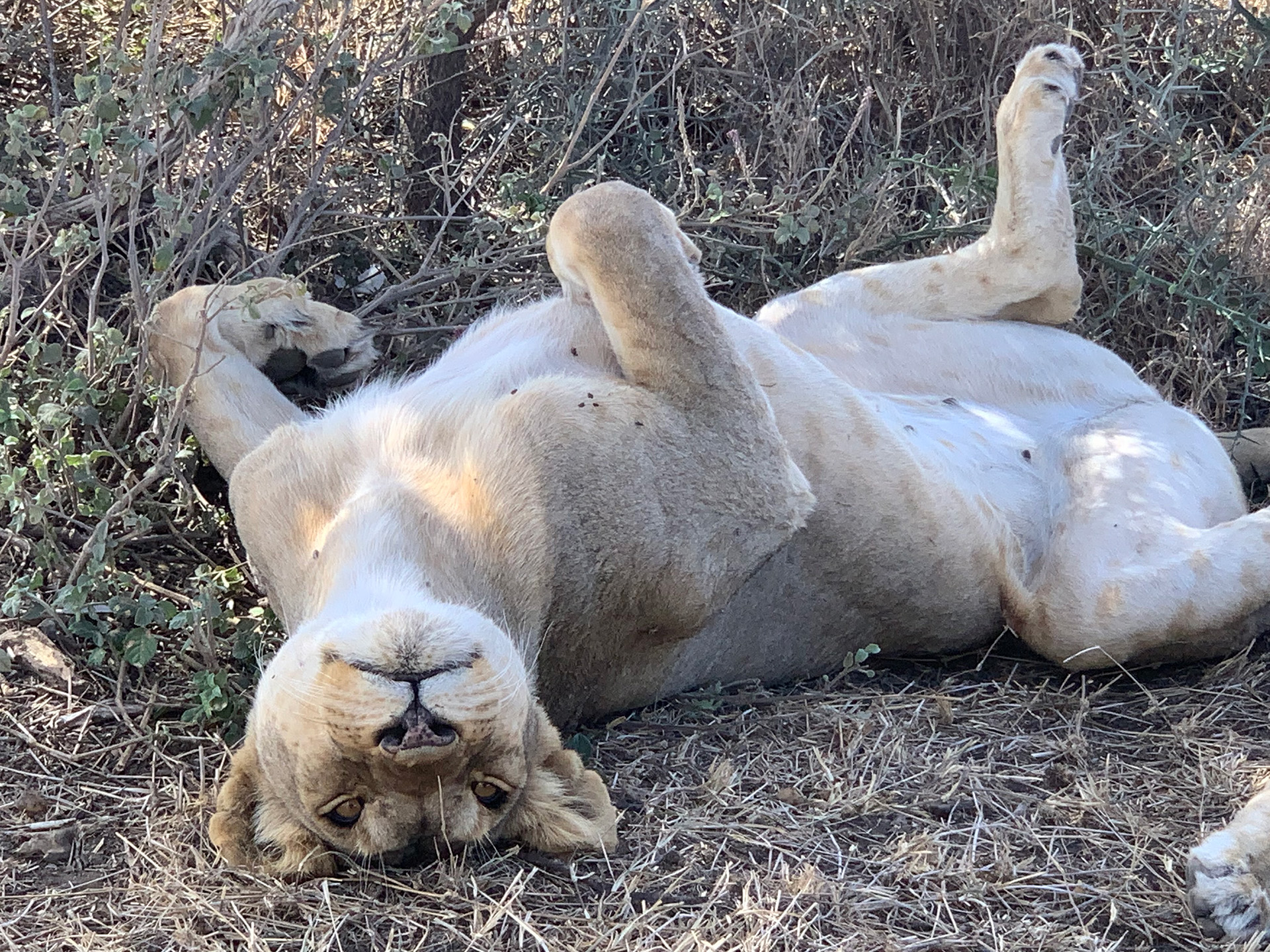
But within our first three days, we’d seen the Big Five, and in droves. Especially lions.
We watched cubs tumble through the grass while their mother was temporarily away. We saw a lion take on an entire herd of buffalo to isolate a wounded animal—an hours-long scene that felt like it belonged in a BBC documentary. We even had lions approach close enough to our parked 4×4 that it felt unreal (and no, of course we didn’t reach out to touch them—for safety, ethics and plain common sense).
These kinds of encounters still thrill even seasoned safari travelers. So imagine my mom, whose typical excitement at home is getting squirrels to eat from the correct feeder instead of the bird feeder.
Ngorongoro Crater: Wildlife Within a Volcanic Caldera
From the Serengeti, we traveled toward the Ngorongoro Conservation Area, climbing to the crater rim at about 7,300 feet before descending to the crater floor.
Inside the steep, 2,000-foot walls of the world’s largest unbroken volcanic caldera, wildlife thrives around permanent water sources. Roughly 25,000 animals live within the crater, including endangered black rhinos. Birdlife is equally abundant, with flamingos gathering across soda lakes in wide, luminous bands of pink.
Tarangire National Park and the Elephants She’d Dreamed About
But from the start, I knew her favorite animal in the world was the elephant. That’s why I included Tarangire National Park.
Tarangire is sometimes called the “Baobab Capital of the World,” but what makes it unforgettable is the scale of its elephant herds. It’s not uncommon to see groups of 300 or more, moving across the dry riverbed and digging for underground streams.
I didn’t tell my mom ahead of time. I wanted the surprise.
Why This Trip Meant More Than Wildlife Sightings
My mom didn’t just come home with photos of lions and elephants. She came home changed.
Her world grew larger than she’d ever believed it could. She tried unfamiliar foods. She practiced new words. She stayed flexible when plans shifted. She proved to herself she could adapt, even in her seventies.
And a month after returning home, that spark still hasn’t faded. It’s still there in her, brightening the way she moves through the world.
Before this trip, she would have dismissed the idea of destinations she called “exotic,” like Nepal or Madagascar. Now, at 76, when someone mentions somewhere new, she simply smiles and says, “Why not? Let’s go!”
She reminded me that travel isn’t just about collecting photos or stories. It’s a way of widening your life.
If you still have a parent who’s healthy enough to travel, I hope you’ll consider going. Not because it’s easy or convenient, but because it gives you a rare gift: time together, fully present, in a world that asks us to rush past everything.