

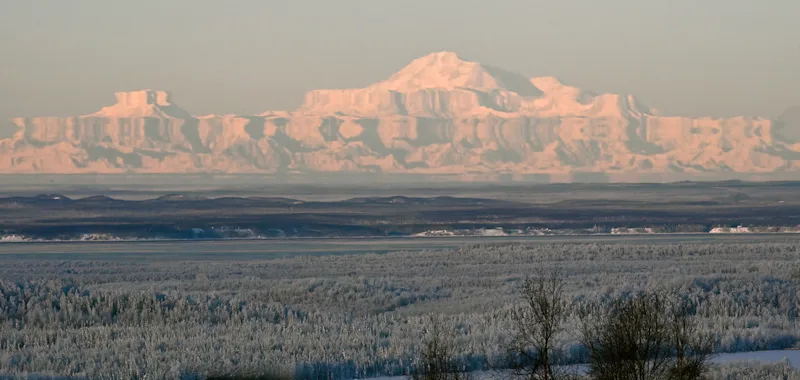
Video: Fata Morgana Over a Newfoundland Iceberg
We’re all familiar with the concept of desert mirages, a naturally occurring optical phenomenon in which light rays are bent to produce a displaced image of the sky or distant objects.
344 stories
We’re all familiar with the concept of desert mirages, a naturally occurring optical phenomenon in which light rays are bent to produce a displaced image of the sky or distant objects.
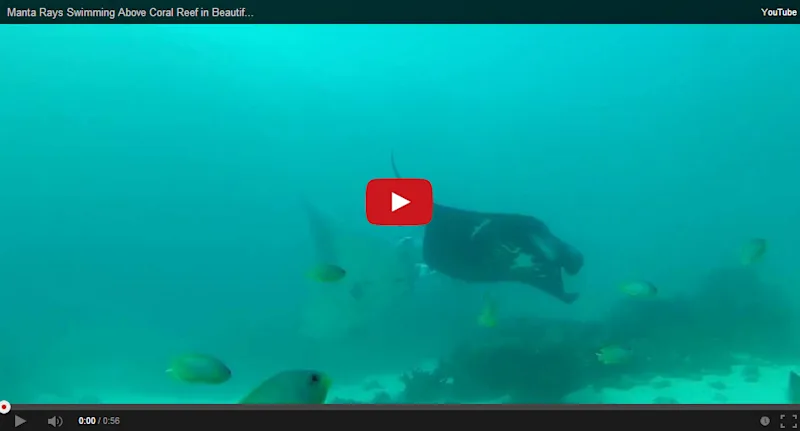
Watch manta rays “dance” gracefully above coral in Raja Ampat. The Raja Ampat Archipelago in Indonesia’s West Papua province has the wo ld’s greatest concentration of marine life for a region of its size.
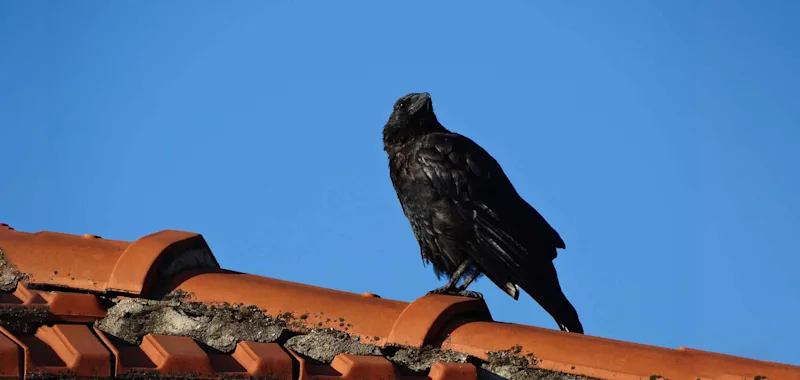
The intelligence of crows has been well documented by researchers, and it seems that we’re constantly amazed at their abilities.
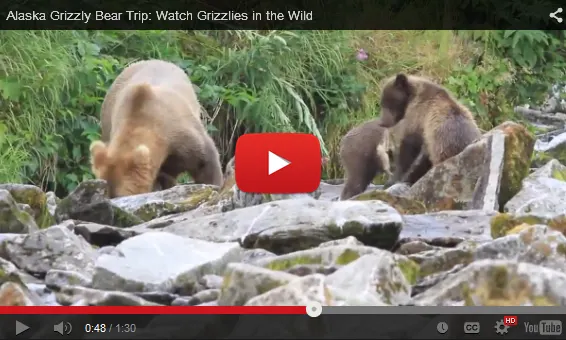
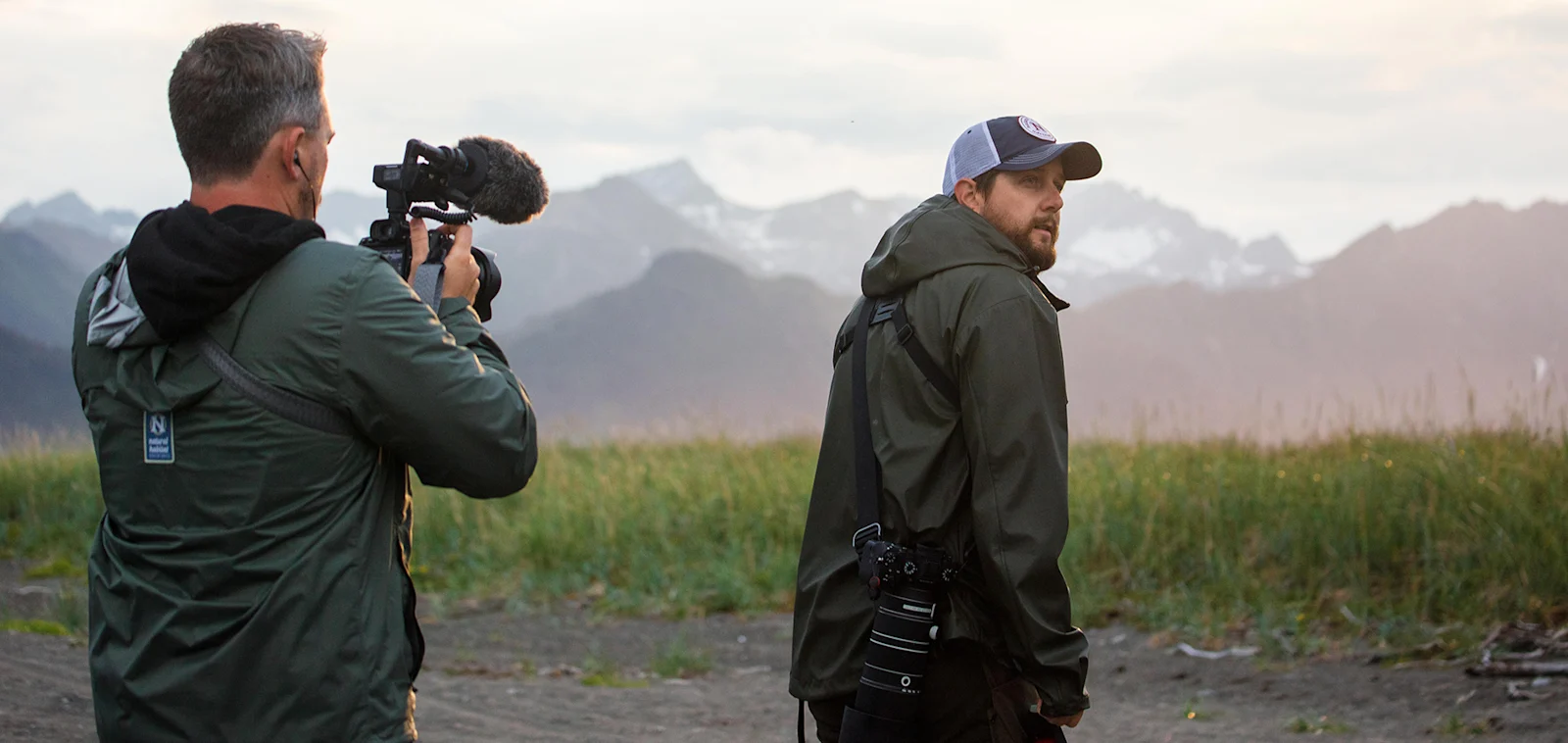
Have you heard how close our groups get to the grizzly bears on our Coastal Alaska Grizzly trips? Within mere feet! And it’s not from the window of a safari vehicle, it’s on foot. I didn’t believe it when I first started working at Nat Hab…that is, until I saw video footage of it!
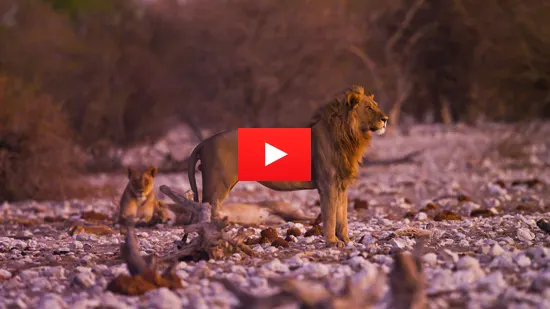
Living with wildlife can be dangerous. However, Namibians are committed to their protection because responsible tourism and national pride make his wildlife worth more alive than dead. “The Guardians” tells the story of Jantjie Rhyn, a farmer directly involved in conservation, guarding Namibia’s legacy and his family’s future.
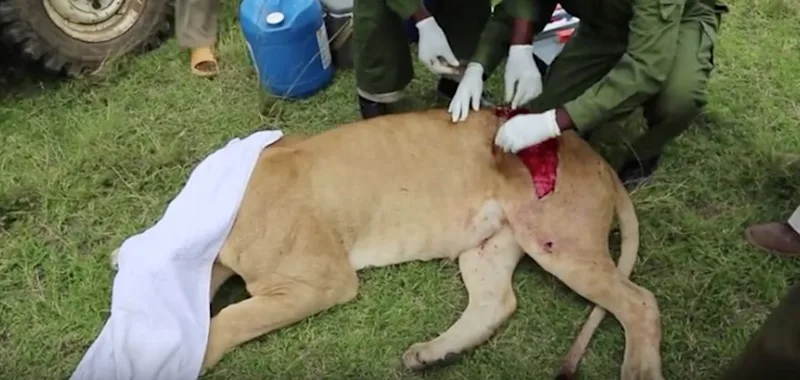
While it’s never been easy to make your living as an animal in Africa, wildlife presently residing there face even more challenges than their ancestors did. For example, in the last four months in Kenya alone, poachers have killed 18 rhinos and 51 elephants.
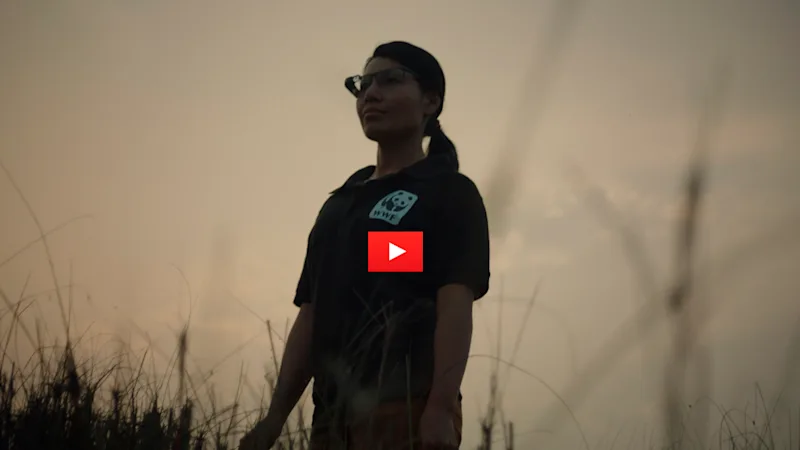
WWF has actively been looking at how technology is transforming conservation. As a Google Glass Explorer, WWF has started to test Field Notes, a tool biologists can use to record field data hands-free. Watch this video as WWF-Nepal senior research officer Sabita Malla journey’s through Chitwan National Park, monitoring rhinos with Google Glass.
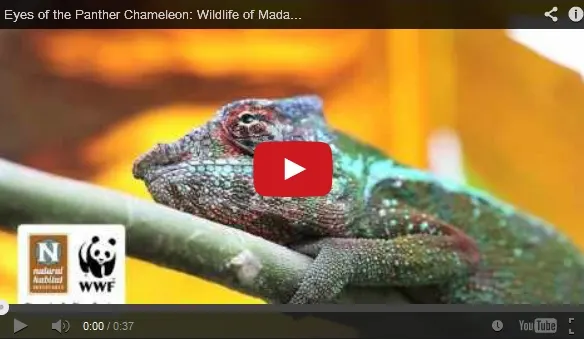
While on a trip to Madagascar, NHA Conservation Travel Specialist Court Whelan captured some beautiful video footage of Madagascar’s mammals, reptiles, and insects. Watch these 30-second clips starring the wildlife of this biodiverse African island nation. Lemurs, chameleons, and giraffe beetles are all species you’ll see on our Madagascar Wildlife Adventure trip!
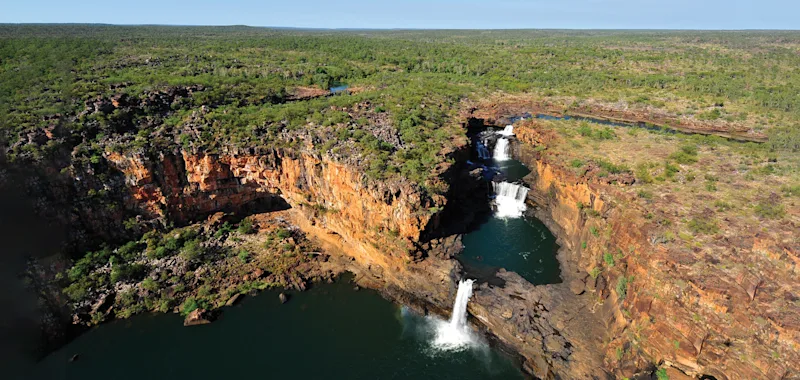
The recent popularity of GoPros and other helmet cameras have certainly given us some amazing footage of the natural world, the likes of which have never been viewed before. Now, it seems, an eagle in western Australia has picked up on the trend.
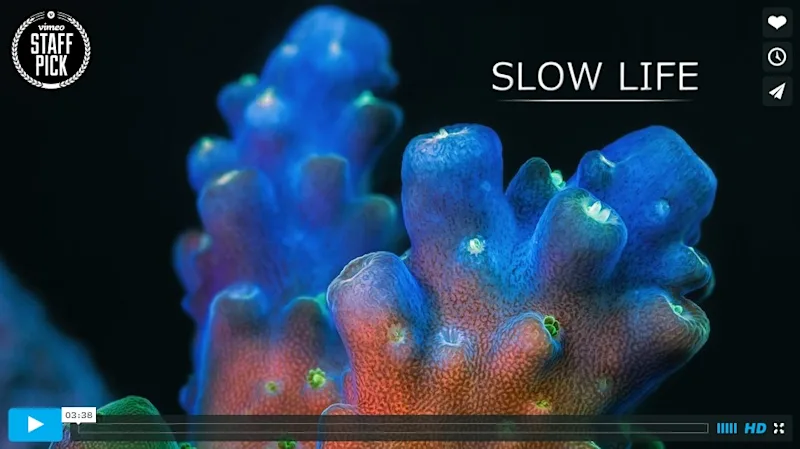
I recently came across one of the most stunning time-lapse videos I’ve seen in a while titled Slow Life. Daniel Stoupin, a Ph.D. student from the University of Queensland in Australia, made it by taking a series of photographs over a period of nine months.
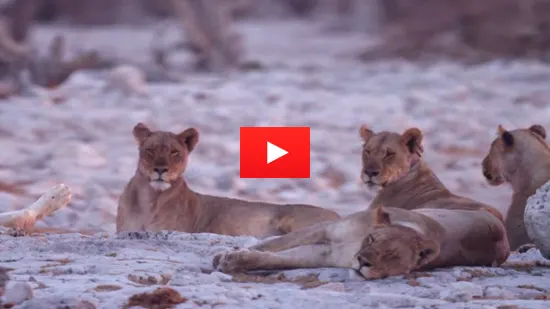
“Pride of Namibia” tells the story of communities committed to protecting wildlife, of a nation that has enshrined conservation into its constitution, and of the future of responsible travel – tourism that directly benefits the people who give wildlife freedom to roam. Travel to Namibia with WWF and NatHab.
Drones. The word conjures up reconnaissance missions and surveillance—even, perhaps, missiles and bombs. Like something out of a science fiction novel, these unmanned aerial vehicles (UAVS) are controlled either by “pilots” from the ground or a preset program. Increasingly, however, drones are being employed in more peaceful projects.