

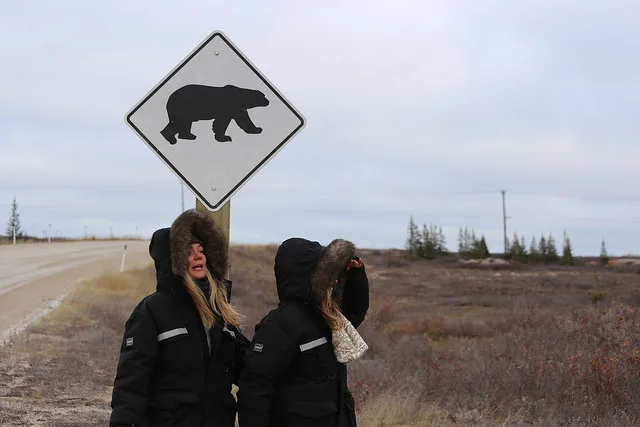
My Week with Polar Bears
This is a guest post by Alicia Smith, Programs Marketing Manager at World Nomads. Alicia recently returned from a polar bear tour with Nat Hab and WWF. Walking home from dinner I have never felt so alert.
709 stories
This is a guest post by Alicia Smith, Programs Marketing Manager at World Nomads. Alicia recently returned from a polar bear tour with Nat Hab and WWF. Walking home from dinner I have never felt so alert.
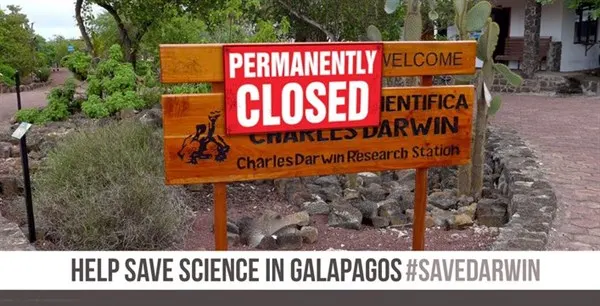
Late last week we learned that the Charles Darwin Research Station (CDRS), which is operated by the Charles Darwin Foundation, may close permanently by the end of the year due to a financial shortfall and an ongoing feud with the municipality of Puerto Ayora, where it is located.
If you are interested in the Galapagos Islands, curious or concerned about climate change, or just love great writing about nature, run (don’t walk), to pick up the November/December issue of Audubon Magazine. Or, if you don’t feel like running, just keep reading and click on the links below.
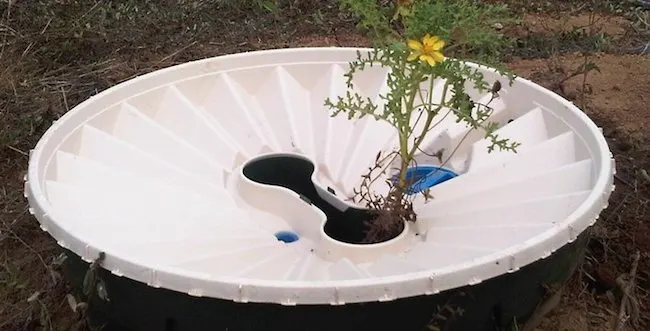
Native vegetation in many parts of the Galapagos Islands has been largely destroyed by introduced animals such goats and donkeys and invasive plants like wild blackberry and quinine. As a result, large swaths of once healthy ecosystems have either been turned into desert or have become overgrown with foreign and destructive vegetation.
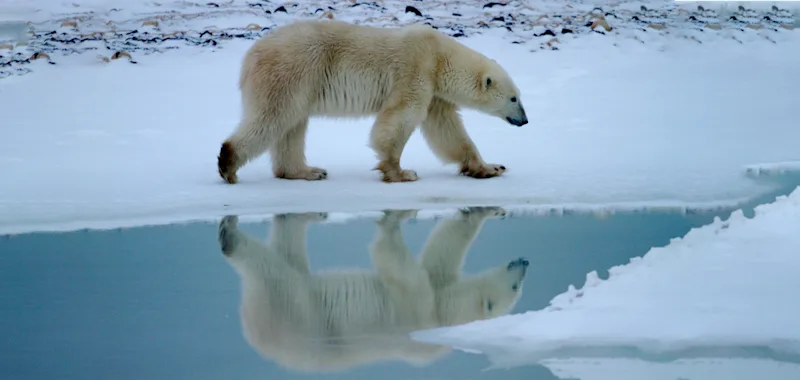
From the tiny monarch butterfly to the immense wildebeest of Africa, many of the world’s animal species take on great migrations. Those epic travels may involve seasonal journeys of thousands of miles, traversing multiple countries. For them, our human political boundaries have no meaning.
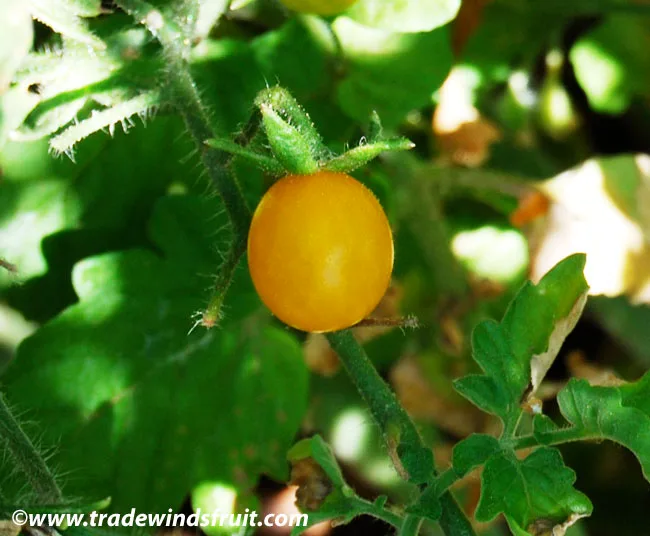
When most people think of the Galapagos Islands, they understandably envision its remarkable and iconic animal life; massive lumbering tortoises, prehistoric looking marine iguanas, comical blue-footed boobies, and the like. But the plant life of the Galapagos is no less intriguing and obviously a critically important element in the unique ecosystems of the islands.

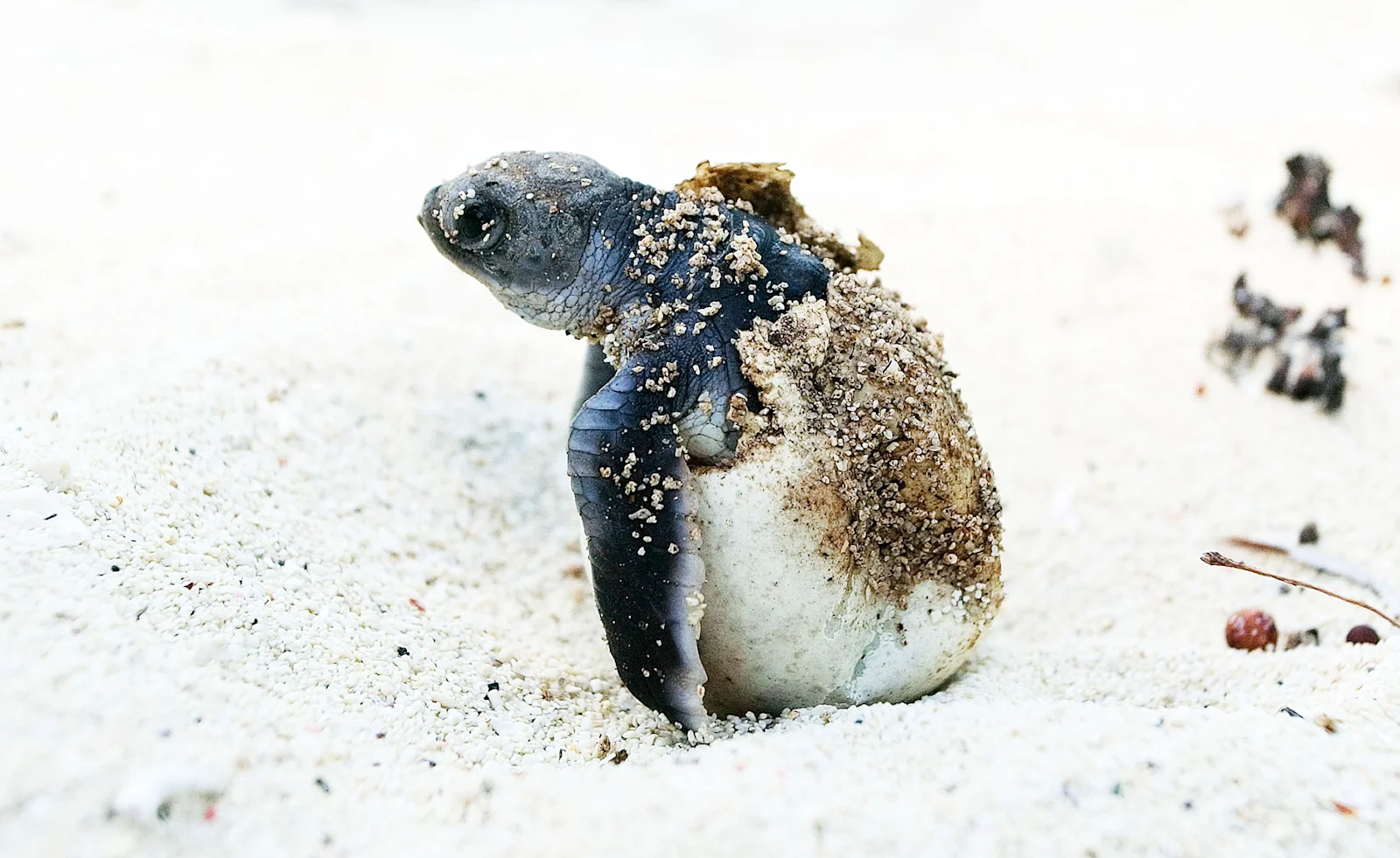
And now for some good news. Conservationists announced yesterday that the Espanola giant tortoise has been brought back from the edge of extinction. There were only 14 of them left on the island in the 1960s. Today there are around 1,000.
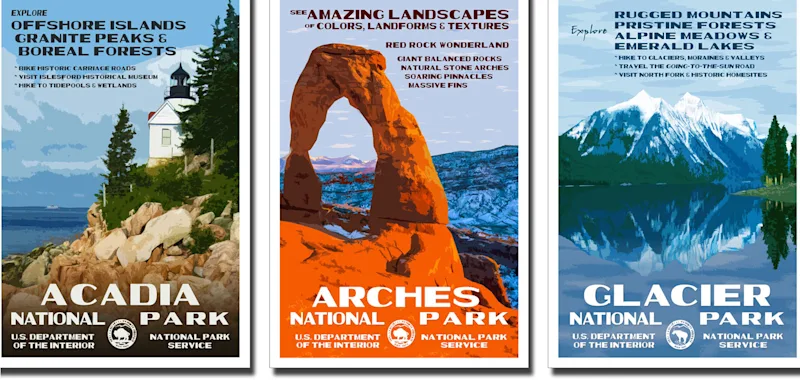
A photographer and graphic artist living in Nederland, Colorado, Rob Decker is currently working on creating WPA-style posters for all 59 of our national parks. He hopes to have them completed by the National Park Service’s 100th anniversary in 2016.
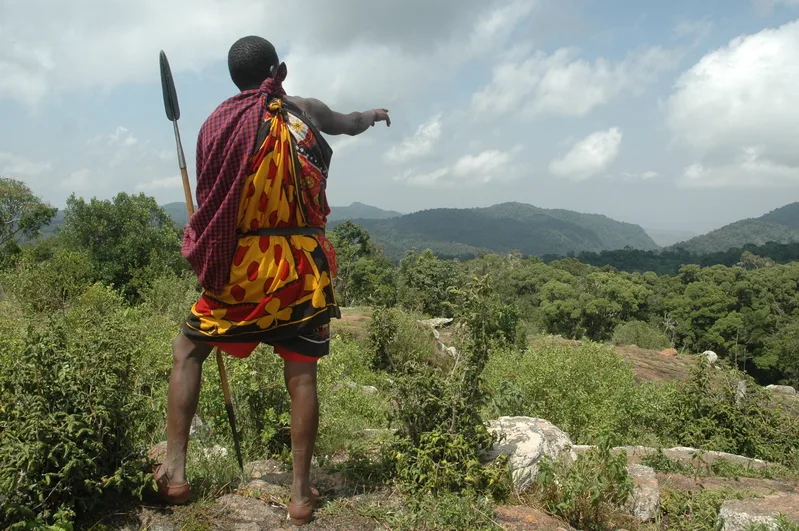
We are proud to announce the establishment of the Maasai Mara Wildlife Conservancies Association (MMWCA). Natural Habitat Adventures and our Nairobi-based office, Natural Habitat Safaris, contributed $5,000 to this effort to protect the wildlife, Maasai people and wilderness within these conservancies.
WWF’s film, Pride of Namibia, was recently named the winner of the inaugural film competition, Adventure in Motion with Yahoo Travel. The film was chosen out of 150 film submissions and revealed at the 2014 Adventure Travel World Summit in Ireland.
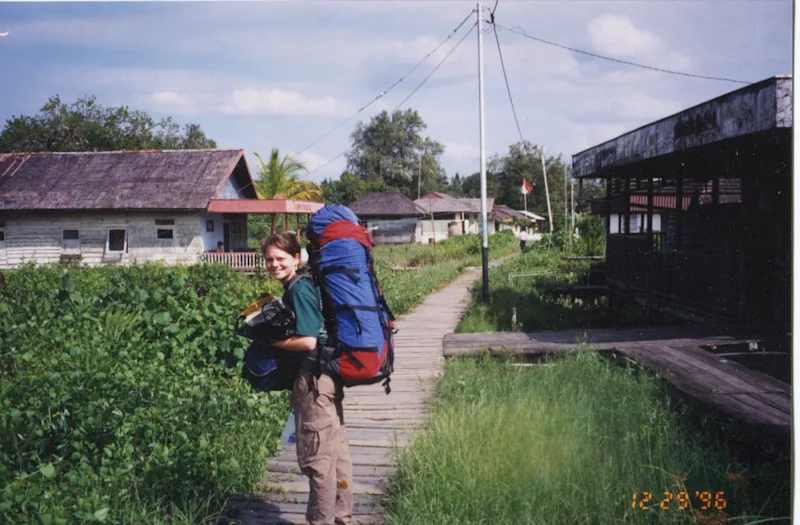
Cassie O’Connor’s commitment to conservation deepened after college when she co-managed a forestry station in Indonesia. The pristine Indonesian environment and rich culture have since brought her back repeatedly and have inspired her in various conservation roles she’s played over the years.
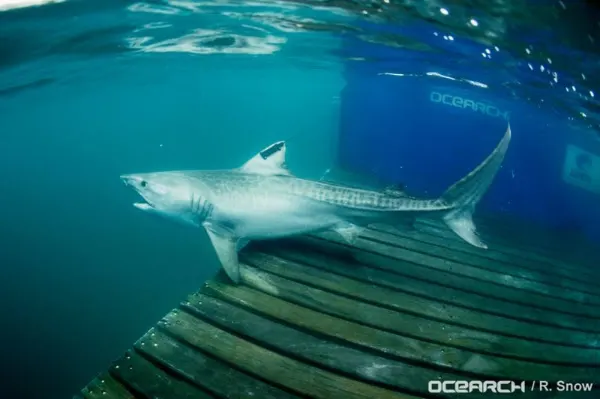
In January, marine scientists from the Charles Darwin Foundation captured and tagged several tiger sharks near the Galapagos Islands for the first time ever. The goal of the project was to gain a better understanding of the sharks’ migratory movements in an effort to improve conservation efforts around the world.