Conservation

709 stories

  • Going Vegan: Best Way to Combat Rapid Climate Change?

    Feb 3, 2015 · Candice Gaukel Andrews

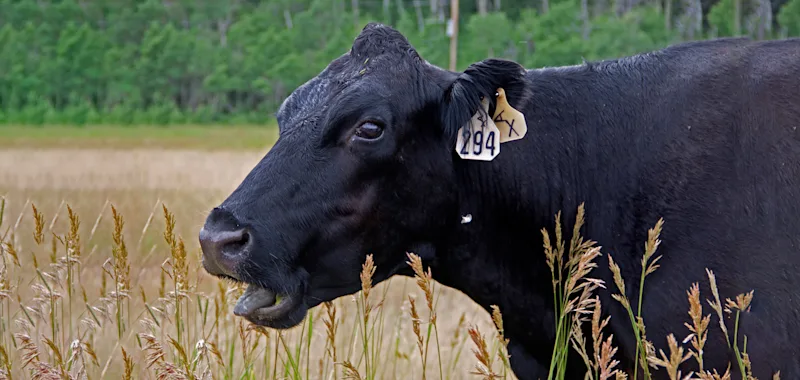
    One of my favorite things about writing a regular eco-travel and environmental column is getting to read the comments that come in. Sometimes readers are complimentary, sometimes they are critical and sometimes they challenge me. Such is the case with an article I recently wrote on soil and climate change.
  • A Rainbow of Marine Protected Areas

    Jan 21, 2015 · Maddi Higgins

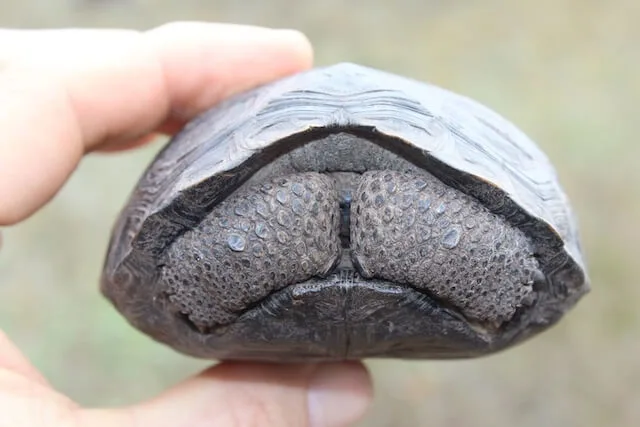
    Only 2.3% of the world’s oceans are protected. That’s why WWF works to create Marine Protected Areas (MPAs). An MPA is an area designated to protect marine ecosystems, processes, habitats and species as well as promote positive social impacts. They include marine reserves, no-take zones, marine parks, and sanctuaries around the world.

  • 30 Years of Nature Travel with Nat Hab Founder & President Ben Bressler

    Jan 12, 2015 · Wendy Redal

    For Ben Bressler, Nat Hab’s founder and president, an early interest in nature was cultivated in a rather unlikely place: suburban Maplewood, New Jersey. As a young boy, Ben played for endless hours in a gully a block away from his home, collecting salamanders and building forts.

  • Endangered Species List May Not Be Best for Animals at Risk

    Jan 6, 2015 · Candice Gaukel Andrews

    Gray wolves in the Great Lakes region received some good news last month. In a surprise, unusual ruling on December 19, 2014, United States District Judge Beryl A. Howell ordered that gray wolves in Michigan, Minnesota and Wisconsin be placed back on the federal endangered species list.

  • 10 WWF Success Stories of 2014

    Dec 31, 2014 · Tania Curry

    2014 was a successful year for conservation and WWF’s work around the world. None of it could have been possible with the support of WWF’s members.

  • When Going Green Isn’t Good: Climate Change and the Green Revolution

    Dec 16, 2014 · Candice Gaukel Andrews

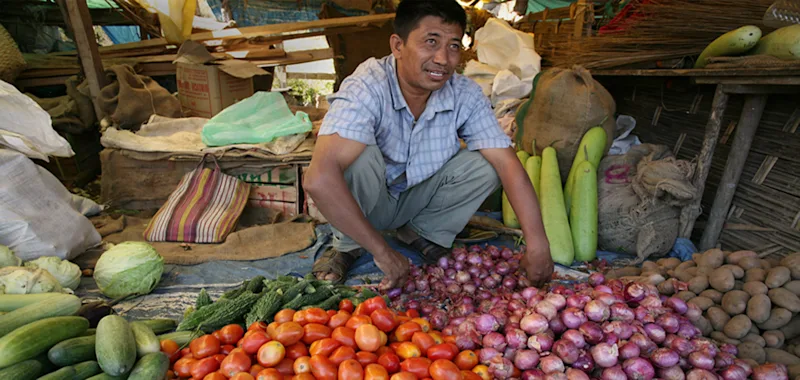
    Feeding the world’s population in the coming years is going to be a challenge. The United Nations estimates that by 2100, there will be an average of 11 billion people on Earth; that’s 4 billion more than there are today. Several solutions have been suggested, such as farming and eating insects.

  • Show-and-Tell Develops Young, Budding Travel Conservationists

    Dec 13, 2014 · Tania Curry

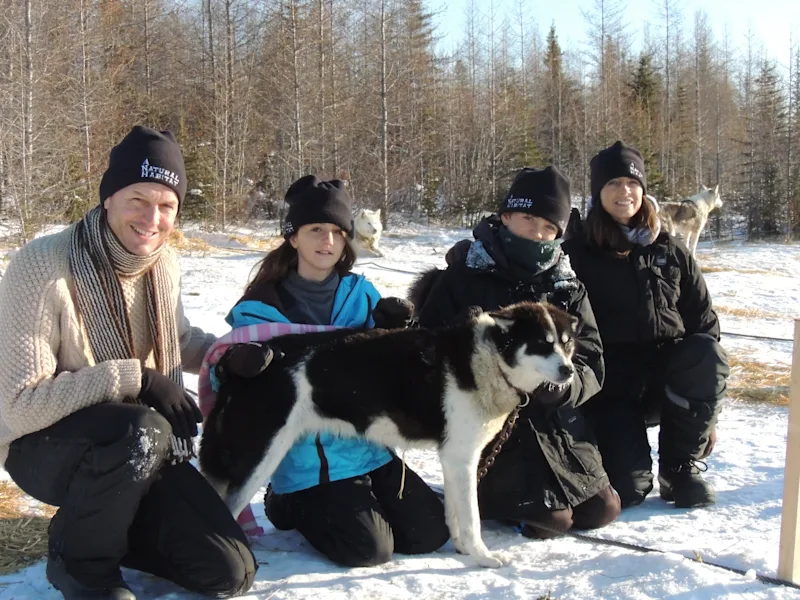
    Anna and Alex confidently stood in front of a classroom full of rowdy elementary age kids. As newly-minted, pseudo polar bear ambassadors, they presented a homemade movie at their school and spoke to seven different grade levels-from preschool to 6th grade.

  • Support Science and Conservation in the Galapagos and Triple Your Impact

    Dec 11, 2014 · About Galapagos

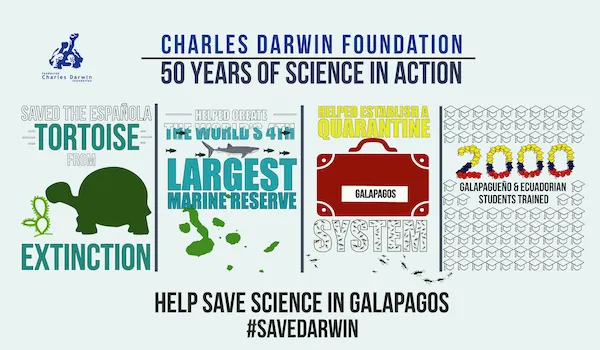
    A few weeks ago, the Charles Darwin Foundation (CDF) announced that it was facing a year-end budgetary crisis and that it need to raise $1 million to avoid the possibility of having to close its doors for good. Since then, there has been an outpouring of international support and things are looking up.

  • Best Conservation Christmas Gift: a Federal Duck Stamp

    Dec 9, 2014 · Candice Gaukel Andrews

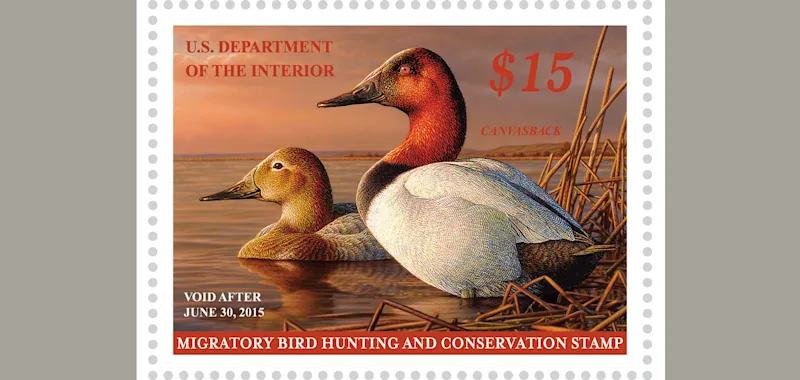
    If you’ve got a wildlife and nature enthusiast on your holiday shopping list—and I’m sure you do if you’re reading this article—I have the perfect gift idea for you. It isn’t expensive, it’s beautiful, it’s easy to purchase and send, and it quite probably helps conserve your best-loved wild place and/or favorite wildlife species.

  • Field guide: Searching for snow leopards

    Dec 3, 2014 · WWF

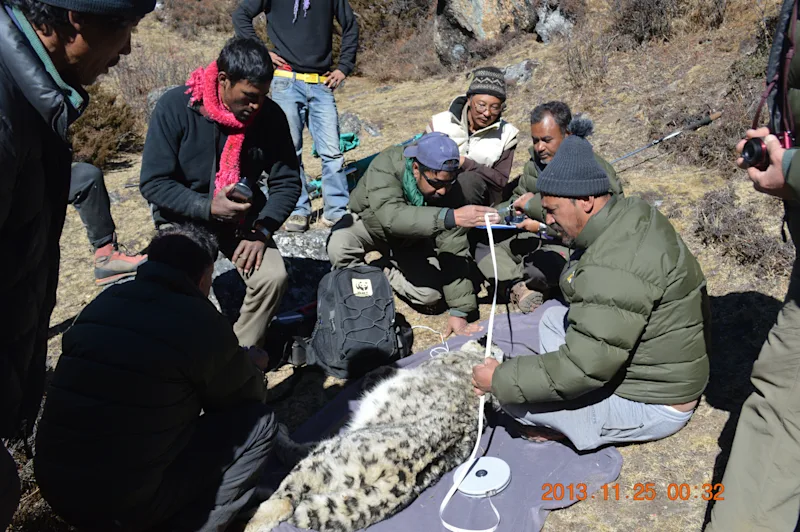
    Republished with permission from WWF-Canada. To see the original article, please go here. By Steph Morgan, WWF-Canada If you’re looking for a snow leopard, Dr. Rinjan Shrestha can tell you where to go. The question is: are you tough enough to get there?