

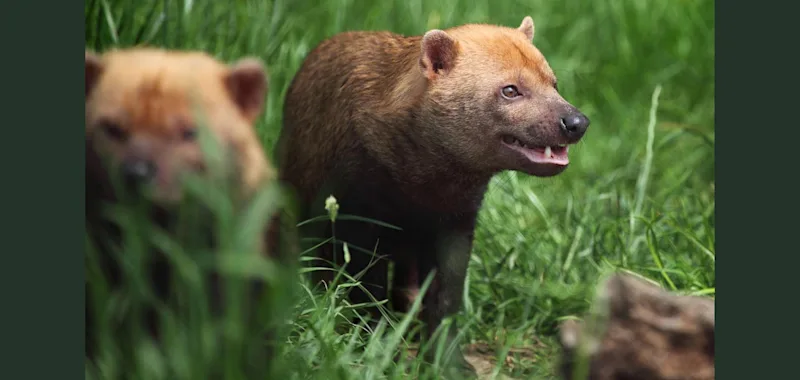
Good News for Wildlife: Rare South American Bush Dogs Spotted in Costa Rica
Stories of animals venturing into and enjoying new places have been one bright spot during the COVID-19 worldwide pandemic of 2020.
709 stories
Stories of animals venturing into and enjoying new places have been one bright spot during the COVID-19 worldwide pandemic of 2020.

We know that having had exposure to nature as a child makes you a healthier adult—both mentally and physically. Several scientific studies have proven that outdoor time boosts kids’ classroom performances, enhances their imaginations and attention spans, decreases their aggression and helps them to grow lean and strong.
Every year, The Wild and Scenic Film Festival, The Environmental Film Festival, and more showcase films that celebrate Earth. With awards for activism, adventure, travel, and more, these films immerse viewers in the far-reaching corners of our planet and highlight incredible nature stories.
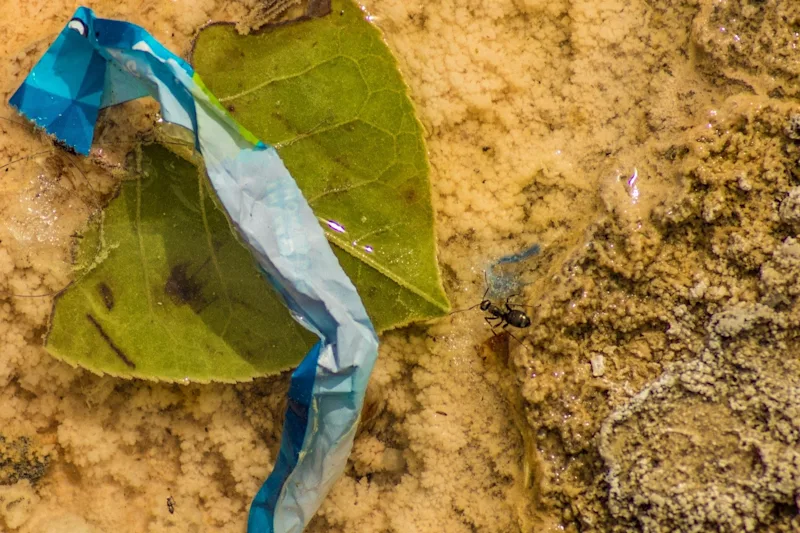
Earlier this month, WWF’s Head of Plastic Waste and Business, Erin Simon took to Nat Hab’s Instagram to answer questions about recycling, reducing waste, and more. Thanks to social media, Erin answered user-submitted questions in real time while in her home. Questions ranged from the dangers of plastic in the oceans to recycling tips to addressing single-use plastic during COVID-19.
Almost every aspect of life has changed dramatically since the coronavirus pandemic began months ago. Today, we are still social distancing from family and friends; learning via remote, online platforms; and attending conferences, music performances and other public events virtually. It isn’t what we wanted, and it certainly hasn’t been fun.
Spreading around the world at the speed of light, COVID-19 has now infected more than 2.5 million people and killed almost 177,000. Although the virus’s origins are still a little murky, it’s highly likely that it jumped from species to species, until it hit ours. Trading diseases with wildlife isn’t new.
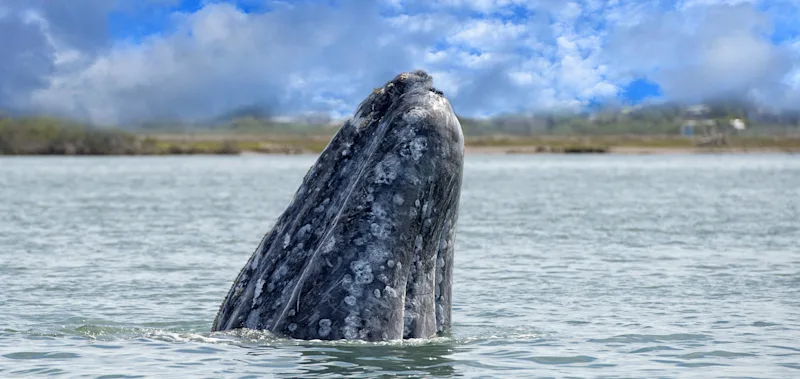
In 2020, Karen Douthwaite, WWF’s Lead Ocean Specialist, joined Nat Hab during their climate change trip series, where travelers could learn about the threats to our planet while seeing some of its most precious wildlife. WWF regularly hosts “Ask Me Anything” or AMAs on their Instagram account, where followers can submit questions directly to experts while they are in the field.
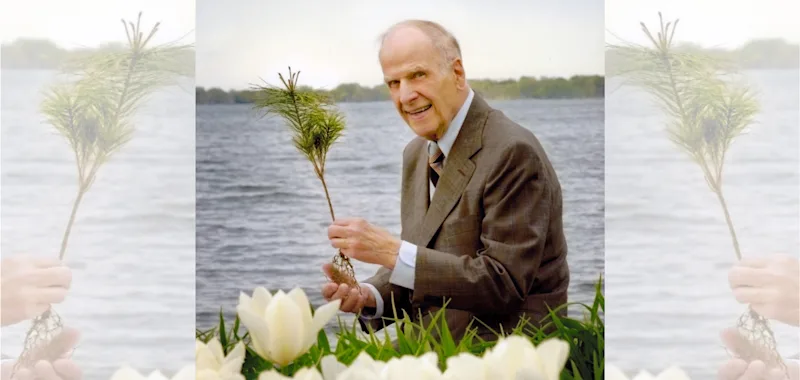
“There was a special adventure to being a young boy in northwestern Wisconsin. There was the adventure of exploring a deep green pine forest, crunching noisily through the crisp leaves and pine needles on a sharp fall day, or taking a cool drink from a fast-running trout stream or a hidden lake.”
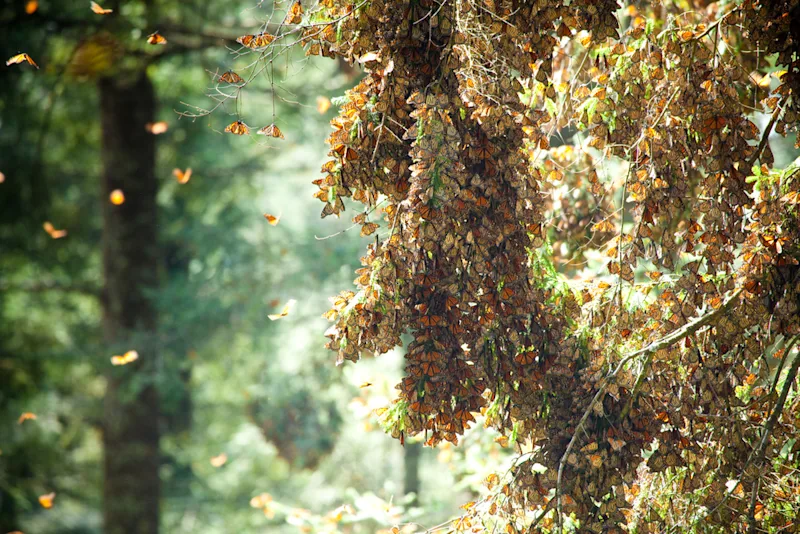
A recent survey found that monarch butterflies only occupied 7 acres of forest during the 2019-2020 winter season, a 53% decrease from the 15 acres that were occupied only one year ago.
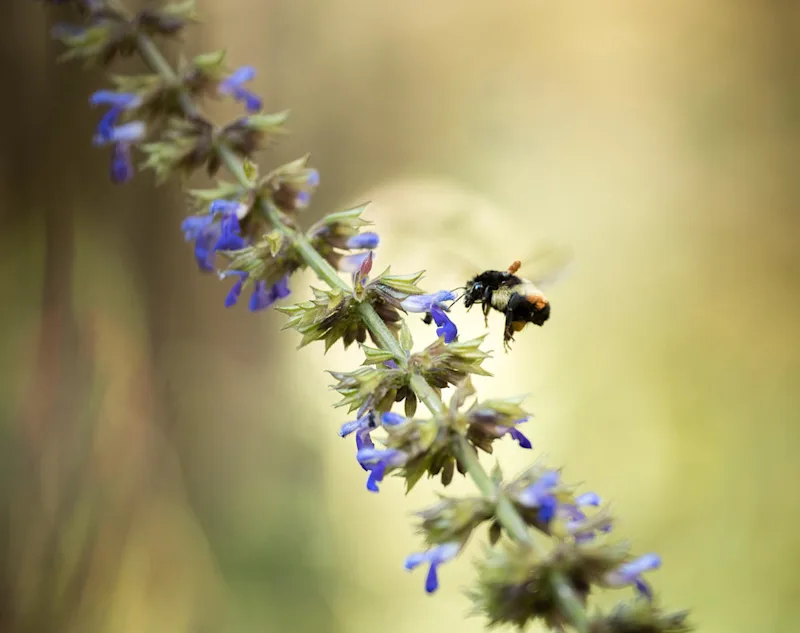
When I was little, I learned about dinosaurs and extinction in the same breath. Those tree trunk sized leg bones I saw at the museum belonged to animals that died out millions of years ago. Why? There was some cosmic, massive event that killed the giants of Earth’s ancient history.
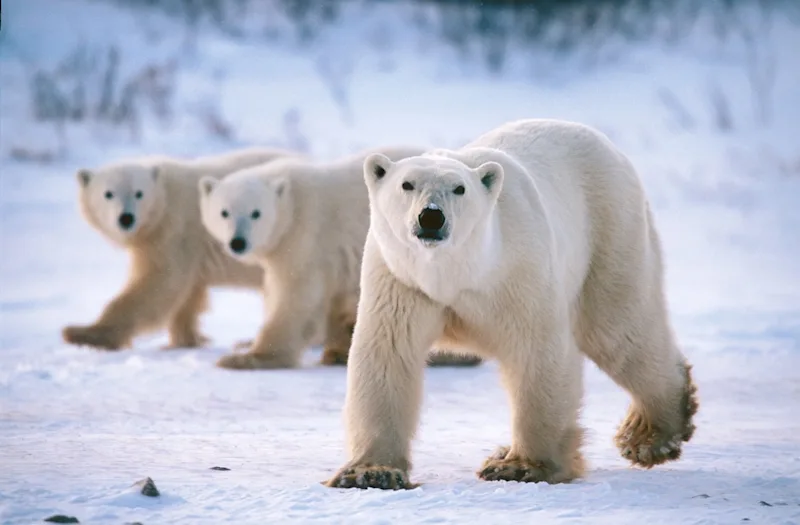
Each year, conservationists celebrate International Polar Bear Day by bringing attention to polar bears and the threats they face. The single largest challenge that wild polar bears face is climate change. With warmer temperatures, the sea ice is melting, reducing hunting, breeding and sleeping areas for polar bears.
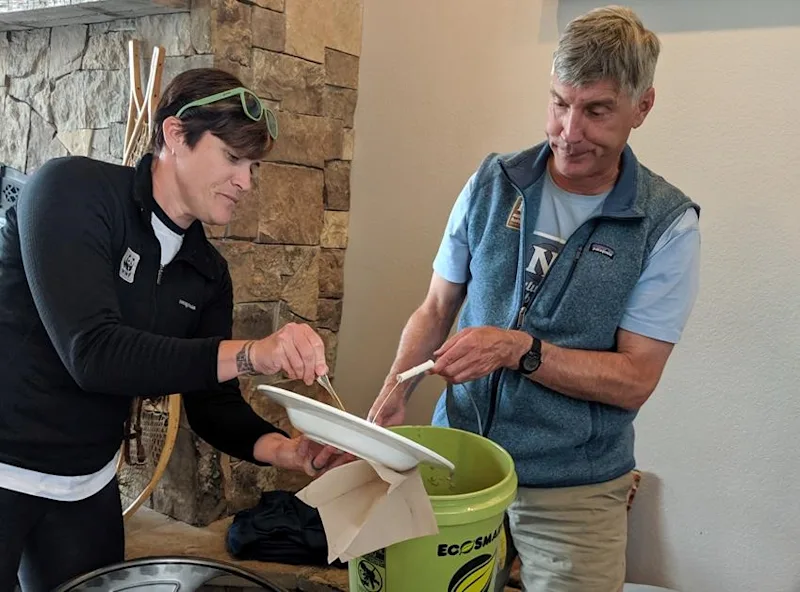
The free online resource aims to empower tourism to lessen their impact on the planet via proven best practices from Nat Hab’s 2019 Zero Waste case study We are excited to release Nat Hab’s 12 Lessons for Less Travel Waste, a comprehensive guide of best practices designed to challenge travel companies to improve their…