Conservation

709 stories

  • African Wild Dogs and the Necessity of Wildlife Corridors

    Jun 8, 2021 · Candice Gaukel Andrews

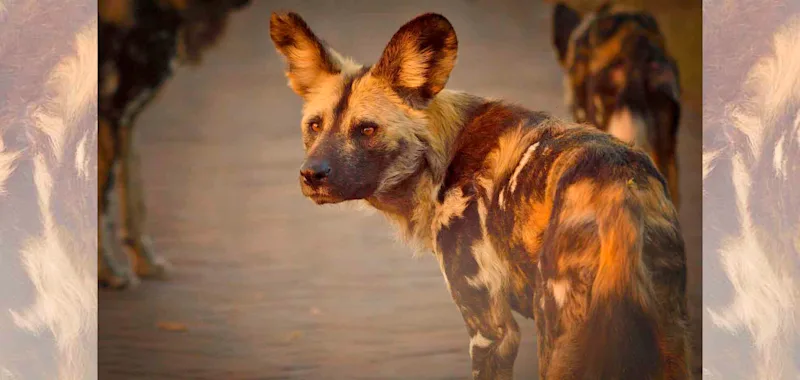
    Larger than Austria and Germany combined and nearly twice as big as the United Kingdom, the enormous KAZA (Kavango-Zambezi Transfrontier Conservation Area) lies in the Kavango and Zambezi River Basins where Angola, Botswana, Namibia, Zambia and Zimbabwe converge.
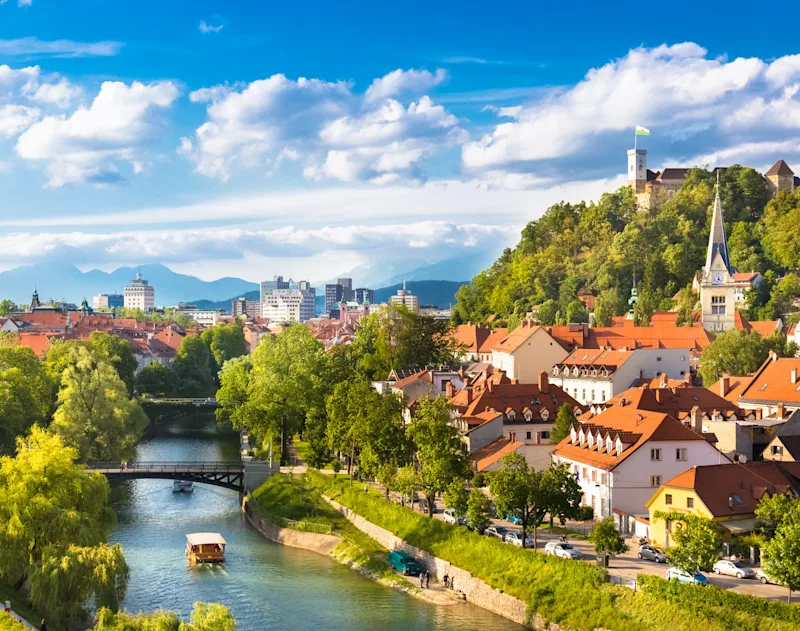
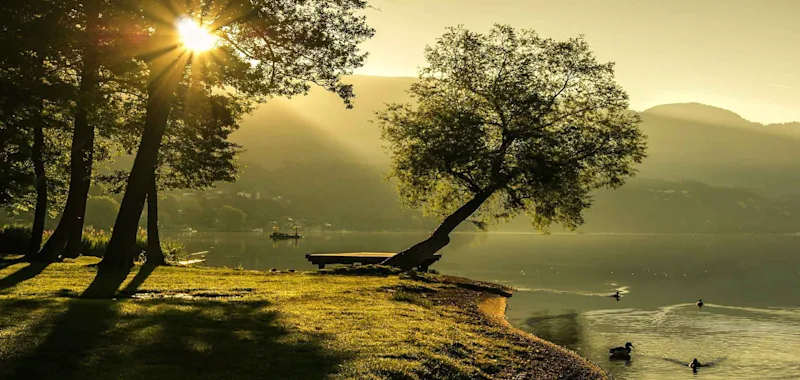
  • Slovenia: One of the World’s Greenest Countries

    May 25, 2021 · Cathy Brown

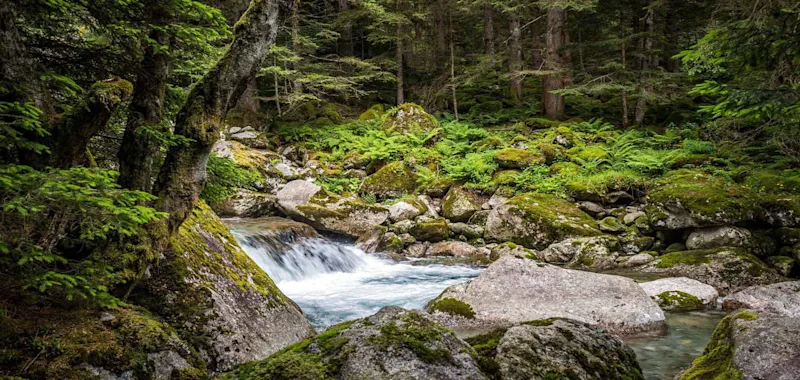
    How Slovenia, a tiny unspoiled mountainous country nestled between Croatia, Austria and Italy, has managed to stay relatively under the radar for nature tourism is a mystery. Three-fifths of this environmentally-friendly country is covered in forest, making it the third most forested country in all of Europe.

  • Trees: Foundations for Ecosystems and Learning

    May 4, 2021 · Candice Gaukel Andrews

    Unlike Earth Day, which is celebrated on April 22 every year, Arbor Day is a bit of a moving target. While National Arbor Day is always the last Friday in April, many states observe their Arbor Days on different dates based on the best tree-planting times in their areas.

  • Earth Day 2021: Restore Our Earth

    Apr 20, 2021 · Candice Gaukel Andrews

    “Restore Our Earth” is the theme for this year’s Earth Day, which is April 22, 2021. The concept is based on the idea that as the world returns to normal following the COVID-19 pandemic, we can’t go back to business as usual.

  • You May Not Be as Environmentally Friendly as You Think

    Mar 9, 2021 · Candice Gaukel Andrews

    If I asked you to tell me how environmentally friendly you are, you’d probably say that you think you rate pretty high on the scale; that you use few paper products, compost, try to eat local when possible and have switched to energy-saving appliances and devices. You might drive a hybrid or an all-electric car.

  • What Happens when a Global Pandemic Interrupts Sustainability Routines: Part 2

    Nov 19, 2020 · WWF

    By Marisa Zocco, WWF Panda Ambassador In July of 2019, Natural Habitat Adventures (Nat Hab) and World Wildlife Fund (WWF) successfully hosted the world’s first zero-waste adventure tour of Yellowstone National Park. Participants ranged from self-proclaimed seasoned veterans of the lesser waste lifestyle to the zero-waste newbie looking to learn.

  • What Happens when a Global Pandemic Interrupts Sustainability Routines

    Oct 22, 2020 · WWF

    By Marisa Zocco, WWF Panda Ambassador In this special five-part sustainability series by WWF Panda Ambassador Marisa Zocco, zero-wasters spread facts, hope and 19 practical ways to reduce waste amidst the COVID-19 pandemic. For decades, the eco-conscious have found ways to resourcefully adapt within a world set to a default of disposable convenience.

  • The Worth of a Whale and the Price Tag of a Panda

    Oct 6, 2020 · Candice Gaukel Andrews

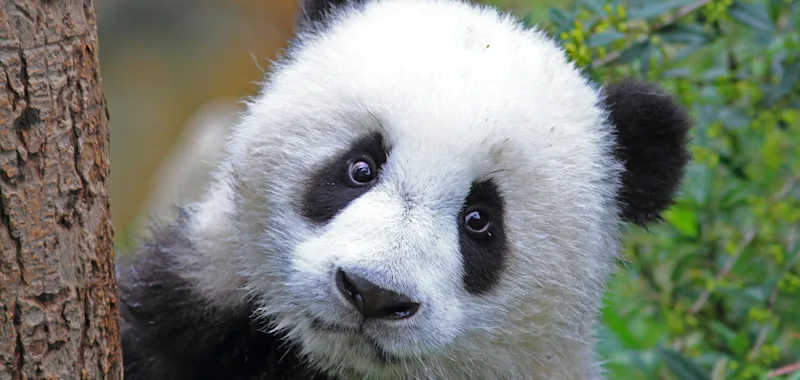
    In prepandemic times, those of us who cherish wildlife and wild places tried to quantify them in economic terms, hoping to convince those who didn’t care about protecting nature that not doing so would impact their bottom lines. Now, 10 months after the coronavirus outbreak, that strategy seems naive to me.

  • Hope for Coral Reefs in Crisis

    Aug 11, 2020 · Candice Gaukel Andrews

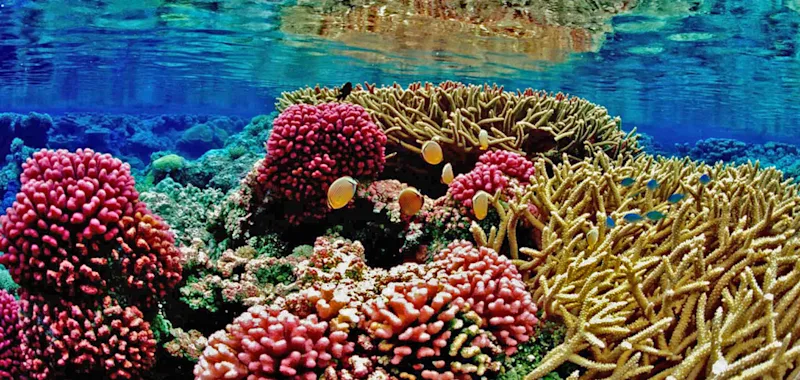
    For almost 24 million years, say scientists, coral reefs have functioned relatively unchanged. That is, until the 1980s. Starting in that decade, tropical coral reef coverage around the world has declined by about 30 to 50 percent.

  • Update: Wildfires in Brazil

    Jul 30, 2020 · WWF

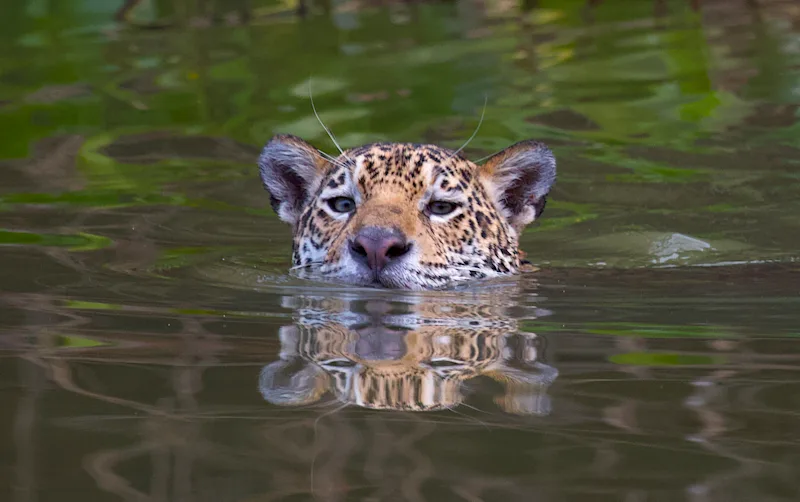
    By Karl Egloff, WWF The Pantanal has fascinated me since I first learned about it in a documentary ten years ago. It is a world of contrasts with dramatically different wet and dry seasons, and a land of many uses spanning three countries. Home to the elusive jaguar, other varieties of wildlife, spectacular landscapes, and Brazil’s rich cowboy or “pantaneiro” heritage, the Pantanal is quickly becoming part of every wildlife traveler’s bucket list.

  • Kenya’s Cattle Ranchers Conserve Wild Hartebeests—and Lion Predators

    Jul 28, 2020 · Candice Gaukel Andrews

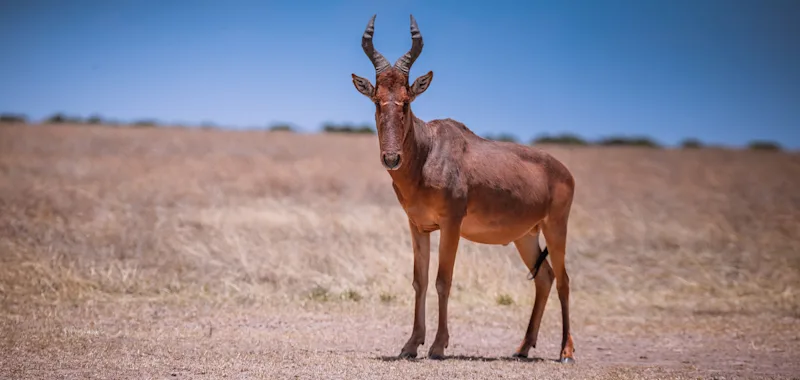
    Hartebeests—the narrow-faced, savanna-adapted and unusual-looking African antelope that are native to more than 25 African countries—are on a downhill population slide. The African Wildlife Foundation estimates that there are about 360,000 of them left in eight to 10 recognized subspecies, one of which is entirely extinct. In Kenya, particularly, hartebeest numbers are decreasing, threatening extinction.