

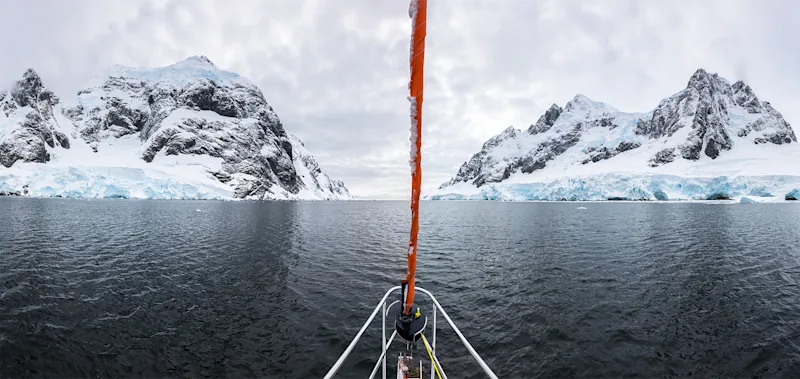
Three Ways to Visit the Antarctic Peninsula
We were kayaking among patches of floating ice, penguins porpoising through the waters between us, when our guide got the call over the radio. “Who here is ready to step foot on the Antarctic continent?”
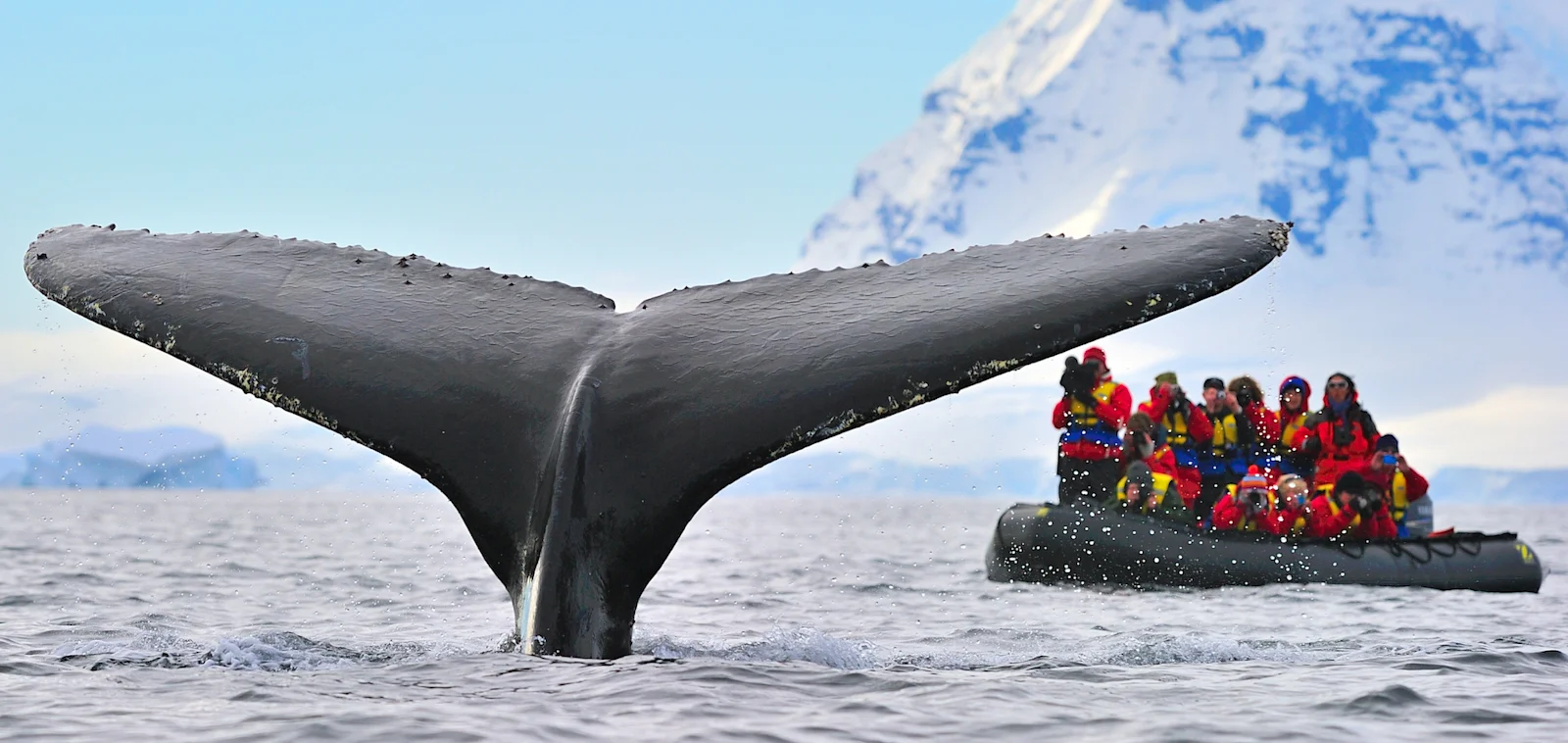
51 stories
We were kayaking among patches of floating ice, penguins porpoising through the waters between us, when our guide got the call over the radio. “Who here is ready to step foot on the Antarctic continent?”
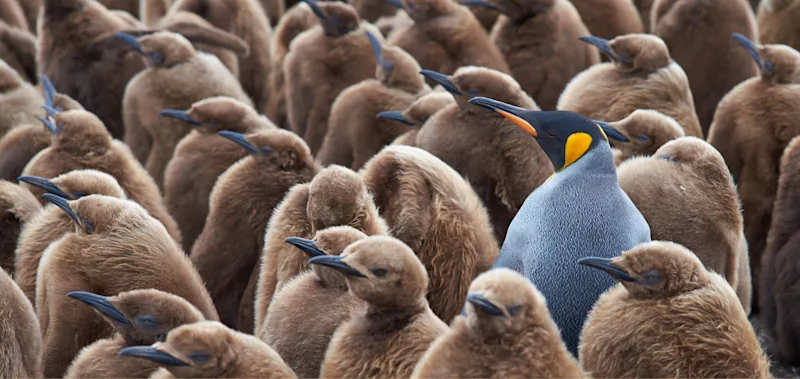
Penguins: An Evolutionary Success Story Historically, penguins are an evolutionary success story: few animals have adapted as extensively to thrive in extreme conditions across as vast a territory as flightless birds.
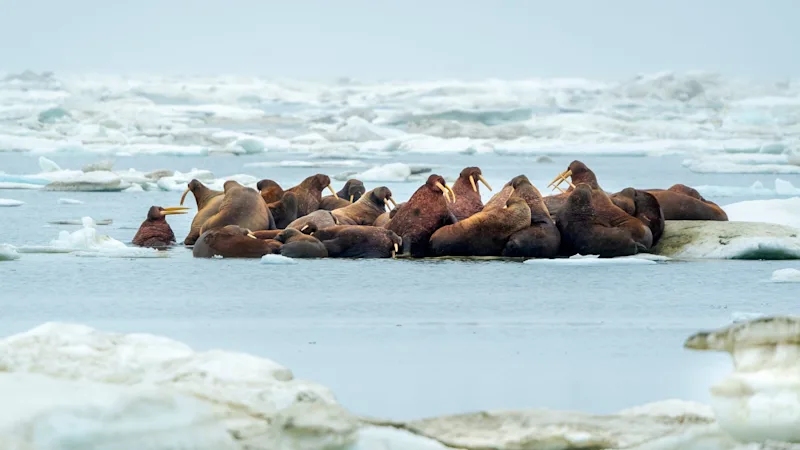
Have you seen a walrus in the wild? These large, fun-lovable animals are easily identified by their long white tusks, mustaches, and floppy tails as they trudge along the land. They are found in shallow, coastal waters, most notably in the Arctic.
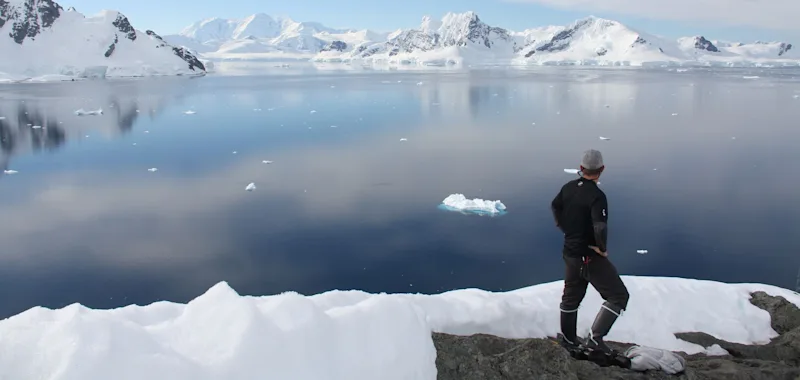
The priority when packing for an expedition to a cold-weather destination is to load up on outerwear. Waterproof jackets and pants aren’t enough; the key to staying warm enough in a cold weather destination is in the accessories.
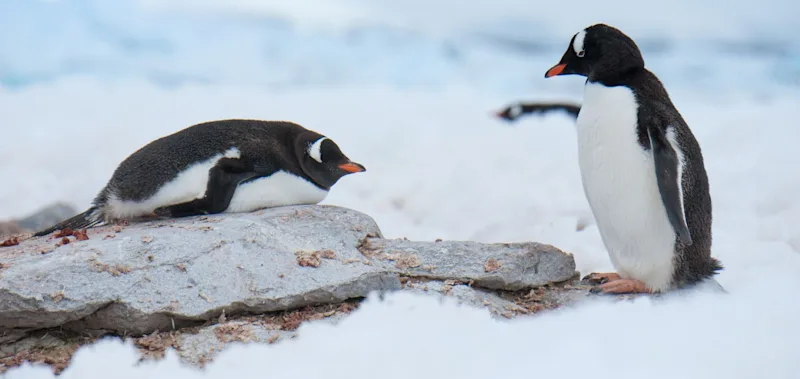
They slide on their bellies across the snow, congregate on icebergs and seem to fly through freezing water in search of fish. That’s how most people picture penguins: playing among the icebergs in Antarctica.
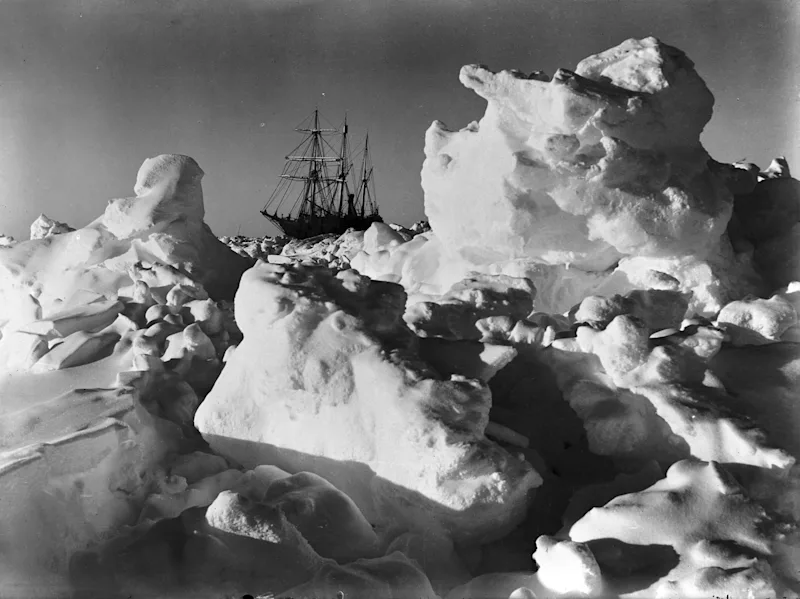
Aptly named, apparently, Sir Ernest Shackleton’s Antarctic vessel Endurance had been lost for 107 years—and was just found jaw-droppingly intact on the bottom of the Weddell Sea, just four miles south of the last location recorded by Shackleton’s captain and navigator, Frank Worsley.
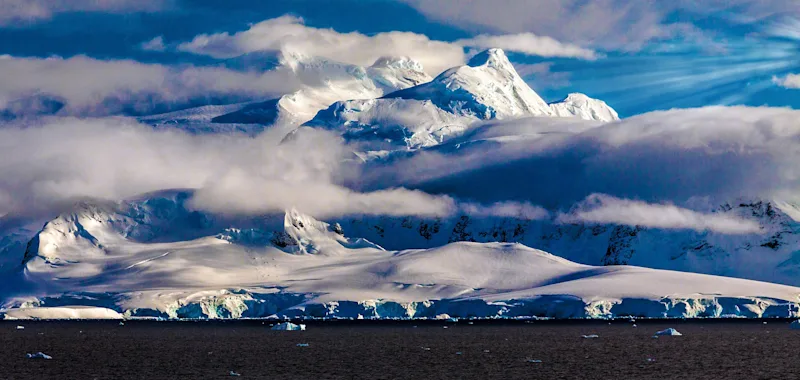
There’s something special about snow. Snow days. Snow forts. Snowmen. Snowshoeing. Sledding. Walking in a winter wonderland. And every winter, when it looks like the Earth has been washed clean once again, I feel happy.
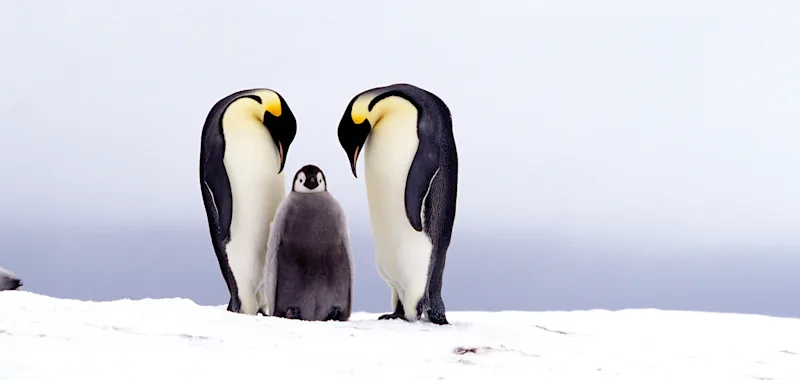
The Earth’s poles have a special kind of pull on me—sometimes called the “ice blink”—and that’s why on this Christmas Eve, I’m thinking of them.
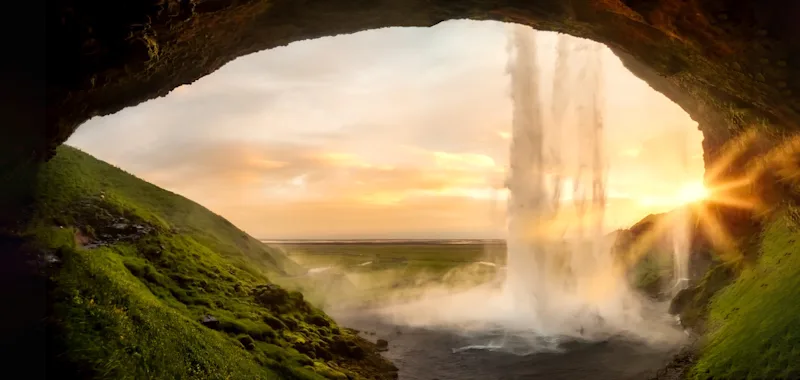
There’s a myth that Iceland got its name because Viking settlers didn’t want people flocking to their verdant island. They wanted to make sure that their descriptor for the place would deter interlopers and visitors.
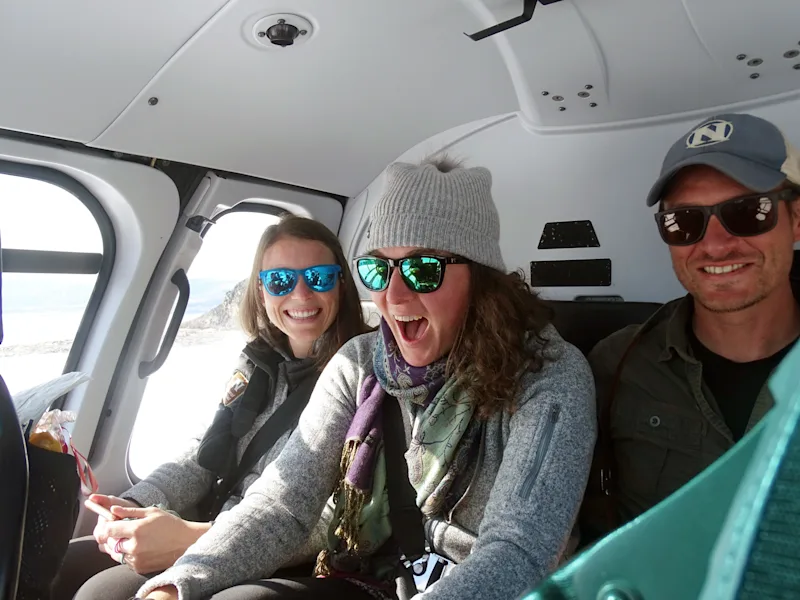
Big ice. Big mountains. Big whales. Everything about Greenland is enormous. On the ground in East Greenland, a sense of awe bowled us over with each encounter, every single day. We counted our infinite blessings to have feet planted on that remote, ice-bound island.
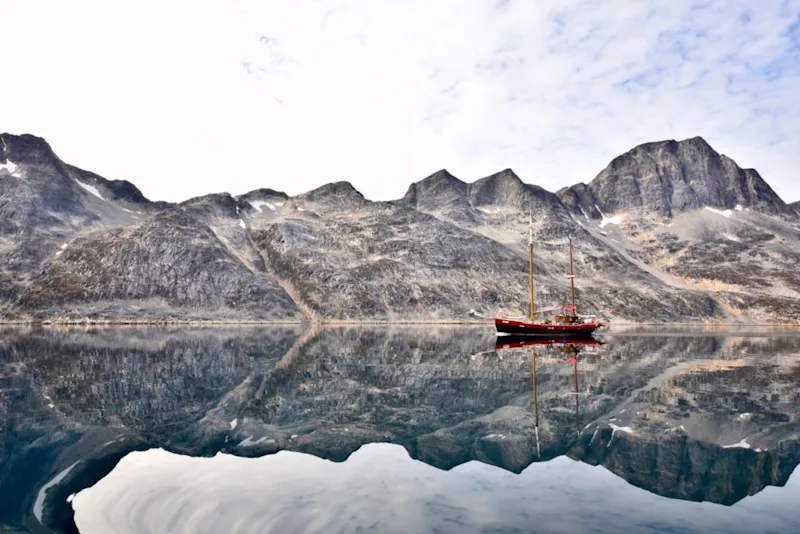
Ellen and I have been fortunate to travel widely and see a world beyond where we live. Our recent trip to Greenland certainly ranks high on our list of favorites. It was remote. It was wild. Its ancient culture is being challenged by modern society. It is quiet, and it is beautiful.
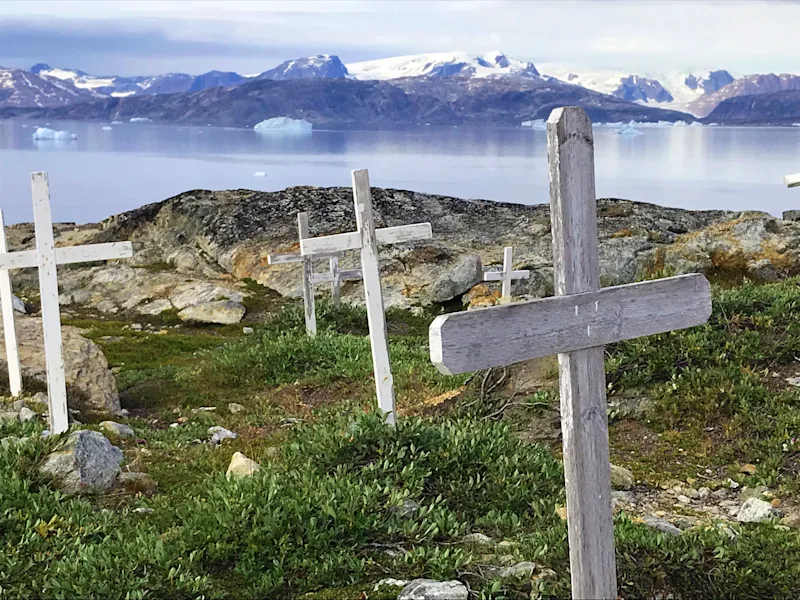
Last summer, encounters with the Greenland ice sheet made me cry. Twice. In August, I traveled to East Greenland—the remote part of the frozen expanse that Inuit locals call the “back side.” Sailing past a bitty hamlet called Tinit on the Sermilik Fjord, the rugged landscape bowled me over.