Butterfly Connections – How Nat Hab’s Scholarship Winner Connected American Students to Rural Mexican Classrooms
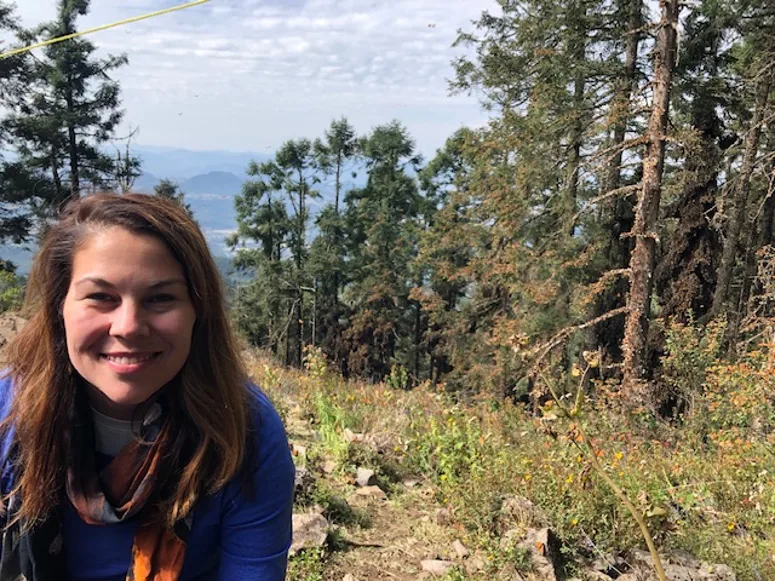
Beth was busy washing dishes at home when she saw an unknown call come in from Boulder, Colorado. Normally, she wouldn’t answer this type of call, but she had been anxiously waiting for this moment for two years.
“I guess you could say it was the most exciting phone call I’ve ever received,” Beth said. “I told my family that we were going out to celebrate – I was too excited to cook.”
That evening, Beth Smith received Nat Hab’s Monarch Butterfly Scholarship Grant, an annual grant awarded to environmental educators to witness the monarch butterfly migration first hand. While Beth started asking a bunch of questions as she paced around her living room, one of her first thoughts was if she could bring school supplies to the children in Angangueo, Mexico.
Beth currently teaches at Childs Elementary School in Bloomington, Indiana, which is certified in the International Baccalaureate program. The program encourages international connections as students are educated in global issues.
“When students connect on a global level, they can truly see the world from multiple perspectives,” Beth explained. “I think most children are very proud of their identity and culture, yet are very intrigued by other cultures. I think most people are curious about people in other countries. For example, how do other students view our country? What music do they listen to?”
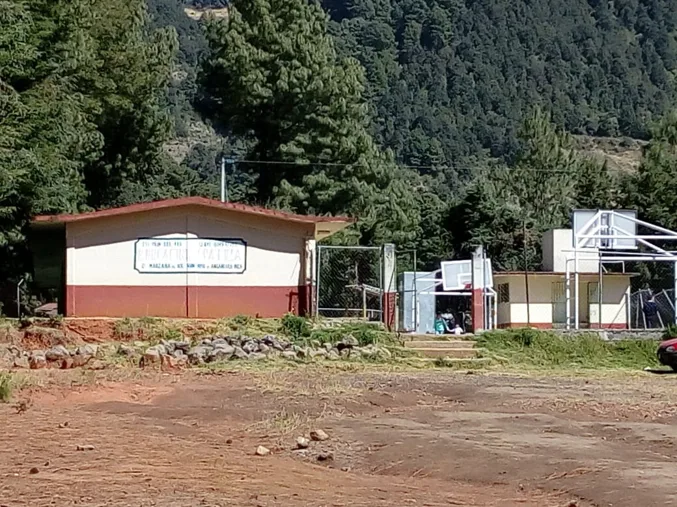
To help connect her students in Indiana to students in rural Angangueo, Beth set up a collection for school supplies to take down on her trip to see the monarch butterflies. In addition, her students wrote a series of letters with the help of their Spanish teacher, Mrs. Gabrielle Coolidge, to the Mexican students.
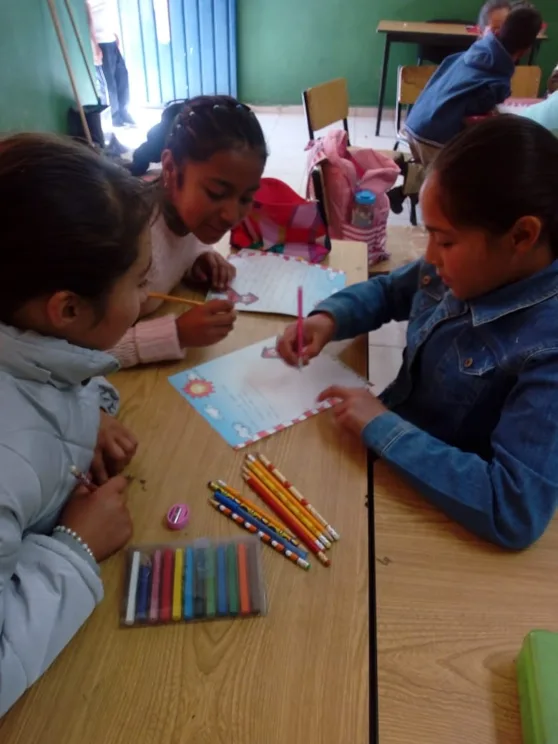
“We are very excited to hear back from our friends at the small school in Angangueo, Mexico,” Beth said. “We hope they are able to send us a letter and, if they do, we will definitely reply!”
Beth collected school supplies, including pencils, notebooks, markers and Spanish-to-English books, and carried them down in her suitcase. On the return trip, Beth filled up her suitcase with woven baskets, monarch butterfly magnets and hand-stitched napkins to show her students.
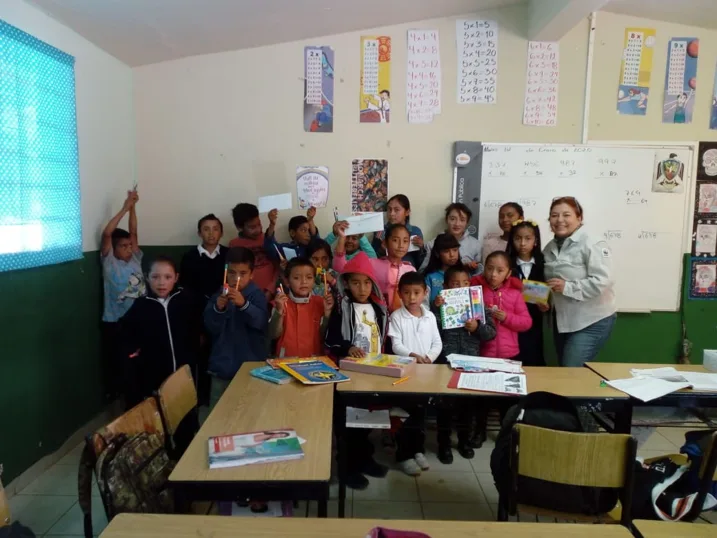
“Everybody got either a little piece of America or Mexico in the exchange,” she said.
In addition to sharing school supplies, Kate Walker, who helps write WWF classroom curriculum, opens in new tab, carried monarch butterfly classroom supplies to help spread conservation education in Mexico.
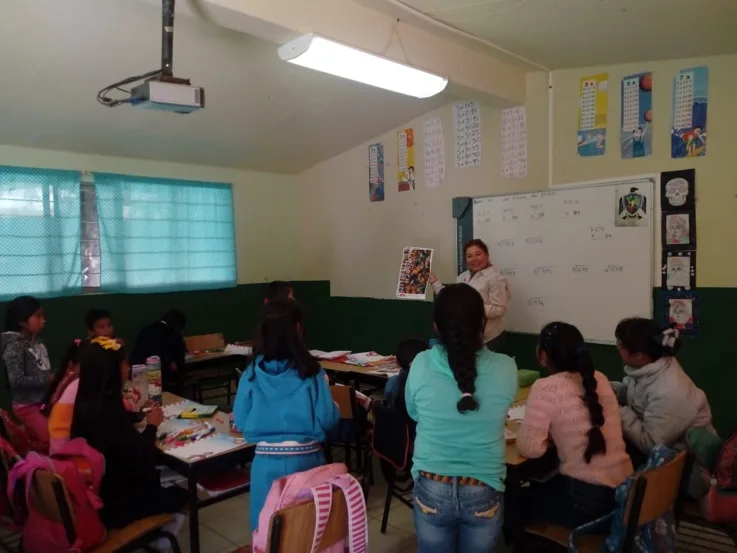
“I think it’s a marvelous partnership and there’s a lot of work to be done, not just in Mexico with the monarchs but all over the world,” Beth explained. “It would be amazing if this partnership could forge together and springboard other educational opportunities for teachers and students who will bring conservation back to their classroom.”