Videos & Webinars
VIDEO | Experience Nat Hab's Australia Adventures
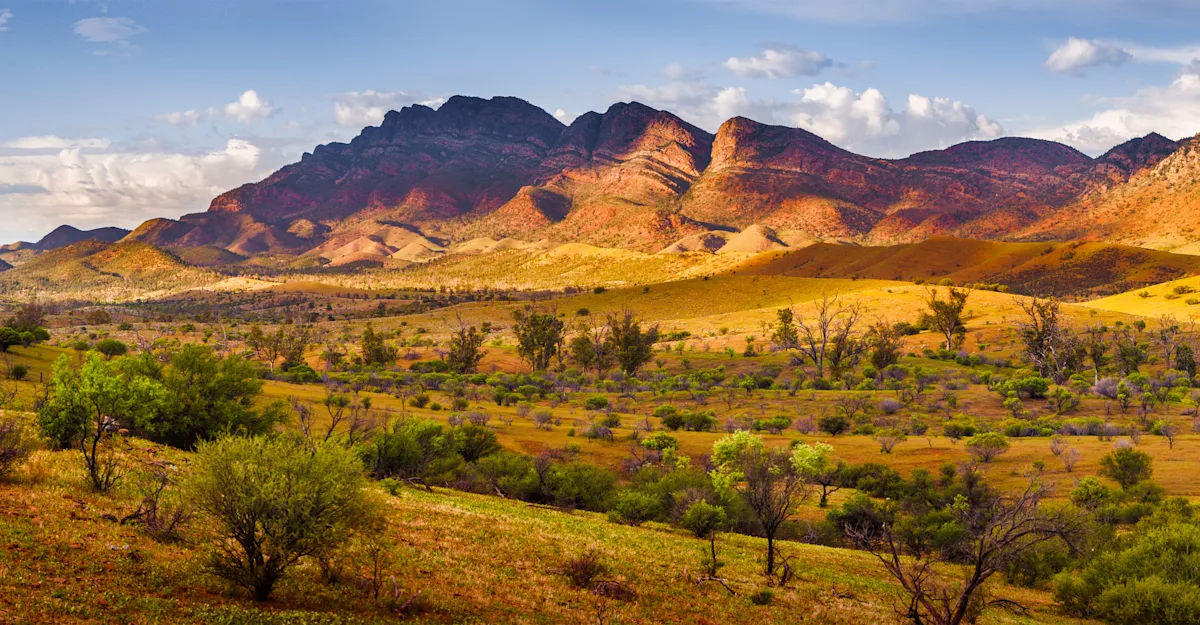
Discover Australia’s diverse ecosystems on sustainable safaris spanning wild coasts, remote Outback, lush rainforests and iconic wildlife.
WEBINAR | Safari Smarts: How to Read Animal Behavior in Real Time
What are lions, leopards and elephants really communicating when they flick their tails, pause mid-step or trumpet loudly across the savanna? Expedition Leader Lorraine Doyle explains how to interpret the behavioral language of African wildlife. Through real examples from the field, she breaks down key patterns — from predator-prey interactions and social hierarchies to alarm calls and courtship displays — so you can recognize what’s happening beneath the surface. Gain the skills to read subtle cues and transform every wildlife encounter into a deeper, more meaningful experience.
WEBINAR | Discover Ultimate Australia
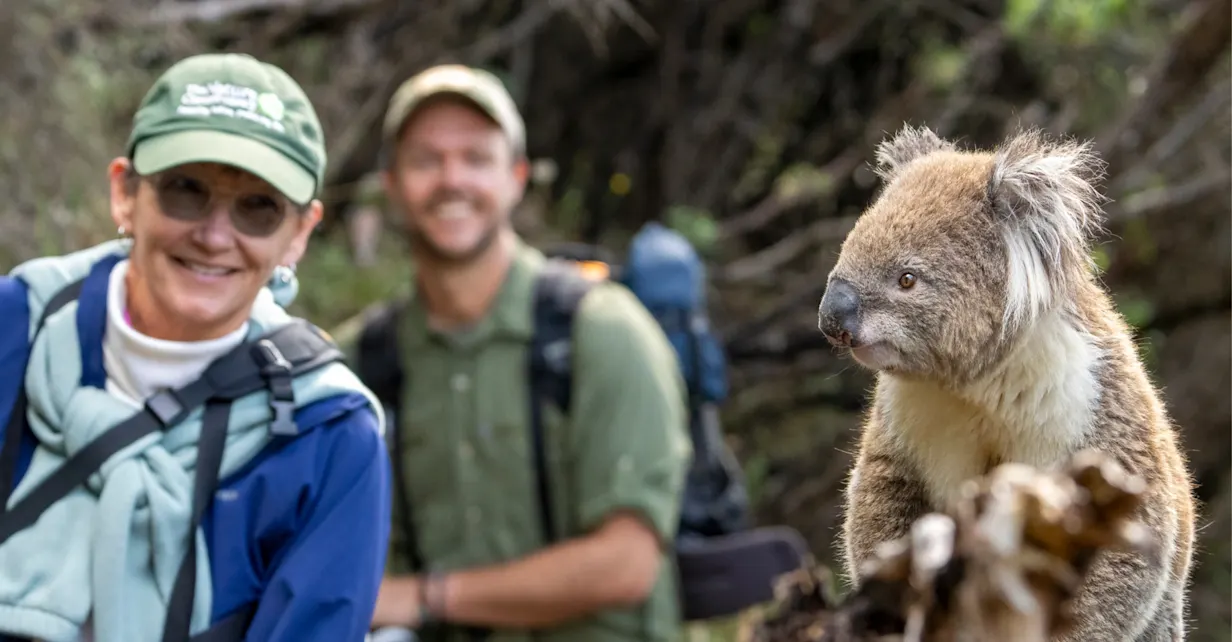
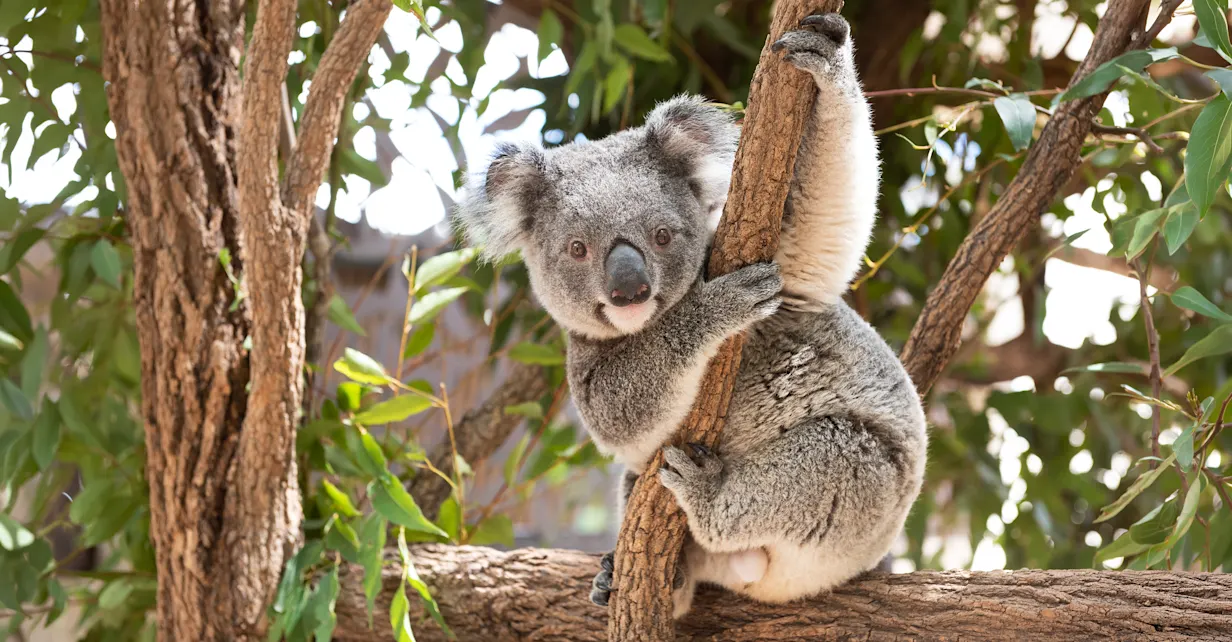
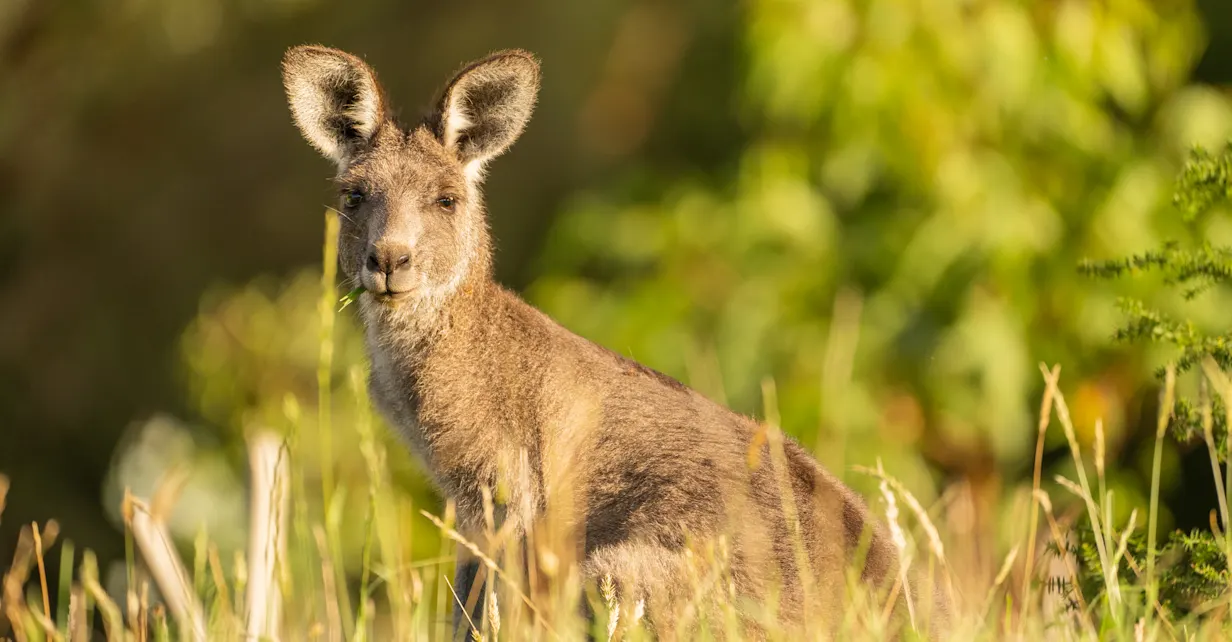
Australia is a land of extraordinary wildlife, where kangaroos, koalas and wallabies roam deserts, rainforests, reefs and remote islands. Nat Hab’s Ultimate Australia safari reveals the continent’s distinctive landscapes, from the red sands of the Outback and the tropical Top End to Tasmania’s wilds and the Great Barrier Reef. Expedition Leader Matt Cornish will share what travelers can expect, including wildlife encounters, the cultural significance of Uluru and the biodiversity across Australia’s habitats, along with practical tips on packing, weather and daily logistics to prepare you for a comprehensive journey Down Under.
WEBINAR | Daintree: Exploring the World’s Oldest Rainforest
In celebration of World Rainforest Day, Expedition Leader Matt Cornish shares an in-depth look at Australia's Daintree Rainforest in northern Queensland—the oldest continuously surviving tropical rainforest on Earth. Discover what makes this ancient ecosystem so unique, from towering strangler figs and rare cycads to elusive tree kangaroos, saltwater crocodiles and the striking southern cassowary. Matt offers insights into the Daintree’s hidden wonders, its evolutionary history, and the endemic species that have thrived here for hundreds of millions of years.