What is an Environmental Portrait in Nature Photography?
When it comes to photography, we certainly know what these two words are on their own. But what does it mean when they come together, and more importantly, why is it so important to imbue environmental portraits into your own nature photography?
What is an Environmental Portrait?
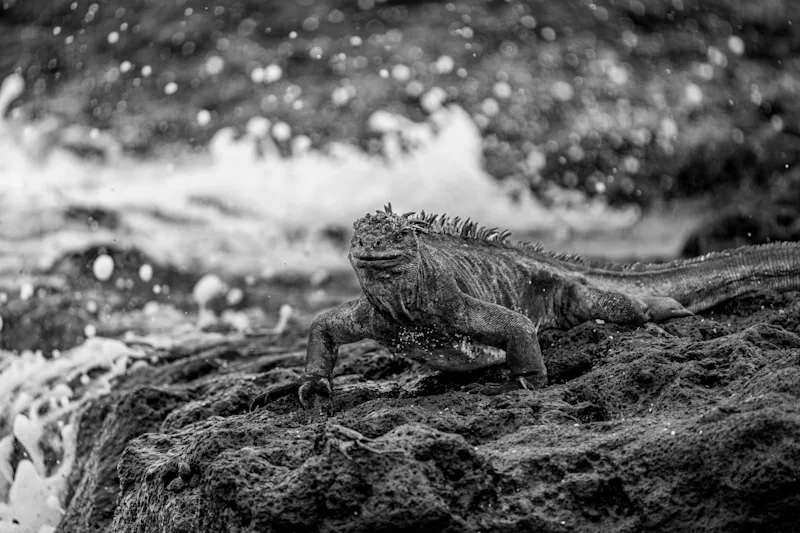
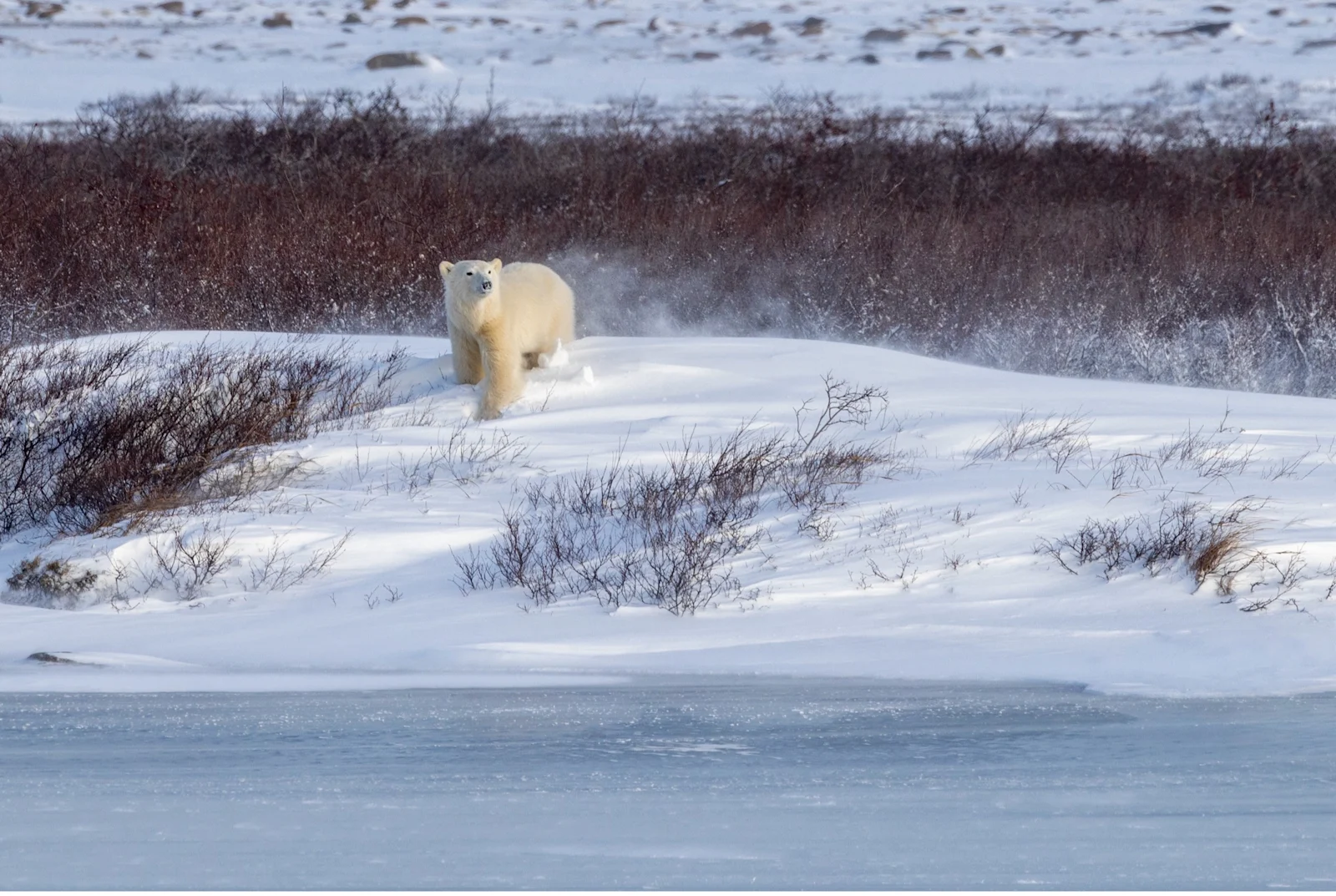
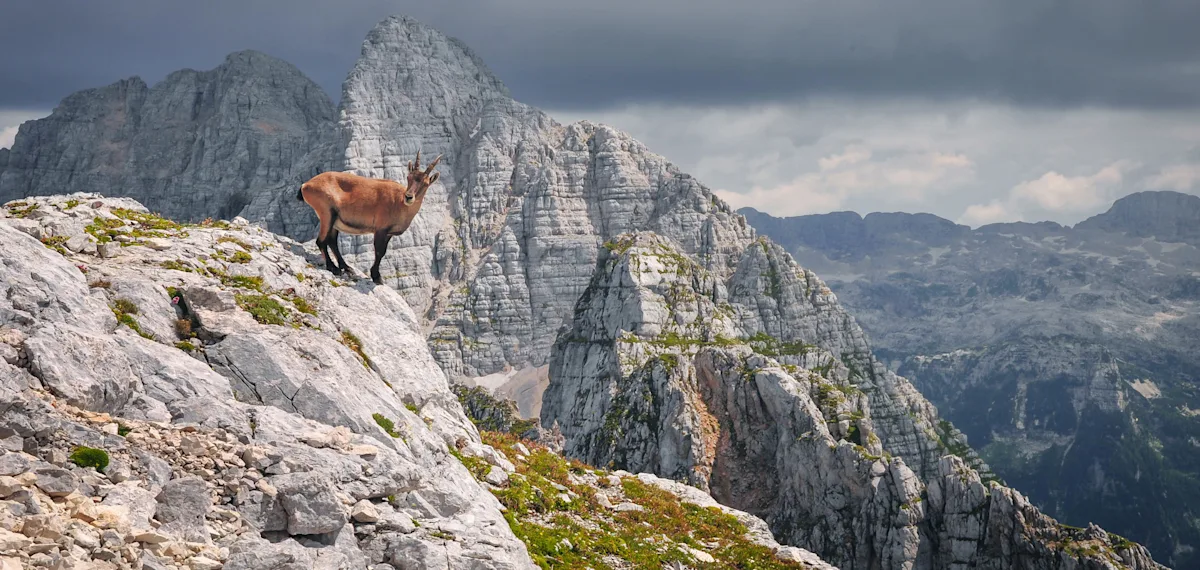
Let’s cut straight to it. An environmental portrait is essentially a photo of a subject taken in their surroundings. They are usually shot relatively wide and show a good bit of context and even scale in the scene.
When it comes to nature photography, we’re usually talking about an animal as your subject, and the surroundings being that critter’s natural habitat. It could be a lion surrounded by savanna, a polar bear on the tundra, or any number of other animals (yes, even small ones!) that goes beyond a typical portrait.
Typical wildlife portraits are tight, they are zoomed in, concentrate on the animal itself, and oftentimes have little to no context of where it is or what’s around it.
Those types of photos are great, and they allow us to showcase the emotion, the eyes, and other granular details of that animal. And that often can be show-stopping and connect the viewer with the animal in a deep way.
But to truly understand the animal, we must think beyond…we must understand how it lives, where it lives, and additional detail about the environment it’s in.
Why Photograph an Environmental Portrait?
There are several reasons. First, this style of photography complements the filling-the-frame portrait style shots very well. If you have the zoom/telephoto flexibility to shoot tight one moment and then shoot wide the next, it’s just a matter of experimenting and hedging your bets on what will make that scene really pop for you.
Second, these types of photos are usually more captivating beyond the first few seconds. The classic wildlife portrait is excellent for capturing attention, but after the first few moments, there just aren’t many places for the eye to go. Environmental portraits, on the other hand, contain loads of information and (hopefully) a story unfolds as the viewer examines the scene. Simply put, they might just be better photos, depending on your purposes.
Third, they do a bit more justice to the scene in front of you. A close-up gorilla photo is wonderful, but in theory that could have been taken anywhere. And, if you are photographing gorillas in the wilds of a place like Bwindi Impenetrable National Park, it wasn’t easy to get there! It does justice to your own sense of exploration, intrepidness, and journey.
Finally, they hold some real conservation value. Environmental portraits inherently have more storytelling potential, they get people to ponder longer, and pair very nicely with captions, short essays, and more information about the animal and its required space.
How to Capture Environmental Portraits
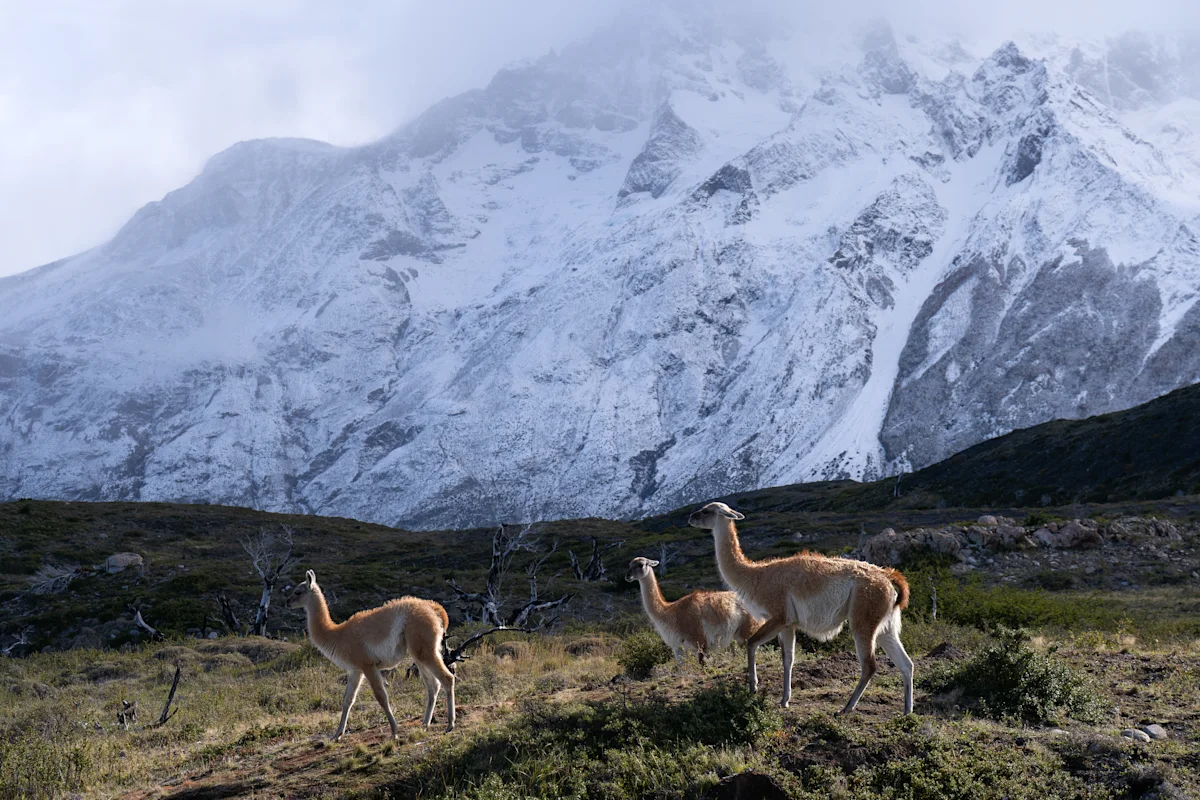
We’ll end with a bit of the ‘how’ here. So, the super short answer is zoom out. For instance, if you have a 100-400mm lens, and like to get your tight shots at 400mm, try zooming out to 100 and looking at these as landscape photos that just happen to have wildlife in them. Maybe you even switch lenses to a 70-200mm or 24-70mm. Either way, go wide.
The more complicated answer is now that you have so much additional space in your photo, you have to be more discerning of what you choose to put in your scene. Start asking yourself questions like where do you place the animal, are there distracting elements that don’t add to the scene, or should I actually move to get a better photo? Do I want a deep or shallow depth of field, and what is the lighting doing? Should I come back earlier tomorrow or perhaps I should pay attention to the weather right now to see if lighting will change, for the better or worse.
Again, there is no perfect formula and in fact some of the best environmental portraits come from creating something new. An angle, composition, or behavior that others just haven’t seen much out there. But the general idea is that you want to include important and aesthetic landscape elements in your photo to provide context and story to the wildlife encounter.
In Summary
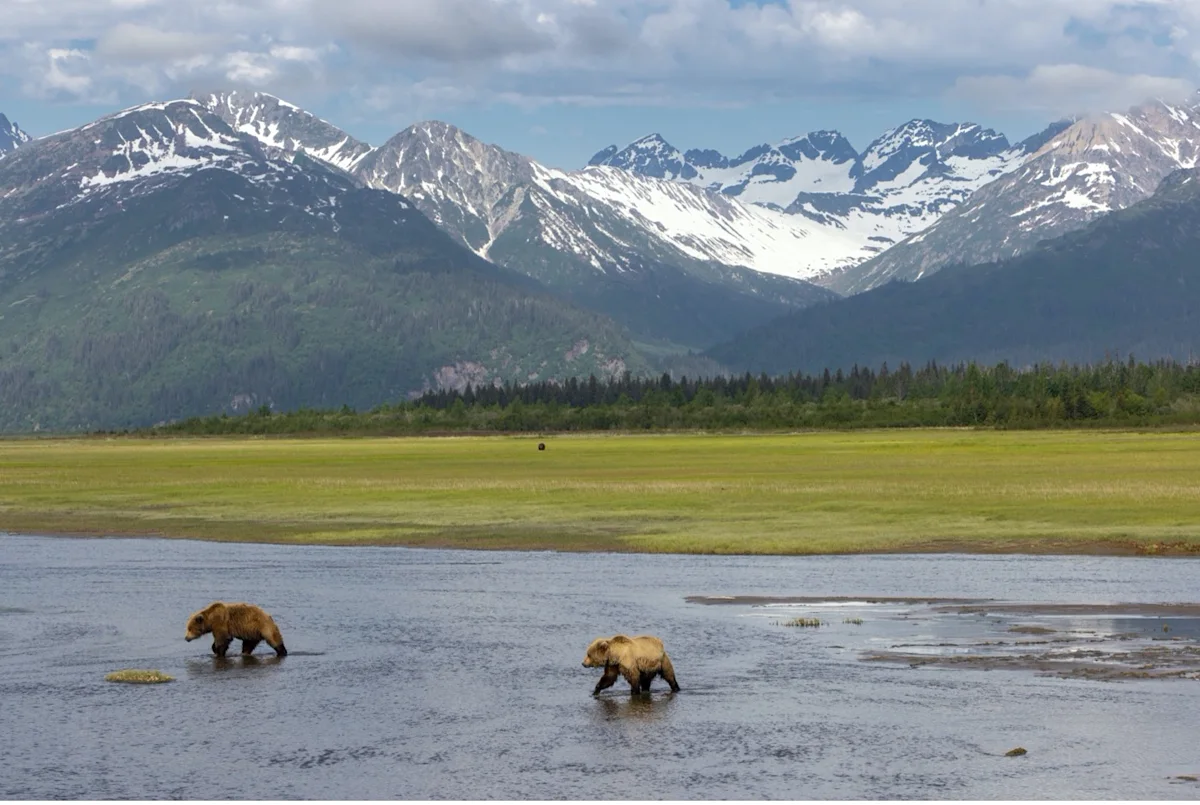
The next time you’re photographing wildlife, get those wonderful close-ups, but then take a moment to zoom out. What else in the scene helps tell this animal’s story? Perhaps it’s the expanse of the savanna, the tangled forest canopy, or the sheer scale of an Arctic landscape.
Be thoughtful about what you include and how you arrange it around your subject. An environmental portrait gives viewers more to explore, helps capture your own experience of being there, and reminds us that protecting wildlife also means protecting the places they call home.
Enjoy it out there!
Court