

Know Before You Go: Tanzania Safaris
Why Should I Go on a Tanzania Wildlife Safari?
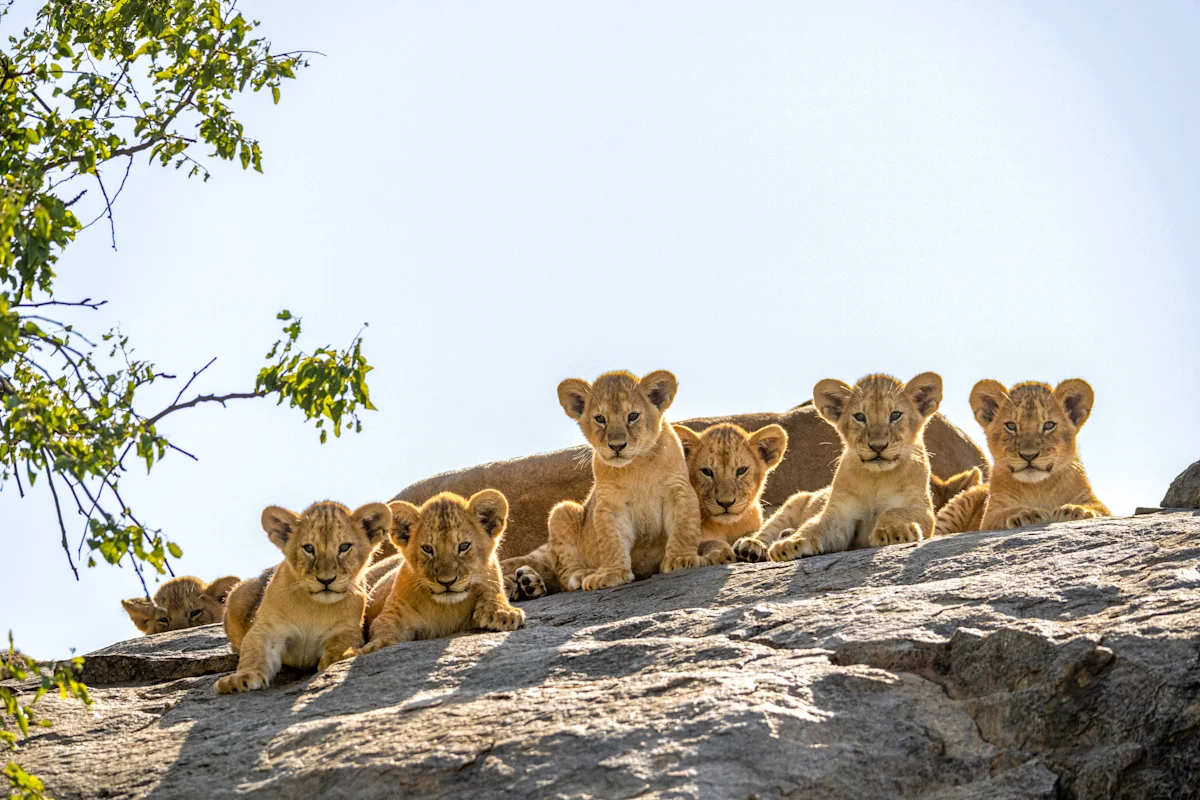
Tanzania is safari country at its most elemental—sun-warmed savannas unfurling to the horizon, granite kopjes rising from seas of grass and night skies so dark the Milky Way glows overhead. This is the Tanzania many travelers imagine when they dream of an African safari: lions stretched in the shade, elephants moving quietly through acacia groves and vast herds of wildebeest rippling across open plains.
What defines a Tanzania wildlife safari is the sense of scale and immersion. Days unfold on the Serengeti’s short-grass plains, where big cats move through the open landscape and predator and prey share the same endless stage. Across regions shaped by ancient volcanic forces, wildlife gathers in remarkable numbers, offering encounters that feel both intimate and profoundly wild.
Tanzania is perhaps best known for the Great Migration, when more than a million wildebeest and zebra follow the rhythm of seasonal rains across the Serengeti. With frequent predator sightings, sweeping horizons and a powerful feeling of space and time, safaris in Tanzania remain among the most evocative wildlife journeys on Earth.
What Makes a Tanzania Safari Extraordinary?
Few places on Earth offer the sensory richness and scale of wild Tanzania. Here, lions prowl beneath acacia trees, elephants cross sunbaked riverbeds and pink-hued flamingos shimmer across alkaline lakes. The country’s vast landscapes—Serengeti plains, baobab-studded valleys, volcanic calderas and coral-fringed coasts—sustain one of the highest concentrations of wildlife on the planet.
From the thundering drama of the Great Migration to the quiet intimacy of watching rhinos in a misty crater dawn, Tanzania rewards travelers with moments both epic and personal. Cultures run as deep as the ecosystems, with Maasai and other Indigenous communities shaping the story of conservation through generations of coexistence. And thanks to well-protected parks and flight-based routes, the country’s wildest regions remain remarkably accessible.
Whether you’re drawn by predator-prey action, rare birdlife or the timeless rhythm of hooves on open grassland, a Tanzania safari delivers a depth of nature immersion that few destinations can match.
Where Should I Go on a Safari in Tanzania?
Most Tanzania safaris begin in the north, where iconic landscapes like the Serengeti and Ngorongoro Crater hold some of the greatest concentrations of wildlife on the planet. Big skies, dramatic scenery, and thrilling predator-prey encounters come together effortlessly in one unforgettable journey.
The Serengeti & the Great Migration on a Grand Scale
Spanning roughly 5,700 square miles, Serengeti National Park is Tanzania’s premier safari destination and the heart of one of Africa’s most important ecosystems. This vast landscape of open plains, acacia woodlands and granite kopjes—boulder-strewn outcrops that serve as lookouts for predators and shelter for prey—is home to over two million wildebeest, plus huge numbers of zebra, gazelles and other grazers.
The Serengeti is the stage for the Great Migration, a year-round, circular movement of animals tracking seasonal rains and fresh grass. While the ecosystem spans the Kenya–Tanzania border, wildlife flows freely across it, oblivious to human boundaries. Depending on the time of year, you might:
Track massive herds moving toward new grazing grounds
Witness lion hunts or cheetahs chasing prey on open plains
Watch wildebeest mass along riverbanks in the north, then plunge into crocodile-filled waters
With abundant predators and nonstop wildlife action, the Serengeti delivers a dynamic and cinematic safari experience.
Ngorongoro Crater & Highlands: A Safari in a Lost World
Pairing the Serengeti with the Ngorongoro Crater creates one of the most rewarding two-part safaris in Africa. Nearly 12 miles across and more than 2,000 feet deep, this collapsed volcanic caldera forms a contained ecosystem like no other.
Inside the crater, grasslands, soda lakes and acacia thickets sustain a remarkable density of animals. You might see lions sprawled near hippo pools, zebras grazing beside rhinos, or flamingos sweeping across mineral-rich shallows. All of this unfolds beneath steep crater walls that rise around you, creating a natural amphitheater of wildlife activity.
Beyond the crater, the Ngorongoro Highlands offer cool, verdant contrast to the sun-warmed Serengeti—forested ridges, farmland and cultural encounters that deepen your sense of place.
Cultural Depth Through Local Connections
Tanzania is not just a wildlife destination—it’s a place where conservation and culture are deeply intertwined. A well-crafted safari often includes:
Visits to Maasai villages in the Ngorongoro region
Walks with Indigenous guides who share deep knowledge of the land
Conversations with community members leading conservation projects
These moments offer context and meaning, showing how people and wildlife have coexisted here for generations.
Other Top Destinations in Tanzania
While the Serengeti and Ngorongoro are at the core of most itineraries, northern Tanzania has even more to explore:
Tarangire National Park – Known for massive dry-season elephant herds, baobab trees and seasonal rivers that draw diverse wildlife
Mount Kilimanjaro, opens in new tab – Africa’s tallest peak attracts climbers and photographers to its glacier-capped summit and montane forests
Arusha – A lively gateway city to northern Tanzania’s safari circuit
The Great Rift Valley – Adds dramatic escarpments, volcanic craters and alkaline lakes that teem with birdlife
Zanzibar – A post-safari paradise with spice-scented markets, white-sand beaches and coral reefs rich in marine life
Together, these destinations showcase Tanzania’s extraordinary ecological and cultural range—making it one of the most rewarding safari countries on the planet.
Why Travel with Natural Habitat Adventures to Tanzania?
Natural Habitat Adventures is the best company for a Tanzania safari with because we offer exclusive wildlife access, seamless logistics and meaningful conservation travel. Our Tanzania safaris place you in the heart of the Serengeti, far from the crowds. Our small-group adventures prioritize remote regions, chartered flights and private mobile camps in the path of the Great Migration—maximizing your chances of witnessing river crossings, predator activity and prolific wildlife.
Key advantages of traveling to Tanzania with Nat Hab include:
Exclusive Nat Hab safari camps in private areas of the Serengeti—Nat Hab’s Serengeti East Camp and Migration Camp—Serengeti North offer front-row access to migratory herds and predator hotspots
Small group sizes and uncrowded 4x4 vehicles for quiet wildlife encounters and better photo opportunities
Internal chartered flights between key regions to reduce transit time and increase your time on safari
Expert Expedition Leaders with deep knowledge of Tanzania’s ecosystems and wildlife, joined by local Tanzanian guides for authentic insights and personalized guiding
From wildebeest river crossings to predator-packed plains, Nat Hab gives you unmatched access to Tanzania’s most dramatic wildlife spectacles—while helping protect the wilderness that makes them possible.
“In the series' first episode, titled “One Planet,” a sequence shot in Serengeti National Park marks one of the first times African wild dogs have been filmed since the endangered species disappeared from the protected area in 1991. The scene, in which the hunting dogs chase wildebeest calves, is one of many wildlife sightings that’s possible to witness on safari in the Serengeti. On the eight-day “Great Tanzania Migration Safari” with Natural Habitat Adventures (WWF’s official travel partner), naturalist Expedition Leaders lead small groups through the UNESCO-listed plains during peak migration season for wildebeests, gazelles, and zebras.” —AFAR, opens in new tab
Why Choose Nat Hab for a Tanzania Wildlife Safari?
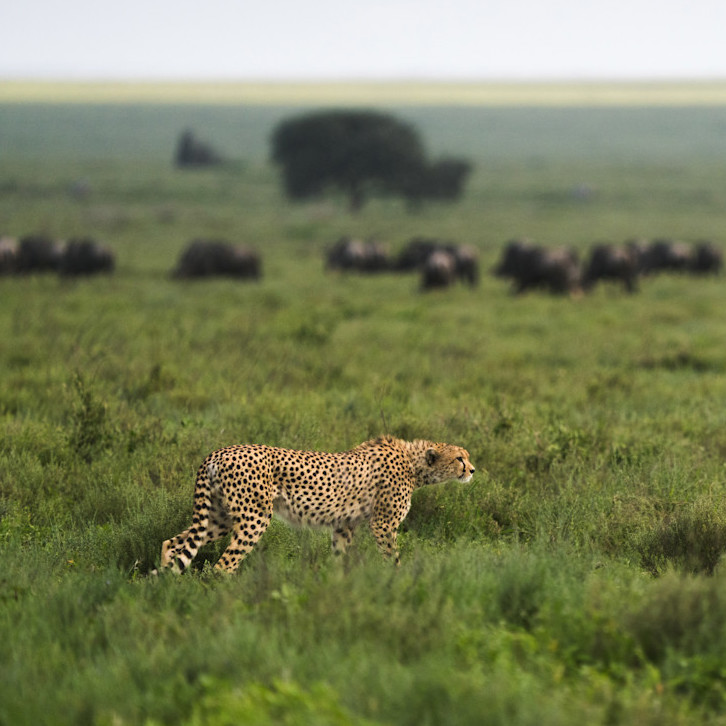
Our custom-crafted Tanzania safaris combine the Ngorongoro Crater and two distinct regions of the Serengeti into a single, seamless journey. Chartered bush flights maximize your time in the field and put you close to the action during key wildlife events like the Great Migration. Learn More
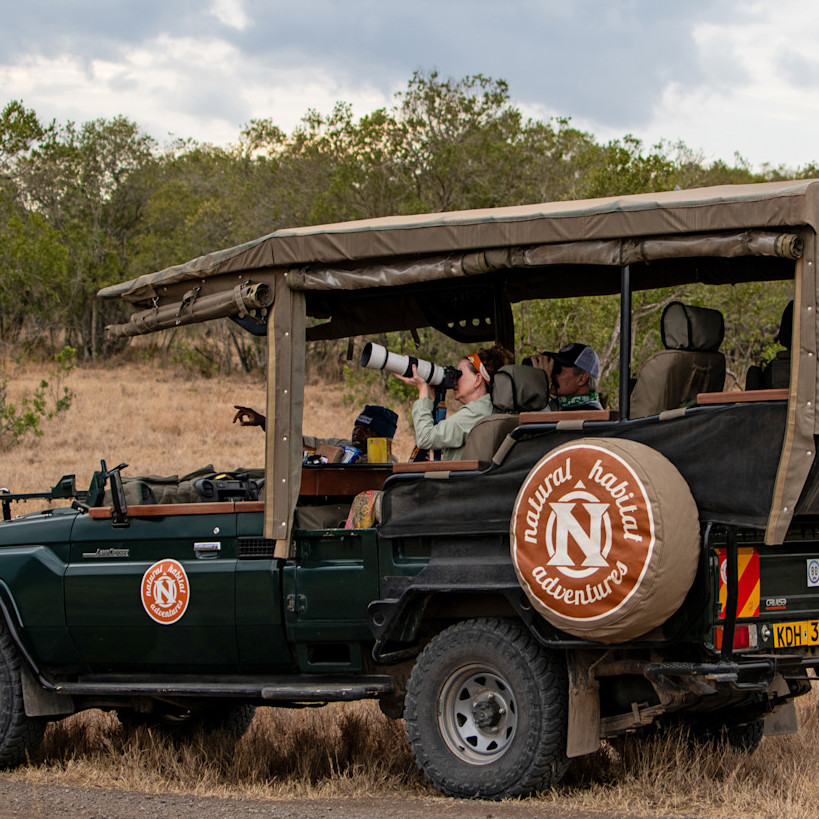
With no more than 12 guests per trip, each traveler enjoys a “window seat” in our open safari vehicles and unhurried wildlife viewing. Smaller groups allow for a quieter, more flexible experience—including the freedom to linger with lions, elephants or cheetahs. Learn More
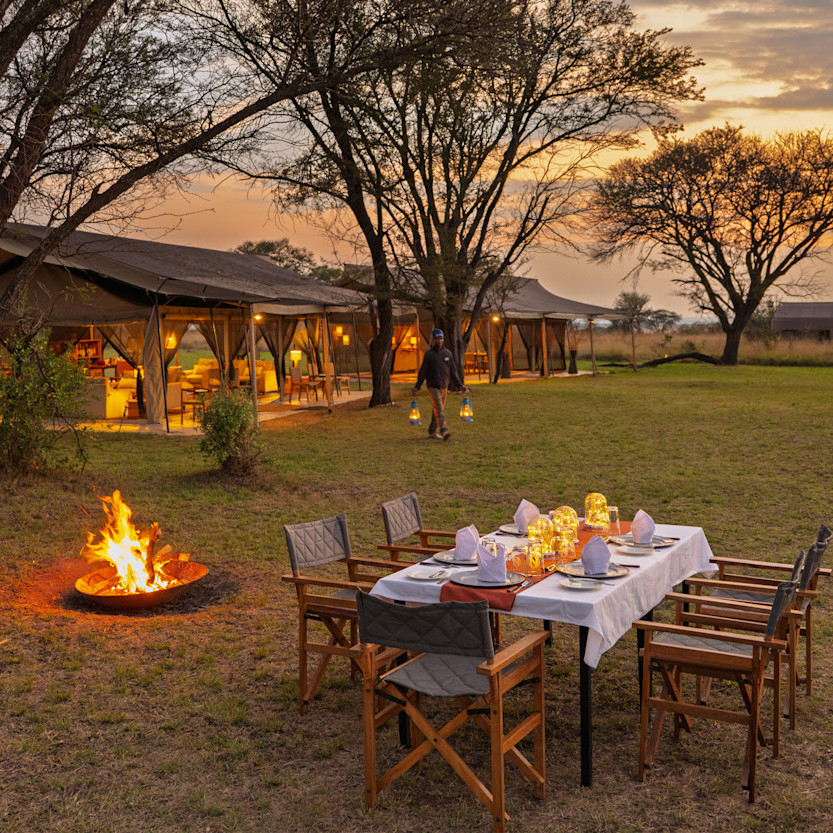
Nat Hab’s private Migration Camps—Serengeti North and Serengeti East—are exclusive mobile safari camps placed in prime wildlife corridors. These classic tented camps offer modern comforts set in the heart of big game country, far from tourist crowds. Learn More
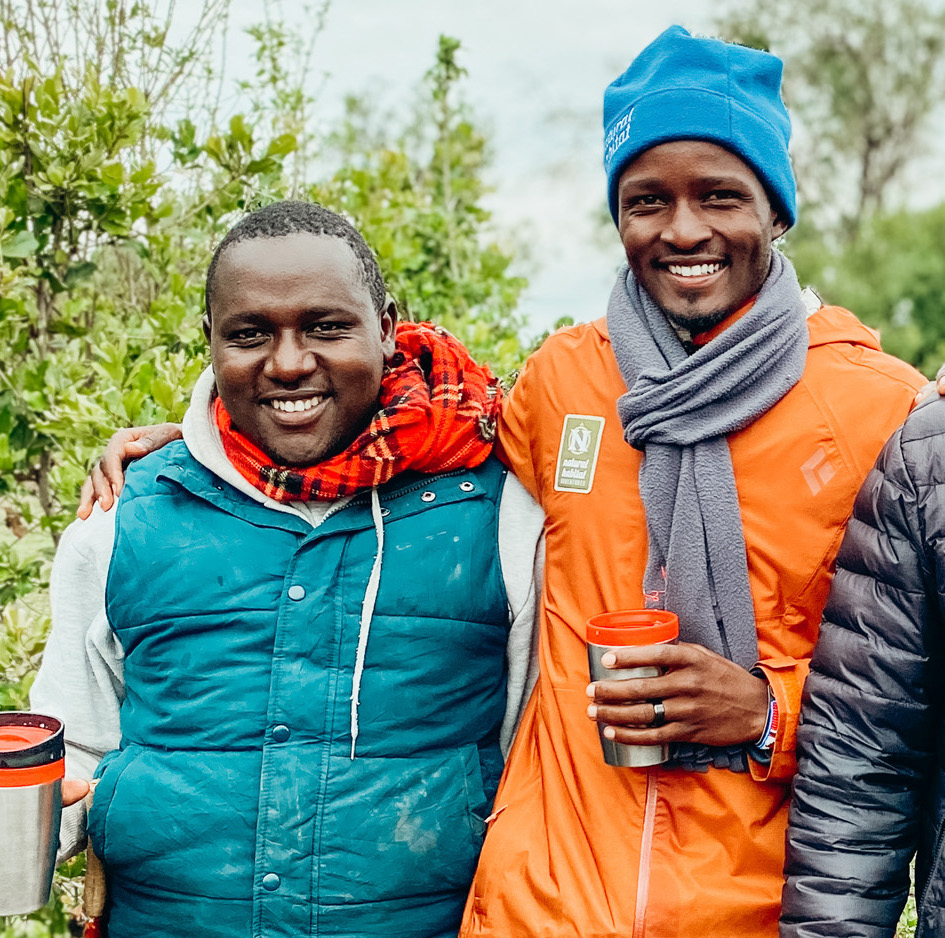
Our Expedition Leaders are among East Africa’s most experienced naturalists, backed by local Tanzanian guides. Their deep knowledge of animal behavior, birdlife and ecosystems brings each sighting to life and fosters a richer understanding of the natural world. Learn More
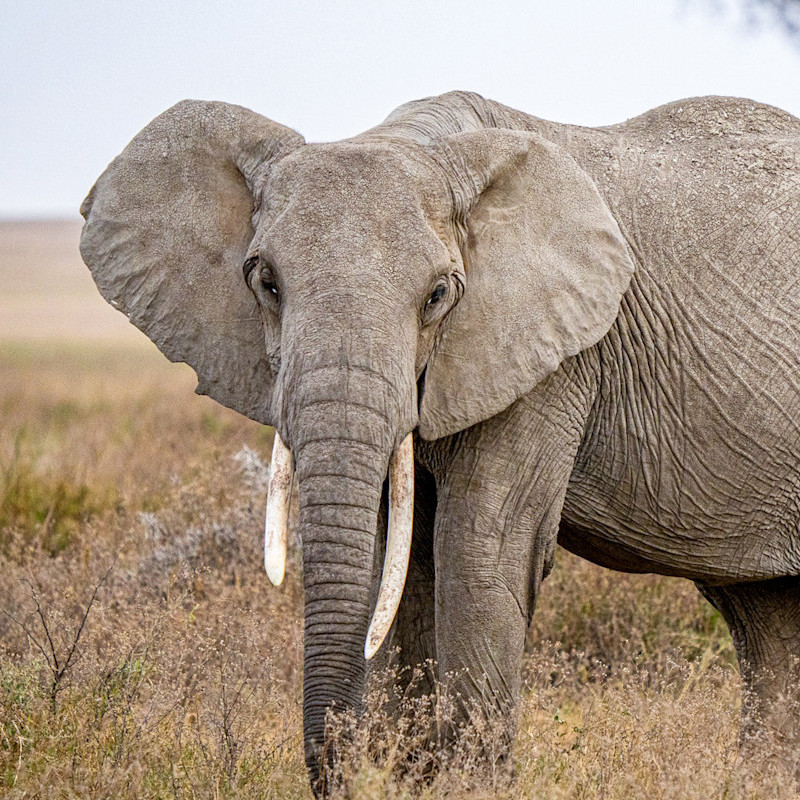
Your Tanzania safari directly supports protected areas, wildlife research and community development. By staying in low-impact camps and partnering with local conservation organizations, we help ensure the long-term survival of elephants, big cats and other iconic Tanzanian wildlife. Learn More
Tanzania Safari Guide


Frequently Asked Questions
What should I pack for a Tanzania safari?
Pack neutral-colored, lightweight clothing for warm days and a fleece or jacket for cooler mornings and evenings. Include a wide-brimmed hat, sunglasses, sunscreen, insect repellent, closed-toe walking shoes, binoculars and your preferred camera gear.
How long should a Tanzania safari be?
Plan for at least eight days to cover two core regions like the Serengeti and Ngorongoro Crater. For a deeper experience, 10 to 12 days allows more time for wildlife photography, flexible game drives and seasonal highlights such as the Great Migration or big cat tracking.
What is the best way to get to Tanzania to start my safari?
Most travelers fly into Kilimanjaro International Airport near Arusha, typically via European or Middle Eastern hubs. Your Nat Hab safari begins from Arusha, with chartered bush flights connecting you to remote camps in the Serengeti and beyond.
What kind of vehicles are used for game drives in Tanzania?
Tanzania game drives are conducted in custom 4x4 safari vehicles with tiered seating, large windows and pop-up or open roofs for unobstructed views. Each guest has a window seat, and vehicles are never filled to capacity to allow comfortable movement and better wildlife photography.
What is the food like on a Tanzania safari?
Meals are fresh, hearty and locally sourced, with a mix of international favorites and Tanzanian flavors—think grilled meats, vegetable dishes, chapati, rice and curries. Breakfasts include fruit, baked goods and hot beverages for early starts.
Do I need vaccines or malaria medication for Tanzania?
Travelers are often advised to be up to date on routine vaccines and may be prescribed malaria prophylaxis. Yellow fever vaccination may be required depending on your travel route. Consult a travel clinic or medical provider for personalized guidance.
What currency is used in Tanzania?
The Tanzanian shilling is the local currency, used mostly for small purchases and tips. U.S. dollars are widely accepted, especially at safari camps and lodges. Credit cards are accepted at many larger accommodations, though rural areas may have limited connectivity.
Can Nat Hab help me book a hotel if I want to arrive early?
Yes. If you’d like to arrive in Arusha a day or two before your safari, we’re happy to assist with pre-night hotel bookings near the airport or city center.
I want to stay and explore more of Africa—can Nat Hab help me plan a trip extension?
Absolutely. Nat Hab offers custom trip extensions to places like Arusha, Tarangire National Park and Kenya's Maasai Mara. Our team can tailor post-safari travel to match your interests.


