
Know Before You Go: Tanzania Safaris
What Wildlife Will I See on a Tanzania Safari?
Tanzania is one of the world’s greatest wildlife destinations, home to the planet’s highest concentration of large mammals. From lions stalking the Serengeti plains to elephants silhouetted against baobab trees in Tarangire, a single trip here can yield sightings of Africa’s most acclaimed species—plus a wide cast of lesser-known but equally fascinating wildlife, like bat-eared foxes, servals and caracals.
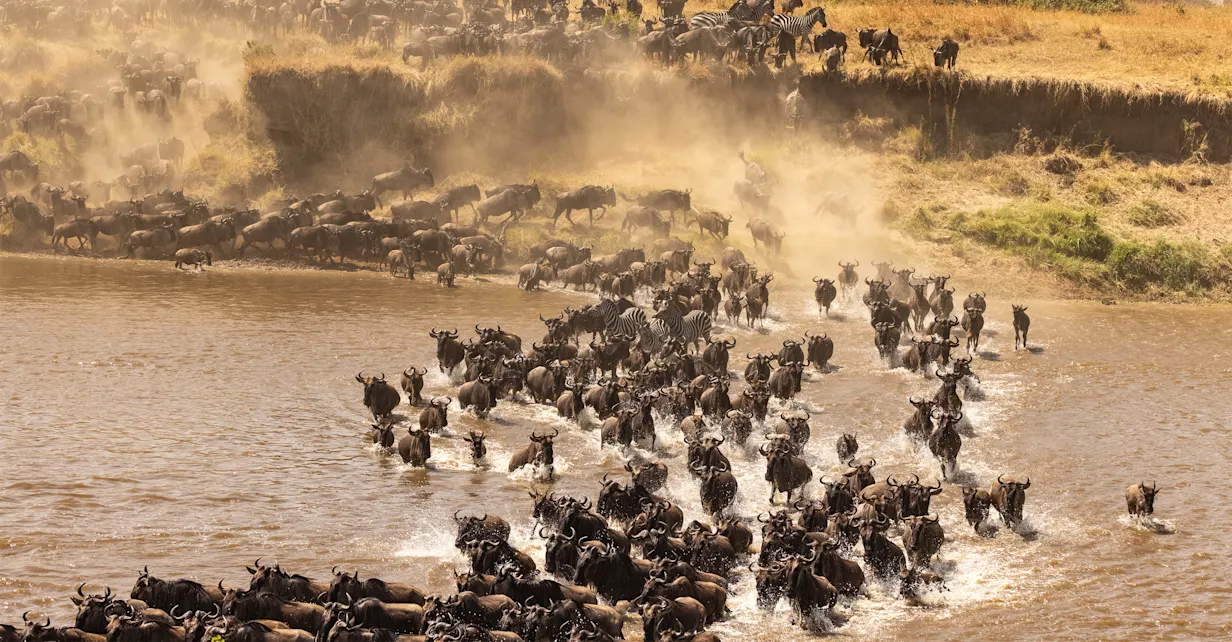
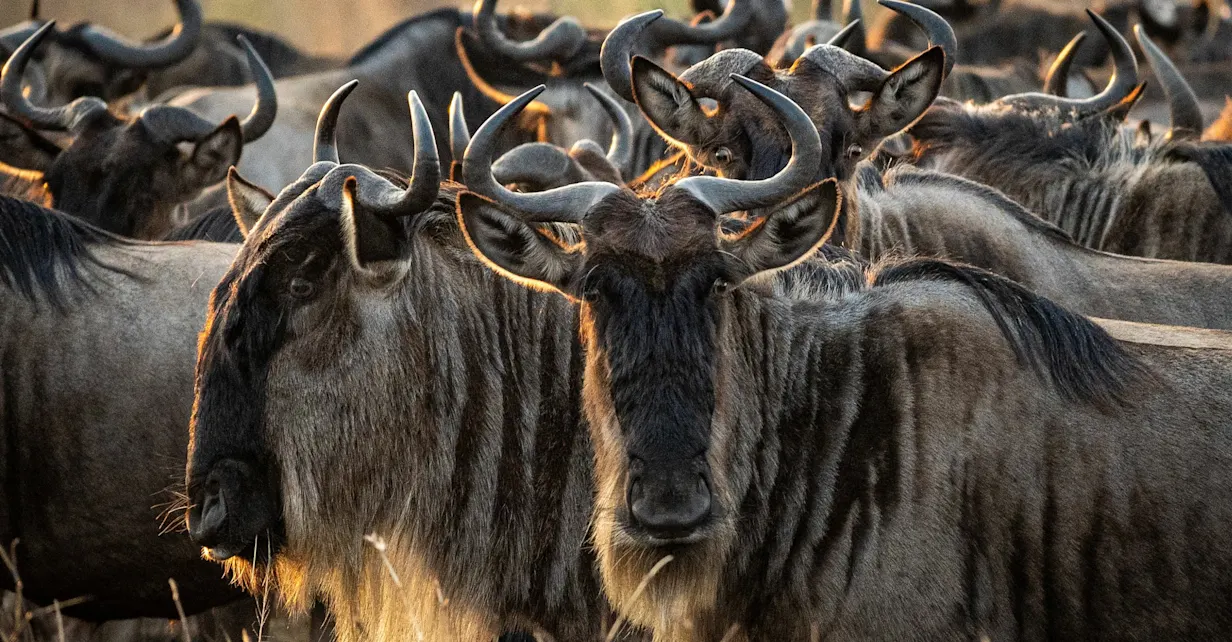
Whether you’re tracking wildebeest during the Great Migration or scanning crater lakes for hippos and flamingos, Tanzania delivers a safari experience rich in diversity, density and dramatic behavior.
Why Is Tanzania One of Africa’s Top Wildlife Destinations?
Tanzania protects approximately 38% of its land in parks and reserves, including global icons like the Serengeti and Ngorongoro Crater. Its protected ecosystems span everything from savannas and volcanic calderas to riverine forests and wetlands. These landscapes support:
Massive ungulate herds and predator densities in the Serengeti ecosystem
The world’s largest intact volcanic caldera, teeming with wildlife in Ngorongoro
Baobab-studded woodlands in Tarangire, known for elephants and migratory species
Seasonal waterbird gatherings in Lake Manyara and other Rift Valley lakes
Together, these regions form an unmatched network for observing free-ranging wildlife in its natural context.
How well do you really know East Africa—its thundering wildebeest herds, regal cats and legendary safari landscapes? Take our East Africa Wildlife Trivia Quiz, opens in new tab and put your safari knowledge to the test!
Photo gallery
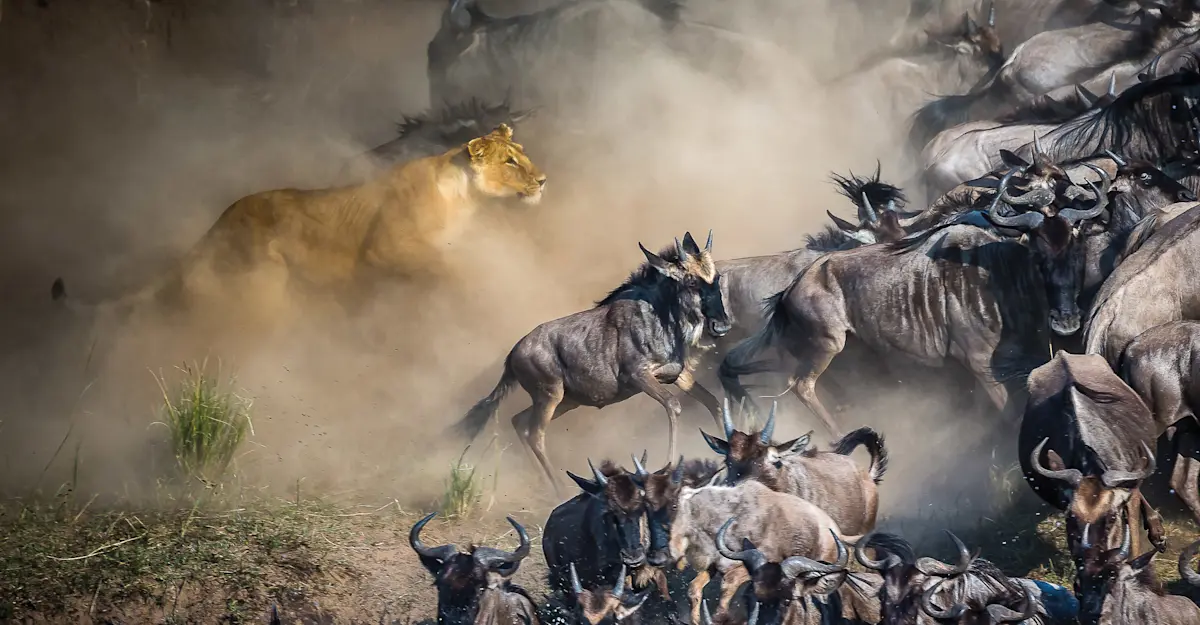
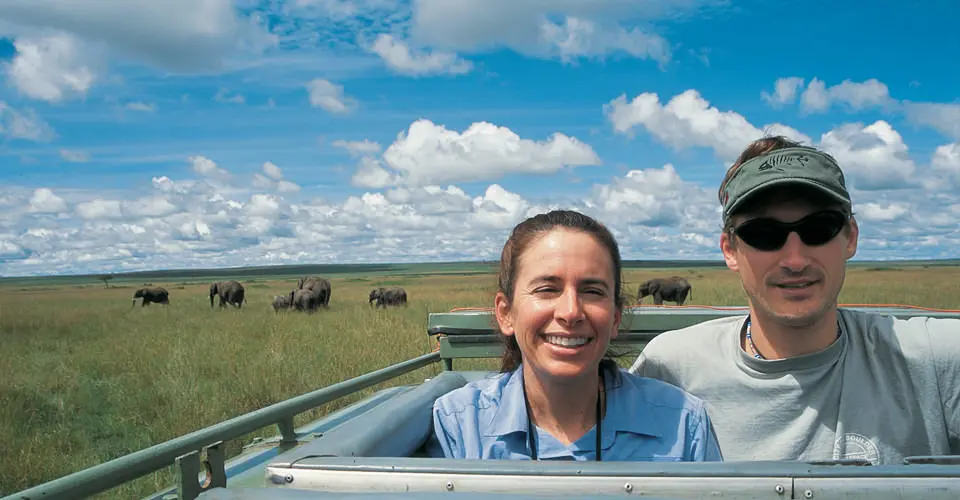
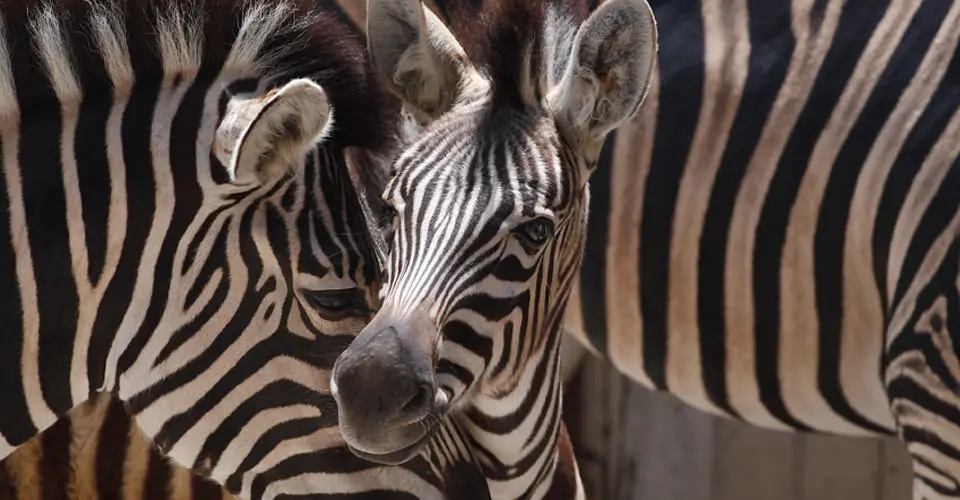
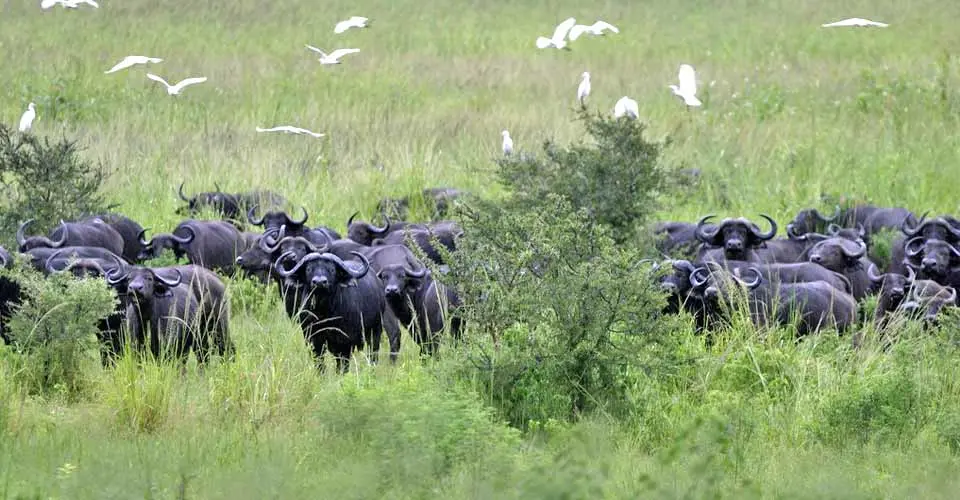
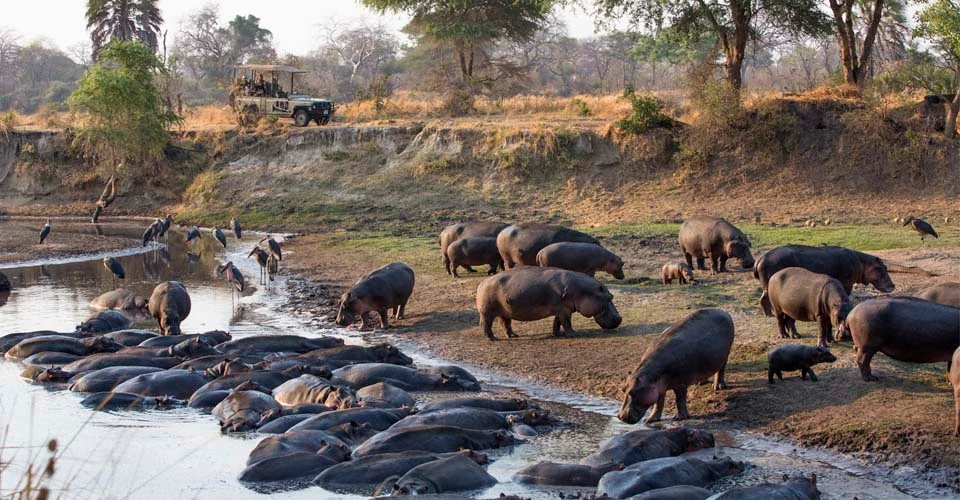
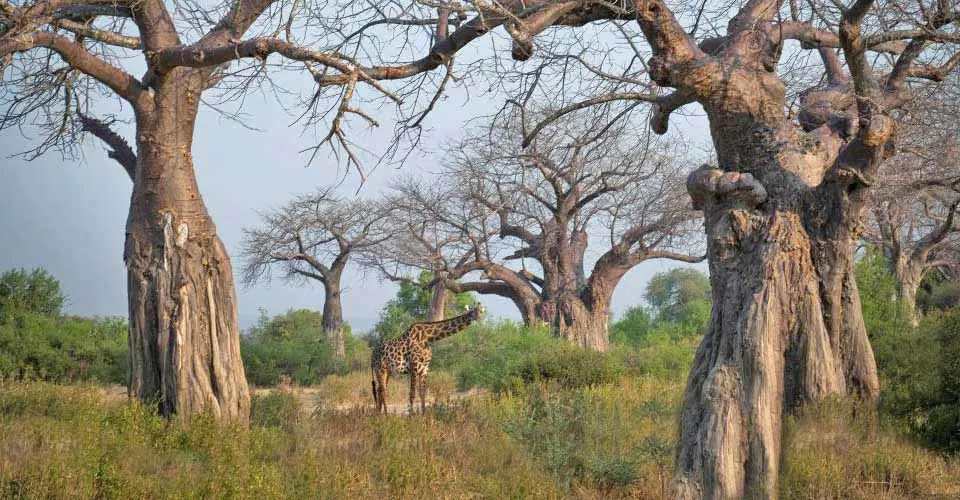
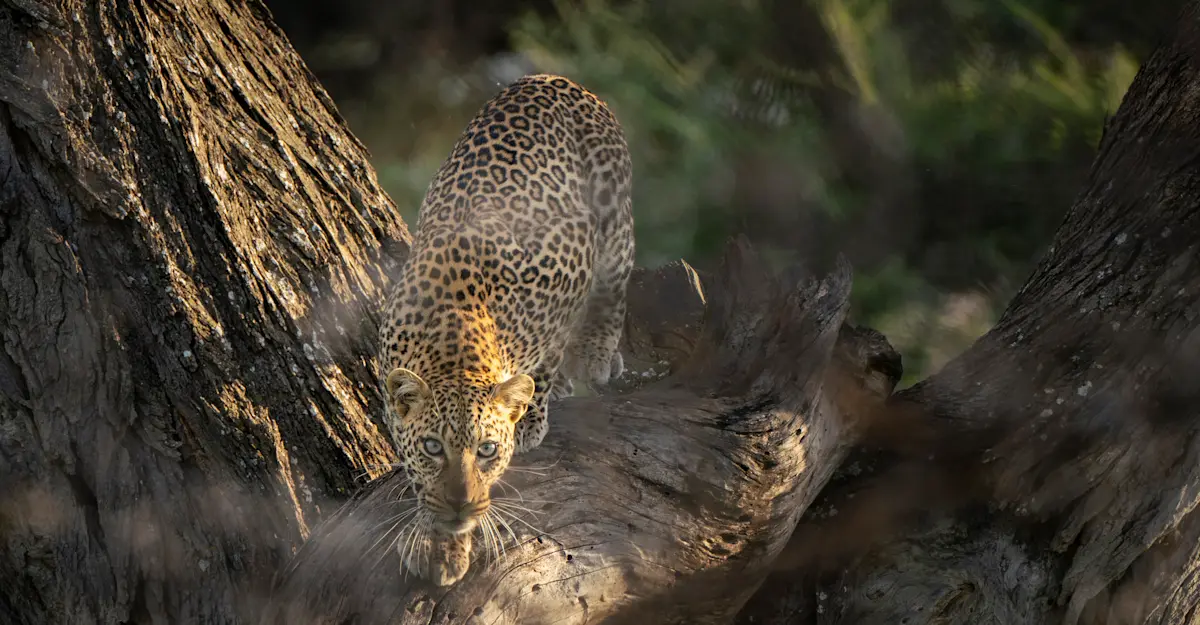
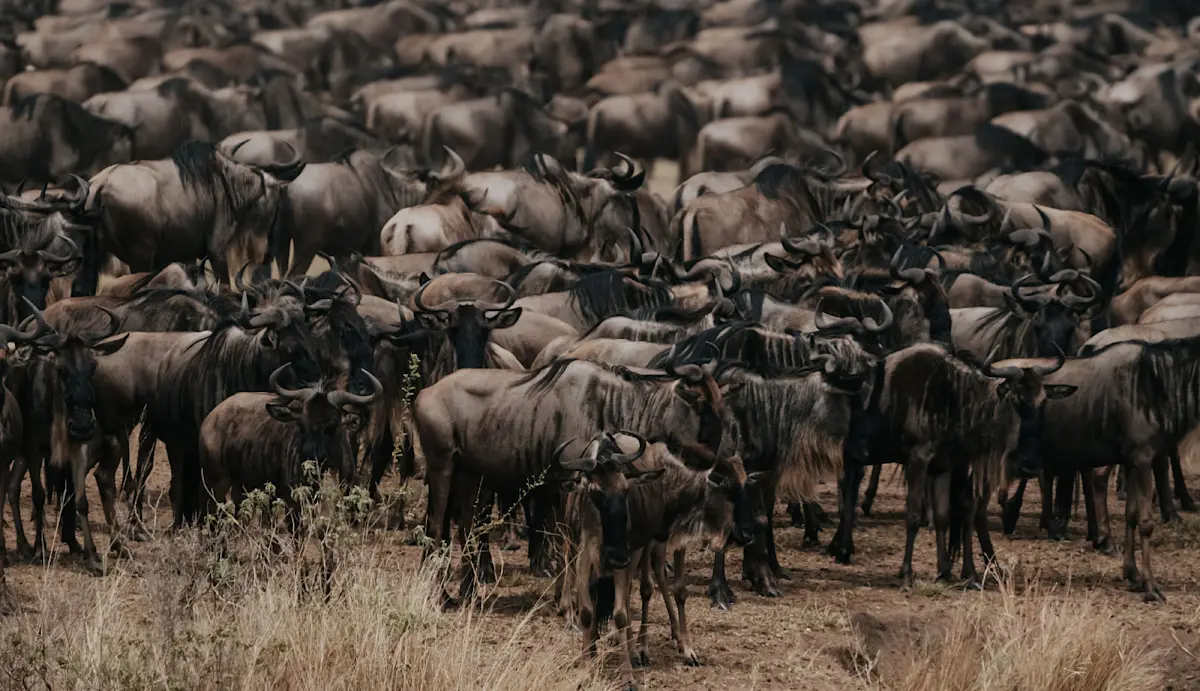
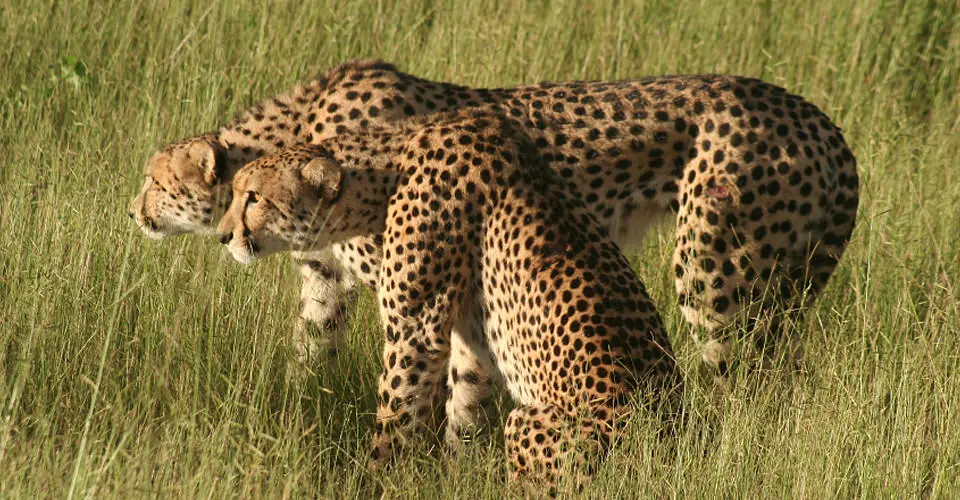
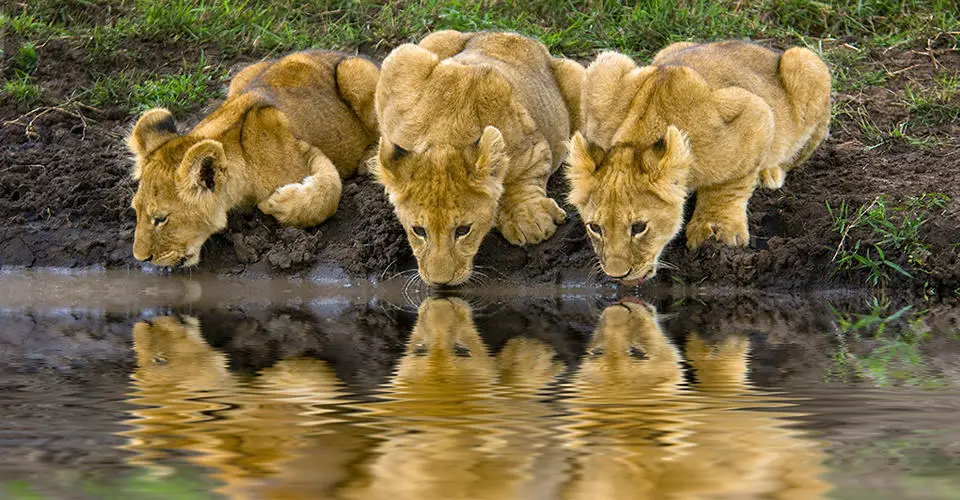
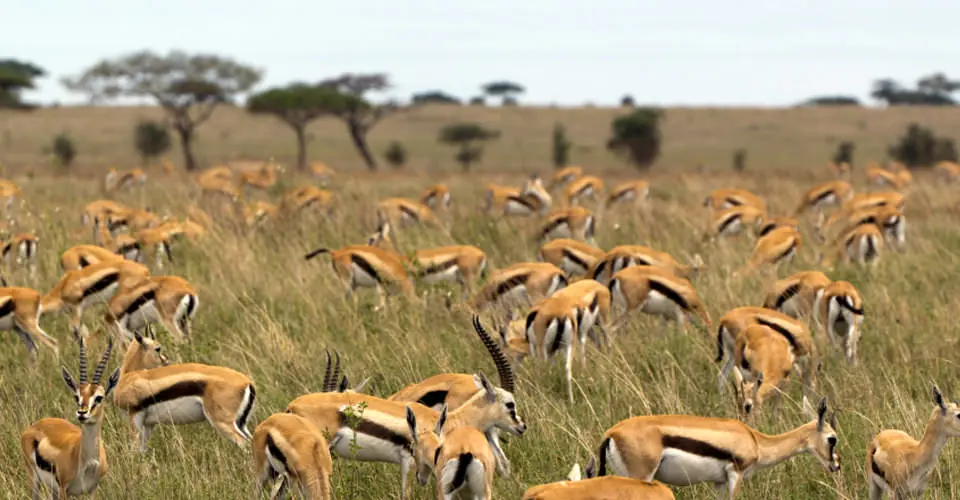
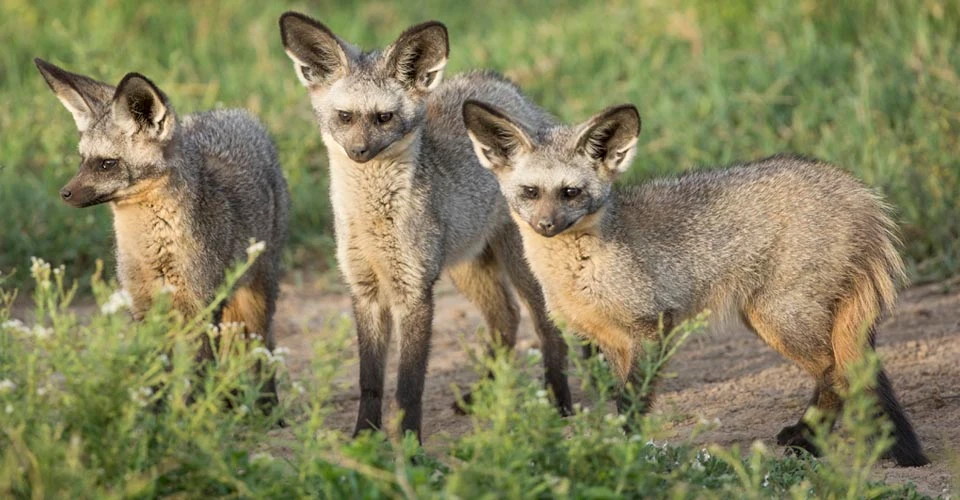
Photo 1 of 12
Wildlife Frequently Asked Questions
Will I See the Big Five on a Tanzania Safari?
Tanzania offers strong opportunities to look for the Big Five—lion, leopard, elephant, rhino and buffalo—especially with a well-designed itinerary across multiple parks.
Lions – Seen frequently in Serengeti and Ngorongoro, often in large prides
Leopards – Common but elusive; best seen in woodlands and riverine zones
Elephants – Widespread and often seen in family groups, especially in Tarangire
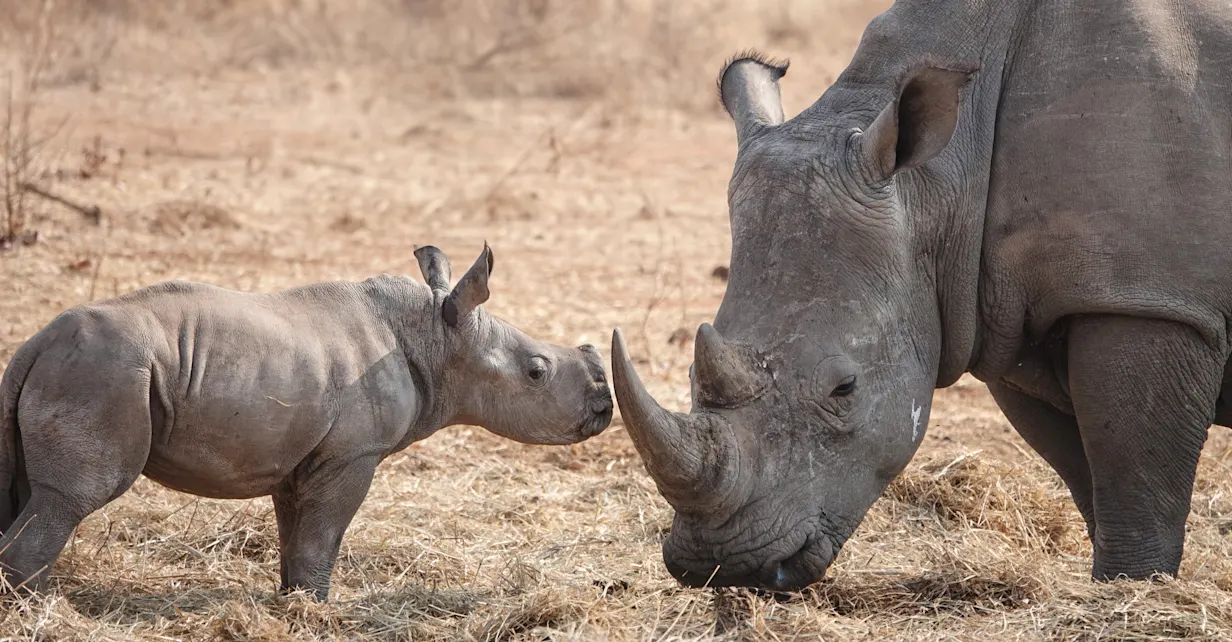
Rhinos – Black rhinos reside in the Ngorongoro Crater; highly protected
Buffalo – Abundant in multiple parks, often forming large herds
You’re also likely to see many other large mammals and predators alongside these headline species.
What Other Large Mammals Will I See on a Tanzania Safari?
Tanzania’s large mammal diversity is exceptional, with many species seen regularly on game drives:
Zebras and wildebeest – Often seen in mixed herds, especially during the migration
Giraffes – Masai giraffes roam widely in savannas and woodlands
Hippos – Found in rivers, lakes and seasonal pools throughout the parks
Warthogs – Common in most ecosystems
Antelope species – Impala, eland, topi, waterbuck, Grant’s gazelle and more
In drier areas like Tarangire or Lake Natron, look for arid-adapted species such as gerenuks, oryx and lesser kudu.
What Predators Will I See on a Tanzania Safari?
Predator–prey interactions are a highlight of any Tanzania safari. The sheer scale of grazing herds in places like the Serengeti creates ideal hunting conditions for Africa’s top carnivores. Expect to see:
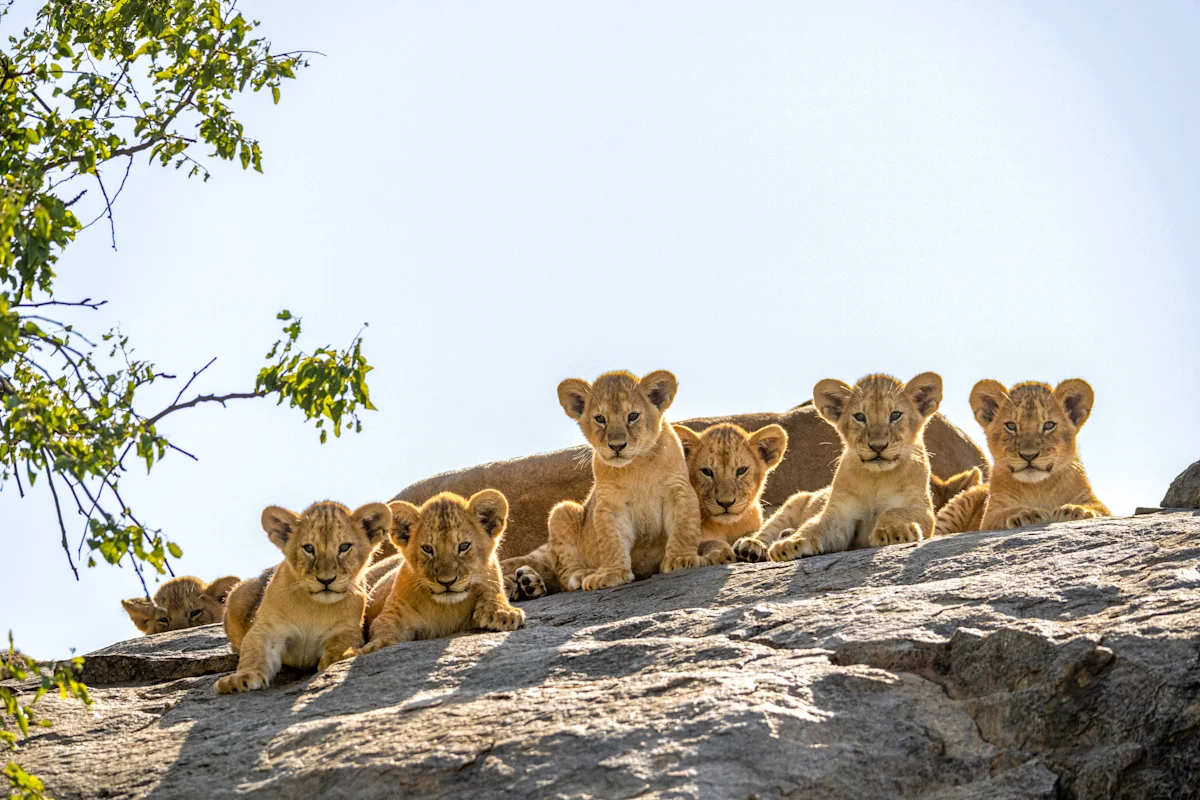
Lions – Often seen resting on kopjes or hunting in open plains
Cheetahs – Common in the Serengeti’s open country
Leopards – Usually found in wooded habitats, often in trees
Hyenas – Abundant and vocal, seen both hunting and scavenging
Jackals – Side-striped and golden jackals are active across many parks
Crocodiles – Especially in the Mara, Grumeti and Rufiji rivers
With patience and a skilled guide, it’s possible to observe these predators hunting, feeding and interacting with one another.
What Primates and Smaller Mammals Will I See on a Tanzania Safari?
Tanzania’s forests and woodland edges support a wide range of smaller mammals and primates that add energy and movement to the safari experience. You may see:
Olive baboons – Social troops frequently seen on roads and riverbanks
Vervet monkeys – Agile, gray monkeys with black faces and expressive behavior
Blue monkeys – Shyer, forest-dwelling primates with long tails and soft fur
Black-and-white colobus monkeys – Leaping acrobats in highland forests
Other small mammals like dik-diks, mongoose species, bush babies and hyraxes are common in certain habitats and often spotted during walks or near camp.
What Birds Will I See on a Tanzania Safari?
Tanzania is a premier birding destination with more than 1,100 recorded species. Birdlife is spectacular across all ecosystems, whether you’re in open savanna, woodland, forest or lake environments. Expect to see:
Ground birds – Ostriches, bustards, secretary birds and guineafowl
Birds of prey – Eagles, hawks and vultures soaring above the plains
Colorful birds – Rollers, bee-eaters, starlings and sunbirds
Waterbirds – Pelicans, flamingos, storks and kingfishers around lakes and rivers
The Rift Valley lakes in particular—such as Manyara, Eyasi and Natron—draw flamingos and thousands of other waterbirds depending on season.
When Are Wildlife Most Active in Tanzania?
As in much of East Africa, wildlife in Tanzania is most active in the early morning and late afternoon. Game drives are timed to coincide with these cooler hours when animals feed, move and interact more frequently.
Morning drives offer golden light, crisp air and predator sightings
Late afternoon drives often feature dramatic skies and calm water reflections
Midday is typically quiet and used for rest, although some animals (like elephants) remain active
The rhythm of each day is built around these active windows to ensure you’re out when nature is at its best.