Good Nature Travel Blog

  • Nature & Wildlife

    Halfway into the Year of the Bird, and Still in Trouble

    Jul 17, 2018 · Candice Gaukel Andrews

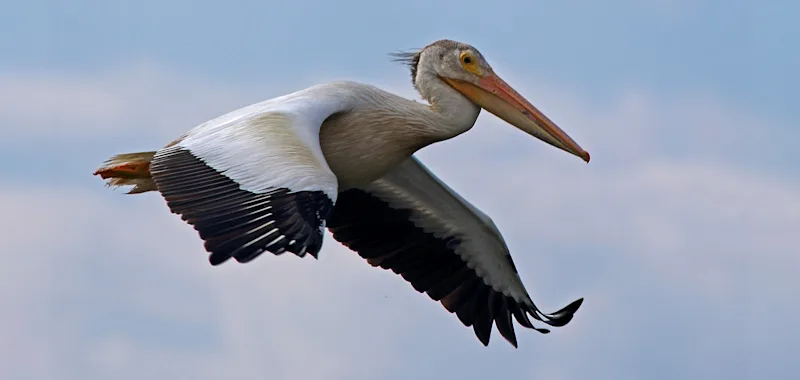
    We’re more than halfway into 2018, the Year of the Bird. When I wrote about this banner year back in December 2017, I wondered if by marking the 100th anniversary of the Migratory Bird Treaty Act (MBTA), we would make any true progress on protecting our nation’s—and the world’s—birds.
  • Videos

    Videos: Whooping Cranes and a Bold Experiment

    Nov 16, 2017 · Candice Gaukel Andrews

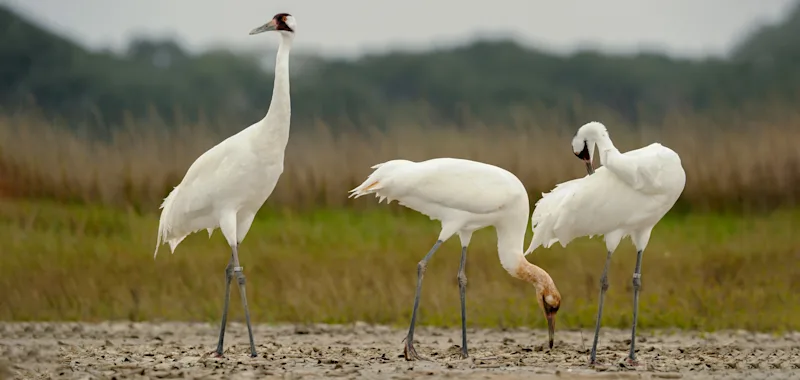
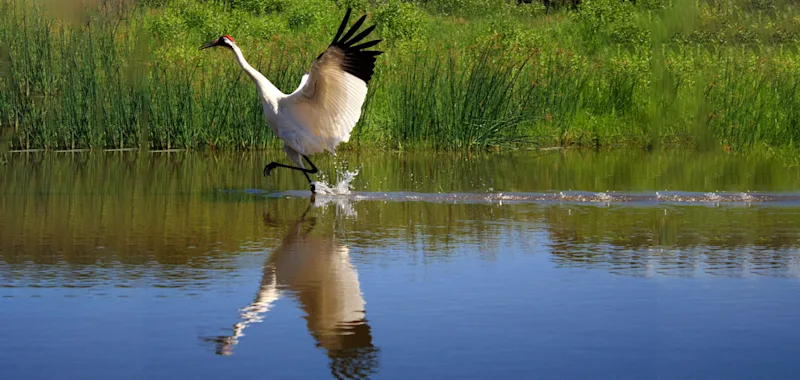
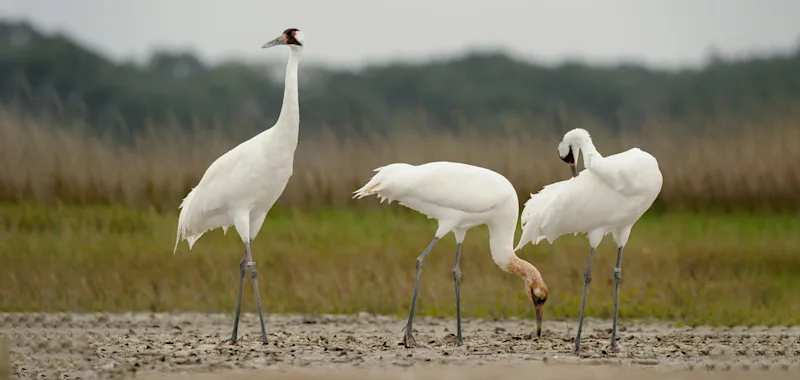
    In 1942, there were fewer than 20 whooping cranes left alive in the world. Their habitats were vanishing, and they had been hunted almost to extinction. If we were to keep them from blinking out, we needed to think in new and bold ways. With the help of science, we did.

  • Nature & Wildlife

    Whooping Crane Recovery a Victim of Federal Budget Cuts

    Nov 14, 2017 · Candice Gaukel Andrews

    After more than 50 years, the largest captive-breeding-and-release program for whooping cranes is closing. Housed at the U.S. Geological Survey Eastern Ecological Science Center in Laurel, Maryland, the $1.5 million program was cut from the federal budget for fiscal year 2018, which began October 1, 2017.

  • Nature & Wildlife

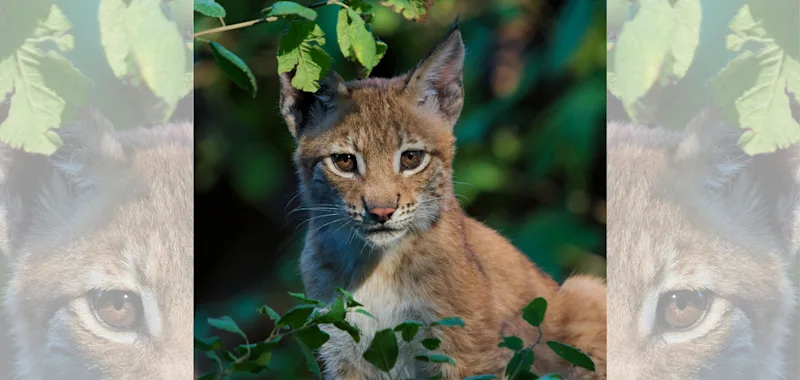
    Could Reintroducing Lynx to Great Britain Revive Ecotourism?

    Oct 3, 2017 · Candice Gaukel Andrews

    It’s a story too often told. Once, a predator roamed wildlands and then was relentlessly hunted to extinction or to the brink of it. In the Lower 48, the histories of bison, gray wolves, beavers, grizzly bears and whooping cranes come to mind. In Great Britain, the story includes Eurasian lynx.

  • Conservation

    Centennial of the Migratory Bird Treaty: Will It Survive Another 100 Years?

    Feb 9, 2016 · Candice Gaukel Andrews

    On December 10, 2015, an 18-year-old southeastern Texas man shot two whooping cranes in a rural area located about 18 miles west of Beaumont, Texas. He said he was hunting ducks. Whooping cranes are migratory birds protected under the Migratory Bird Treaty Act (MBTA).