Good Nature Travel Blog

  • Nature & Wildlife

    Our Impacts on the Natural World

    Aug 19, 2025 · Candice Gaukel Andrews

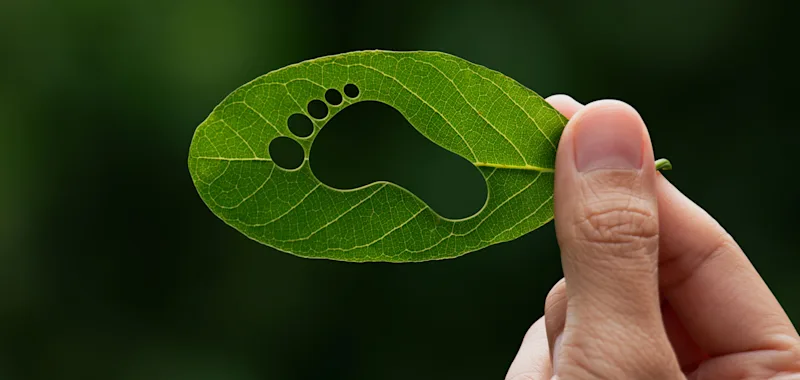
    Our impacts on the natural world can be very large—and often detrimental. This manifests in various ways, including in biodiversity loss, climate change, habitat destruction and pollution. These changes can have cascading effects on ecosystems and human societies, leading to a range of challenges.
  • Nature & Wildlife

    The Influence of Gophers and the Impacts of Wolves

    Jan 21, 2025 · Candice Gaukel Andrews

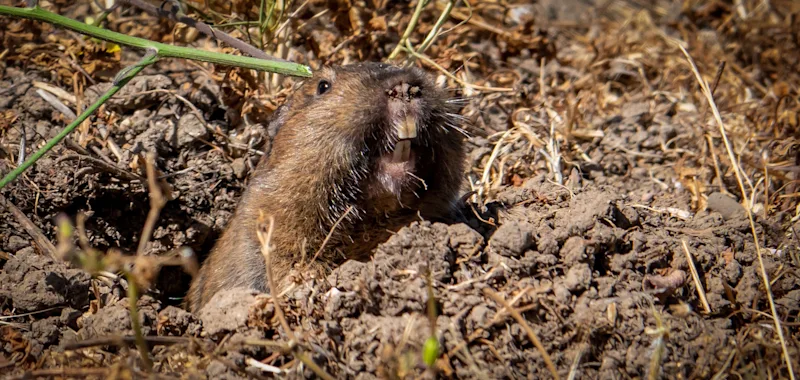
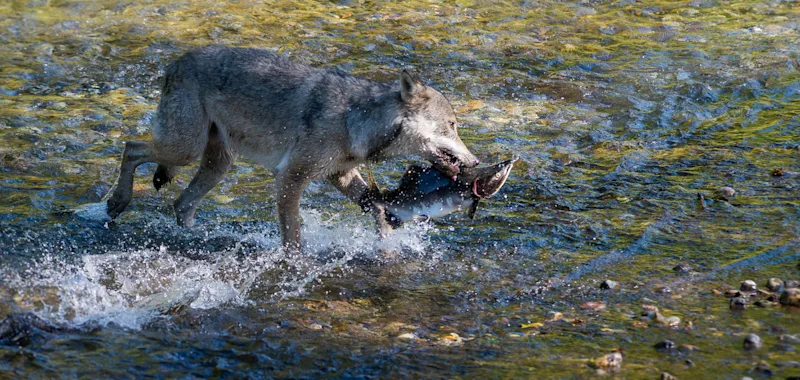
    On the surface, gophers and wolves don’t seem to have much in common. Gophers are small (just a few inches long), burrowing rodents that primarily consume bulbs, roots and other underground plant parts; while wolves (which can reach several feet in length) are much larger predators that hunt and primarily eat meat.

  • Nature & Wildlife

    Coastal Wolves and Their Surprising Catches

    Dec 5, 2023 · Candice Gaukel Andrews

    Wolves are probably one of the most widely studied species on the planet. What’s fascinating, though, is that just when we think we know almost everything there is to know about them, they find a way to surprise us. It’s estimated that 2 million wolves once roamed freely throughout North America.

  • Nature Photography

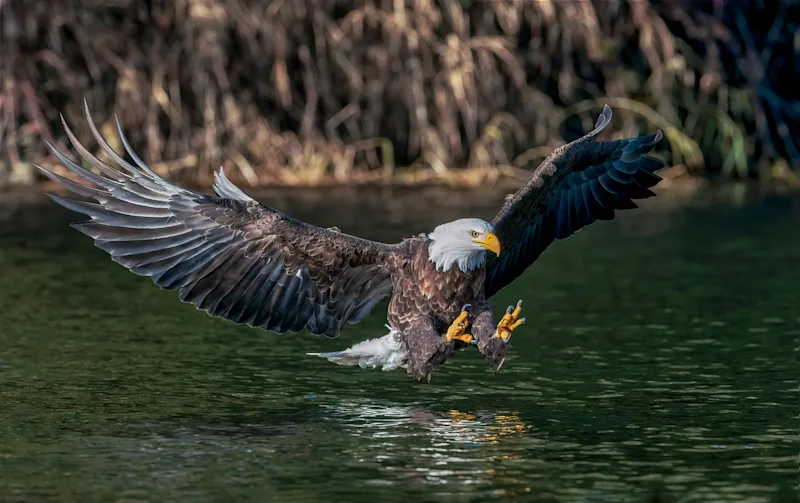
    Wildlife Photo of the Week: Perfect Fishing

    Jan 11, 2019 · Kendal Bower

    Every Friday, we choose our favorite photo of the week from our Wildlife Photo of the Day website. This week we selected a bald eagle fishing in Washington, USA.

  • Nature & Wildlife

    Despite Cold Temperatures, the Earth Burns and the Arctic Is Lost

    Jan 2, 2018 · Candice Gaukel Andrews

    It’s the day after New Year’s, and we’re just entering into 2018. In Times Square last night, according to the Associated Press, it was the second-coldest New Year’s celebration on record. The temperature was only 10 degrees Fahrenheit in New York City at midnight.

  • Nature Photography

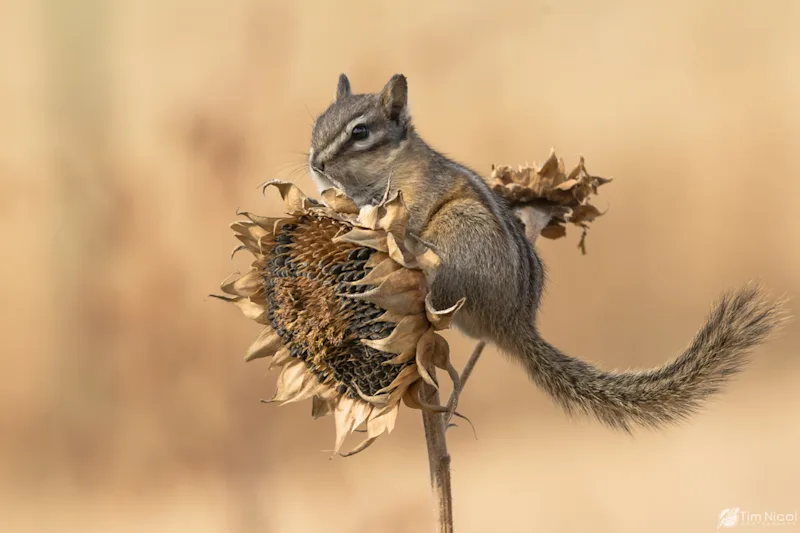
    Wildlife Photo of the Week: The Colors of Fall

    Nov 24, 2017 · Kendal Bower

    Every Friday, we choose our favorite photo of the week from our Wildlife Photo of the Day website. This week we selected a chipmunk in Washington. Photographer Tim Nicol watched this little rodent perch on a dried sunflower. Have you taken some amazing wildlife photos during your travels?

  • Nature Photography

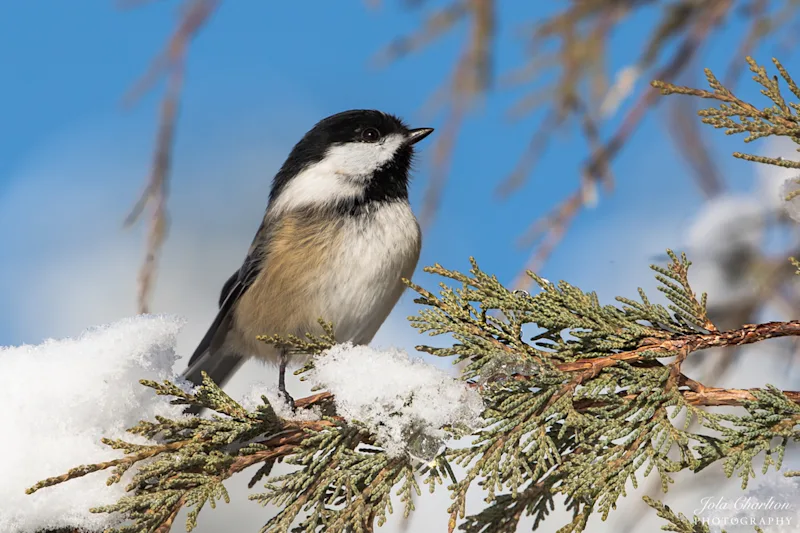
    Wildlife Photo of the Week: Chickadee in the Snow

    Nov 17, 2017 · Kendal Bower

    Every Friday, we choose our favorite photo of the week from our Wildlife Photo of the Day website. This week we chose a black-capped chickadee. Photographer Jola Charlton snapped this photo on a snowy day in Washington. Have you taken some amazing wildlife photos during your travels?

  • Conservation

    Forever Killing Wolves

    Oct 4, 2016 · Candice Gaukel Andrews

    This is the dirty fact I’ve come to recognize: we humans won’t allow wolves to live on our planet. We won’t stop until the last one of them is gone. If you don’t believe me, look at what’s happening in our own country. Then, look around the world.

  • Conservation

    One Bear’s Bad, Last Human Encounter

    Jun 9, 2015 · Candice Gaukel Andrews

    Almost a year ago, in July 2014, Washington state experienced the worst string of wildfires ever in its history. The first fire began on July 8 near the Entiat River. Then, on July 14, a lightning storm started dozens more across the eastern Cascade Range.

  • Nature & Wildlife

    Five Recent Gains for Endangered Wildlife Species

    Mar 31, 2015 · Candice Gaukel Andrews

    There has been a lot of good news for endangered and “missing” wildlife lately, which seems like a breath of fresh air amid all the dire headlines about rapid climate change and environmental degradation.

  • Nature & Wildlife

    Six Wondrous Places to Watch Whales

    May 27, 2010 · Wendy Redal

    One of the most amazing migrations on earth is taking place right now, as 20,000 gray whales make their way along the Pacific Coast of North America from Baja to their summer feeding grounds in the Bering Sea – a one-way journey of 6,000 miles!