Good Nature Travel Blog

  • Nature & Wildlife

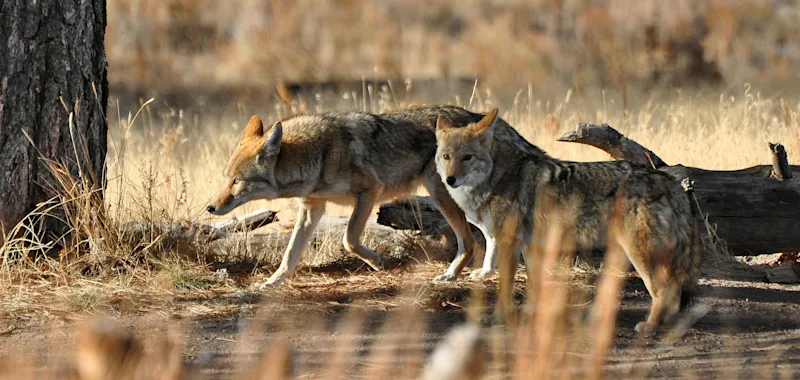
    It’s Complicated: Cities, Coyotes and California Birds

    Oct 3, 2023 · Candice Gaukel Andrews

    Cities provide us with many benefits: better educational and employment opportunities, exposure to more diversity and multicultural influences, improved infrastructure and access to public transportation. On the other hand, urbanization and the consequent changes in land use often result in air, land and water pollution; economic inequalities; an increase in health issues; and overcrowding.
  • Latin America

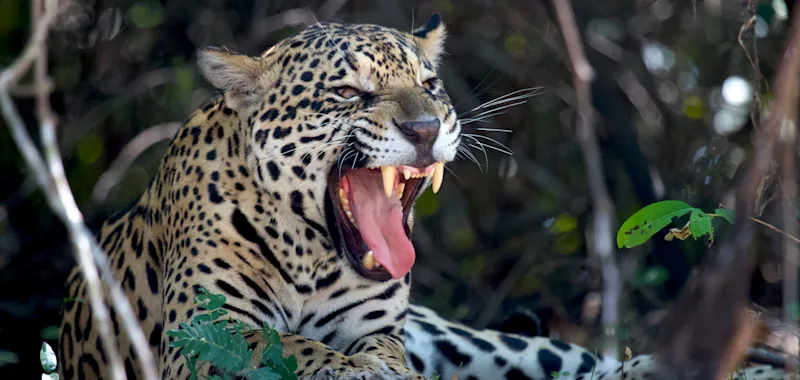
    Found: Fishing Jaguars in Brazil’s Phenomenal Pantanal

    Apr 5, 2022 · Candice Gaukel Andrews

    At more than 81,000 square miles—greater than 10 times the size of Florida’s Everglades—the Pantanal, located mostly in Brazil, is the largest tropical wetland and one of the most pristine in the world. This seasonally flooded plain is fed by tributaries of the Paraguay River and is one of the planet’s most productive habitats.

  • Nature & Wildlife

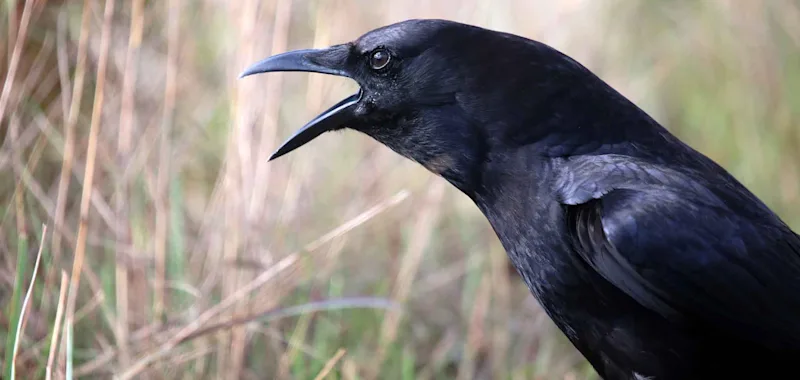
    Crows Are as Intelligent as a Seven-Year-Old Child

    Oct 23, 2018 · Candice Gaukel Andrews

    We humans seem to have a penchant for studying wildlife. We tag them with satellite transmitters, outfit them with radio collars, spy on them with trail cameras and use other observation techniques—all to learn more about their lives and secrets.

  • Videos

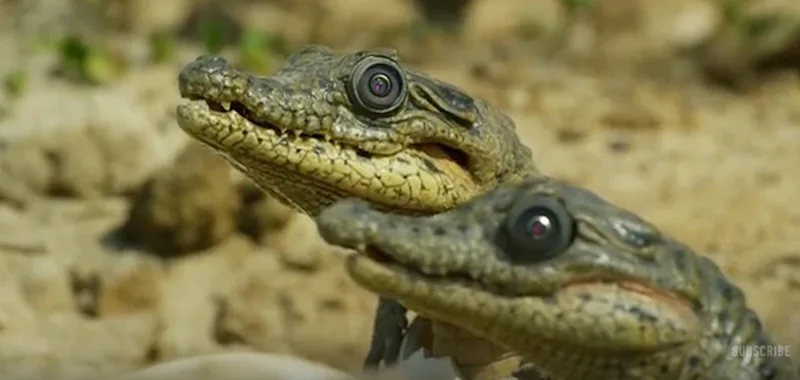
    Videos: Watch as Robotic Animals Secretly “Spy” on Wildlife

    Jun 22, 2017 · Candice Gaukel Andrews

    Camera traps, GPS tracking and radio-collaring are all tools that researchers have traditionally used to study the wildlife that shares the planet with us. But it seems there’s now another method—an ingenious one—that allows us to unobtrusively infiltrate communities in the natural world without letting our very presence alter them.

  • News & More

    Drones: Wildlife Difficulty or Poaching Deterrent?

    Mar 14, 2017 · Candice Gaukel Andrews

    Drones have become popular conservation tools. The Bureau of Land Management, the Department of the Interior and the U.S. Geological Survey have all used unmanned aerial vehicles (UAVs) to monitor wildlife populations or to map roads or wetlands for land management purposes.

  • Conservation

    Dogs May Be Our Best Conservation Aids

    Jan 26, 2016 · Candice Gaukel Andrews

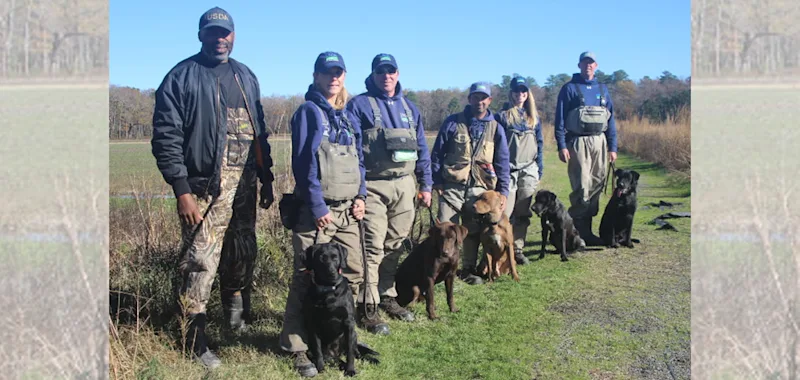
    Radio collars, GPS tracking devices and remote-controlled drones—when it comes to monitoring wildlife, it’s easy to get caught up in high-tech devices. It turns out, however, that our best tool for endangered species conservation work might be the least technological of all.

  • Nature & Wildlife

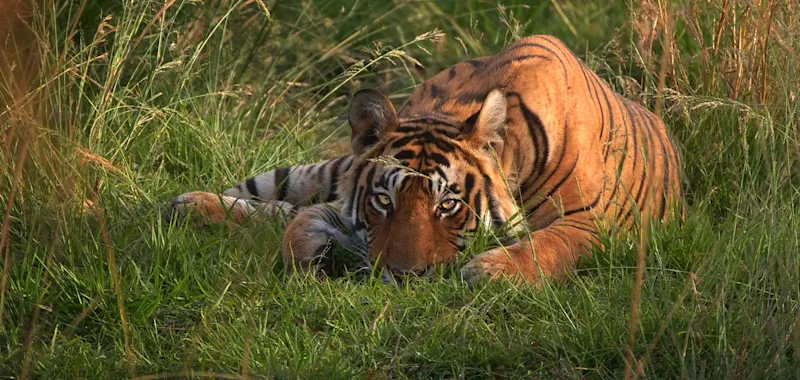
    Poachers Hack into a Tiger’s GPS Collar: Are Wildlife Tracking Devices Helping Criminals?

    Oct 22, 2013 · Candice Gaukel Andrews

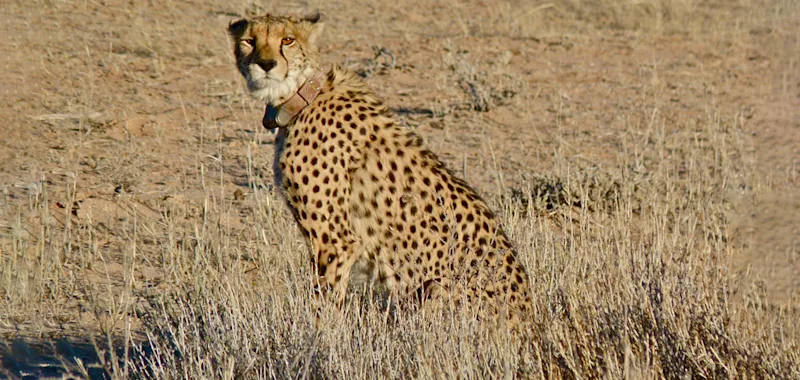
    There’s no doubt that tracking devices, such as GPS collars, have helped researchers monitor and conserve wildlife. While the necessity of capturing and handling wild animals—and the high costs involved—in order to attach these mechanisms has been controversial for some time, now a band-new, sinister use of these tools is being discovered.