Good Nature Travel Blog

  • Conservation

    Plants Could Solve the Microplastics Problem

    Sep 5, 2023 · Candice Gaukel Andrews

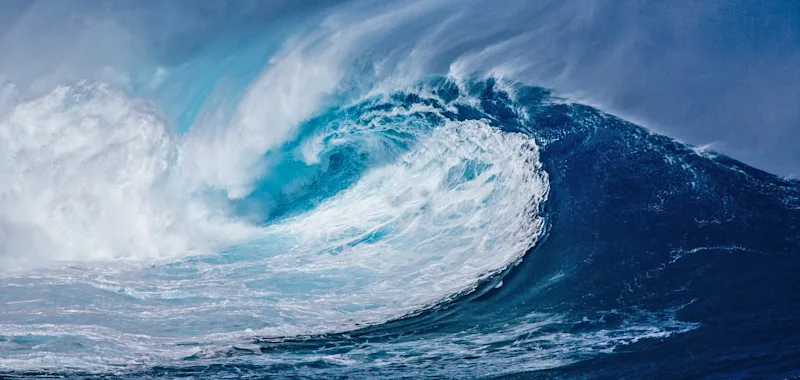
    Plastics are the most prevalent type of marine debris found in the Great Lakes and in the oceans. Plastic pollution pieces come in all shapes and sizes, but those that are less than 0.2 inches (or five millimeters) in length—about the size of a sesame seed—are called “microplastics.”
  • Nature & Wildlife

    Video: Octopus Fling

    Feb 28, 2023 · Candice Gaukel Andrews

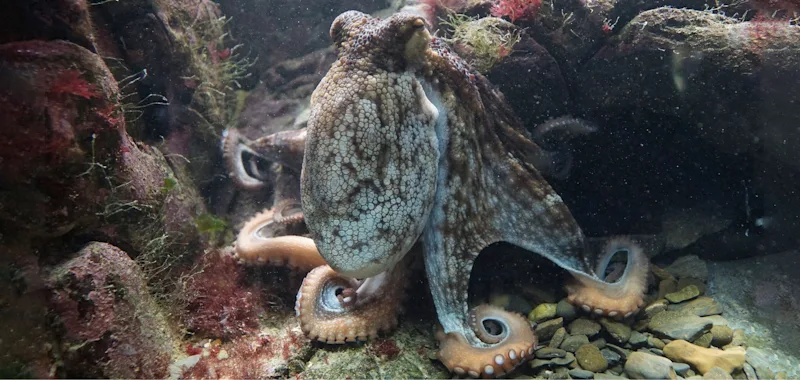
    Octopuses are the weirdly wonderful ocean animals who have blue blood, changeable colors and the ability to use tools. However, they’re probably most famous for having eight arms—which they can regrow—and bulbous heads. But even with all that, there’s so much more to these cryptic creatures.

  • Nature & Wildlife

    Green Spaces in Cities and on Coasts: They All Matter

    Nov 15, 2022 · Candice Gaukel Andrews

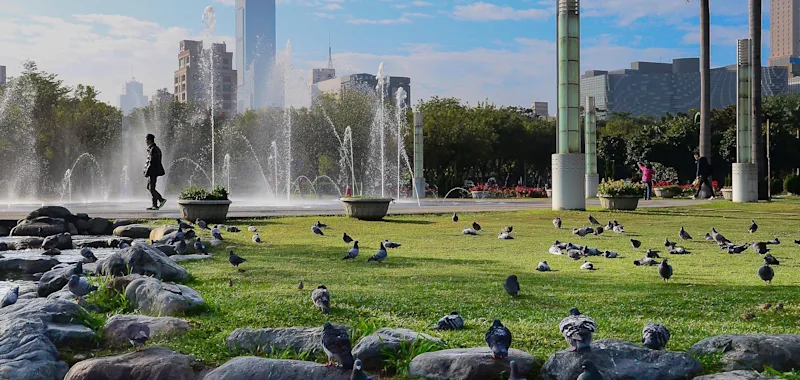
    Is there a median strip on any of your neighborhood’s roadways with a patch of greenery on it? Chances are there is. You may have hardly noticed it or think that something so small makes very little impact, other than providing a pleasing place to glance at as you drive.

  • News & More

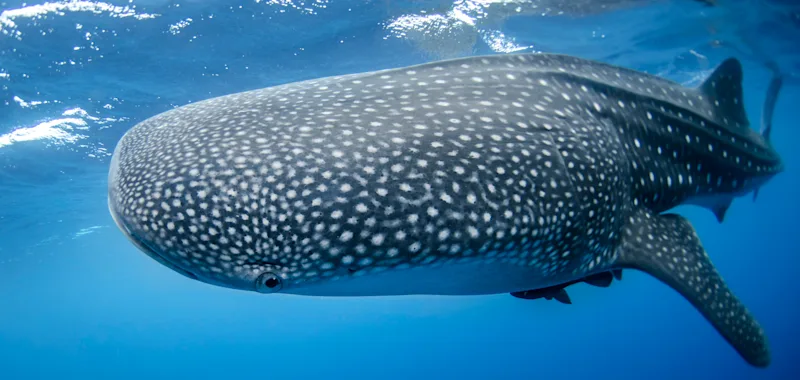
    Whale Sharks Top Kodiak Bears for World’s Largest Omnivore

    Oct 11, 2022 · Candice Gaukel Andrews

    Whale sharks are the biggest fish and shark in the world. Adults can weigh 41,000 pounds and average about 40 feet long, but they may grow as large as 65 feet. According to World Wildlife Fund (WWF), these gentle giants roam all the planet’s tropical oceans, generally alone.

  • Nature & Wildlife

    The Largest Migration on Earth Is Vertical

    Aug 21, 2018 · Candice Gaukel Andrews

    Every night on Earth, a great migration takes place. It’s bigger than the ones of caribou, wildebeest or zebras on land or Arctic terns in the air. But while this stupendous, nightly migration overshadows all the others, you’ve probably never heard of it. And even more surprising is the fact that it’s vertical.

  • Nature Photography

    Wildlife Photo of the Week: Misty Morning Harbor Seal

    Jun 1, 2018 · Kendal Bower

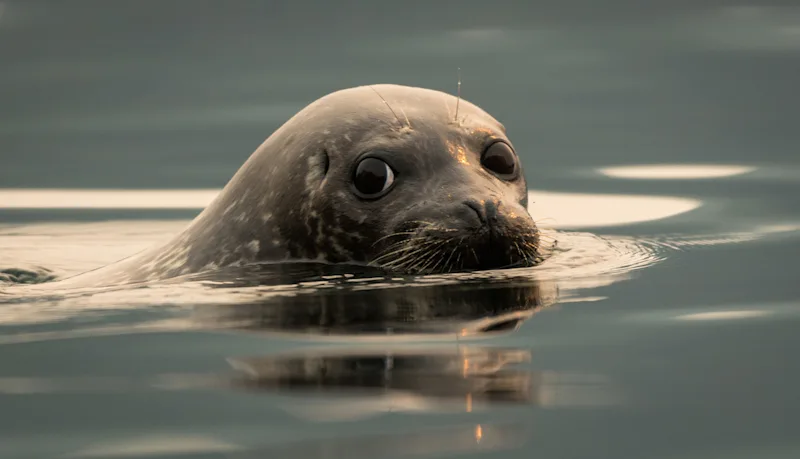
    Every Friday, we choose our favorite photo of the week from our Wildlife Photo of the Day website. This week we selected a misty Vancouver Island morning. Photographer Troy Wood captured the moment a harbor seal made eye contact as it swam by the camera. Have you taken some amazing wildlife photos during your travels?

  • Conservation

    A Rainbow of Marine Protected Areas

    Jan 21, 2015 · Maddi Higgins

    Only 2.3% of the world’s oceans are protected. That’s why WWF works to create Marine Protected Areas (MPAs). An MPA is an area designated to protect marine ecosystems, processes, habitats and species as well as promote positive social impacts. They include marine reserves, no-take zones, marine parks, and sanctuaries around the world.

  • Galapagos Islands

    Photo of the Day: A Pacific Sea Horse Hiding Amongst the Coral

    Jan 12, 2015 · About Galapagos

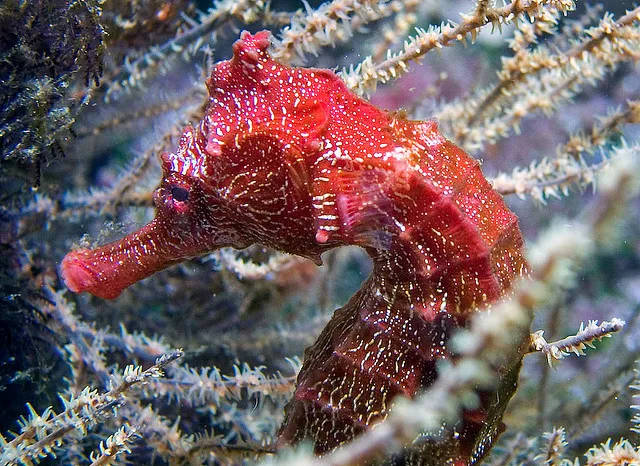
    Peter Liu captured this stunning image of a Pacific seahorse near Cousin Rock, one of the most famous dive sites in the Galapagos Islands. The Pacific seahorse can be found living near coral reefs along the coasts Colombia, Costa Rica, Ecuador, El Salvador, Guatemala, Mexico, Panama, Peru, and the United States.

  • Conservation

    Inspired by Indonesia: A Q-and-A with WWF's Cassie O'Connor

    Oct 15, 2014 · Maddi Higgins

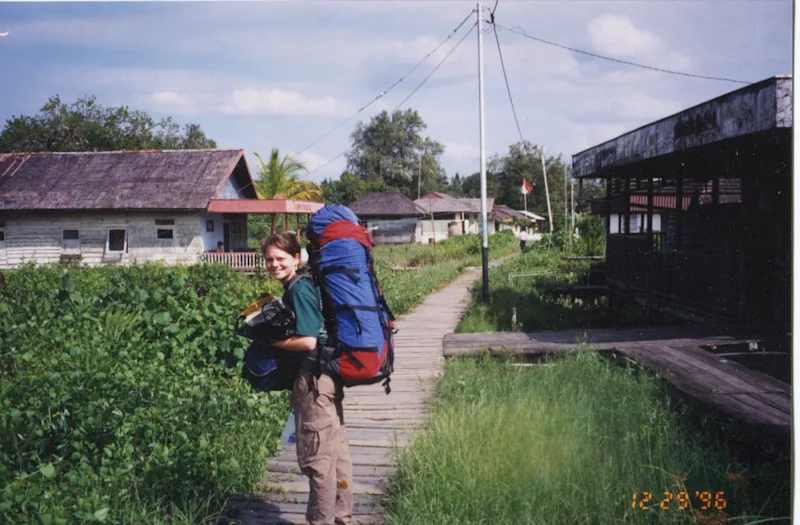
    Cassie O’Connor’s commitment to conservation deepened after college when she co-managed a forestry station in Indonesia. The pristine Indonesian environment and rich culture have since brought her back repeatedly and have inspired her in various conservation roles she’s played over the years.

  • Nature & Wildlife

    Top 10 Facts about the World’s Oceans

    Jun 8, 2014 · Tania Curry

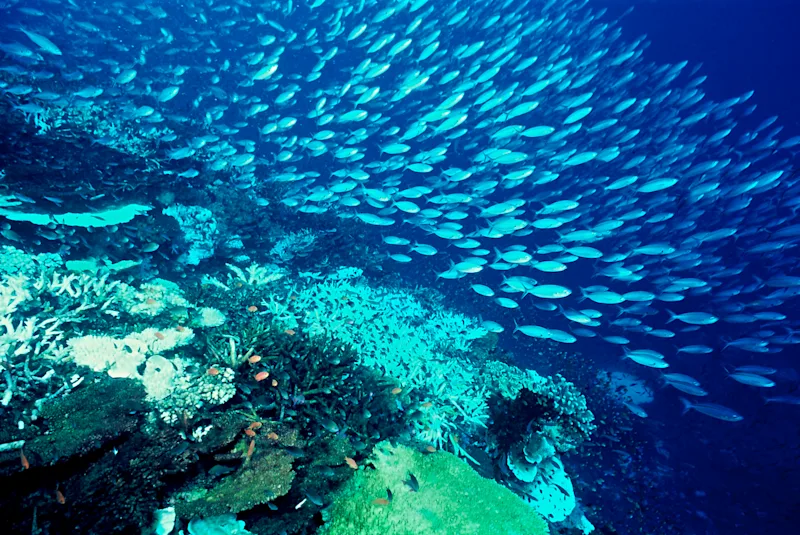
    Oceans play a crucial role in our planet’s health by regulating global temperatures. Oceans are also home to a staggering amount of life and provide more than a billion people with their primary source of protein. Today is World Oceans Day, and we certainly have a lot to celebrate and to protect.