

Nature & Wildlife
Science Storytelling
Human beings have been telling stories for as long as there have been languages to tell them in. We think in stories, we remember in stories, and we turn just about everything that we experience into a story.
Nature & Wildlife
Human beings have been telling stories for as long as there have been languages to tell them in. We think in stories, we remember in stories, and we turn just about everything that we experience into a story.
African Safaris
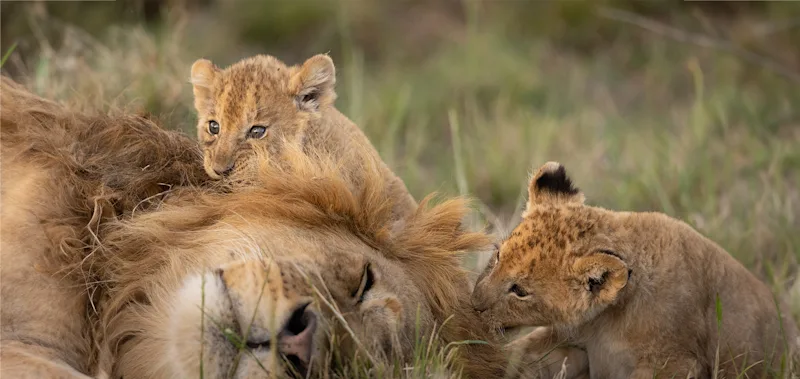
We wanted to wish a happy Father’s Day to all the dads out there, both human and animal fathers alike! As a tribute to hardworking dads, we made a list of some of the animal kingdom’s most dedicated dads.
Nature & Wildlife
Anyone who has ever lived with dogs knows that they can count. Try to short your best friend on daily treats, and you’ll quickly find out that he or she is keeping track. We now know that a wide variety of other animals can count, too.
African Safaris
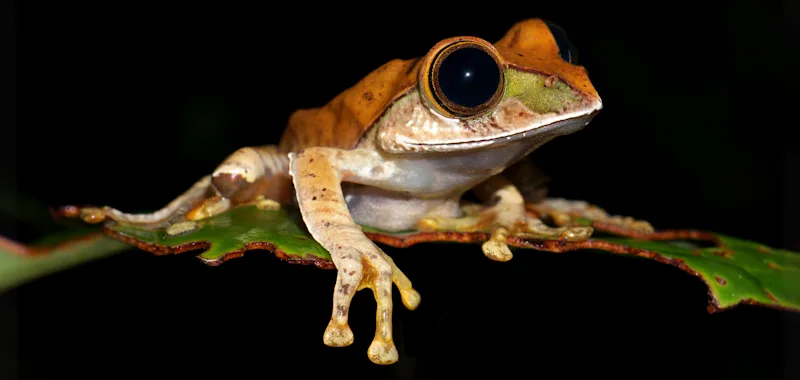
More than 350 types of frogs live in Madagascar, the world’s fourth largest island after Greenland, New Guinea and Borneo. The nation stretches across 226,917 square miles (approximately the size of France or Texas) off the coast of East Africa. This gives Madagascar possibly the highest frog diversity per square mile of any country in the world.
Nature & Wildlife
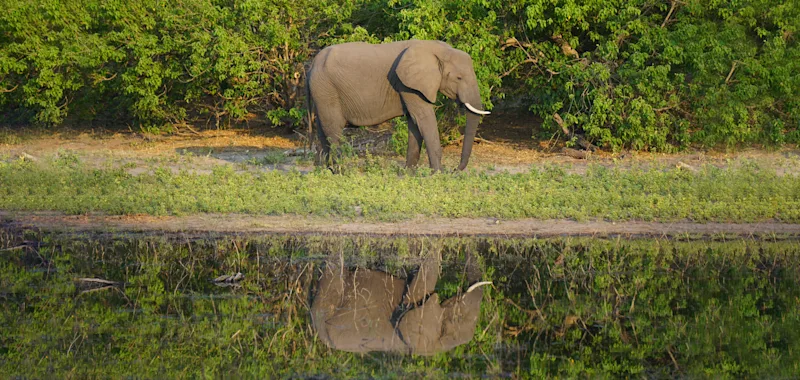
When you weigh anywhere from 1,000 to 14,000 pounds, you tend to leave huge, deep footprints wherever you walk. But more than just evidence of your passing through, those footprints, it turns out, can be habitats for dozens of other beings. Much like beavers, elephants have widely been recognized as “ecosystem engineers.”
Nature & Wildlife
Because of ongoing and potential loss of their sea ice habitat resulting from climate change, polar bears were listed as a threatened species in the United States under the Endangered Species Act in May 2008.
Nature Photography
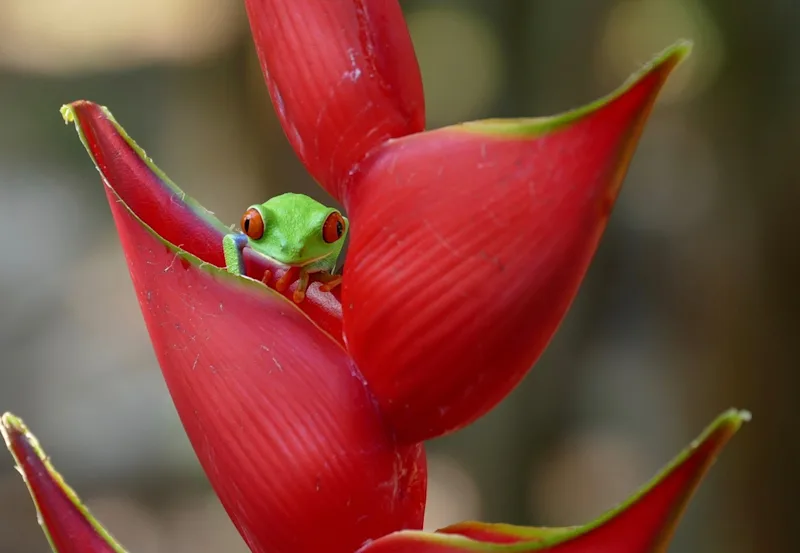
Every Friday, we choose our favorite photo of the week from our Wildlife Photo of the Day website. This week we selected a scene out of Costa Rica. Photographer Jo Ann Creore noticed this little tree frog popping out behind a heliconia flower. Have you taken some amazing wildlife photos during your travels?
Videos
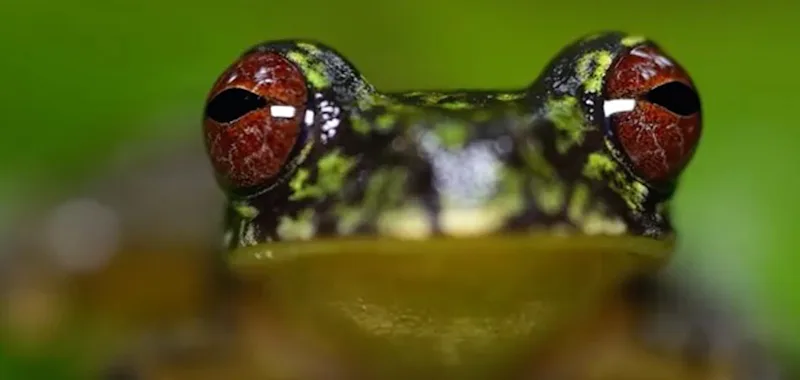
Across the globe in the past few decades, an invasive chytrid fungus has been devastating amphibian populations. While scientists aren’t sure how the frog-killing form of Batrachochytrium dendrobatidis swept the planet, many suspect it traveled by the importing and exporting of amphibians for food or the pet trade.
Conservation
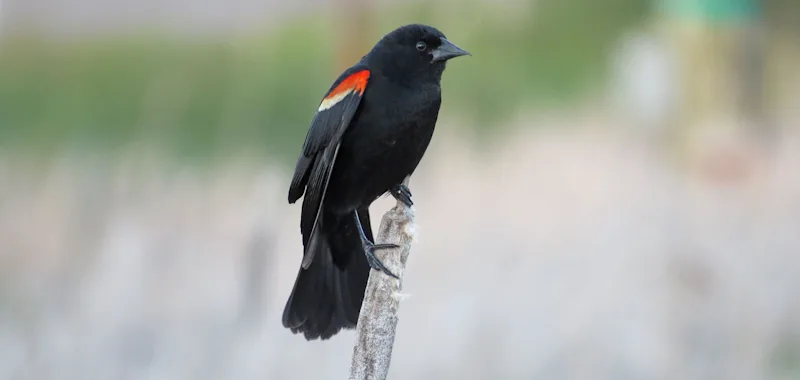
Instead of waking to falling snow as many of us did on New Year’s Day 2011, people in Beebe, Arkansas, rose to find thousands of birds—grackles, starlings and red-winged blackbirds—falling from the sky, dead. An aerial photo revealed that the carcasses fell within a one-mile stretch of Beebe.