Good Nature Travel Blog

  • African Safaris

    What Are Africa’s Wildlife “Big Five” and Where Can I See Them?

    Sep 23, 2025 · Emily Goodheart

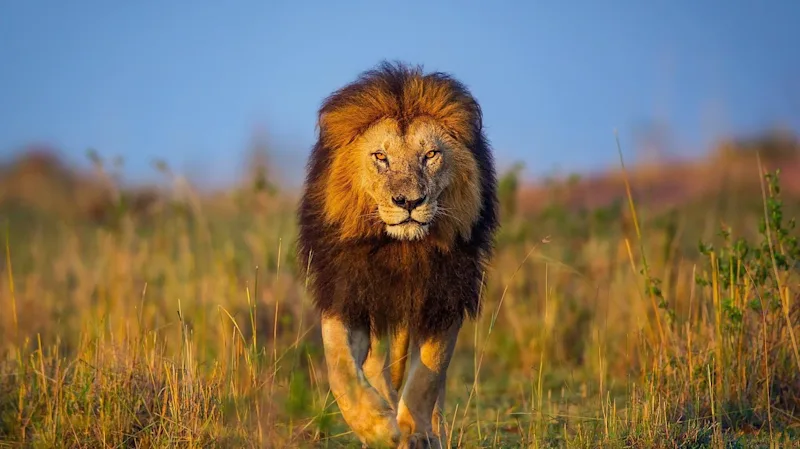
    The Lion King left many viewers longing to visit the plains of Africa. The family-friendly film conjures up images of elephants browsing on acacia trees and amber-eyed predators prowling among golden grasses as an enormous red sun sinks below the horizon.
  • Nature & Wildlife

    American Bison: Their Ecological, Economic and Emotional Impacts

    Nov 14, 2023 · Candice Gaukel Andrews

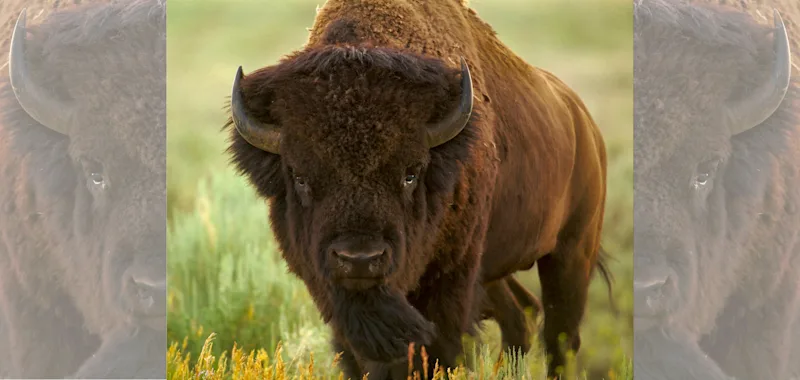
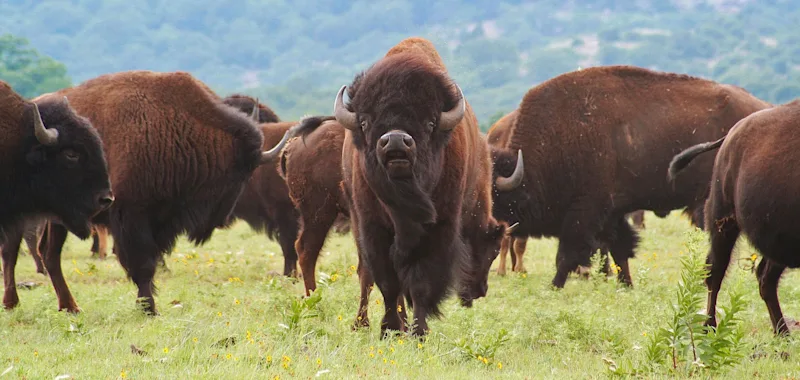
    “This is the most magnificent mammal on our continent. Its story is so complicated and so interesting and moves into every aspect of almost every era of our lives and touches on so many subjects you wouldn’t think it would necessarily touch on,” says filmmaker Ken Burns of our national mammal, Bison bison.

  • Nature Photography

    Wildlife Photo of the Week: Frosty Bison

    Jan 5, 2018 · Kendal Bower

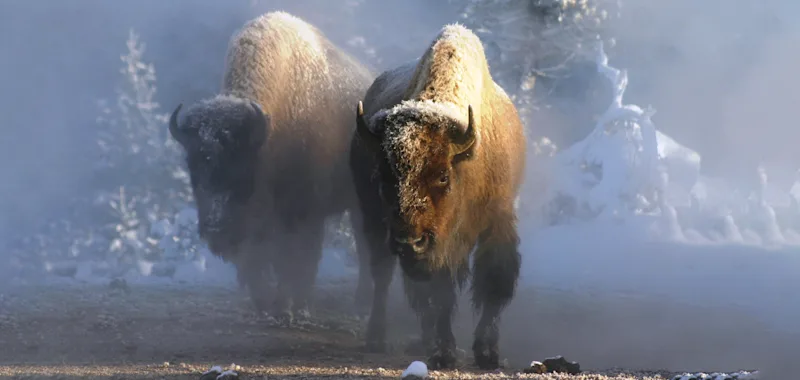
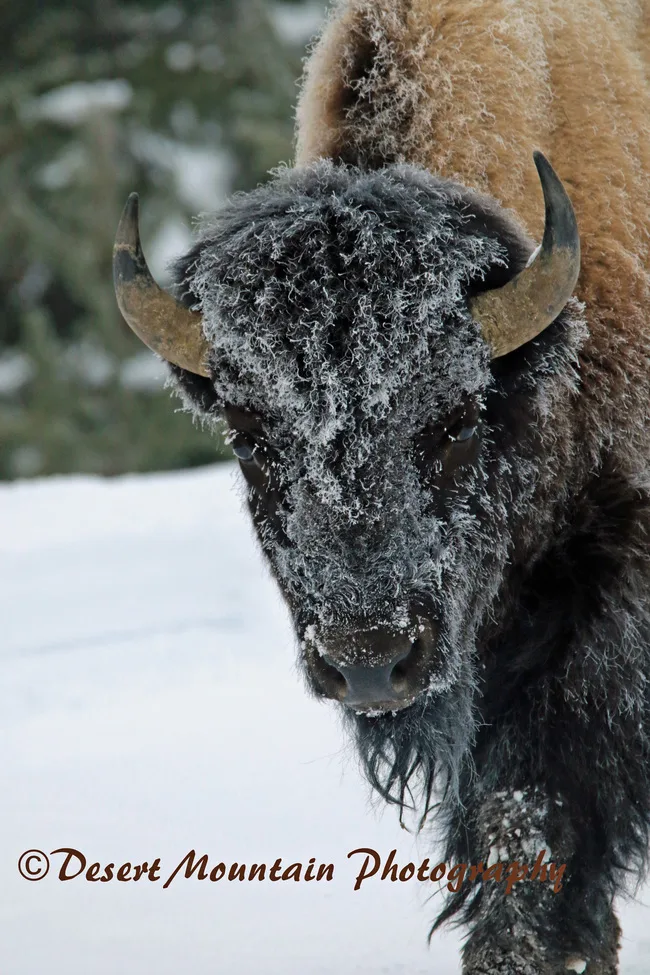
    Every Friday, we choose our favorite photo of the week from our Wildlife Photo of the Day website. This week we selected a frosty bison in Yellowstone National Park. Photographer Ann Sullivan captured this photograph last January using her 120-400mm lens. Have you taken some amazing wildlife photos during your travels?

  • Videos

    Video: Bison Return to Wyoming’s Wind River Reservation

    May 25, 2017 · Candice Gaukel Andrews

    Bison, our national mammal, have returned to more of their homeland. On November 3, 2016, 10 bison were released on the 2.2-million-acre Wind River Reservation in Wyoming. The last wild buffalo to be seen there was in 1885, 131 years ago.

  • Nature & Wildlife

    White, Wild Animals and Why Difference Shouldn’t Be Wrong

    May 2, 2017 · Candice Gaukel Andrews

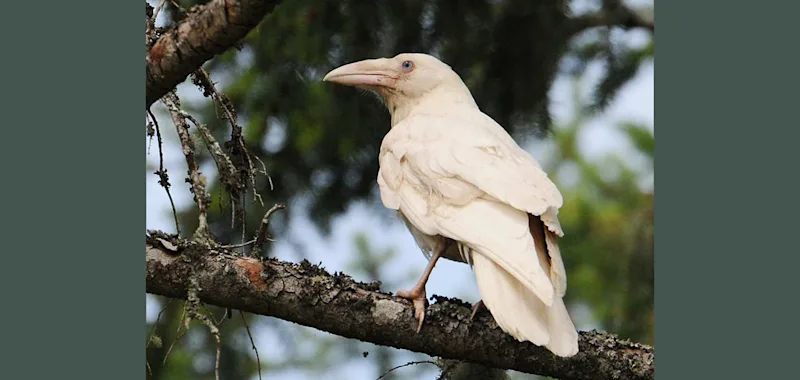
    A framed photo that hung on a wall of my grandfather’s large dining room is one of my earliest memories. Sepia-toned, it depicted a herd of deer, taken in Wisconsin’s Northwoods, near Boulder Junction. A few of the deer in that image looked different from the others; they appeared to be all white.

  • Nature Photography

    Wildlife Photo of the Week: Me & My Red Dog

    Nov 4, 2016 · Kendal Bower

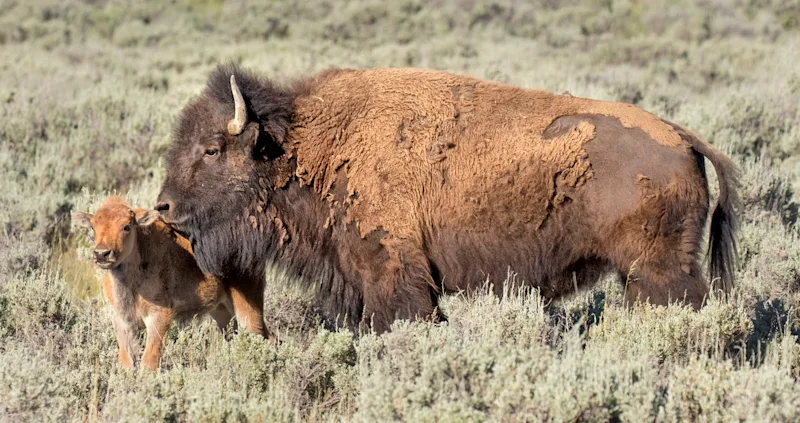
    Every Friday, we choose our favorite photo of the week from our Wildlife Photo of the Day website. This week we selected a scene from Grand Teton National Park. Photographer Steve Grodin captured this moment between a bison mother and calf (also known as a “red dog”).

  • News & More

    Bison Named Our National Mammal: Bad Omen for the Species?

    May 17, 2016 · Candice Gaukel Andrews

    We now have a national mammal, and it’s Bison bison. On Monday, May 9, 2016, President Obama signed the National Bison Legacy Act, honoring American bison with this first-ever designation.

  • African Safaris

    The Miracle of Life at Londolozi: Incredible Video of a Buffalo Birth

    Apr 2, 2015 · iSafari

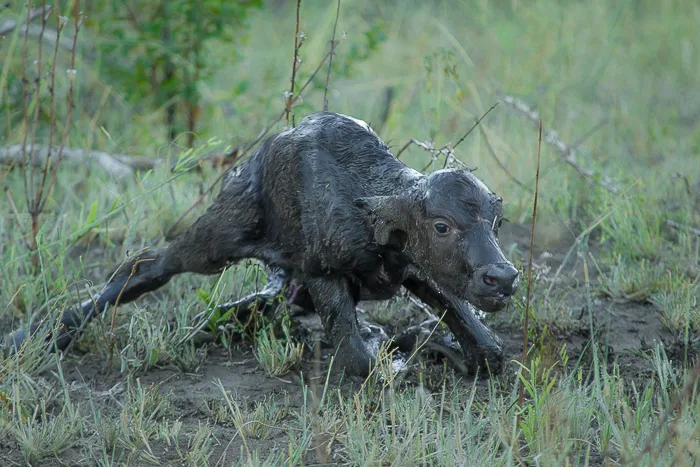
    Londolozi Private Game Reserve in South Africa is apparently the place to be right now. Last week, we shared a touching video of a newborn elephant calf taking its first steps in the reserve. This week,we’re happy to share an even more amazing Londolozi video and some stunning images of the birth of a Cape buffalo.

  • African Safaris

    Watch This Injured Buffalo Face Down a Pride of Hungry Lions

    Mar 2, 2015 · iSafari

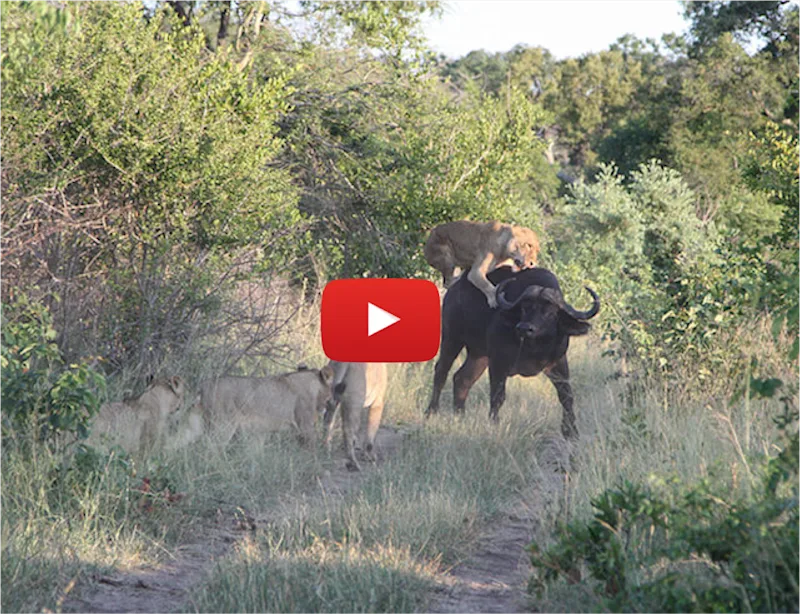
    Few African species are much of a match for a pride of hungry lions. The African Buffalo (also known as the Cape Buffalo) is one notable exception, as the video and images below dramatically demonstrate.

  • Nature & Wildlife

    Living with Predators

    Jul 26, 2011 · Candice Gaukel Andrews

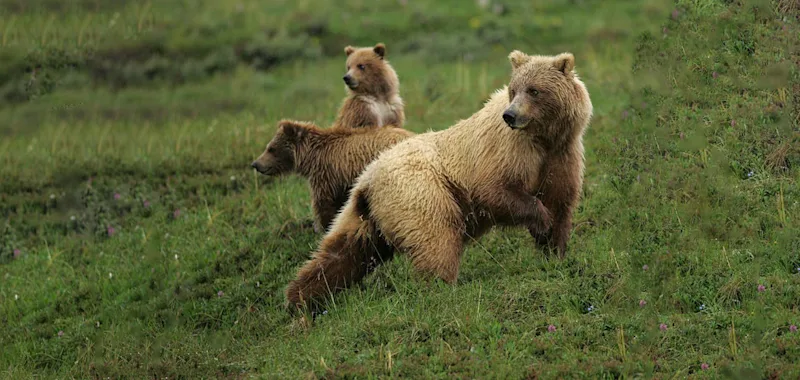
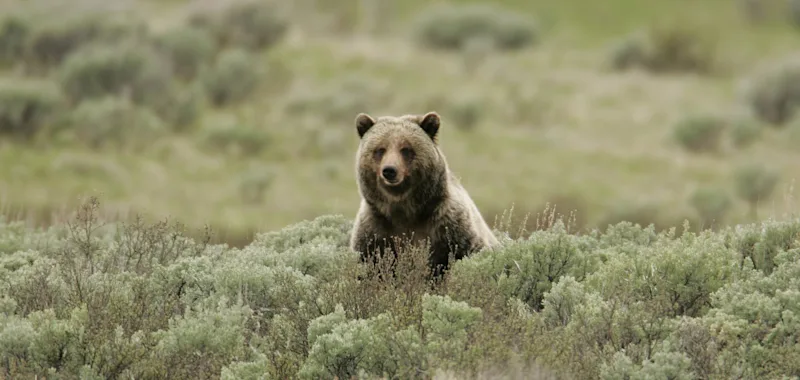
    “Seven teens attacked by grizzly in Alaska’s Talkeetna Mountains,” reads a headline in a Sacramento news story, taken from the Anchorage Daily News on July 25, 2011.

  • Nature & Wildlife

    Blaming Animals for Our Bad Behavior

    Mar 8, 2011 · Candice Gaukel Andrews

    There are many Native American stories regarding the stunning red, orange and white hoodoos in Utah’s Bryce Canyon National Park. The Paiute Indians call the park Unka-timpe-wa-wince-pockich—which means “red rocks standing like men in a bowl-shaped canyon.”