Good Nature Travel Blog

  • Conservation

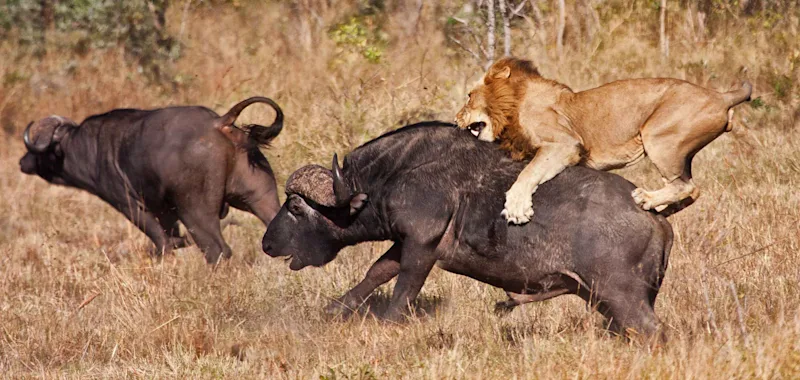
    Lion Longevity: Ants, Politics and Social Contexts

    Apr 9, 2024 · Candice Gaukel Andrews

    American writer, conservationist, ecologist, environmentalist, forester, naturalist, philosopher and scientist Aldo Leopold once said that “harmony with land is like harmony with a friend; you cannot cherish his right hand and chop off his left. That is to say, you cannot love game and hate predators … the land is one organism.”
  • Travel Tales

    Memorable Travels, Where Part of You Remains

    Nov 3, 2020 · Candice Gaukel Andrews

    On a windy, cold, late October afternoon, I walked the streets of the little, sub-Arctic town of Churchill, Manitoba, Canada, alone. I had just arrived there by plane, and I had a bit of time before the official activities on my Natural Habitat Adventures polar bear tour were set to begin.

  • Videos

    Video: Finding the Words to Define “Wilderness”

    Sep 15, 2016 · Candice Gaukel Andrews

    The Merriam-Webster dictionary defines wilderness as “a wild and natural area in which few people live.” It’s a simple explanation that succeeds in giving you an idea of the word’s meaning. But the term wilderness has come to encompass a much broader concept.

  • Travel Tales

    Traveler Story: Lost in Time in Yellowstone National Park

    Dec 4, 2014 · Candice Gaukel Andrews

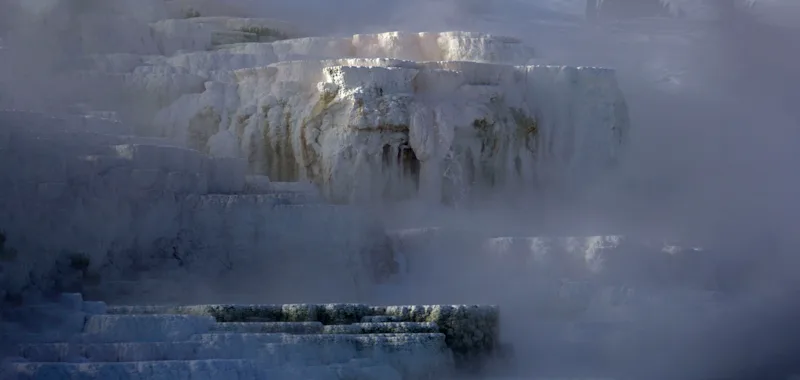
    There are a few rare places in the world where time as a linear construct just doesn’t seem to make much sense; places where the past, present and even the future seem to be all jumbled together, like pack ice piled up along a shoreline.

  • Conservation

    On the Loss of Passenger Pigeons and Parks

    Jun 3, 2014 · Candice Gaukel Andrews

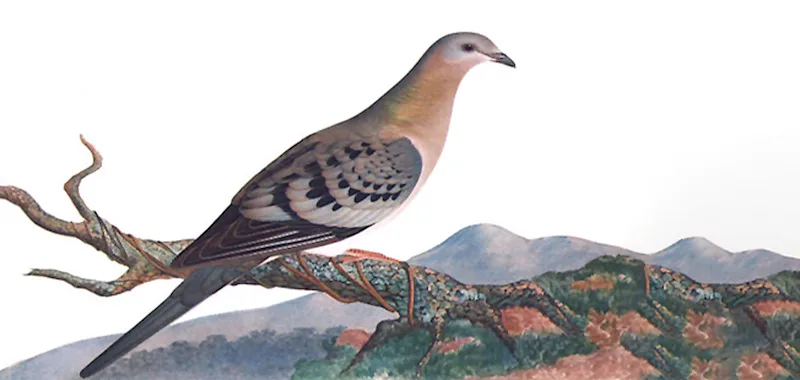
    One hundred years ago this year, the last passenger pigeon on Earth died in the Cincinnati Zoo. A female named Martha, she has now become an icon for species extinction.

  • Nature & Wildlife

    Soundscape Ecology: A Real Conservation Tool or Exercise in Nostalgia?

    Mar 19, 2013 · Candice Gaukel Andrews

    When trying to measure the impact we humans have made on the natural world, we often concentrate on the number of animal species that have been lost or the plants that are disappearing. In today’s predominantly visual world, it’s not often that we think about the sounds that are now gone for good.