What’s in My Daypack: Belize Edition

The items you stuff into your daypack for an exciting adventure can be critical. I just returned from Belize where I traveled on our Ultimate Belize Nature Safari, and I’m very thankful for everything I had in my daypack. Whether I was hiking in the rain forest, climbing the Mayan ruins of Xunantunich, checking out a beautiful waterfall, or exploring Hatchet Caye – each item inside of my bag proved to be useful.
1. Reusable water bottle – It’s hot in Belize, so having water in my refillable, aluminum water bottle kept me hydrated.
2. Bug Repellent – While this seems like a no-brainer, I was super thankful to have my bug repellent wipes with DEET. I think the bugs in Belize realized I was new blood, and they were out for me. The protection helped me focus on the wildlife and wild places, instead of scratching myself raw.
3. Anti-Itch Cream – Everyone has their favorite anti-itch cream that immediate does the trick. Regardless of the brand, it’s important to have something to stop the itch when the bug repellent doesn’t always keep the bugs at bay.
4. Reef-safe Sunscreen – Having sunscreen for every part of this safari is essential, but especially when snorkeling.
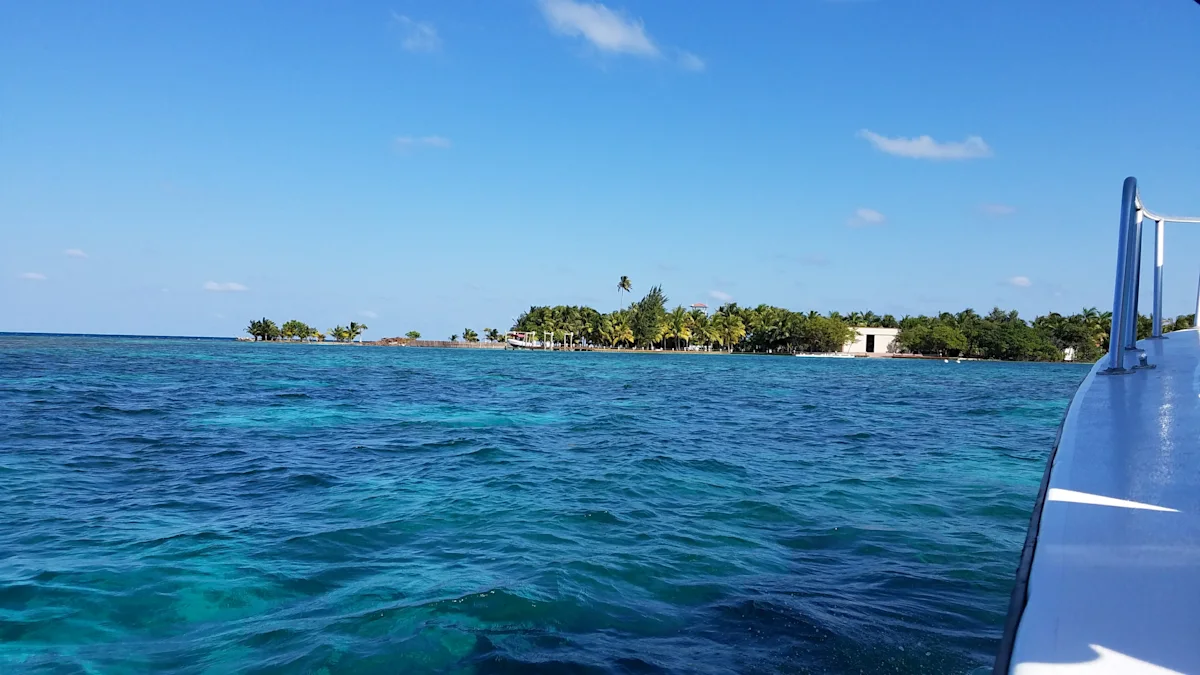
5. Motion Sickness Pills – While not everyone is susceptible to motion sickness, it can’t hurt to have these on hand. I usually don’t have a problem myself, but I found my chewable pills to be helpful for the short charter flights around Belize as well as the hour-long boat ride to Hatchet Caye. They may also be handy for the rough drives to remote destinations.
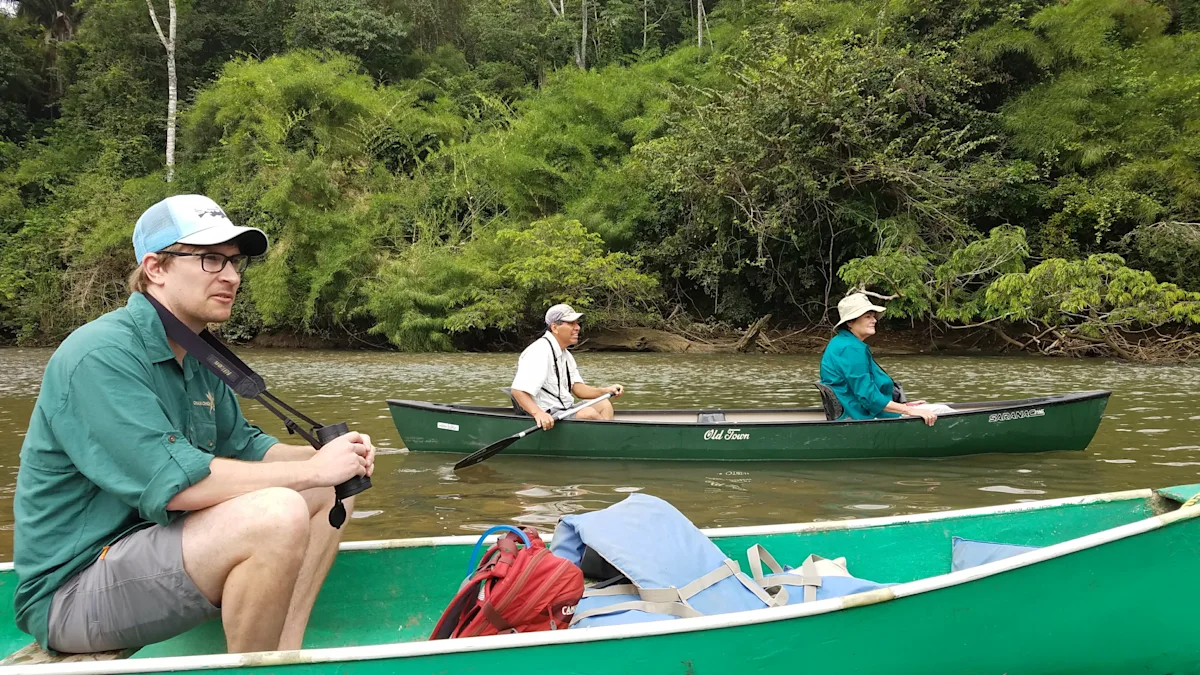
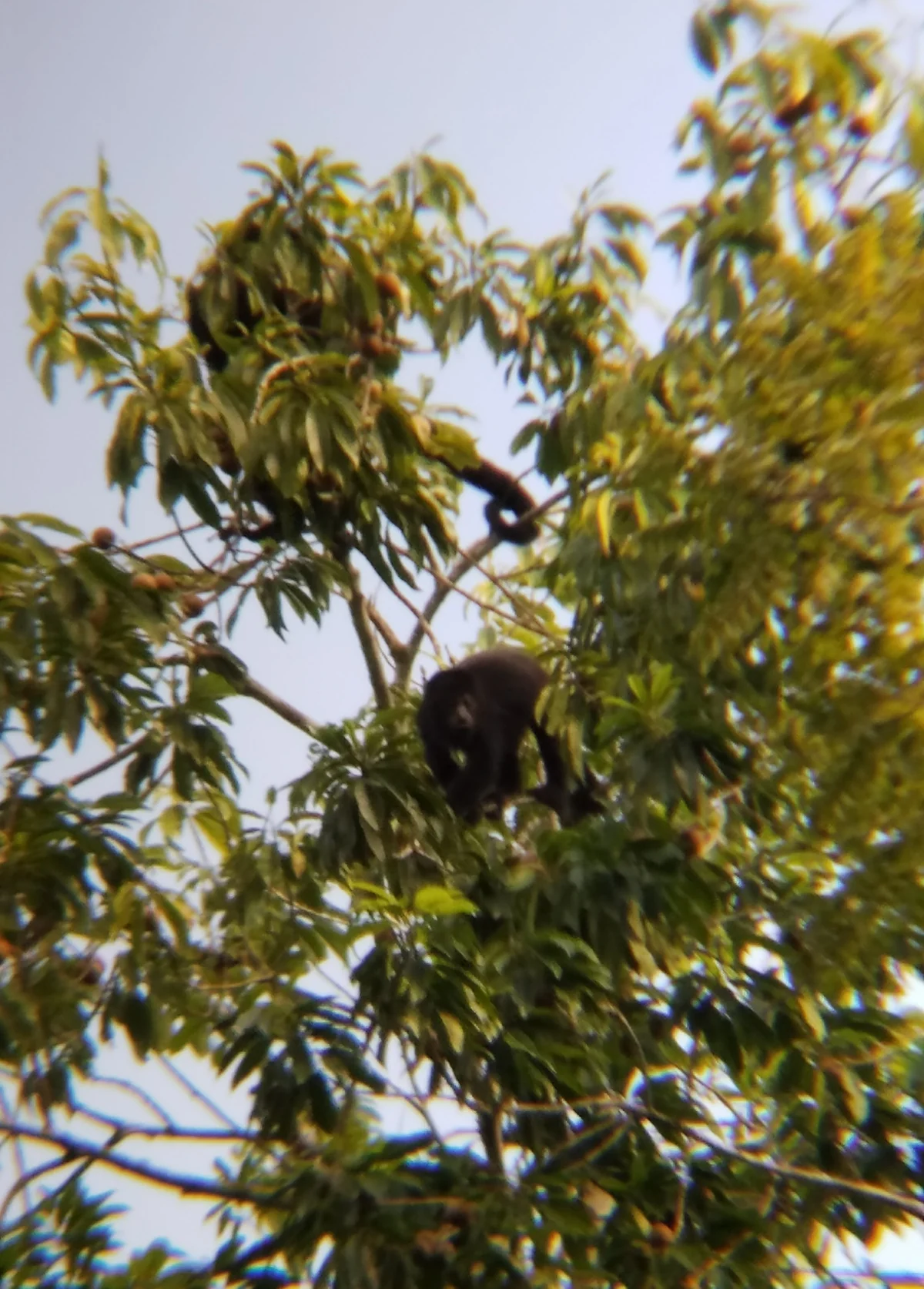
6. Binoculars – You really need a good pair of binoculars with a comfortable strap to see the magnificent wildlife such as parrots, orange-breasted falcons, toucans, spider and howler monkeys, tapirs, osprey, and maybe even a jaguar.
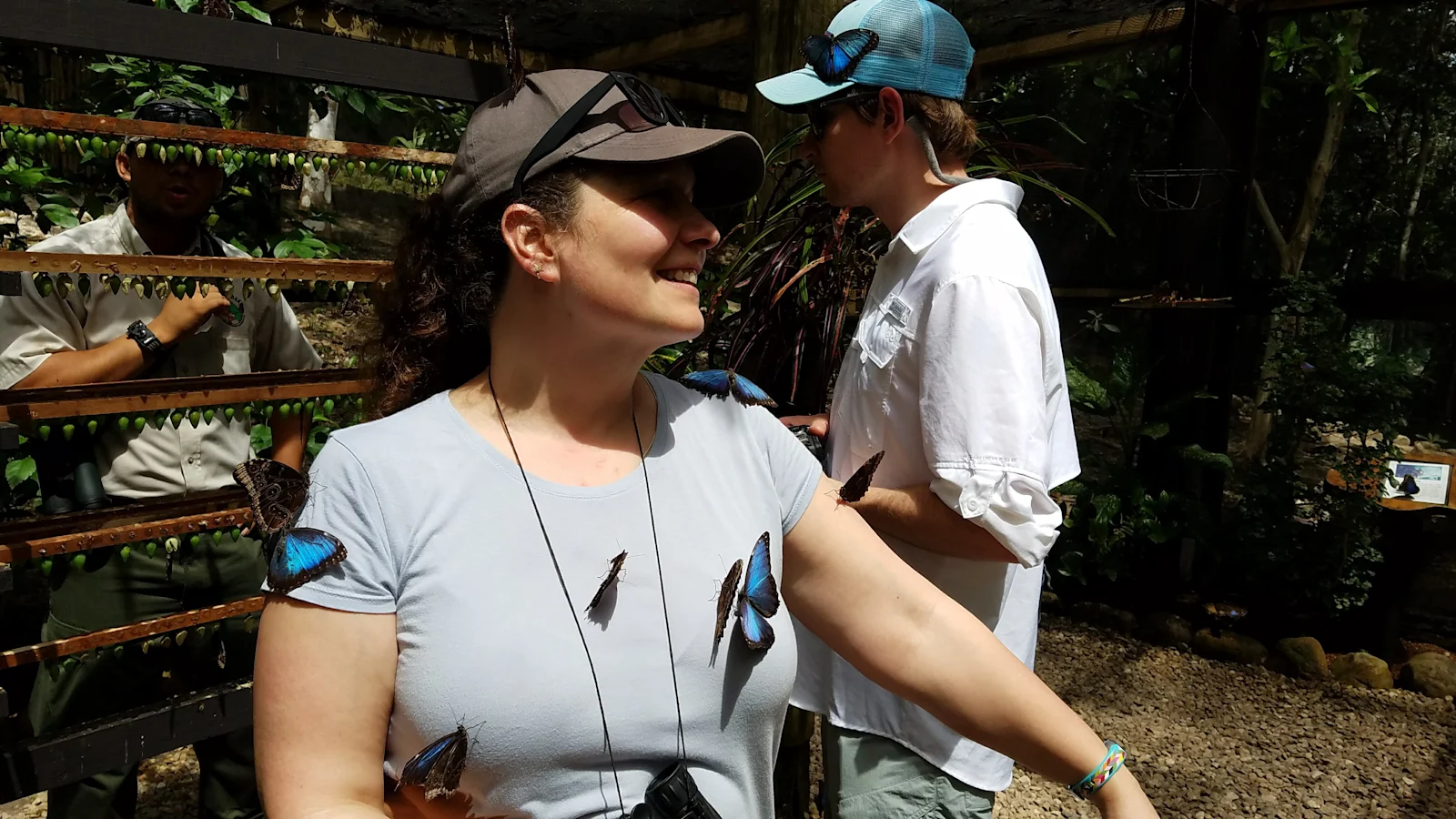
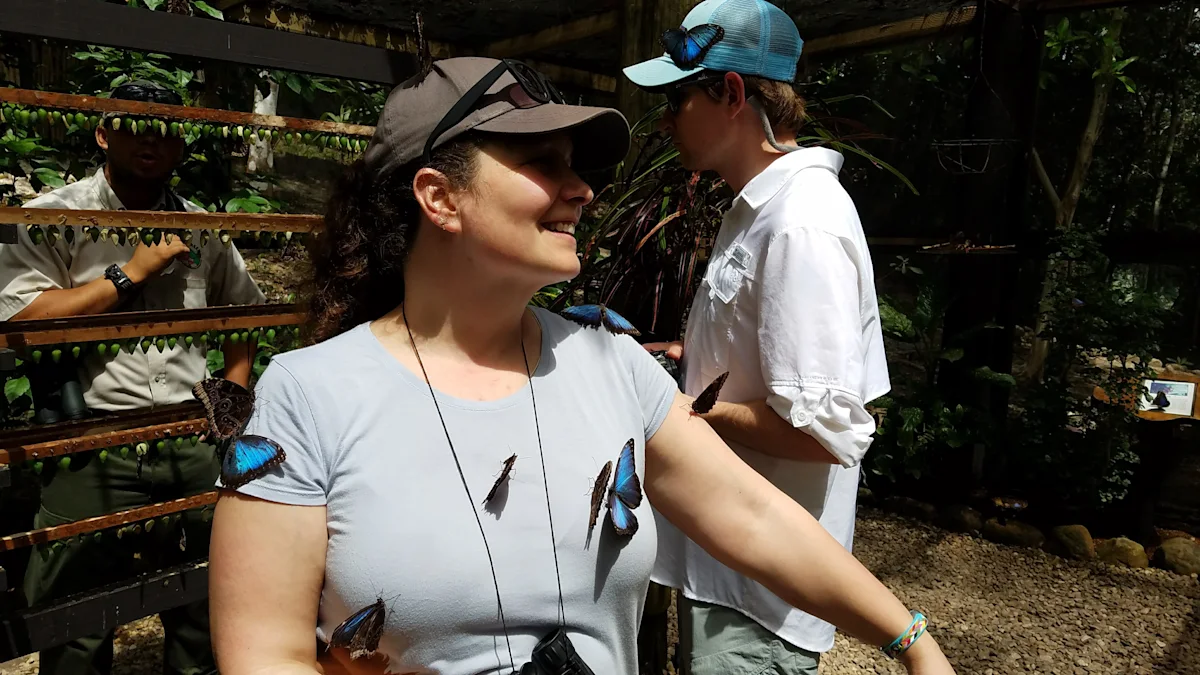
Though there were plenty of moments where binoculars weren’t needed, such as in the enclosure at The Blue Morpho Butterfly Farm at Chaa Creek. © WWF-US/Laura Spellings
7. Zoom Lens – Unfortunately, I don’t own a decent camera for this kind of trip. So, to get some good pictures with my cell phone of everything that our Expedition Leader, Fermin Tzib, pointed out, I invested in a 12x zoom lens that attaches to the phone with a clip. It was worth every penny.
By Laura Spellings, WWF