U.N. Denies Polar Bear Trading Ban
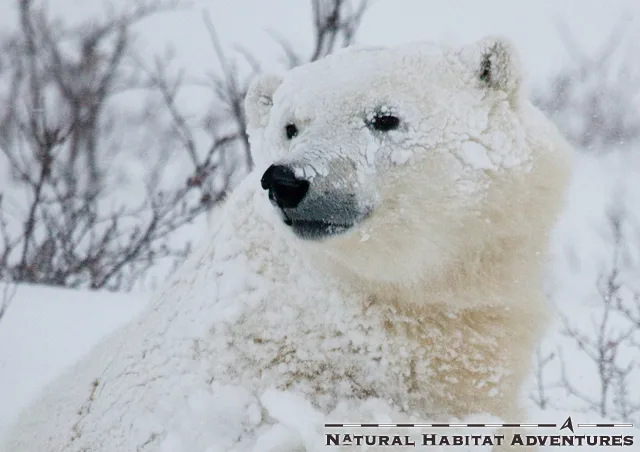
The American led movement to ban the international sale of polar bear products has failed to pass in the United Nations. Opposition from Canada, Norway and Russia prevented the ban from taking place. Despite an estimated population of only 25,000 and an ever-shrinking natural habitat, U.N. voters felt the long-term survival of polar bears was not threatened. Pundits for the continued trade of polar bear products argue that the economic benefits to indigenous people surpass the preservation of roughly 2,000 polar bears per year that are annually killed primarily for their skins.
This complicated issue is compounded by differences of opinions of the local people of the Arctic who hunt polar bear. Some firmly believe that polar bears should only be hunted as sustenance while others feel that trade and profit from the bears is completely reasonable.
Polar bears are facing a looming global threat and the discussion needs to be revisited as climate change becomes more pronounced. Our polar bear tours in Churchill, Manitoba have given us first hand views of how amazing these creatures are and why they are worth saving.
What do you think? We’d like to see your thoughts. Feel free to leave a comment.