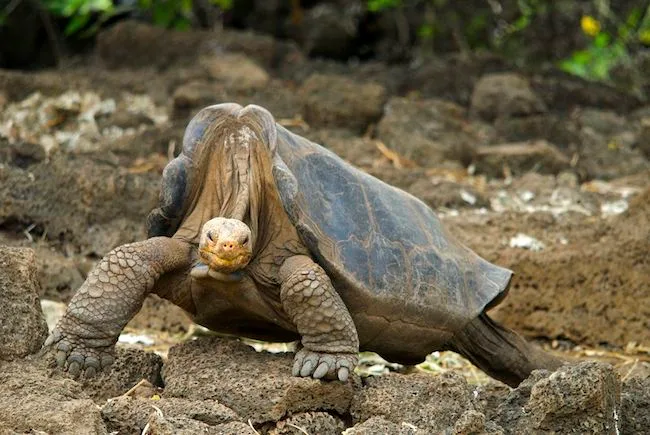
"Giant Tortoise, Galapagos" by Arturo de Frias Marques - Own work. Licensed under Creative Commons Attribution-Share Alike 3.0 via Wikimedia Commons - http://commons.wikimedia.org/wiki/File:Giant_Tortoise,_Galapagos.jpg#mediaviewer/File:Giant_Tortoise,_Galapagos.jpg

Should Lonesome George Go Home?

A minor storm is brewing in Ecuador about where the taxidermy of iconic Galapagos tortoise Lonesome George, opens in new tab should wind up. George, who died unexpectedly in 2012, was the last Pinta Island tortoise and was often referred to as “the rarest creature in the world”. He garnered international attention as conservationists tried in vain to get him to reproduce and save his species from extinction. In the process, he became a symbol for the Galapagos Islands and a poster boy for efforts to protect endangered species everywhere. Earlier this month, Ecuador’s Ministry of the Environment issued a press release stating that George’s remains would go on display in Quito and that the Galapagos Islands would receive a bronze replica rather than the real thing. So far, the reaction hasn’t been popular in the islands.

"Giant Tortoise, Galapagos" by Arturo de Frias Marques - Own work. Licensed under Creative Commons Attribution-Share Alike 3.0 via Wikimedia Commons - http://commons.wikimedia.org/wiki/File:Giant_Tortoise,_Galapagos.jpg#mediaviewer/File:Giant_Tortoise,_Galapagos.jpg
“Giant Tortoise, Galapagos” by Arturo de Frias Marques – Own work. Licensed under Creative Commons Attribution-Share Alike 3.0 via Wikimedia Commons.

On Saturday, El Universo, opens in new tab published a story in which the mayor of Santa Cruz (the most populous Galapagos Island and George’s home for over forty years) called the decision “outrageous” and said that George should be returned to the islands. The next day the ministry released a statement in response, saying that while the Galapagos still may be an option for George in the future, Quito is a better choice for now because preserving his remains requires, among other things, temperature and moisture controlled facilities that don’t currently exist in the islands. George was sent to the American Museum of Natural History after he died, where his remains were preserved and where he went on temporary display, opens in new tab last week. What do you think? Should George be returned to his home? Or is Quito a better choice? Leave your comments below.
More from Galapagos Islands

All Galapagos Islands stories
  • Galapagos Islands

    Tune In: A Galapagos Binge

    Sep 7, 2026 · Jennie Lay

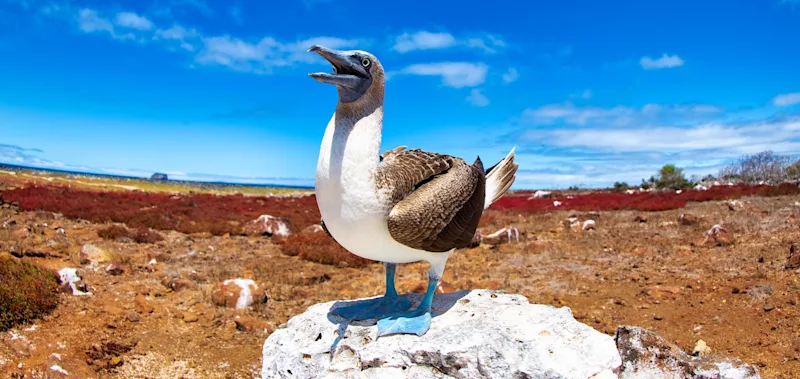
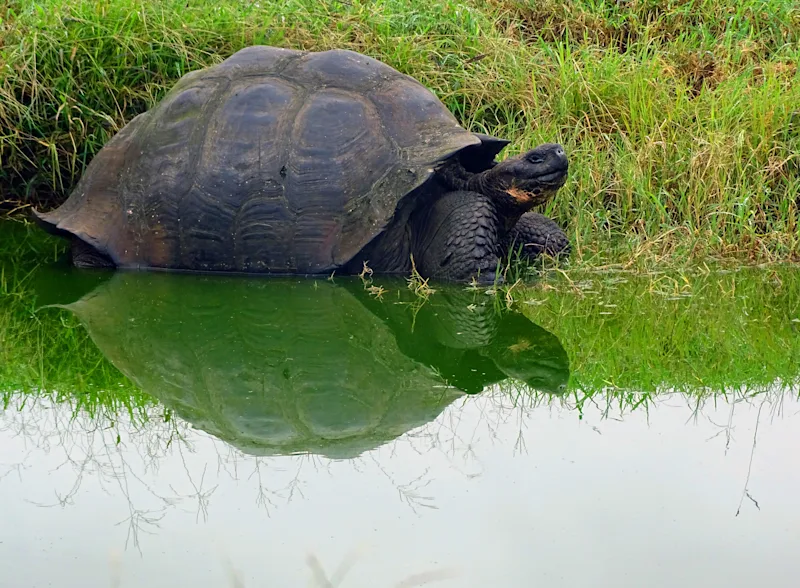
    The Galapagos Islands might be the single best love-at-first-sight solution for what I call “complacent nature deficit disorder.” These are islands of instant gratification, where you’re almost guaranteed to encounter the cerulean foot of a blue-footed booby, the Godzilla-like gaze of a marine iguana and the lumbering girth of a giant tortoise.

  • Galapagos Islands

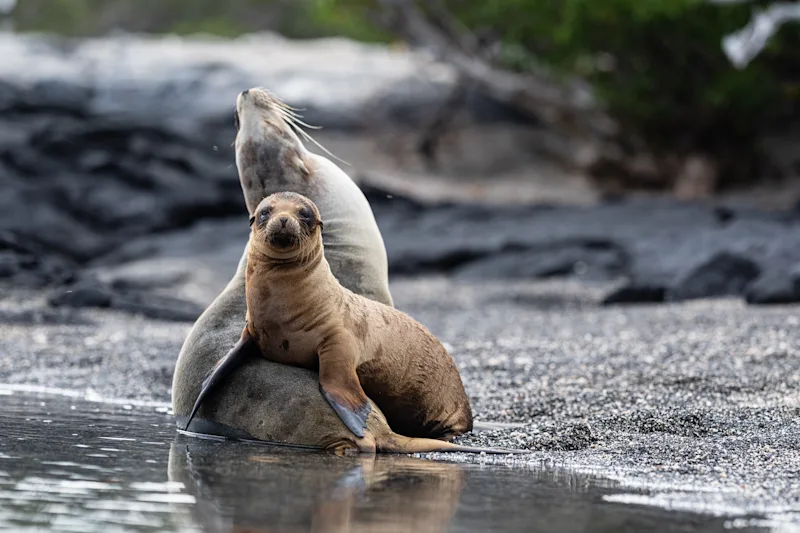
    A Wild Day in the Galapagos: Whales, Sharks & an Erupting Volcano

    Sep 6, 2026 · WWF

    First, whales. One morning in September, we woke up earlier than usual. We had been navigating overnight toward Bartolome Island, and our guides, Roberto and Giancarlo, had prepared us for possible whale sightings on the final leg of our voyage. We bundled up and stood on the top deck, hot cups of coffee in hand.

  • Galapagos Islands

    Blue-Footed Boobies in the Galapagos: 8 Fascinating Facts

    Jun 6, 2026 · Julie Waggoner

    The Galapagos Islands are home to some of the world’s most recognizable wildlife, and few species attract more attention than the blue-footed booby. Known for their turquoise-blue feet, comic-looking courtship displays and remarkable diving skills, these seabirds are a highlight of many Galapagos wildlife adventures.