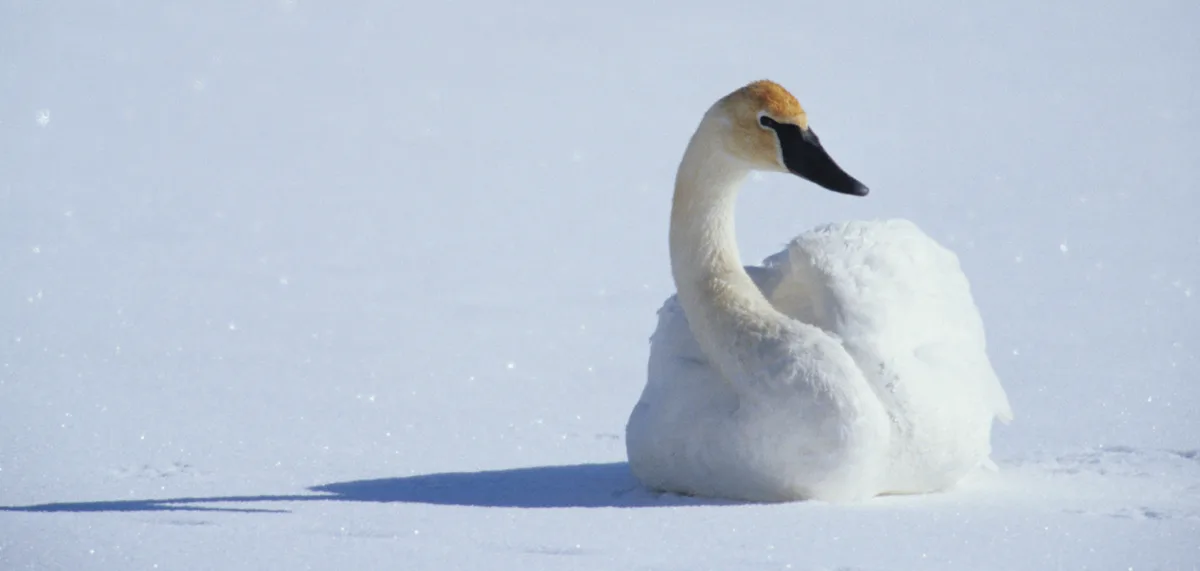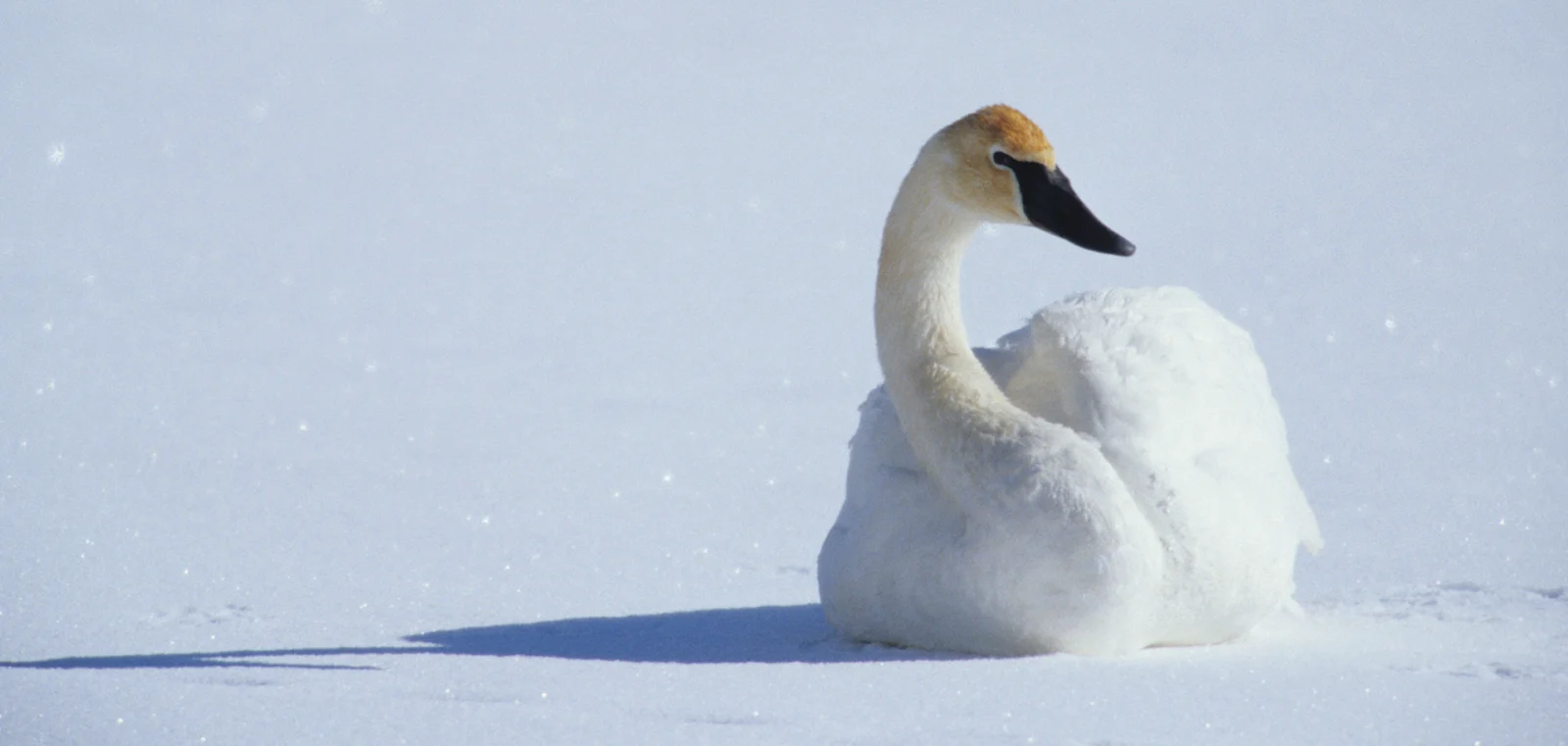
You can help teach Merlin how to ID birds, such as this juvenile trumpeter swan on a frozen river in Grand Teton National Park. ©Henry H. Holdsworth

Play the Bird-ID Game

You can help teach Merlin how to ID birds, such as this juvenile trumpeter swan on a frozen river in Grand Teton National Park. ©Henry H. Holdsworth

Ever wonder who creates those plant- or animal-identification outdoor apps and how designers know which questions they need to ask in order to help you make a positive ID?

Now, you can get in on the ground floor of producing such an app by “teaching” Merlin—an online, bird-ID tool being developed by the Cornell Lab of Ornithology—how real-life bird-watchers remember and describe birds.

Cornell developers say the Merlin project, funded by the National Science Foundation, will be a new kind of bird-identification tool—one that combines artificial intelligence with input from avid bird-watchers and casual spotters. The first step in building Merlin is knowing how thousands of people around the country remember and describe birds. The goal is to get Merlin to be able to narrow down the possibilities of which bird you’re seeing by asking six to eight questions.
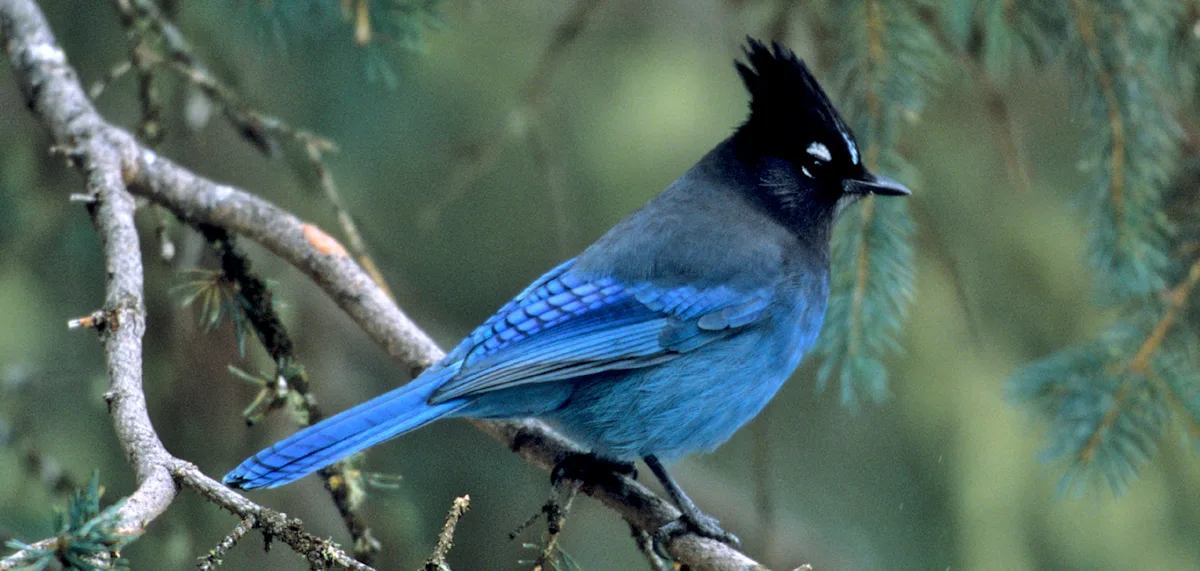
Once you become familiar with the birds in your area, the easier—and more natural—it is to care about conservation in general. ©Henry H. Holdsworth

To be part of the project, all you have to do is play a game found at allaboutbirds.org/labs., opens in new tab You’ll be shown an image of a bird for five seconds and then be asked which colors you recall. The more you play, the more you’ll help Merlin grow into a true, bird-ID expert.

Of course, the goal with most outdoor apps is to make you more knowledgeable about what’s “out there”; because once you know the name or become familiar with the birds, plants and animals that you see, the easier—and more natural—it is to care about conservation in general.

Here’s to finding your true places and natural habitats,

Candy
More from Nature & Wildlife

All Nature & Wildlife stories
  • Nature & Wildlife

    Extreme Weather Effects

    Nov 3, 2026 · Candice Gaukel Andrews

    The continental United States and many global regions experienced their hottest summer on record in 2026, driven by human-caused climate change and an intensifying El Nino, according to the National Oceanic and Atmospheric Administration’s National Climate Report published on September 9, 2026. Average temperatures were roughly 3 degrees Fahrenheit above the 20th-century baseline.

  • Nature & Wildlife

    5 Apex Predators and Where to Find Them

    Nov 1, 2026 · Cathy Brown

    An apex predator is the hardcore animal at the top of its food chain, the baddest of the bad, with few or no natural predators in its ecosystem.

  • Asia & The Pacific

    Stewart Island: New Zealand’s Isle of Glowing Skies

    Oct 28, 2026 · Lisa Poppleton

    In Maori, Rakiura means “Land of Glowing Skies.” Brilliant sunrises and sunsets mark the tranquil days on Rakiura, also known as Stewart Island, while its location at 47° south latitude makes it a potential viewing spot for the aurora australis, or Southern Lights.