
How Yellowstone Got its Groove Back

When you hear the word safari, your mind often wanders to the savannas of Africa, the jungles of central and South America, or the Galapagos Islands. These landscapes are rich in biodiversity and draw tens to hundreds of thousands of visitors annually. Similarly, when you hear about the loss of animal habitats and biodiversity, you likely imagine the deforestation of the Amazon rain forest or the clear cutting of forests on islands such as Sumatra and Madagascar, opens in new tab, where iconic species like the orangutan and the lemur are being threatened in the name of agricultural expansion.
But despite where your mind may wander, we have safaris right here in the US, and habitat loss happening in our own backyard.
America’s national parks, especially its oldest, Yellowstone National Park, are a playground for ferocious carnivores, such as the gray wolf and the grizzly bear, and majestic ungulates, such as bison, elk, and bighorn sheep. Unfortunately, the Greater Yellowstone Ecosystem, in which all of these animals reside, has been significantly impacted by human land use and expansion for activities such as agriculture and urban development.
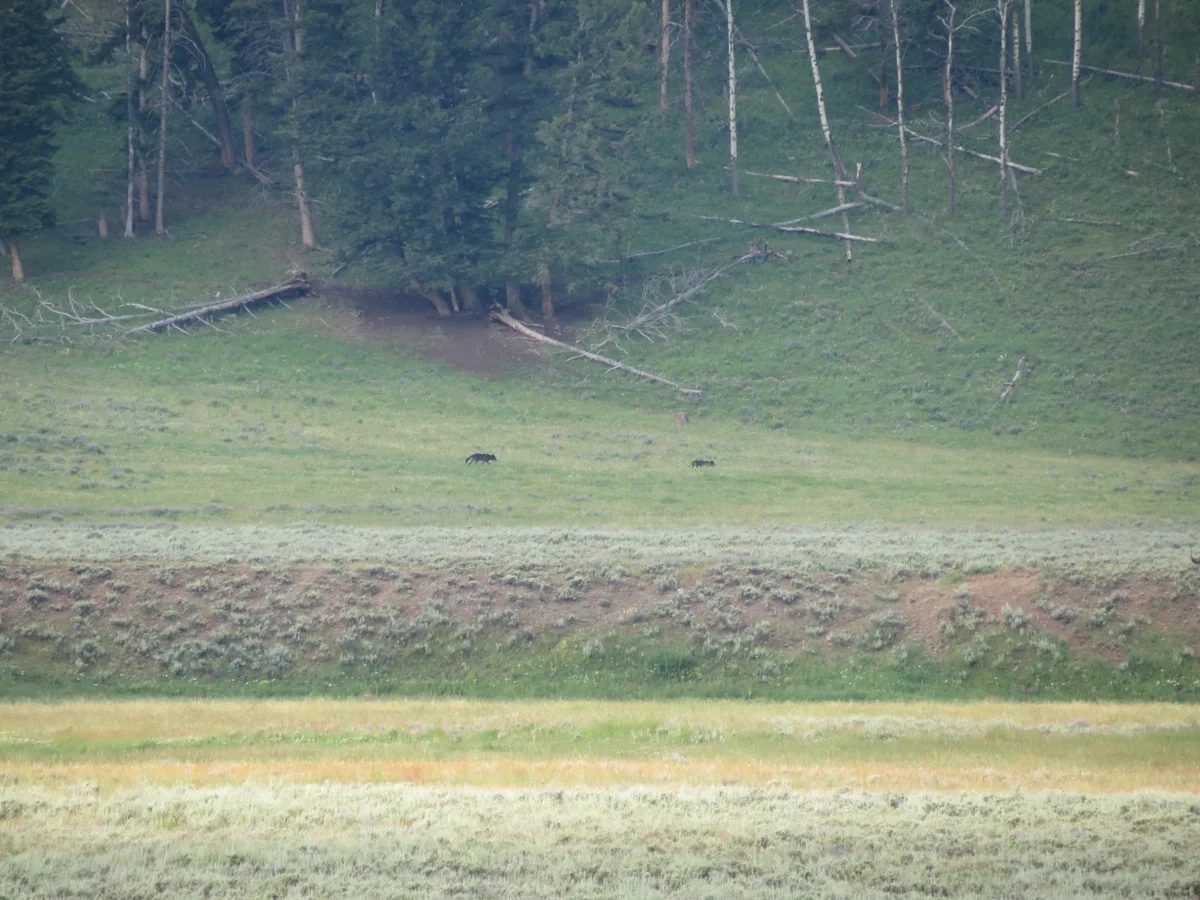
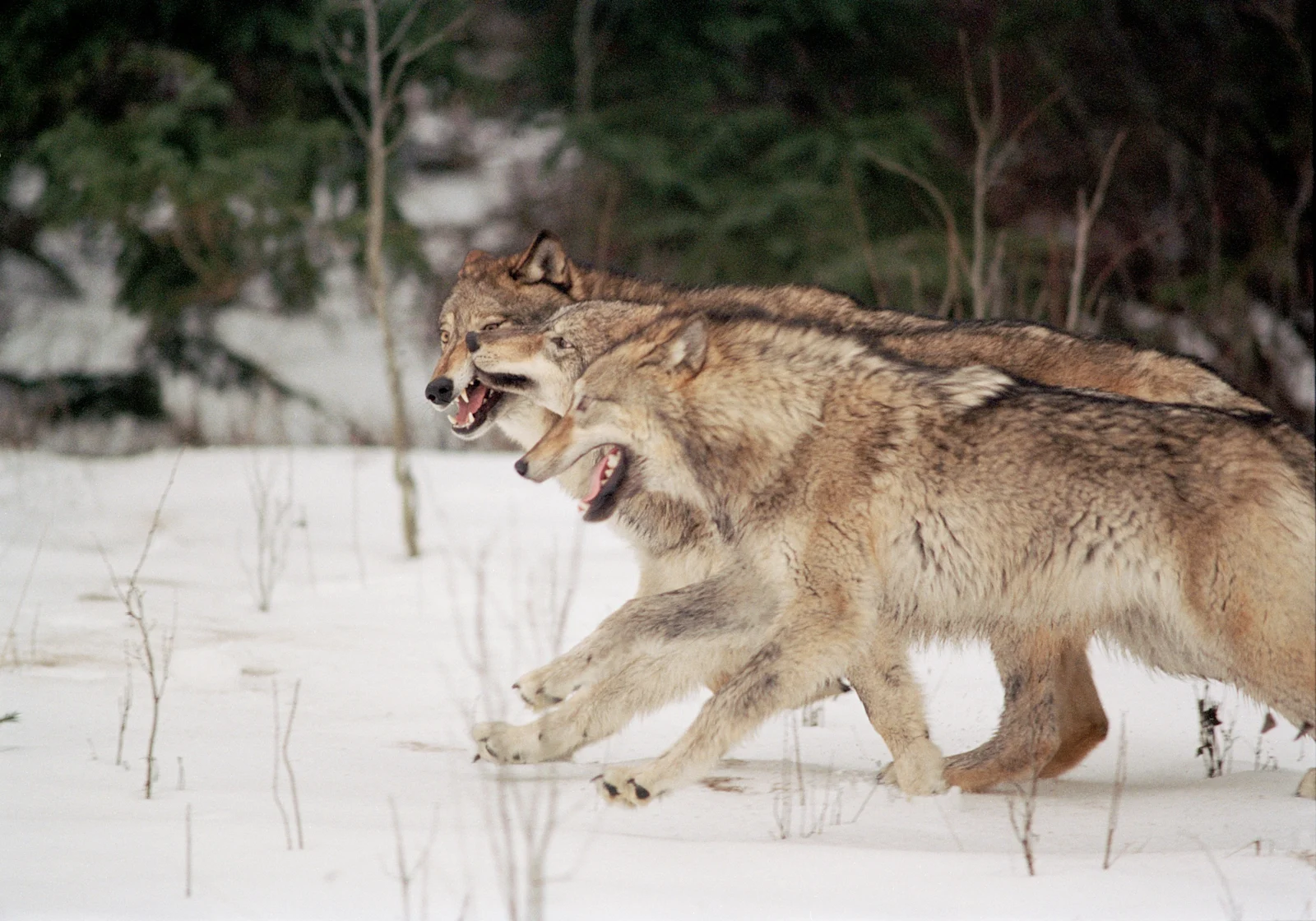
This tension between the natural ecosystem and human interactions with it came to a head in the early 20th century, resulting in the eradication of the gray wolves from the landscape, with the last of the park’s gray wolves being killed in 1926 because of tensions with the surrounding community. Removal of this top predator allowed the ungulate populations to thrive, having a dramatic impact on the biodiversity in the park – especially the prevalent tree species. Elk that were allowed to graze unchecked meant aspen populations, which provide excellent habitat for a wide variety of wildlife compared to the coniferous forest types present, dwindled.
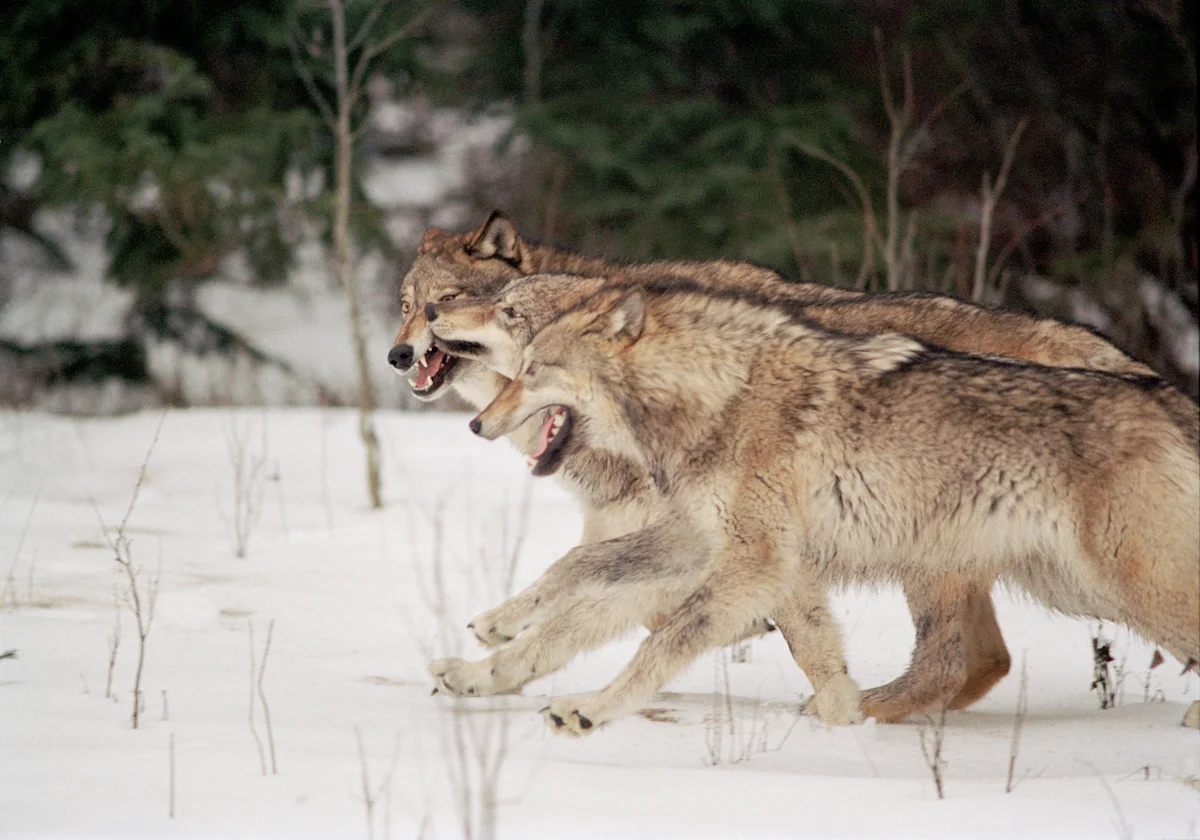
Fortunately, in recent years this story has taken a positive turn. Current ecosystem studies suggest that the reintroduction of gray wolves in the 1990s has kept the elk population in a better balance with the native flora, allowing plants such as aspens to rebound. In turn, this has lead to increased biodiversity in the park. This story of resilience through improved landscape management is a model for other threatened landscapes around the world. It shows that when these landscapes are managed well, they can rebound within a lifetime, and biodiversity can return.
WWF is working both domestically, in the Northern Great Plains, opens in new tab, and internationally, in landscapes such as the KAZA, opens in new tab (Kavango-Zambezi Transfrontier Conservation Area) in Africa, to find this balance at a landscape level to save and restore biodiversity for future generations.
By Monica McBride, WWF