

Environmental Activism: Arctic Drilling and Cecil, the Lion
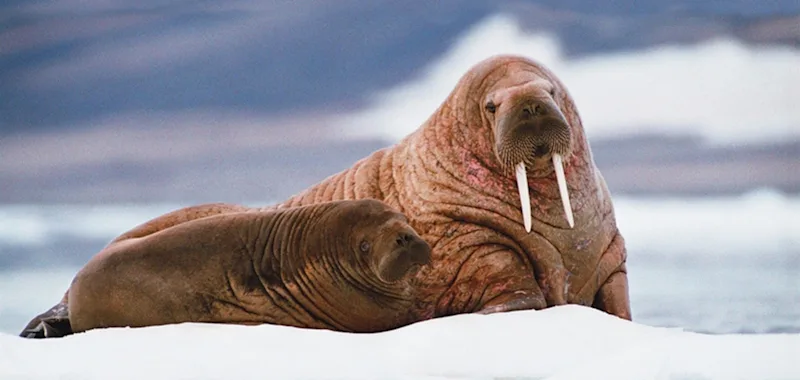
On July 25, 2015, the MSV Fennica, a Royal Dutch Shell icebreaker which was carrying oil-drilling equipment to the Arctic, arrived in Portland, Oregon, for repairs.
479 stories
On July 25, 2015, the MSV Fennica, a Royal Dutch Shell icebreaker which was carrying oil-drilling equipment to the Arctic, arrived in Portland, Oregon, for repairs.
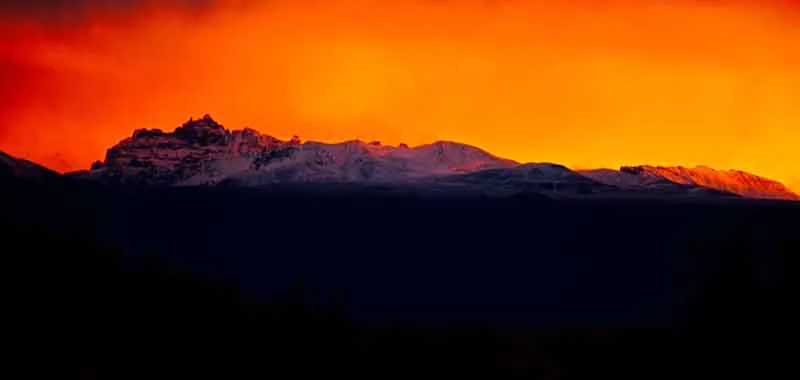
Alaska is on fire. Even where I live in Wisconsin, I can feel it. A NASA photo shows that a plume of smoke from those northern blazes extends all the way down through the Midwest. But that’s not the only reason why I should care about Alaska’s fires.
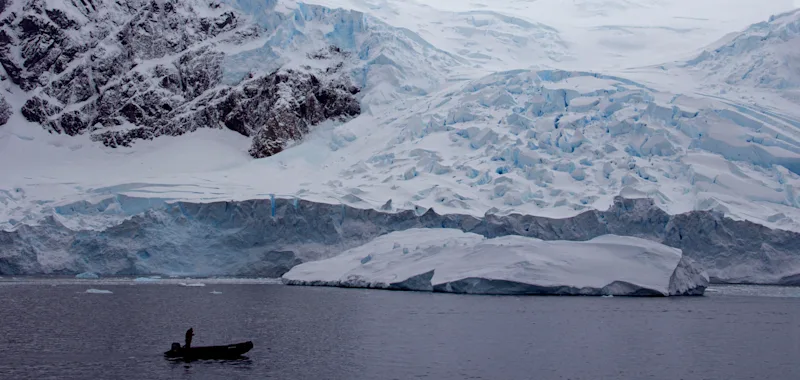
Climate change has caused accelerated calving and melting of tidal glaciers around the world, resulting in a sea-level rise. But that’s not the only consequence: when large chunks of ice break off of a glacier and forcefully splash into the icy water, thunderous shaking often accompanies such events.
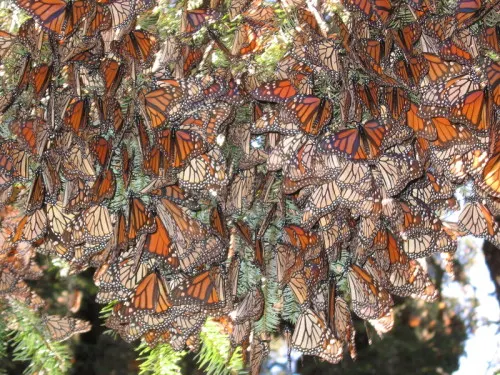
Monarch butterfly populations have decreased so drastically over the past decade that a successful recovery is only hopeful.
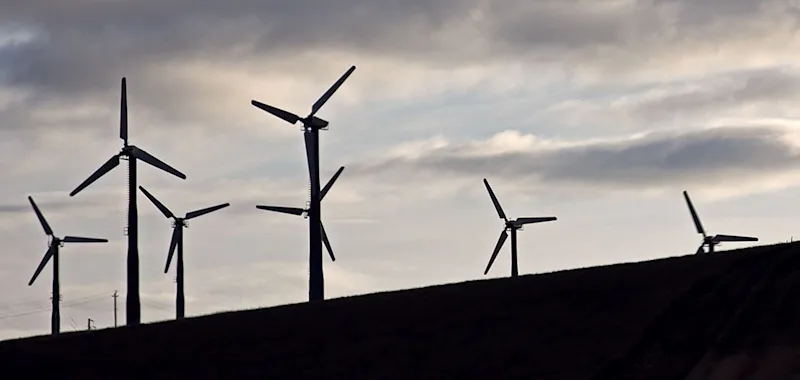
To help meet our growing energy needs, in recent years we have increasingly turned to wind power. The U.S. Energy Information Administration estimates that in 2014, 4.4 percent of the electricity we generated came from wind. However, the wind industry is set to expand exponentially from the current 60,000 megawatts of capacity to 300,000 by 2030.
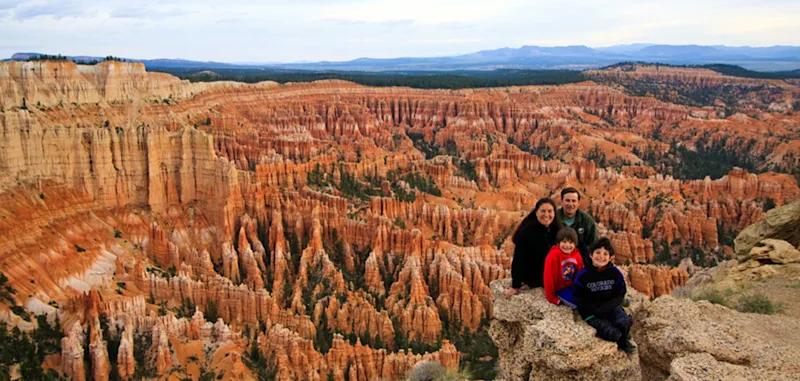
One of the many joys of returning from a trip is being able to relive the experience by sorting through your vacation photos. Chances are that you managed to get a few really good ones among the hundreds—made possible by the ease of digital photography—that you erase.
Just over five years ago, on the evening of April 20, 2010, the BP Deepwater Horizon oil platform exploded off the coast of Louisiana, rupturing the Macondo exploration well below it.
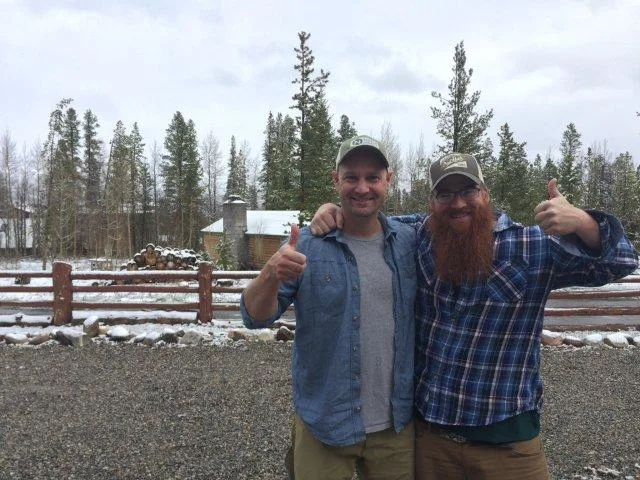
Dear Nature Traveler, I fancy myself a pretty good nature traveler. I’ve run Natural Habitat Adventures for THIRTY YEARS now (ouch!), so I’ve had the opportunity to journey to some pretty darned wild places, from the Arctic tundra to the African rain forest to remote islands in the Pacific.
The first time you see a lion on the great plains of Africa, it fills you with wonder. While watching a grizzly bear catch salmon at Brooks Falls in Alaska, you can’t help but feel admiration for its superior fishing skills.
Suppose we meet for a cup of coffee, and in the course of our conversation, I tell you that 2014 was officially the hottest year on record.
Animal advocates and wildlife enthusiasts like you and me are always excited when new research comes out demonstrating the intelligence of the “others” among us; for example, how crows solve problems or whales have complex cultures.
Words are my business; I’m intrigued by them and the power they have. As an environmental writer, I am particularly interested in the terms we have to describe the natural world: is a particular landscape “inspiring,” or is it more of a “stirring” place?