

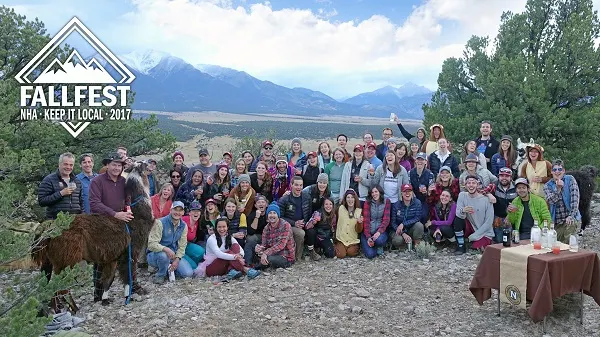
Keeping It Local: Nat Hab Fallfest 2017
On the last weekend of September, the cottonwoods along Colorado’s Arkansas River were in full fall glory, burnished gold against the cobalt blue sky and snow-dusted peaks of the Collegiate Range.
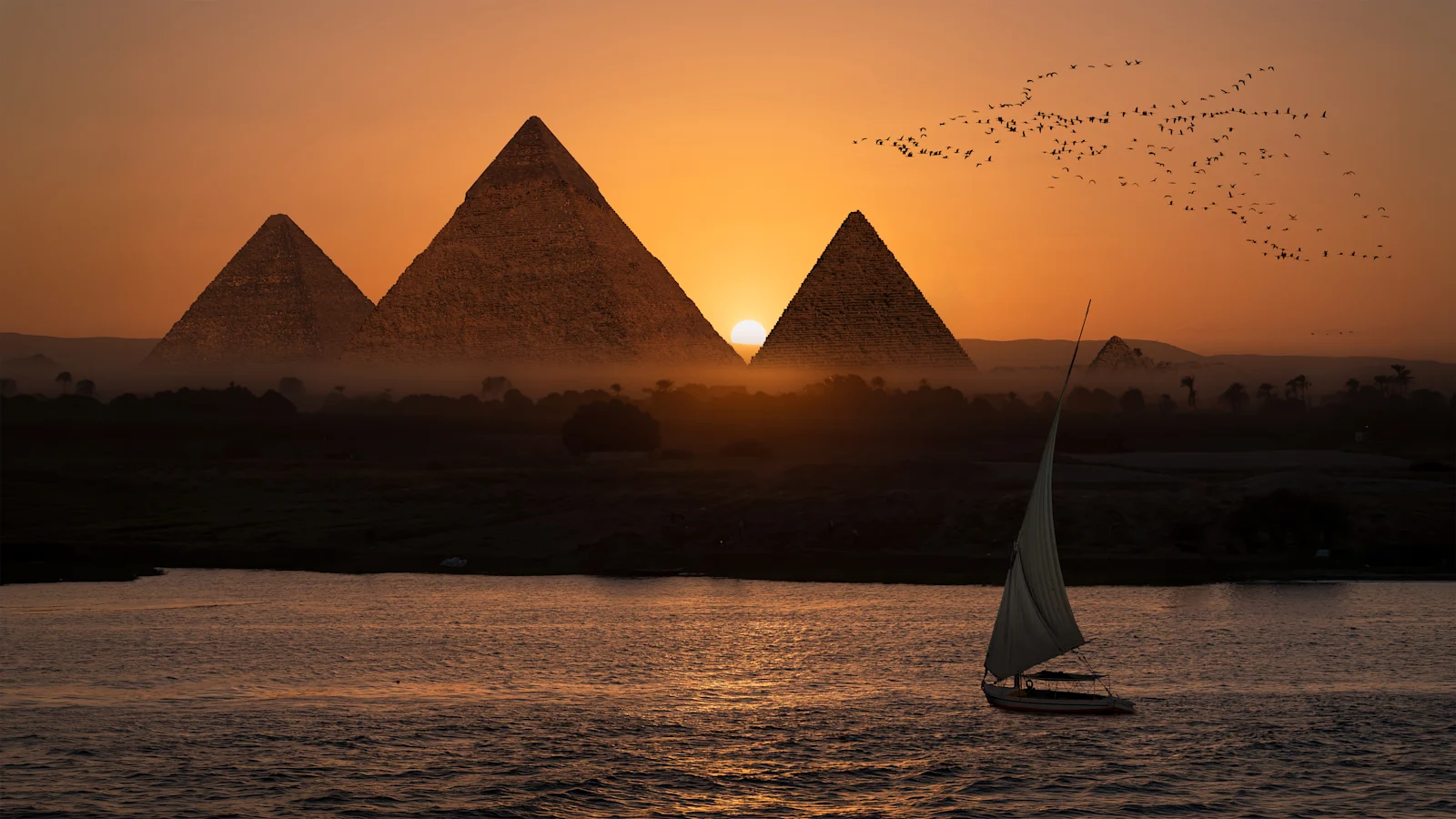
479 stories
On the last weekend of September, the cottonwoods along Colorado’s Arkansas River were in full fall glory, burnished gold against the cobalt blue sky and snow-dusted peaks of the Collegiate Range.
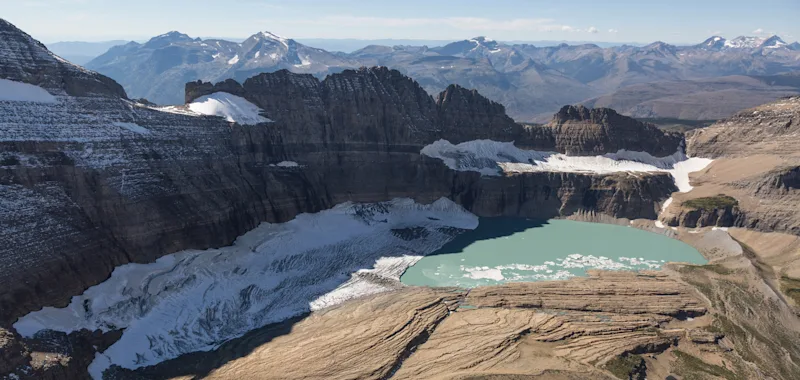
Glacier National Park is smack-dab in the center of the breathtaking Crown of the Continent Ecosystem, which spans 10 million acres on either side of the U.S.-Canada border. Alpine meadows, grizzly bears, mountain goats, wildflowers and vast tracts of wilderness helped draw 2.9 million visitors to the park last year.
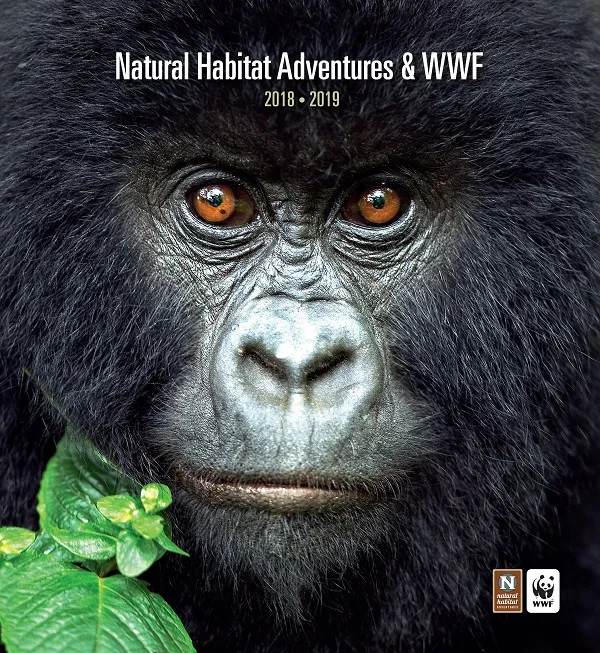
Fresh Off the Press! I returned to beloved Vancouver, British Columbia, last month for the printing of the 2018 Catalog of World’s Greatest Nature Journeys for Natural Habitat Adventures and World Wildlife Fund. This is the 15th catalog I’ve designed for Nat Hab, and it’s the best one yet.
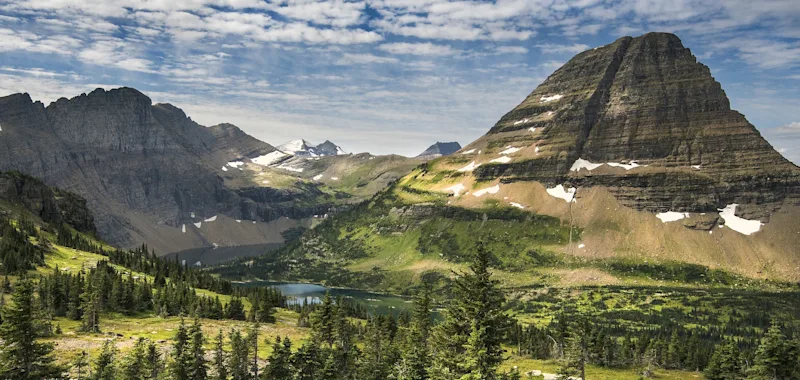
In quiet places, we yearn for absolution. But peace swiftly flees. It’s not surprising that 99.2 percent of us want our national parks and monuments to continue to stand—or even grow—in their current sizes and statuses. Attendance records show that this year, we love visiting them more than ever.
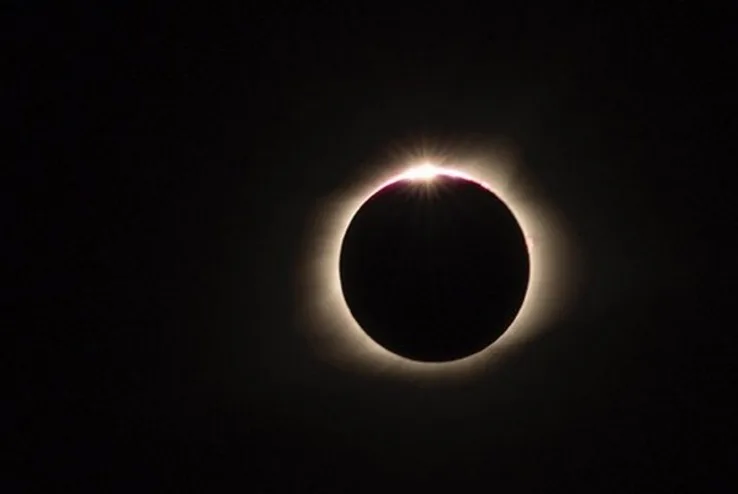
Nat Hab staff had a stellar time watching the solar eclipse at our Boulder, Colorado headquarters. The fun continued as your photo submissions to the #NatHabEclipse hashtag contest rolled in! Big thanks to all who participated! We received entries from across the U.S., including several from the path of totality—and even one from the U.K.
Polar bears struggling to find the ice floes they need for hunting and survival became the icon of climate change and our rapidly warming planet decades ago. And we’ve often heard how hotter temperatures are affecting the globe’s north and south poles and their oceans.
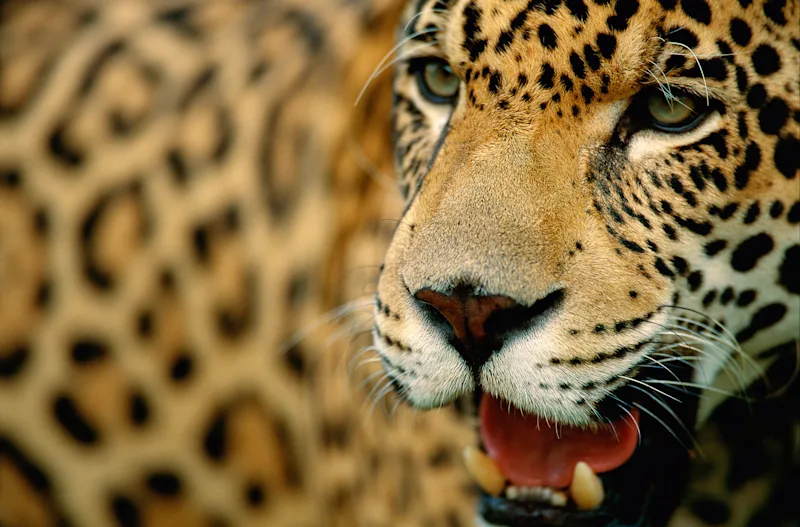
The Fundación Vida Silvestre Argentina (FVSA), the country representative of WWF in Argentina, recently celebrated the increase of the jaguar population in Misiones, a province located in the northeastern corner of Argentina.
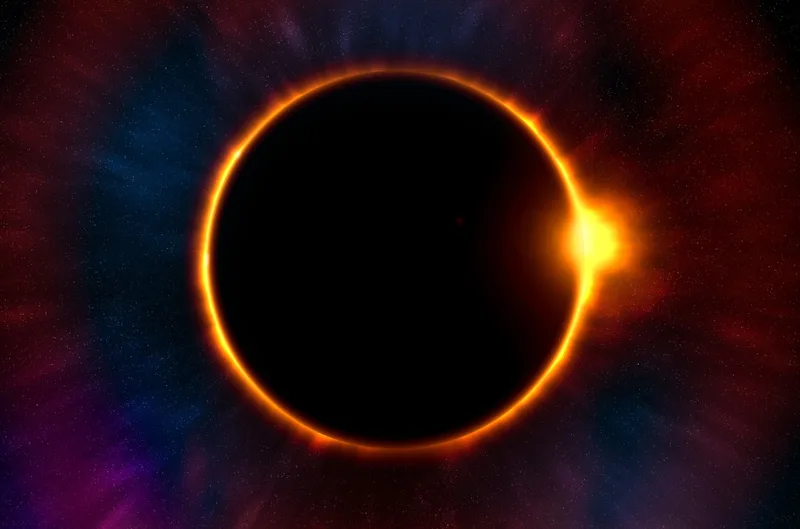
On Monday, Aug. 21, 2017, it’s safe to assume that much American productivity will come to a standstill as umbraphiles flock to watch the first total solar eclipse since 1918 to cross the United States from coast to coast.
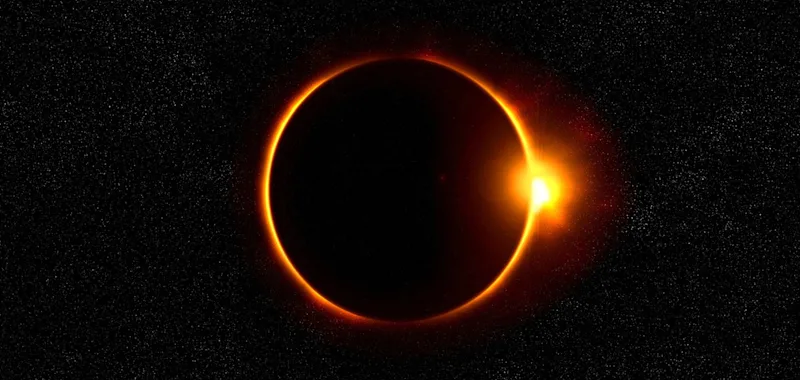
On Monday, August 21, 2017—for the first time in nearly a century—a total solar eclipse will cross the United States from coast to coast. A solar eclipse happens when a new moon moves between the Earth and the sun, blocking all or some of the sun’s rays.
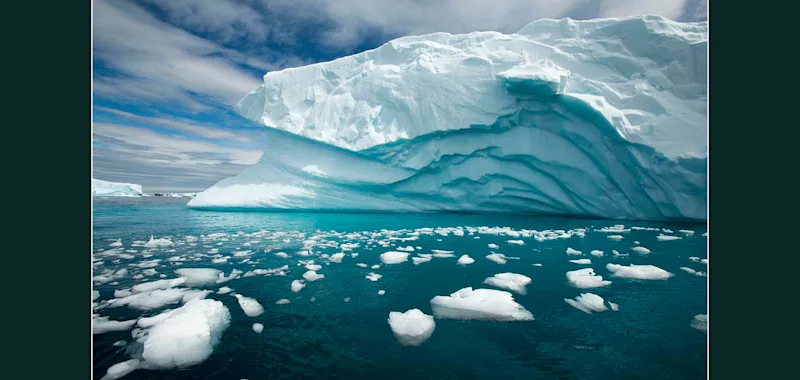
A gigantic iceberg has just broken off from Antarctica’s massive Larsen C Ice Shelf. The berg began its independent life sometime in the middle of July 2017. And it’s huge. The 2,200-square-mile iceberg weighs a trillion tons (twice the volume of Lake Erie) and is nearly the size of Delaware.
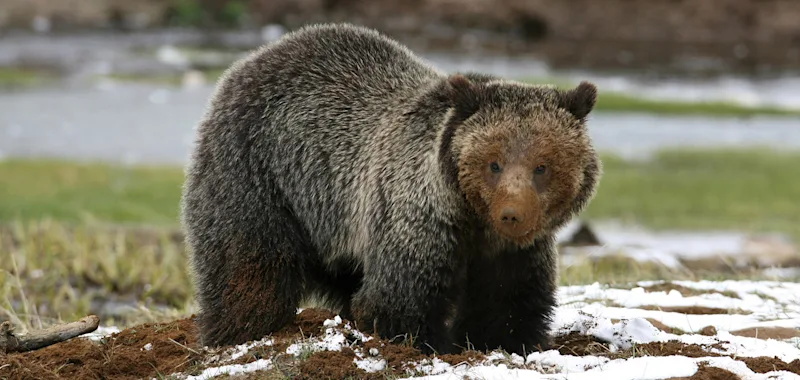
Later this month, in late July 2017, Greater Yellowstone Ecosystem grizzly bears outside Yellowstone National Park and nearby Grand Teton National Park will lose their Endangered Species List protections. Jurisdiction over the bears will be handed over to Idaho, Montana and Wyoming. In general, that will mean fewer restrictions on killing the bears.
The United States has officially left the Paris Agreement on climate change, the 2015 pact in which more than 150 nations pledged to curb greenhouse gas emissions and support the plans of poor countries in developing clean energy and protections against climate-related disasters.