

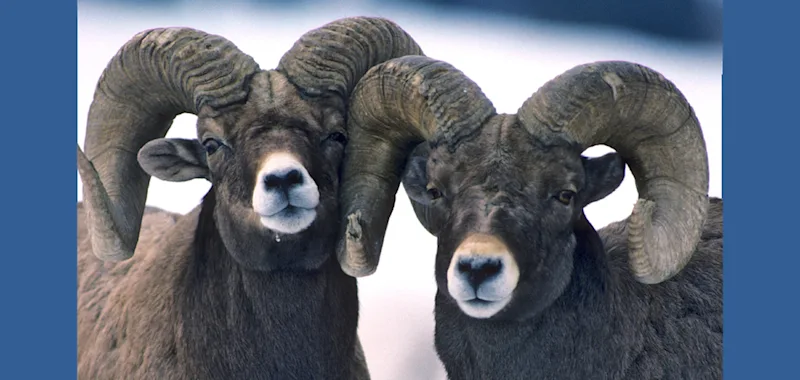
Bam Bam the Ram: Is Feeding Wildlife Ever OK?
When we feed wild animals, the result can be just as lethal as if we had poisoned them. But is feeding wild animals always wrong?
1183 stories
When we feed wild animals, the result can be just as lethal as if we had poisoned them. But is feeding wild animals always wrong?
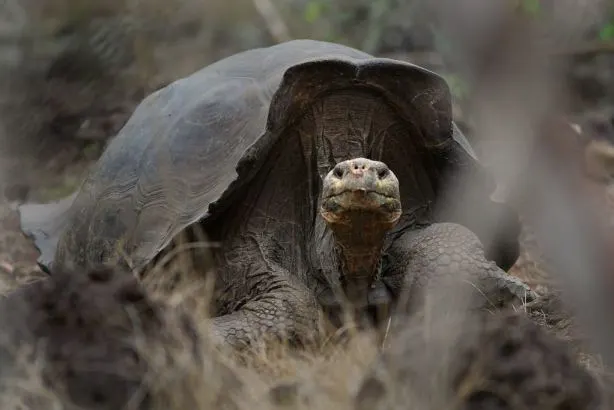
Last year, World Wildlife Fund’s Heather Finn and Kristina Griffin traveled to the Galapagos Islands for the first time. Heather works as Manager of Digital User Experience, and Kristina is Deputy Director for Cause Marketing Program. It was tough for them to narrow it down, but here are their top four moments in the Galapagos.
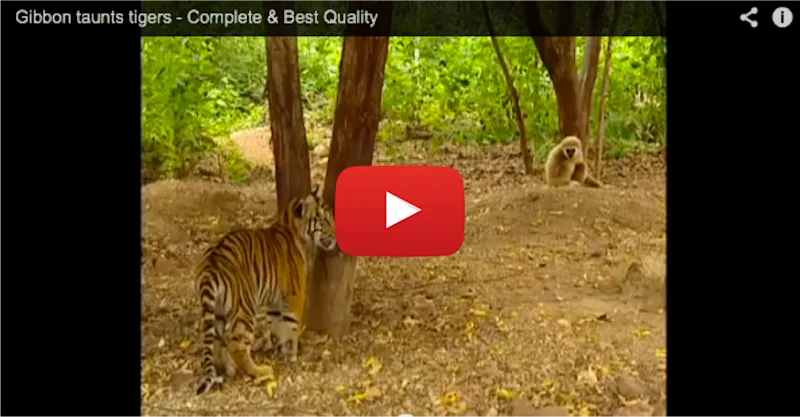
A smile for your weekend! Had to share this remarkable capture of a gleeful gibbon monkey up to a little mischief with a couple of juvenile tigers. The clip comes, courtesy of National Geographic from their series Untamed Asia: Chronicles of the Lost Jungle.
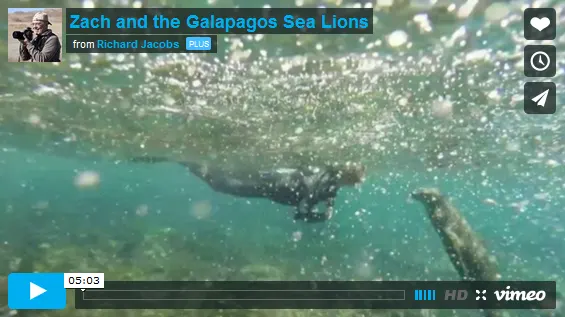
I had the pleasure of meeting traveler Richard Jacobs during a trip to Churchill, Canada, to see polar bears. A great conversationalist, considerate environmentalist and fine travel companion, Jacobs also proved to be a talented photographer and videographer; we even published one of his photos in the 2014-15 WWF-NHA travel catalog.
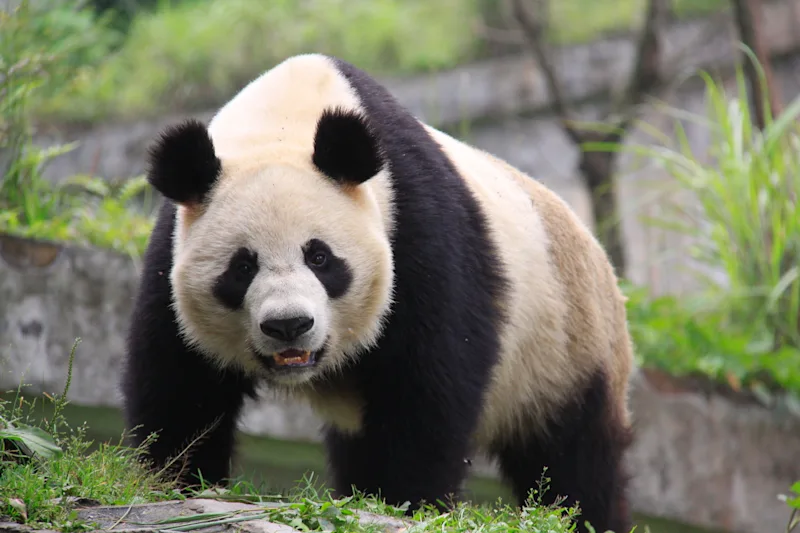
At WWF, it should come as no surprise that we take pandas seriously. Their image has been synonymous with our organization since its inception in 1961. They’re also endangered—threatened by forest destruction and hunting. When we visit China with NatHab, we experience the culture to be sure, but giant pandas are the focus.
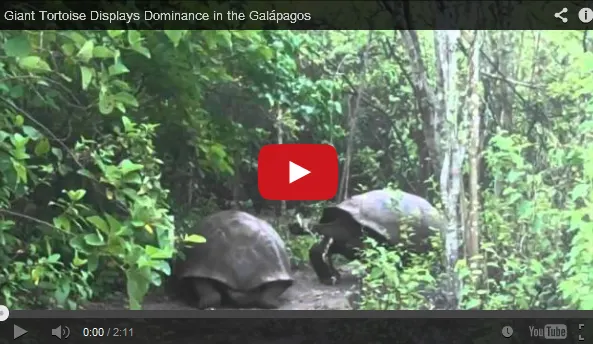
Watch this two minute video taken in the Galapagos by traveler and WWF employee Heather Finn. Find out what happens when two giant tortoises meet on a narrow path – who will win this show of dominance? Travel to the Galapagos with Nat Hab and WWF.
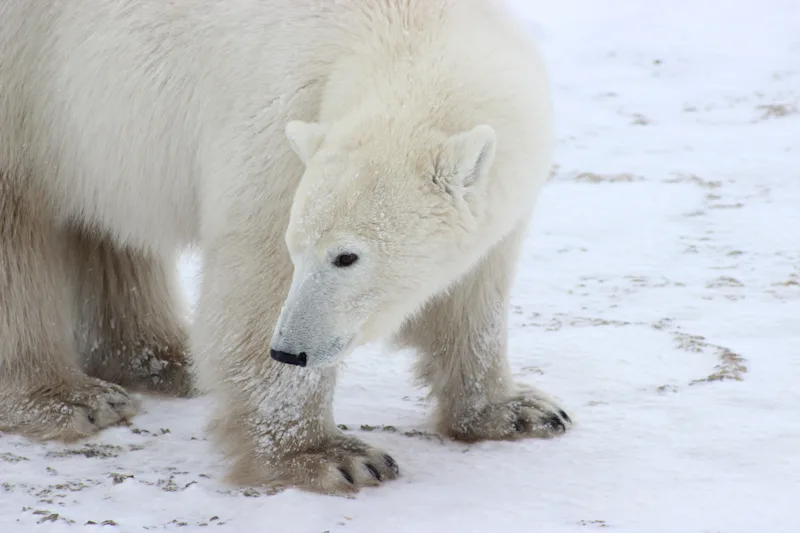
The Canadian community of Churchill, Manitoba, lives in geographic isolation. There is no paved road to get there.
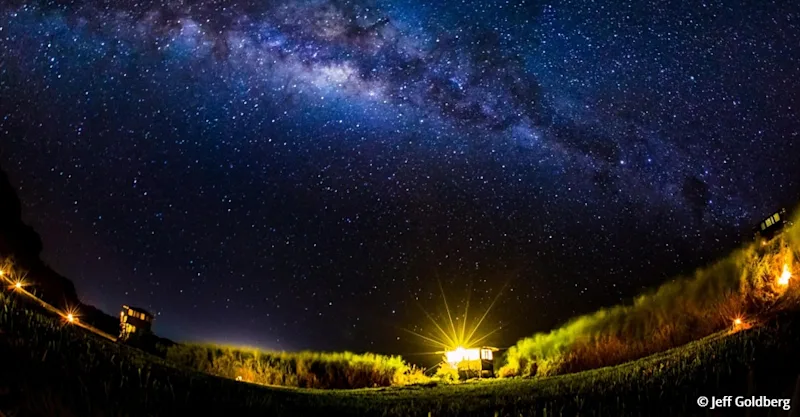
Nat Hab guest and photographer extraordinaire Jeff Goldberg just returned from one of NHA’s Galapagos tours. He took this incredible photo of the Galapagos night sky at the NHA Wild Tortoise Camp, our exclusive deluxe camp high atop Santa Cruz Island. The photo was too good not to share! “I just got back from the Galapagos.
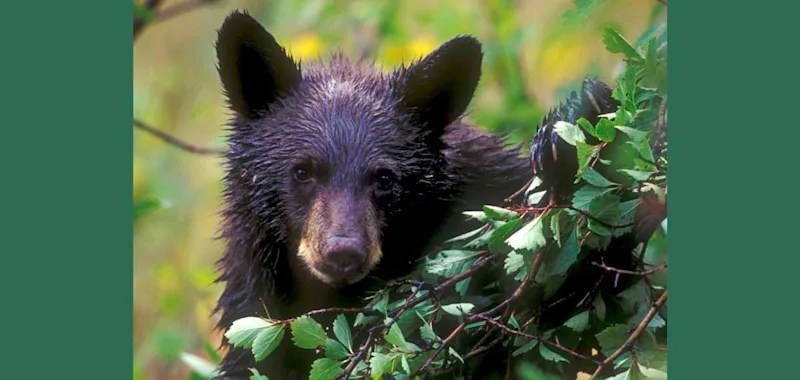
In Wisconsin where I live, we call three large predators “neighbors”: the black bear, the gray wolf and the occasional mountain lion. Because of this, you might think that Wisconsinites’ attitudes toward all three animals would be similar.
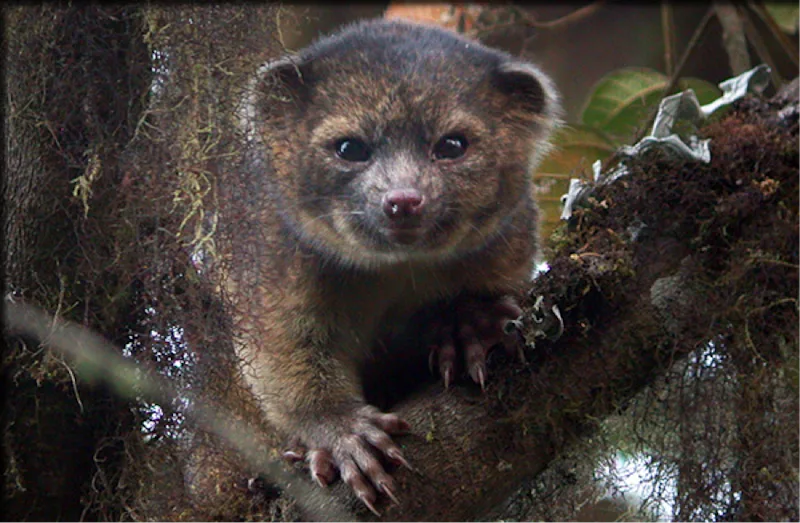
Recently the International Institute for Species Exploration (IISE) released its annual Top 10 List of newly discovered species. Each year an international committee, made up of taxonomists and other related experts, selects 10 species out of the thousands of new discoveries made the previous year.
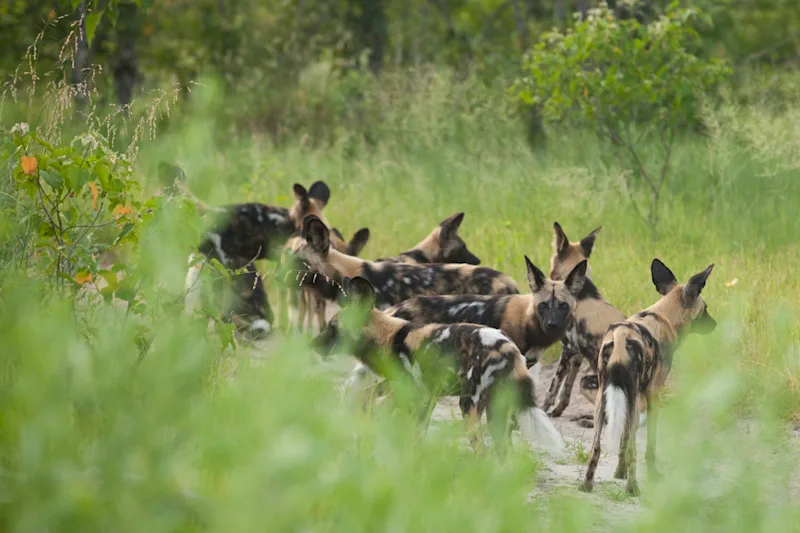
Painted wolf is the meaning behind the African wild dog’s scientific name. But even with such a regal sounding name, these wild dogs don’t get as much respect as they should. Once found throughout sub-Saharan Africa in the hundreds of thousands, the wild dog’s range and population have vastly diminished.
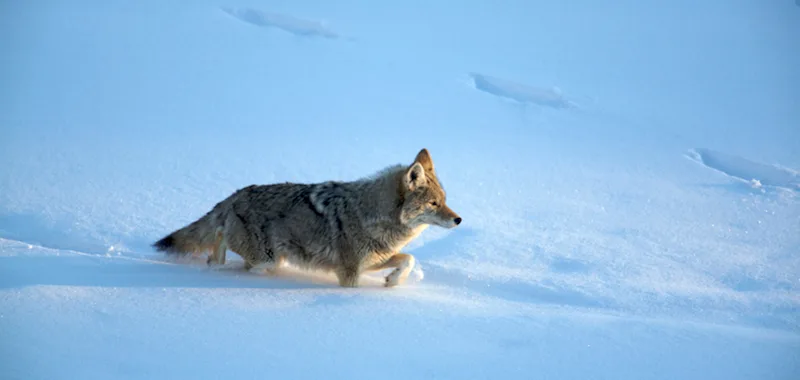
No matter where you live—whether in a developed, suburban district or a woodsy, semirural area—you most likely have coyote neighbors. Although you may have never seen them, coyotes are now a fact of life in nearly every American city.