Nature & Wildlife

1183 stories

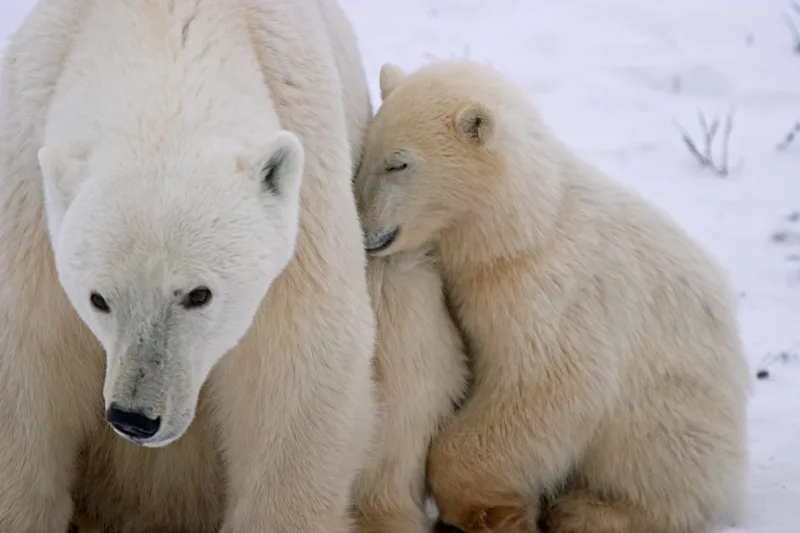
  • What Are the Growth Stages of Polar Bear Cubs?

    Jul 7, 2019 · Courtney Nachlas

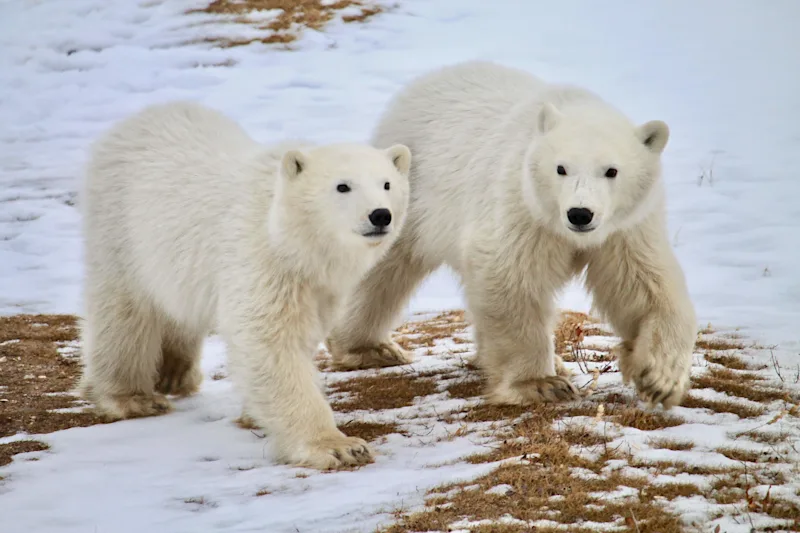
    There are few comparable thrills to spotting the world’s largest land predators only a few feet away from your Polar Rover. These impressive bears brave the Arctic’s unforgiving conditions and have a fierce presence as the infamous “kings of the arctic.”
  • What Do Polar Bears Eat?

    Jun 15, 2019 · Emily Goodheart

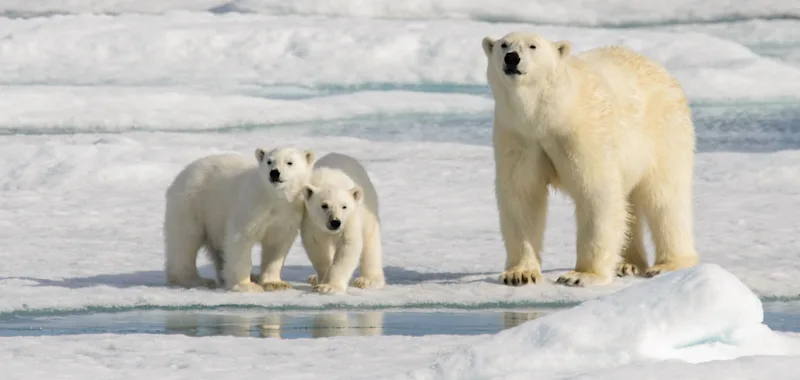
    Wherever I’ve traveled in the world, I have always been fascinated by what humans and other species eat. With a background in animal behavior and food anthropology, I traveled to the Polar Bear Capital of the World with a curiosity about the diets of people and animals living in this remote portion of the subarctic.

  • Traveler Story: Namibian Desert Safari

    Jun 5, 2019 · Natural Habitat Adventures

    “The early morning and evening light on the sand dunes and tree skeletons in Sossusvlei and the Kulala Wilderness Reserve provided some of the most dramatic views and photos from our trip to Namibia.

  • Why Are There So Many Polar Bears in Churchill in the Fall?

    Jun 3, 2019 · Courtney Nachlas

    Churchill, Manitoba, a small sub-Arctic community based on the edge of the Hudson Bay is famously known as the polar bear capital of the world. Whether you’re in Churchill to see the roaming polar bears, spectacular aurora borealis or the surfacing beluga whales, Churchill is filled with seasonal wildlife.

  • Traveler Story: Wild China

    Jun 1, 2019 · Natural Habitat Adventures

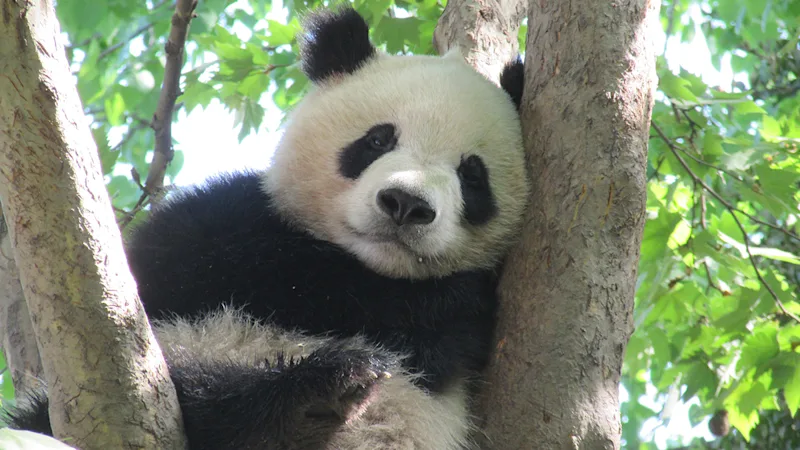
    “It is difficult to select a favorite experience from my wild China odyssey—the opportunities to visit multiple panda bases, to see rare species in the wild, to visit historical sites, to interact with Chinese locals, to travel through remote regions of Sichuan and Shaanxi provinces…. how to choose?

  • Will We Soon Be “Talking” with Dolphins and Whales?

    May 28, 2019 · Candice Gaukel Andrews

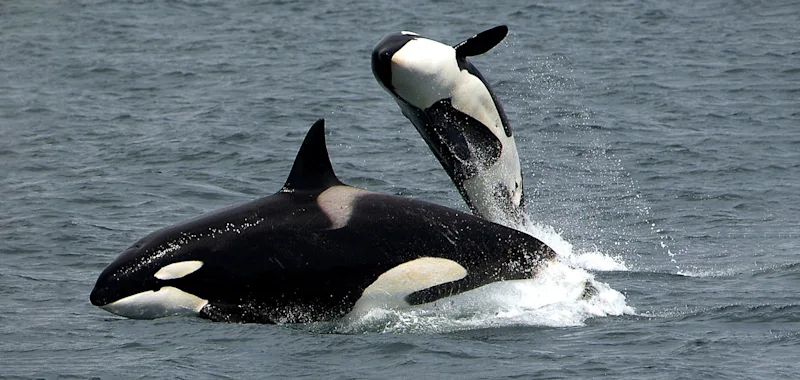
    Much like us, other animals have “languages” that they use in order to communicate with members of their own species. For example, prairie dogs have developed different “words” to describe various predators—barks, squeals and squeaks that contain different numbers of rhythmic chirps and frequency modulations to distinguish which one is currently after them.

  • 5 Matriarchs in the Animal Kingdom You Can See with Nat Hab

    May 11, 2019 · Emily Goodheart

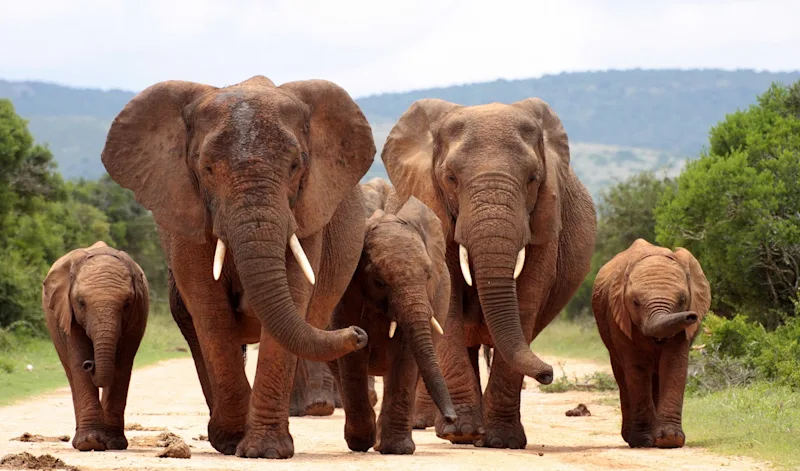
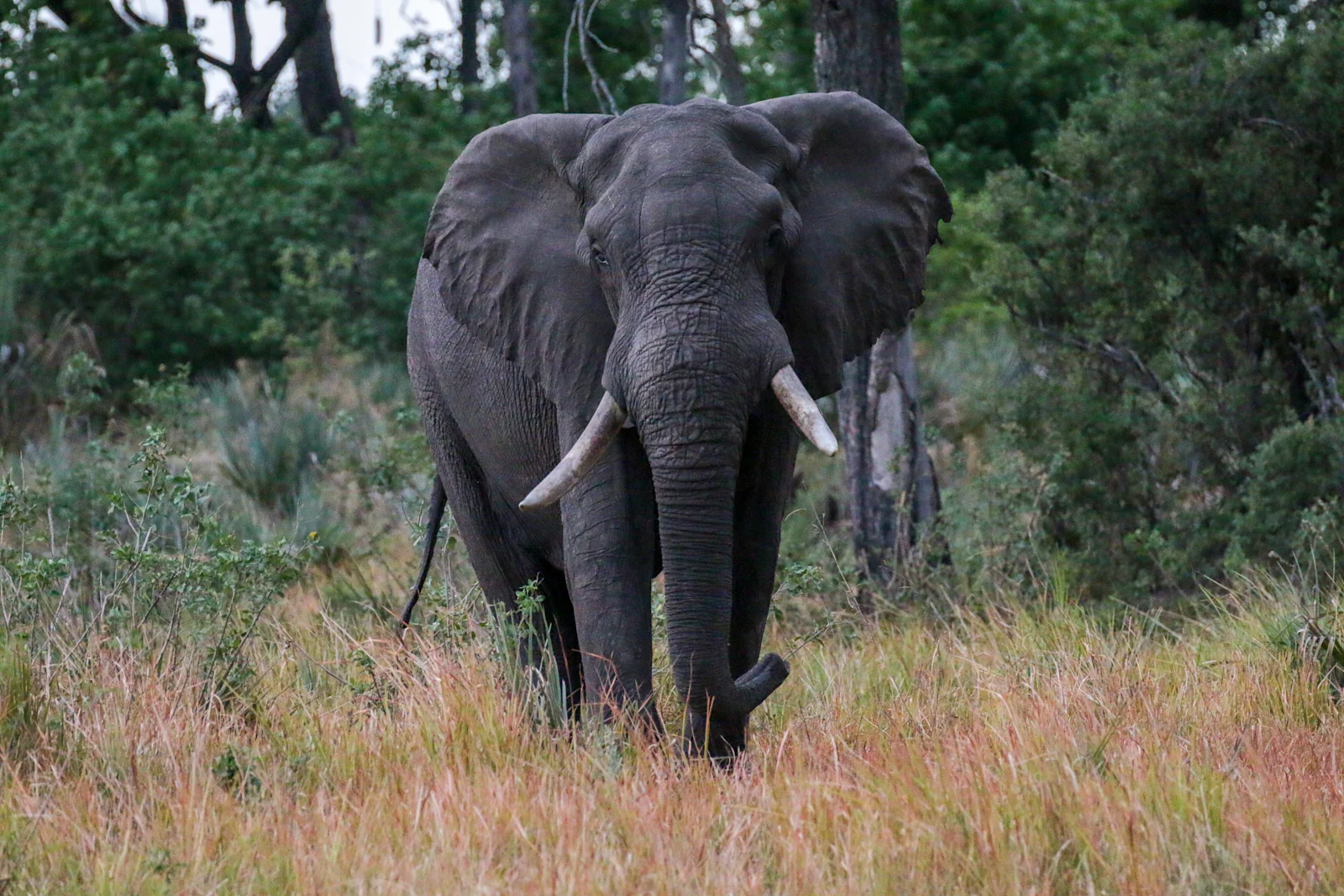
    In honor of Mother’s Day, we’ve made a list of the matriarchal animal societies you can see on a trip with Natural Habitat Adventures. Check out which moms rule the roost below! Elephants Elephants are incredibly empathetic animals—studies have shown they mourn their dead, have long-term memories and possess the ability to love.

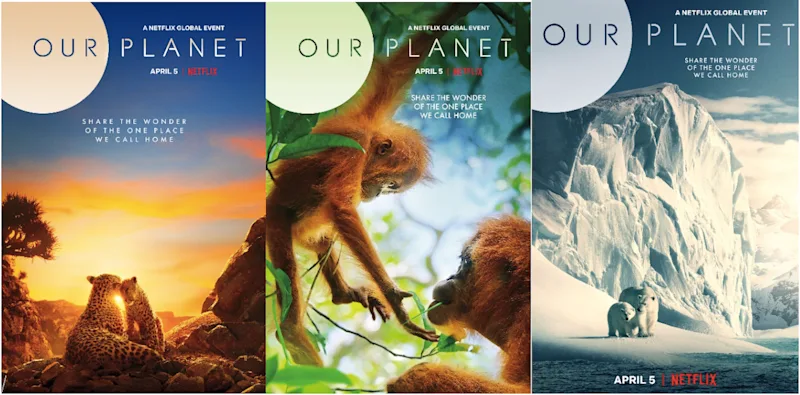
  • 6 places on Our Planet where WWF works

    May 9, 2019 · Hannah Wagner

    Our Planet developed a sense of urgency. The 8-part series, which can be streamed on Netflix, has created conversation on the danger wildlife faces. Listening to Sir David Attenborough’s voice bellow over sweeping scenes of fragile beauty is both relaxing and upsetting.

  • QUIZ – How to Differentiate African Rhinoceroses

    May 1, 2019 · Hannah Wagner

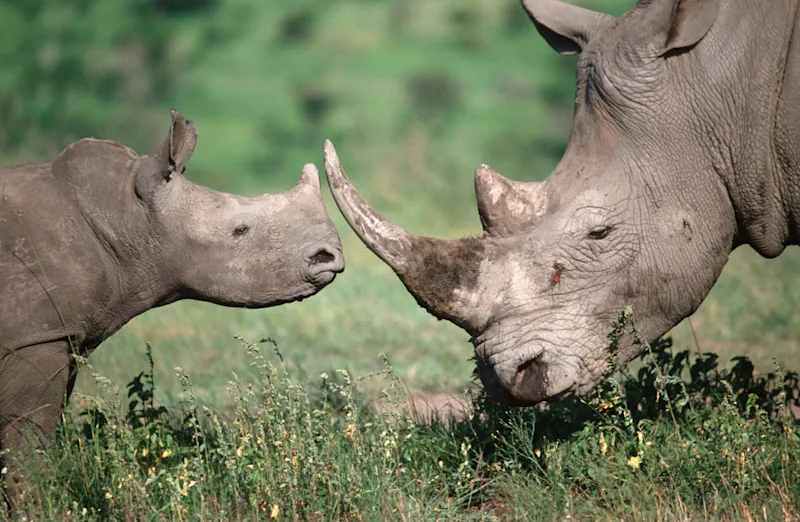
    Aren’t all rhinos gray? Technically, no. Spanning the lower and eastern part of the continent of Africa, the black rhino and white rhino roam like prehistoric giants balancing precariously on the edge of being lost. The black rhino is critically endangered, and the white rhino is near threatened.

  • "Know I’m Here" Documentary a Tribute to Churchill

    Apr 29, 2019 · Courtney Nachlas

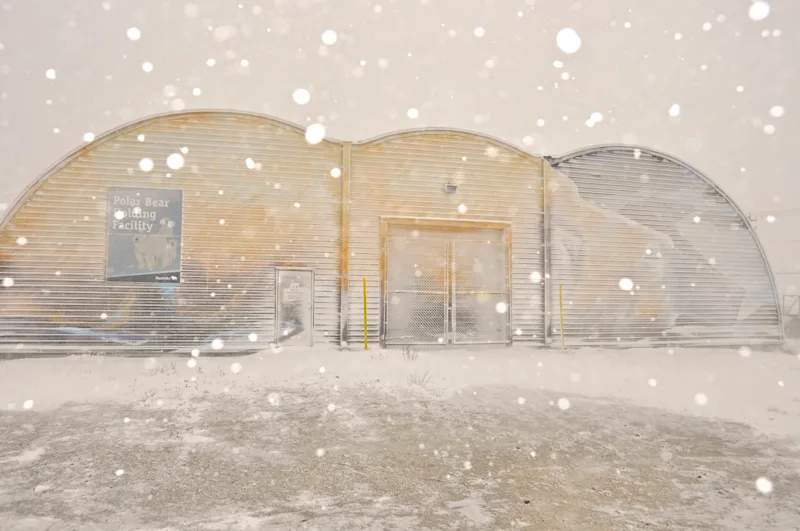
    When you’re walking around Churchill, the Polar Bear Capital of the World, it’s hard to miss the beautiful murals painted on buildings throughout the town. The colors and messages are captivating, capturing the true essence of how it feels to live in this magical subarctic community.

  • The Our Planet Species You Can See with Nat Hab & WWF

    Apr 23, 2019 · Emily Goodheart

    Our Planet brilliantly encapsulates the idea that our wild places are worth protecting. Detailed within each episode are accounts of spectacular natural phenomena, such as the super blooms that occur once every decade in California’s deserts after a cloudburst.