

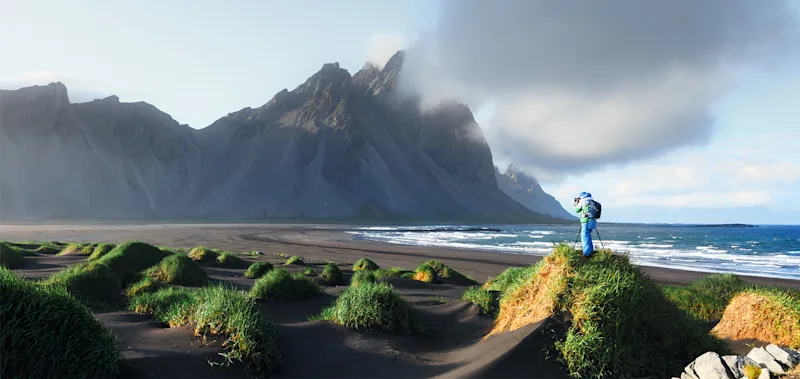
Iceland’s Volcanos and Glaciers: Fire and Ice
By Nat Hab Expedition Leader Eddy Savage Iceland is well known around the world as the land of fire and ice and is one of the rawest places I have had the pleasure of exploring.
1183 stories
By Nat Hab Expedition Leader Eddy Savage Iceland is well known around the world as the land of fire and ice and is one of the rawest places I have had the pleasure of exploring.
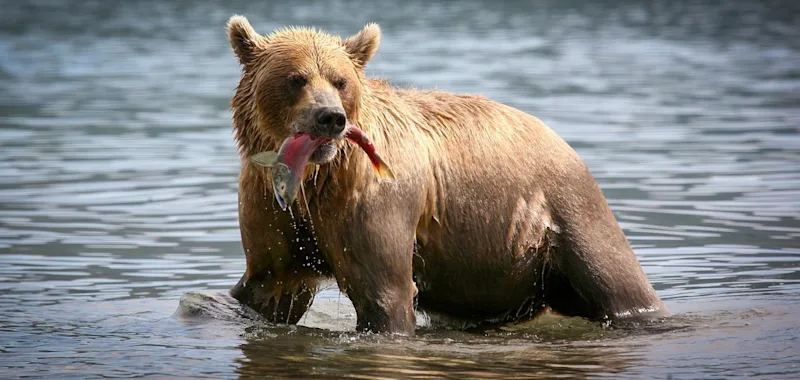
Although sometimes heart-wrenching to discover on our nature outings, the animal carcasses that we may come across play an important role in the functioning of healthy ecosystems. The animal remains not only provide food for many carrion-eating species, their nutrients also contribute to the significantly increased growth of surrounding plants.
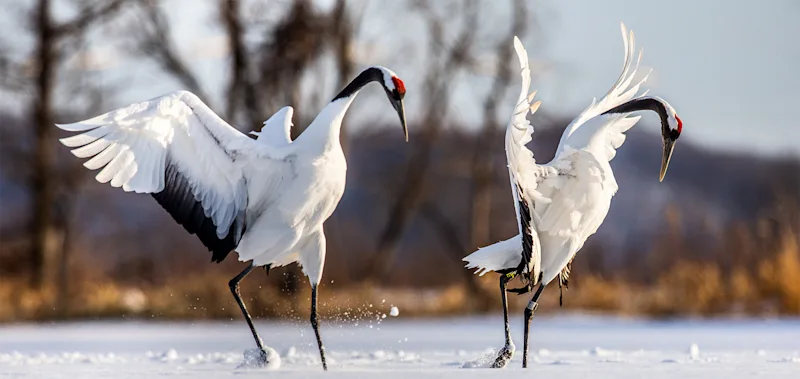
We know that only a small percentage of what we understand comes from words. Tone, body language and rhythm all come together to help communicate a message, whether we’re conscious of them or not. Animals also use multiple forms of communication to express how they’re feeling, what they want, or if there’s danger nearby.
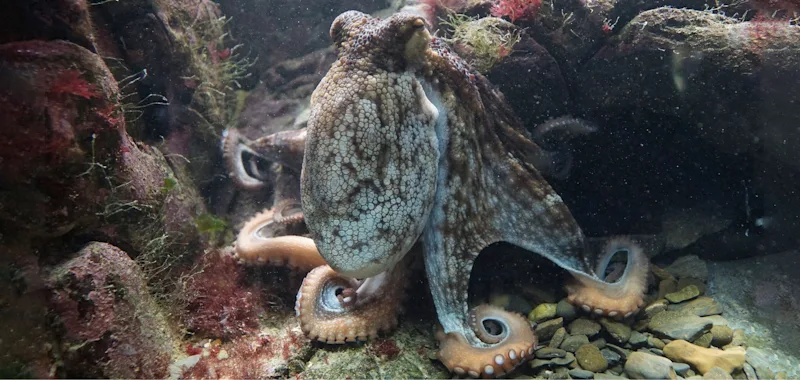
Octopuses are the weirdly wonderful ocean animals who have blue blood, changeable colors and the ability to use tools. However, they’re probably most famous for having eight arms—which they can regrow—and bulbous heads. But even with all that, there’s so much more to these cryptic creatures.
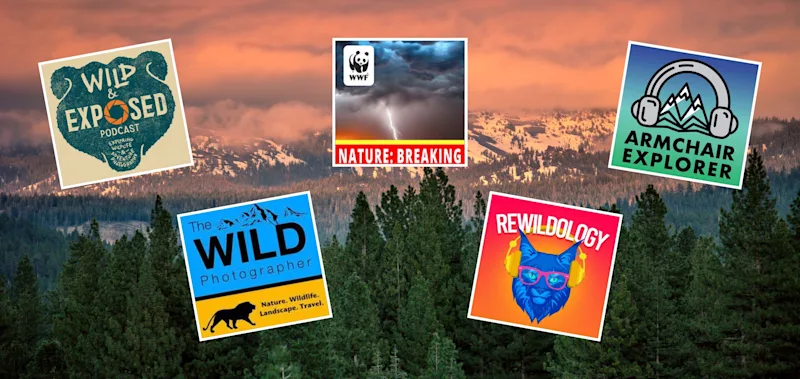
Welcome to the wonderful world of podcasts! Especially ones that deal with nature, wildlife, conservation and travel—all topics we care dearly about. There are so many great podcasts available now that provide in-depth coverage of everything from travel trends to conversation efforts to wildlife encounters that you’ll be spoiled for choice.
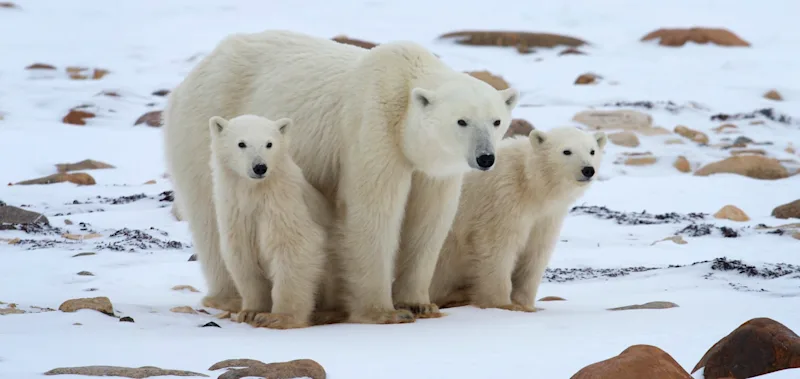
With International Polar Bear Day on February 27, we’re drawing attention to the King of the Arctic’s plight in a warming world. A global leader in sustainable and conservation-focused tourism, Nat Hab has been taking visitors to see polar bears in Churchill, Manitoba—known as the Polar Bear Capital of the World—since 1989.
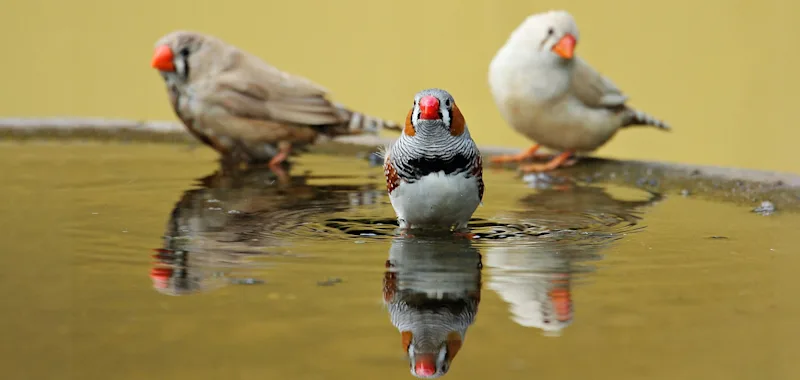
Although invisible, noise pollution—defined as consistent exposure to elevated sound levels—is real. Also known as environmental noise or sound pollution, noise pollution often takes a back seat to other concerns, such as air, chemical and water pollution, since it cannot be seen, smelled or tasted. Sound is measured in decibels.
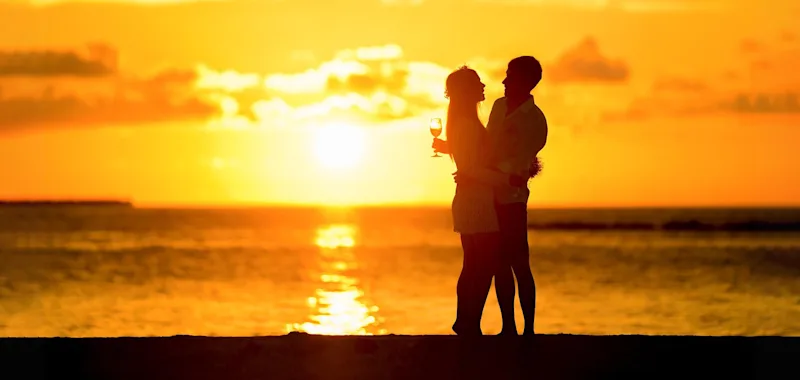
Cards, chocolates, flowers or a dinner for two by candlelight. Most of us consider these things to be appropriate gifts for those who mean the most to us on Valentine’s Day, the day we set aside each year to celebrate our feelings of love.
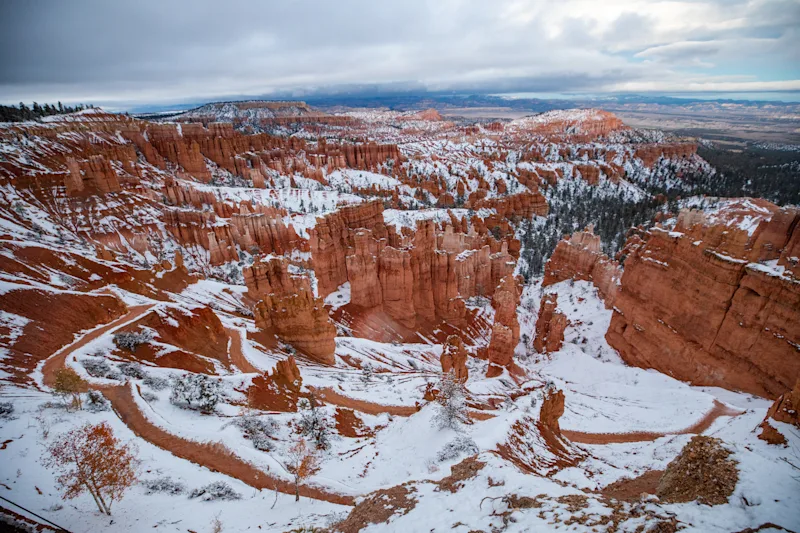
Behold the natural wonders of Utah’s Bryce Canyon National Park—with vistas so dramatic, you might think you’ve been transported to a world galaxies away. Pink cliffs melt into vermilion, and red rock canyons carve through the desert as pinnacles rise hundreds of feet into the sky.
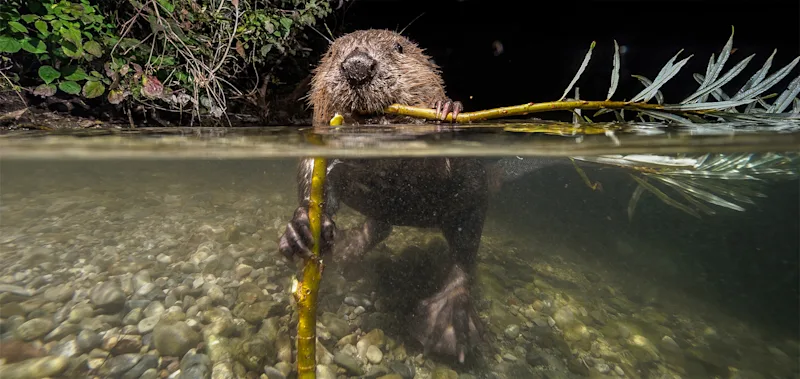
The beaver is the largest rodent in North America (and the second-largest in the world after South America’s capybara). They are found in ponds, lakes, rivers, marshes, streams and adjacent wetland areas throughout the U.S. and Canada, with the exception of the California and Nevada deserts and parts of Utah and Arizona.
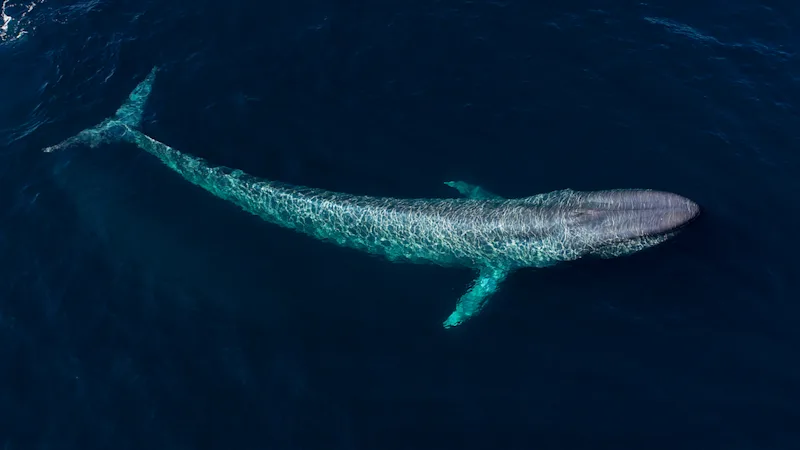
Saguenay-St. Lawrence Marine Park is one of French Canada’s best-kept secrets. Home to more than 2,200 species, this National Marine Conservation Area offers some of the best whale watching in the world. From May through October, these giant marine mammals congregate where the Saguenay River meets the St. Lawrence Estuary.
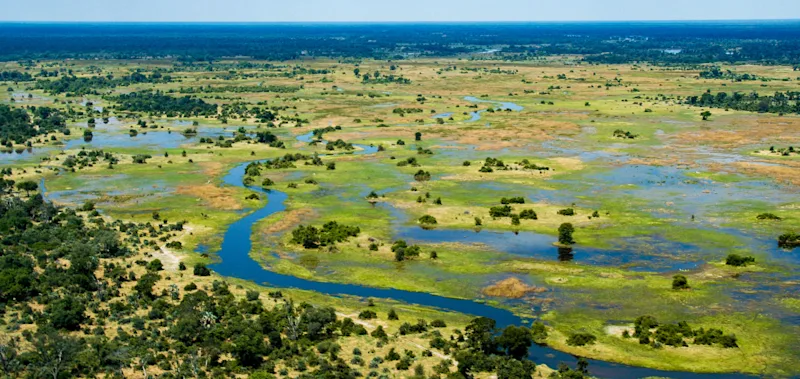
From marauding jaguars in Brazil’s Pantanal to docile manatees in the Florida mangroves, from water buffalo browsing in Indian marshes to lurking crocodiles in Australia’s Outback swamps, wildlife flourishes in wetlands worldwide. Natural Habitat Adventures offers exciting wildlife adventures to some of the planet’s most important wetlands.