

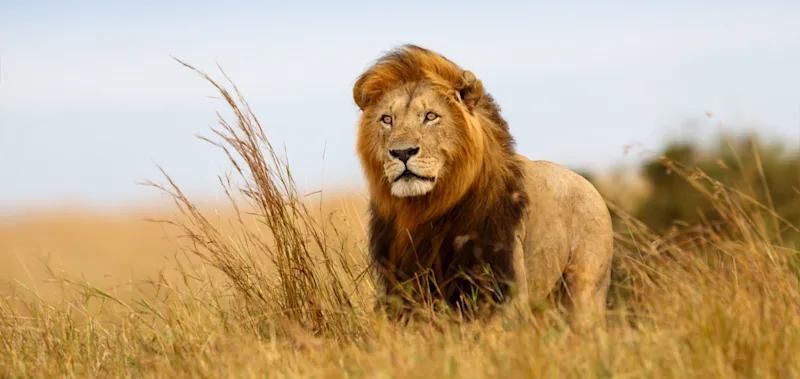
10 Fast Facts About Lions for World Lion Day
The lion has long been a symbol of strength, power and ferocity. Seeing this majestic species up close is a spine-tingling highlight of any African safari.
1183 stories
The lion has long been a symbol of strength, power and ferocity. Seeing this majestic species up close is a spine-tingling highlight of any African safari.
In 2019, an independent researcher caught sight of a tiny creature on a trail camera in Northern California’s Sierra Azul Open Space Preserve. Scientists were elated at the unusually long tail and big black eyes; they had not seen the rodent in the area for over 75 years.
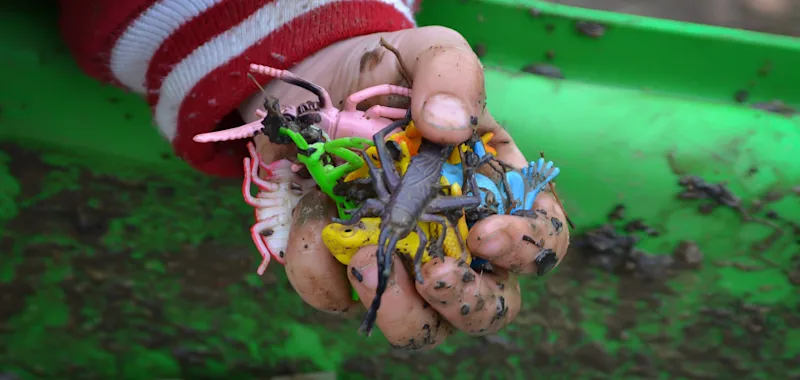
Climbing trees, jumping in leaf piles, or simply playing outside is an important part of childhood. Not only are the physical aspects of such activities important, being in nature benefits a child’s mental health and social development. In fact, many early-childhood settings are transforming their outdoor play environments to incorporate more natural elements.
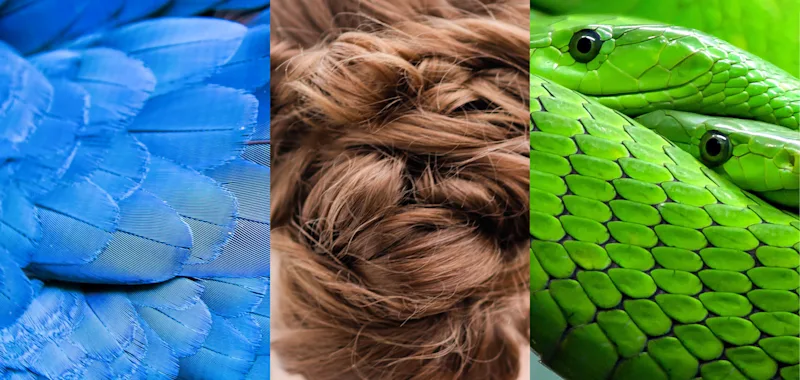
Feathers, hair and scales. While it might seem that there’s a lot of difference between these natural “coverings” on animals, they have more in common than you’d probably think. Despite their multitude of forms, all three of these vertebrate skin appendages share early developmental processes at the embryonic stage.
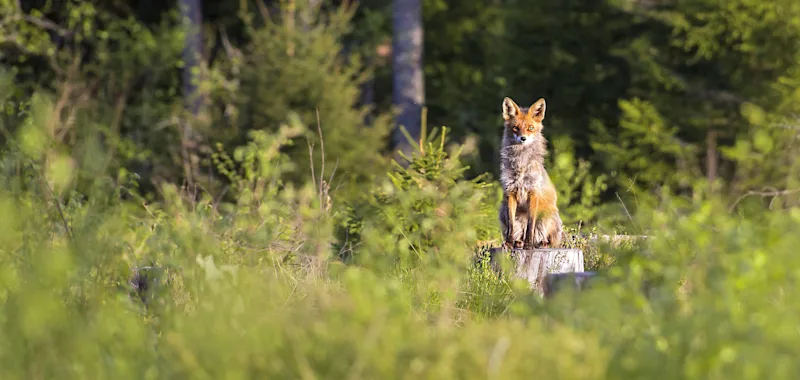
One of the best things about spending time in nature is spotting animals in their natural habitats, seemingly going about their lives as if we weren’t watching. It’s those brief glimpses into the wild that our souls seem to crave.

Although the official midpoint of summer occurs on August 7 (because the summer solstice is on June 21), a lot of us consider the Fourth of July the season’s middle marker.
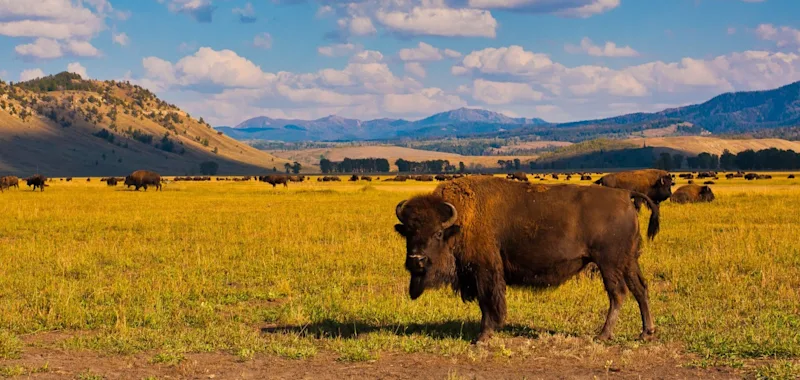
Bison are having a moment, and we couldn’t be happier for North America’s largest—and once widest-ranging—land mammal. Although an estimated 30–60 million plains bison roamed freely prior to European colonization and westward expansion, by 1889, their numbers had fallen to a mere 512.
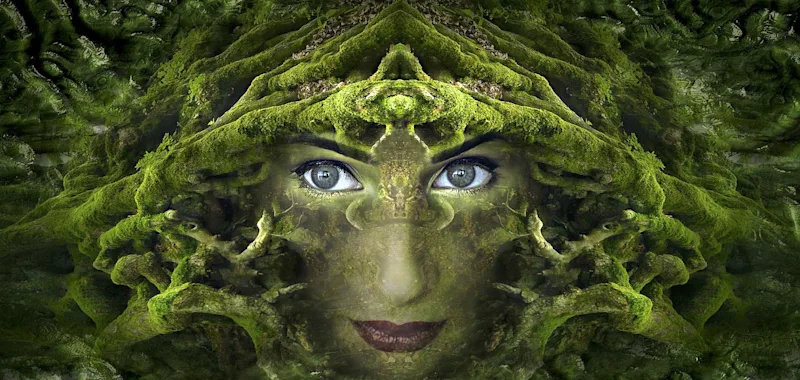
Sometimes the buzzwords, newly coined phrases and terms that scientists use to describe environmental concepts and their research make it hard for us to understand what’s going on in the natural world.
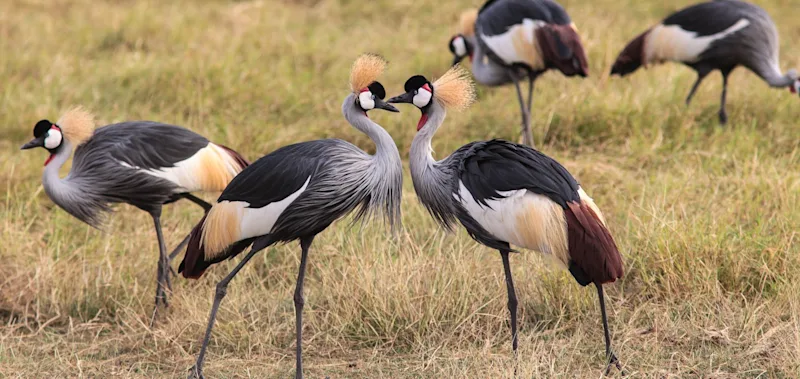
On a recent safari trip in Malawi’s Liwonde National Park, the “Big Five” animals associated with Africa’s national parks were nowhere in sight. That’s when I began noticing the birdlife.
Today, in what seems to be our never-ending search for happiness, we often describe our longings as the quest for “quality of life.” That idea and the coinage of that phrase, though, actually date back to the 1960s and 1970s, when they were often used in debates about social crises and social progress.
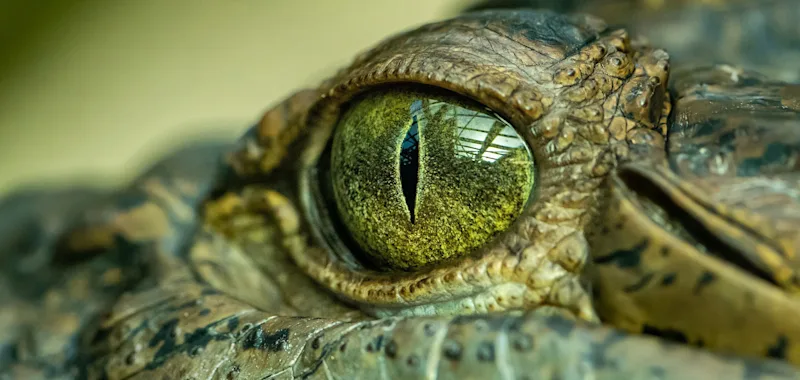
Animals see the world through all kinds of different eyes: from simple ones that can only tell the difference between dark and light, to complex eyes that can see colors and perceive depth. It was once thought that animals, including cats and dogs, could only see in black and white.
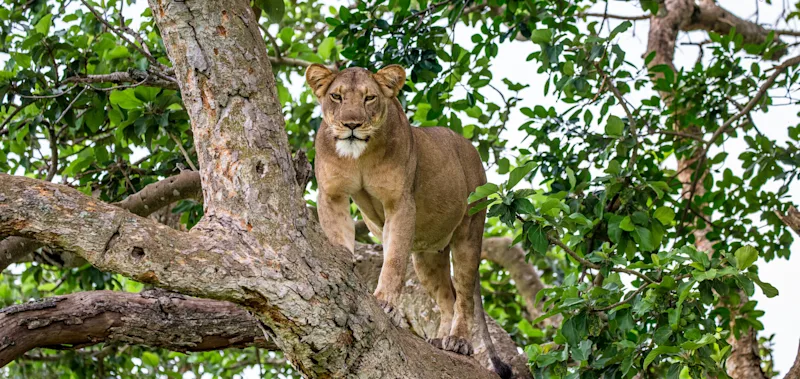
There’s no question: Seeing mountain gorillas in the forests of Uganda and Rwanda is, for many wildlife enthusiasts, the apex of their globetrotting adventures. But that’s not the whole story for the two African nations; they’re also home to numerous other species that are spectacular in their own right.