

Spotlight on Sustainability: Origins of Ecotourism
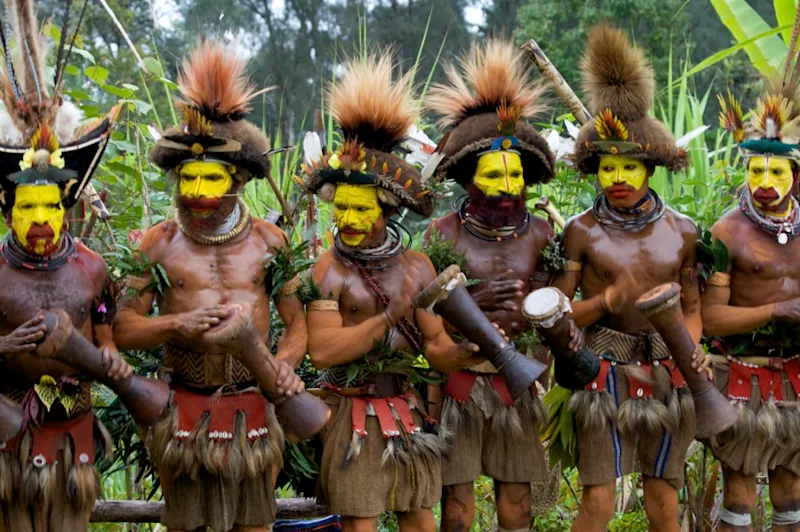
In the grand scheme of things, the term ecotourism is pretty much brand new. Coined by Mexican architect Hector Ceballos-Lascurain in 1983, the definition has been evolving ever since.
709 stories
In the grand scheme of things, the term ecotourism is pretty much brand new. Coined by Mexican architect Hector Ceballos-Lascurain in 1983, the definition has been evolving ever since.
Alaskan glaciers, icebergs in Antarctica, the chilling Beaufort Sea – these polar wonderlands are the worldwide offices of Paul Nicklen, acclaimed wildlife photographer for National Geographic. Spirit bears, leopard seals, polar bears, penguins – these are his co-workers.
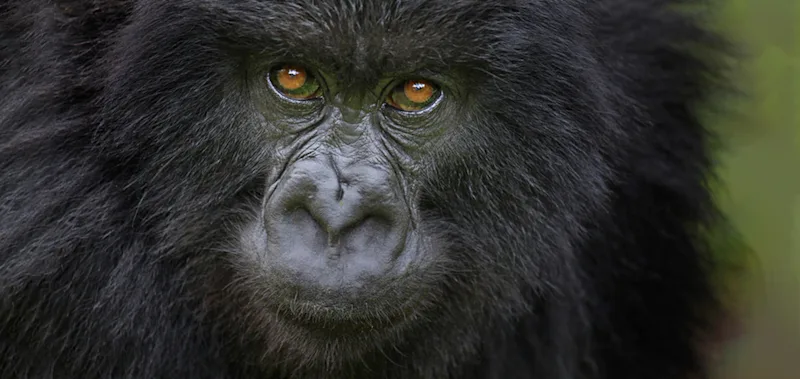
Those of us who have been lucky enough to share our lives with myriad pets over the years need no further proof that nonhuman animals have a high degree of intelligence. Scientists, however, do not have the luxury of going on gut feelings.
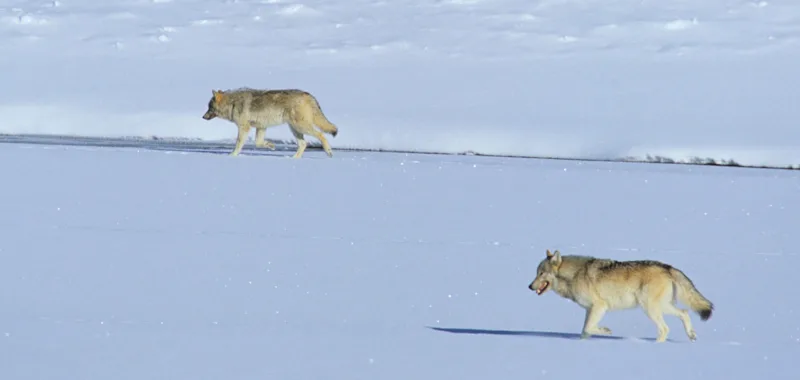
Seeing a wolf in the wild is one of those lump-in-your-throat moments that you never forget. One of my first such experiences was in the Lamar Valley during a trip to Yellowstone National Park. One particular wolf I watched during that tour still stands out in my mind.
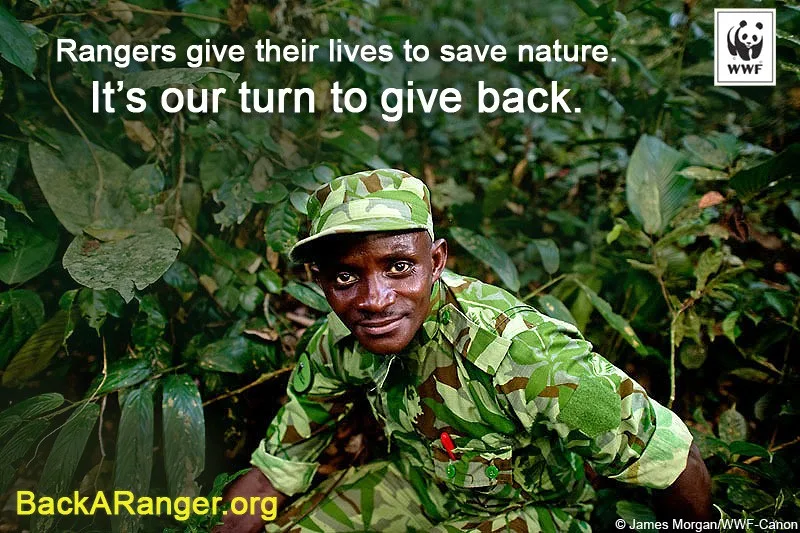
WWF calls rangers the “unsung heroes of conservation,” bravely working as the first line of defense to protect the world’s most endangered species from poachers in the illegal wildlife trade.
While the planet’s oceans steadily decline from pollution and overfishing, the ecosystem of Antarctica’s Ross Sea endures in a relatively pristine state. The U.S. and New Zealand have spent the past two years negotiating an agreement to create a permanent marine sanctuary in this remote corner of the south polar cap.
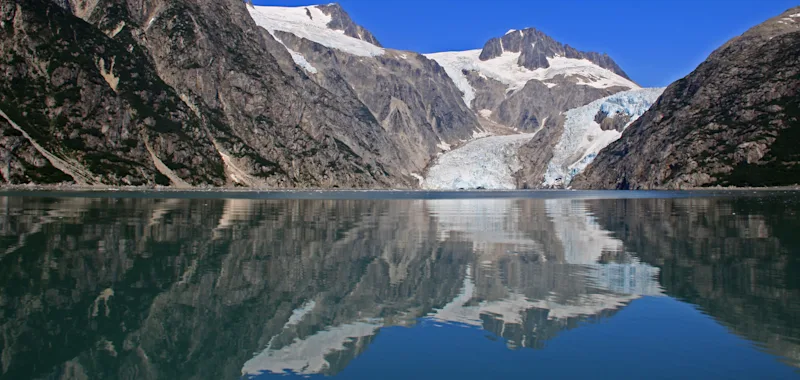
Giant-sized, creaky and cold, glaciers have always intrigued me. Ancient beings, they measure their time in the thousands of years, in a way that we humans have little experience understanding. That’s why, wherever I travel, if there’s a glacier nearby, I rush to see it.
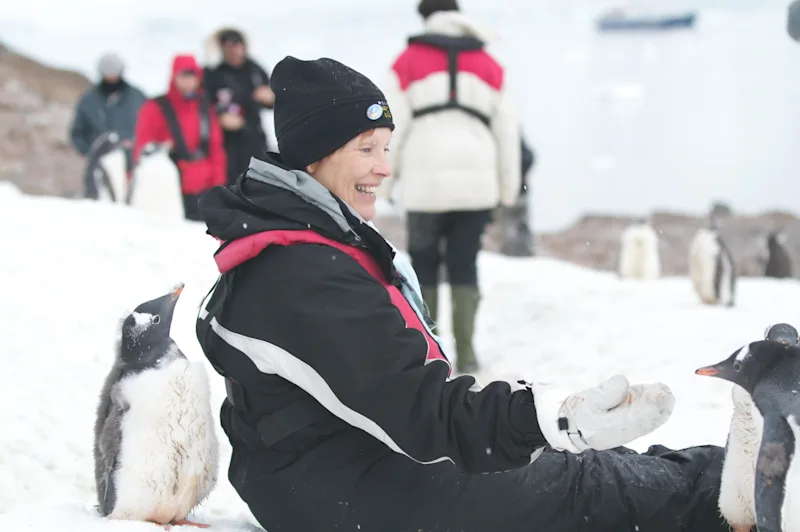
One of the questions I often get asked is “why is ecotourism so special – you know, why is it different than just nature tourism?”
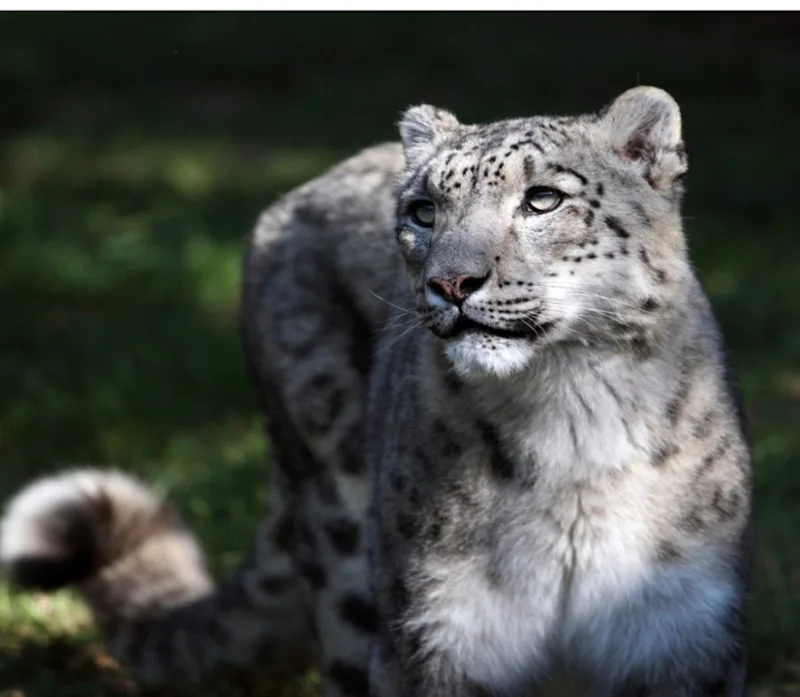
You may want to think twice before you purchase your next cashmere sweater. The number of domestic cashmere goats farmed in Central Asia has nearly tripled over the last 20 years due to an increased global demand for the goats’ velvety fur coats, leading to a decline in the already endangered population of snow leopards.
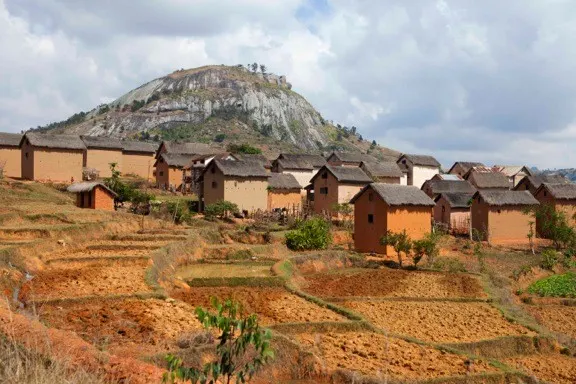
Meet Court Whelan, one of the travel industry’s foremost experts on ecotourism and the newest member of the Nat Hab family of Adventure Specialists. This week we are thrilled to debut Court’s first post in a series on the critical role ecotourism plays in conservation and communities.
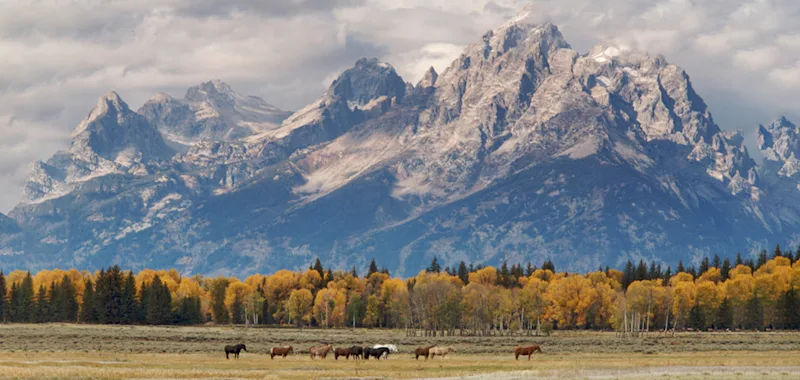
Although many environmental issues stir up strong emotions pro and con, currently none may be more contentious than fracking, slang for high-volume hydraulic fracturing. Fracking is the process of injecting pressurized chemical solutions into well bores in order to fracture the bedrock and release natural gas.
Despite antipoaching patrols, increased arrests, relocation and unmanned security drones, it seems we’re losing the battle against wildlife poachers. Already in the first six months of 2013, for example, in South Africa alone, 428 rhinos have died at the hands of poachers.