

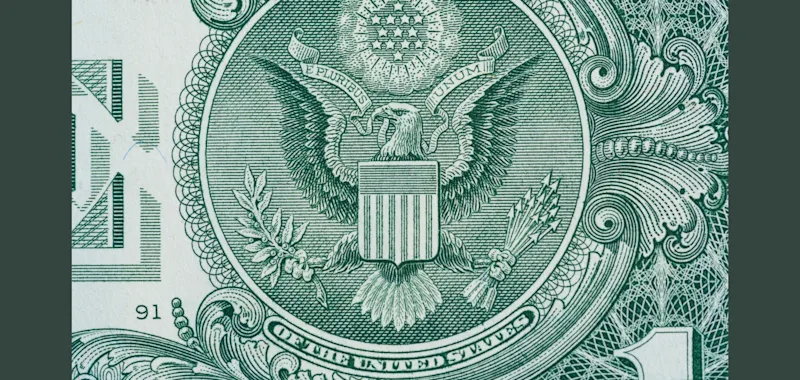
Wild Conservation Ideas: Currency Images and a Moon Vault
If you look at a U.S. $1 bill today, you’ll find an image of an eagle holding arrows in one talon and an olive branch in the other.
709 stories
If you look at a U.S. $1 bill today, you’ll find an image of an eagle holding arrows in one talon and an olive branch in the other.
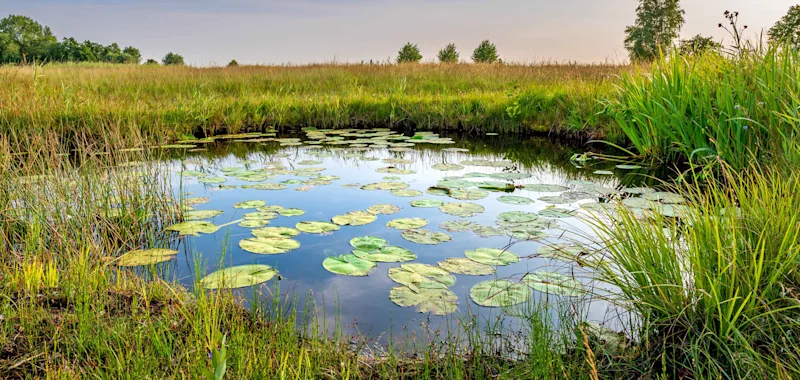
Water is the driving force of all nature. And it seems to take on an added significance in summer when heatwaves roll across the nation. Water cools us and sustains us, but we are abusing it.
American environmentalist, historian and novelist Wallace Stegner called our national parks “the best idea we ever had.” In 1983, he wrote: “National parks are … absolutely American, absolutely democratic, they reflect us at our best rather than our worst.”
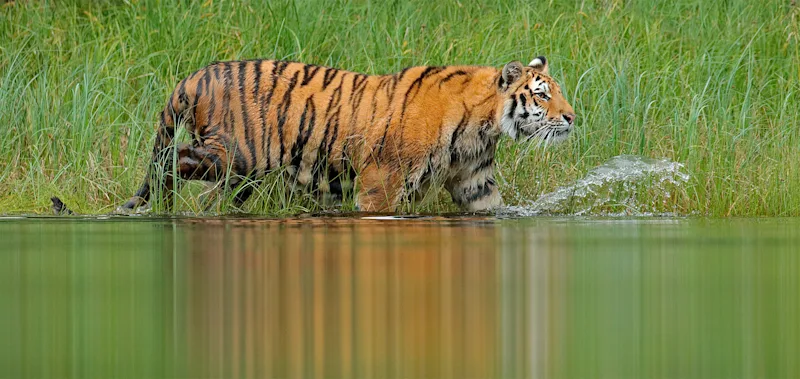
It was the early evening when we spotted our first jaguar, a male named Timbó, who was lounging in the tall grass of Brazil’s Pantanal, waiting for night to fall. We watched him closely from the safety of our safari transport, a vehicle that Timbó hardly noticed.
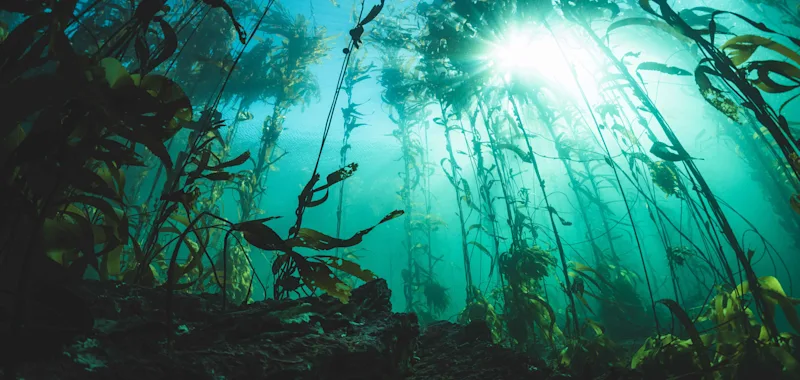
Found along 25% to 30% of the world’s coastlines, kelp forests are the most extensive marine vegetated ecosystems in the world. A type of seaweed, kelp attaches to rocky surfaces on the ocean floor and—like terrestrial plants and trees—grows upward toward the sunlight. Some experts even call kelp “the sequoias of the sea.”
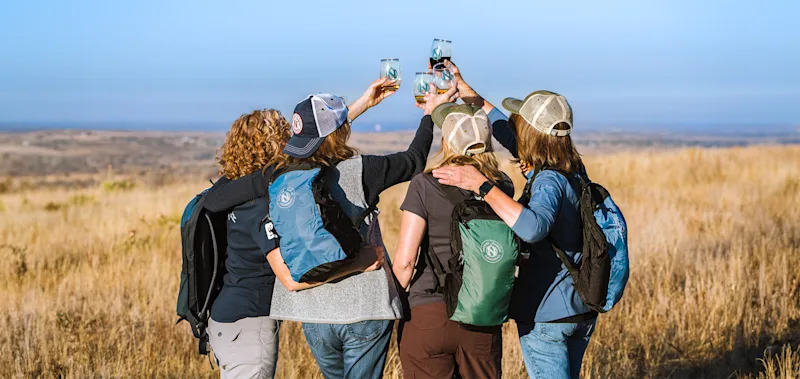
Interested in a nature encounter exclusively in the company of women? An adventure where you can relax and be yourself, push your comfort envelope as much or as little as you wish, and learn from outstanding female naturalist guides in the world’s most wondrous wild places?
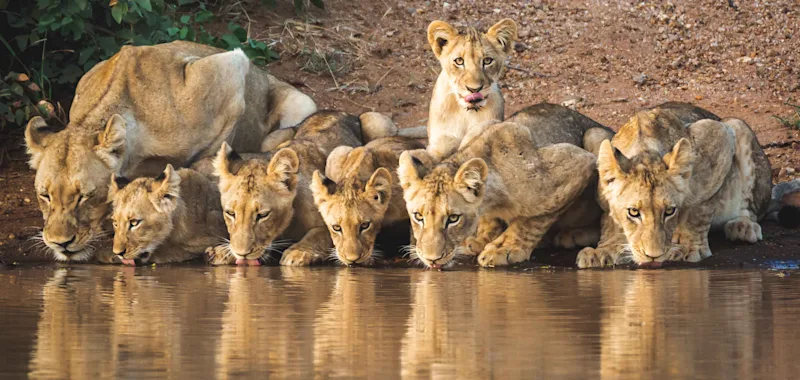
In our human-dominated world, Earth’s most iconic and imperiled wildlife are facing tough decisions. Two lion brothers recently illustrated that fact when they undertook a long, record-breaking swim across a predator-infested African river in search of homes and mates.
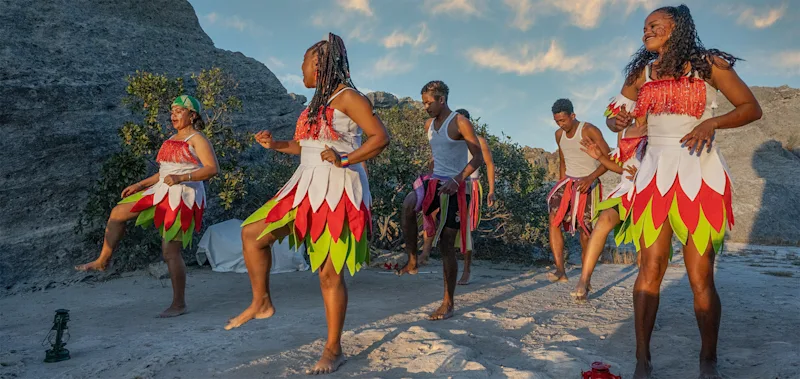
In addition to our conservation travel partnership with World Wildlife Fund established in 2003, Natural Habitat Adventures also supports various philanthropic initiatives in the destinations we visit. Our commitment to conservation and sustainable development inspires our leadership role in boosting grassroots efforts in places our guests have come to know and love.
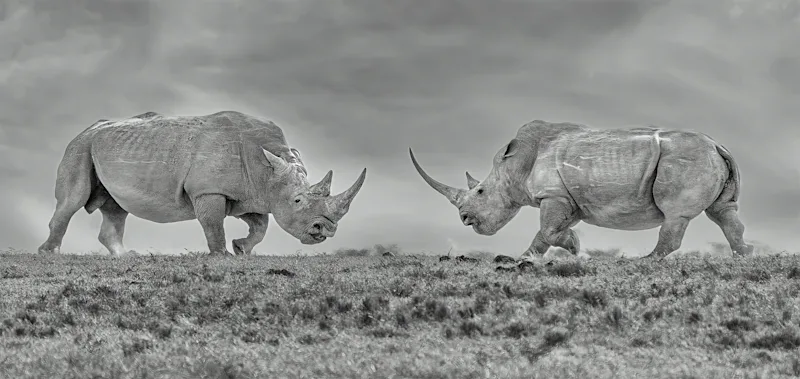
The last two living northern white rhinos in the world, females named Najin and Fatu, live under armed guard at Ol Pejeta Conservancy in Kenya.
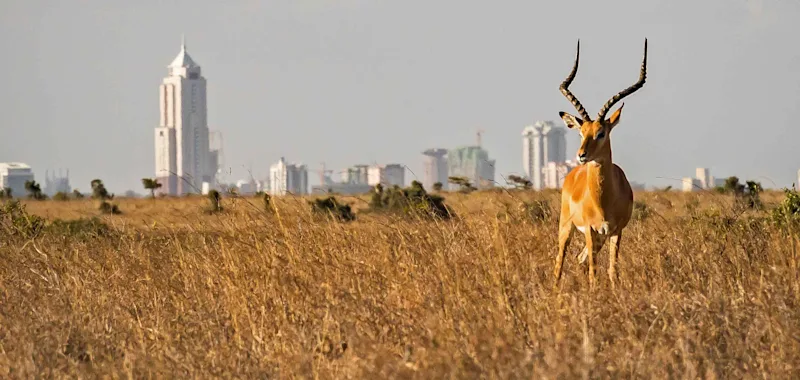
Here, in the United States, 80% of us live in cities. If you’re in that majority, how do you feel about your wild neighbors, the animals who also live in our urban areas? It’s an important question to ask because your answer has major implications for biodiversity protections, nature conservation and urban planning.
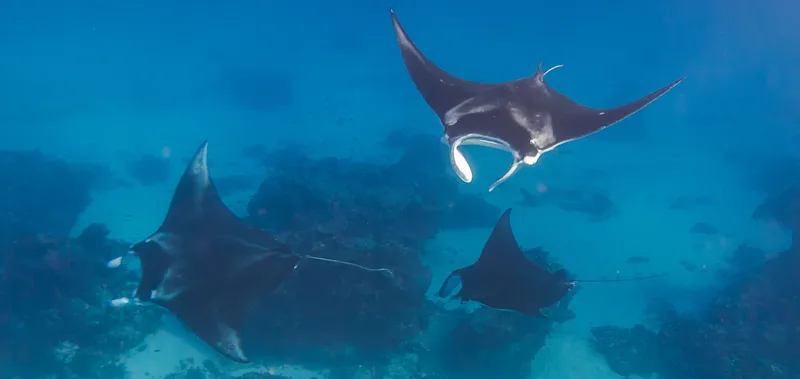
Did you know that our oceans cover more than 70% of the Earth’s surface and contain 96% of all the planet’s water? Even more astounding: Less than 10% of the ocean’s floor has been mapped, and the number of species living in the ocean is still unknown despite decades (centuries, even!) of marine scientific research.
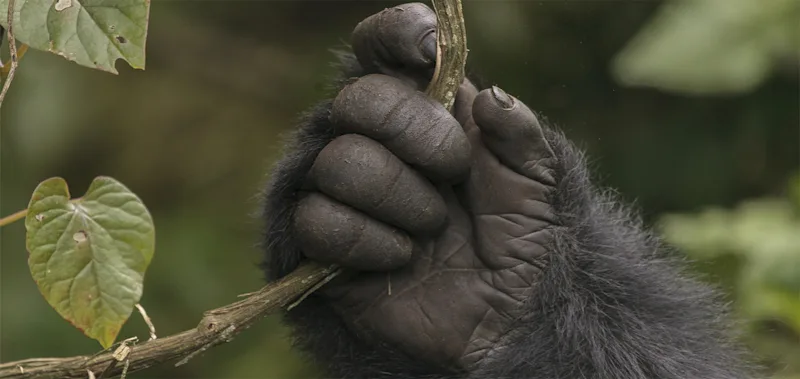
Natural Habitat Adventures is proud of our partners’ sustainability efforts around the world. One such effort is a reforestation program in Rwanda that has planted 95,608 trees to date! Deep in the misty Virunga Mountains lies Bisate, a sustainable lodge located on the edge of Volcanoes National Park.