



July & September 2027 Itinerary — Brooks Falls (12 Days)
Itinerary
Day 1: Gather in Alaska’s Interior before your Denali and Katmai photo expedition
Begin in Fairbanks, gateway to Alaska’s vast northern wilderness
Join your Photo Expedition Leader for a welcome dinner
Our grand Alaska photography adventure begins in Fairbanks, Alaska's "Golden Heart City." Capital of the vast Interior, Fairbanks retains its frontier flavor with pioneer saloons, paddlewheelers and outlying mining camps. Fairbanks is also home to the flagship campus of the University of Alaska system, where the famous Geophysical Institute is headquartered, leading research in the study of permafrost, earthquakes, sea ice and the aurora borealis. Meet your Expedition Leader at a welcome dinner this evening, who offers an orientation to all the photo opportunities to come.

Day 2: Travel deep into Denali to a wilderness camp beneath North America’s highest peak
Ride a camp bus along the park road into Denali’s remote backcountry
Watch for moose, caribou, Dall sheep and grizzlies along the way
Reach Camp Denali, the only lodge inside the park with views of Denali from the property
This morning, we follow the Nenana River south to Denali National Park. At 6 million acres—larger than the state of Massachusetts—Denali is one of the world’s great wilderness preserves. The park's namesake is the highest peak in North America, towering 20,310 feet over alpine tundra and taiga that provide habitat for abundant wildlife. The mountain's name—Denali—means "The High One" in the Athabascan language. Our destination is Camp Denali, a wilderness outpost at the end of the 92-mile-long park road. At the park entrance, board a camp bus to make the journey into the remote backcountry, driving through boreal forest into open expanses of tundra below the peaks of the Alaska Range. Crossing the tangled veins of glacier-fed rivers through broad valleys, look for wildlife along the edge of the road and on the braided river bars—we could see moose, caribou, Dall sheep, grizzlies and occasionally wolves—“Alaska’s Big Five.”
Once we reach Camp Denali, settle in to our individual cabins for a three-night wilderness immersion, enveloped by the beauty and silence of wild country on a scale most people will never encounter in their lifetime. It’s the only accommodation inside the national park with a view of Denali from the premises, and the chance to stay here is a rare experience very few visitors to Alaska are privileged to have.

Days 3 to 4: Photograph Denali at dawn beneath soft pink alpenglow
Explore alpine ridgelines and tundra vistas on guided photo hikes
Capture wildlife and sweeping views across the park’s remote interior
Photograph Denali’s reflection from a canoe on Wonder Lake
With views of the mighty mountain directly from Camp Denali, enjoy extended time in an unparalleled setting for photographers, with flexibility to adjust our timing around weather, lighting and wildlife sightings. Early risers may be rewarded with mirror reflections of Denali from kettle ponds just steps from their cabin. At dawn, sunrise may illumine the mountain’s face with pink alpenglow, rewarding photographers ready with long exposures, big glass and patience. Each day, choose from a variety of guided photography outings tailored to personal interests and skill level. Led by naturalist guides with deep regional knowledge—and attuned to the needs of photographers—hikes prioritize access to ridgelines, high-elevation vistas, sweeping tundra compositions, and wildlife corridors. Scout the tundra ponds for birdlife, or paddle a canoe on Wonder Lake for the iconic postcard shot of Denali’s massive white hulk rising behind. Expect a slower pace, time to set up for bracketed shots, and ample opportunities to explore everything from wide-angle landscapes to macro details like arctic moss, lichen and dainty wildflowers. Wildlife encounters may include caribou, moose, ptarmigan, or even bears.
As we explore, learn about the natural and cultural history of our environs, including the wildlife that thrives here, the Athabascan people who lived off this land for 10,000 years, and the pioneers who mined for gold in nearby Kantishna at the turn of the 20th century. Return to the lodge by late afternoon for a photo review, optional editing session, or one-on-one technique coaching. After dinner, consider heading back out—this far north, golden hour in summer can linger well past 10 pm, and soft twilight may offer a last chance to catch Denali peeking from the clouds.
Day 5: Fly past Denali’s glaciers and the wild valleys of the Alaska Range
Depart the backcountry by private bush plane along Denali’s icy flanks
Look for wildlife roaming the glacier-fed valleys below
Cross Broad Pass on the drive south to Anchorage and Cook Inlet
After a final morning of activities, depart Camp Denali via private chartered bush plane for dramatic flightseeing en route to the park entrance. Weather permitting, we’ll get stunning views of the icy flanks of Denali at close range, and we may spy wildlife roaming the tundra below. Then we board a spacious mini bus for our journey south across the Alaska Range to Anchorage. Our route climbs above tree line over Broad Pass, then descends to follow the Susitna River through thick stands of birch, balsam poplar, willow and spruce. Eventually, we reach Anchorage on Cook Inlet, backdropped by the glacier-capped peaks of the Chugach Range. With a population of just under 300,000, Anchorage is Alaska's largest city and its primary commerce and transportation hub.

Day 6: Ride the Alaska Railroad to a private island in Kenai Fjords
Travel by glass-domed railcar along Turnagain Arm and through the Kenai Mountains
Cross Resurrection Bay by boat to secluded Fox Island
Kayak along the island’s coast, watching for marine wildlife
Rise early today to travel the most scenic section of the historic Alaska Railroad. Built in the early 20th century, the state-owned railroad’s mainline is 470 miles long, connecting Seward in the south with Fairbanks up north. From our dome car, enjoy a classic train journey along Turnagain Arm as we look for beluga whales, and keep an eye out for tidal bores that create waves big enough for local surfers to ride! We skirt the ice-clad peaks and lush glacial valleys of the Chugach Range, harboring the northernmost temperate rainforest in North America, then turn south to follow the rail corridor winding through the Kenai Mountains–Turnagain Arm National Heritage Area, a designation that recognizes the area's unique cultural, geographic and historical features. Once we cross Moose Pass, the rail line drops back to the coast, ending at the fishing town and port of Seward on Resurrection Bay.
In Seward's small boat harbor, expect to photograph charming sea otters bobbing among the yachts and docks. Here, we board a boat for Kenai Fjords Wilderness Lodge on private Fox Island, on the edge of Kenai Fjords National Park. Our isolated location, fronting a wild pebble beach backdropped by steep forested mountains, reveals a pristine side of Alaska most visitors miss. The Kenai Fjords region offers prime sea kayaking, and an optional paddling excursion late this afternoon may reveal some of the area’s prolific marine life.

Day 7: Photograph whales, seabird cliffs and tidewater glaciers
Explore Kenai Fjords by private boat in search of humpbacks, orcas and sea otters
Photograph puffins, bald eagles and other seabirds along the rugged coast
Approach a tidewater glacier, watching for ice calving from its blue face
Iconic images of Alaska are on display today from our private chartered boat as we explore a marine realm where vestiges of the Ice Age linger. Our small vessel allows us to approach wildlife at close range, and Kenai Fjords National Park provides excellent opportunities for photographing humpback whales, orcas, Dall's porpoise, sea lions, sea otters and puffins. Weave among islands and rocky cliffs where seabirds nest, and zoom in on bald eagles in the treetops. Jagged glaciers wind from the mountain heights to the sea, and we may capture shots of icebergs calving with a crash from a glacier's towering blue face. After our all-day outing, return to our secluded lodge on Fox Island for another night of peace and solitude in the coastal wilderness.
Day 8: Cross the Kenai Peninsula from Resurrection Bay to Kachemak Bay
Return by private boat from Fox Island to Seward
Travel past salmon rivers, mountain ranges and Cook Inlet on the road to Homer
Explore the galleries, shops and working waterfront of the Homer Spit
After a last morning on serene Fox Island, board our private boat for the return journey up Resurrection Bay to the historic harbor town of Seward. From Seward, head south on a spectacular drive to Homer. The mountain ranges of the Kenai Peninsula rise one after another, sourcing some of Alaska's richest salmon rivers. Homer is known as “the End of the Road” in Alaska, and we follow it all the way down to the harbor on the Homer Spit. Homer is renowned as the Halibut Fishing Capital of the World, and we may get photos of fishing crews unloading their catch—the biggest halibut can be eight feet long and up to 500 pounds! While halibut are one of Alaska’s most valuable fisheries, Homer also offers excellent fishing for several salmon species, lingcod and rockfish. We’ve got some free time to wander the spit, a long, narrow strip of land that juts into Kachemak Bay. The spit is where we find most of Homer’s shops, art galleries, seafood restaurants and beaches, and our hotel lies at the very tip of it: Land’s End, overlooking and island-studded marine realm that's home not only to coveted sport fish but also sea otters, seals, porpoises, sea lions, orcas, whales, bald eagles and puffins.

Day 9: Walk above Kachemak Bay before flying into Alaska’s brown bear country
Explore the forests and meadows of Inspiration Ridge Preserve with a guide
Fly by private charter across Cook Inlet to King Salmon
Learn about brown bear biology and behavior from your Photo Expedition Leader
Accessible only on a privately guided walk, Inspiration Ridge Preserve offers a multitude of nature photography subjects. This mosaic of forests, peat bogs, meadows, ponds and creeks comprises 700 acres of critical wildlife habitat for a host of species, including a visiting summer population of sandhill cranes. Other wildlife here include moose, brown and black bears, lynx, muskrat, swifts and eagles. The Center for Alaskan Coastal Studies manages the preserve, and one of its staff will join us to interpret all we experience. Along our path high above Homer below, photograph a stunning panorama of Kachemak Bay and the Kenai Mountains, wander through dense spruce canopies and fields of magenta fireweed, and learn about ongoing monitoring projects and research partnerships.
Then, is it possible to say we’ve saved the best for last? Well, it all depends on how you weigh the wonders of Alaska, but our brown bear adventures begin this afternoon and will surely be a highlight of your trip. After lunch, board a chartered flight from Homer across Cook Inlet to King Salmon at the head of the Alaska Peninsula, then transfer to our classic Alaskan lodge on the Naknek River. This cozy wood-beamed lodge offers a comfortable base for wilderness bear viewing in nearby Katmai National Park. Once we get settled in, reconvene for a presentation by our Expedition Leader on bear biology and behavior, to prepare us for the adventures ahead tomorrow. This evening, enjoy dinner featuring Alaskan specialties in the lodge dining room.

Day 10: Photograph brown bears fishing for salmon at Brooks Falls
Fly by floatplane into the wild interior of Katmai National Park
Capture bears catching salmon as they leap through the rushing falls
Explore habitat that supports one of the world’s largest protected brown bear populations
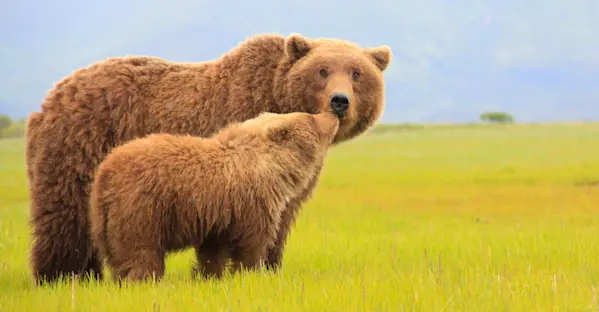
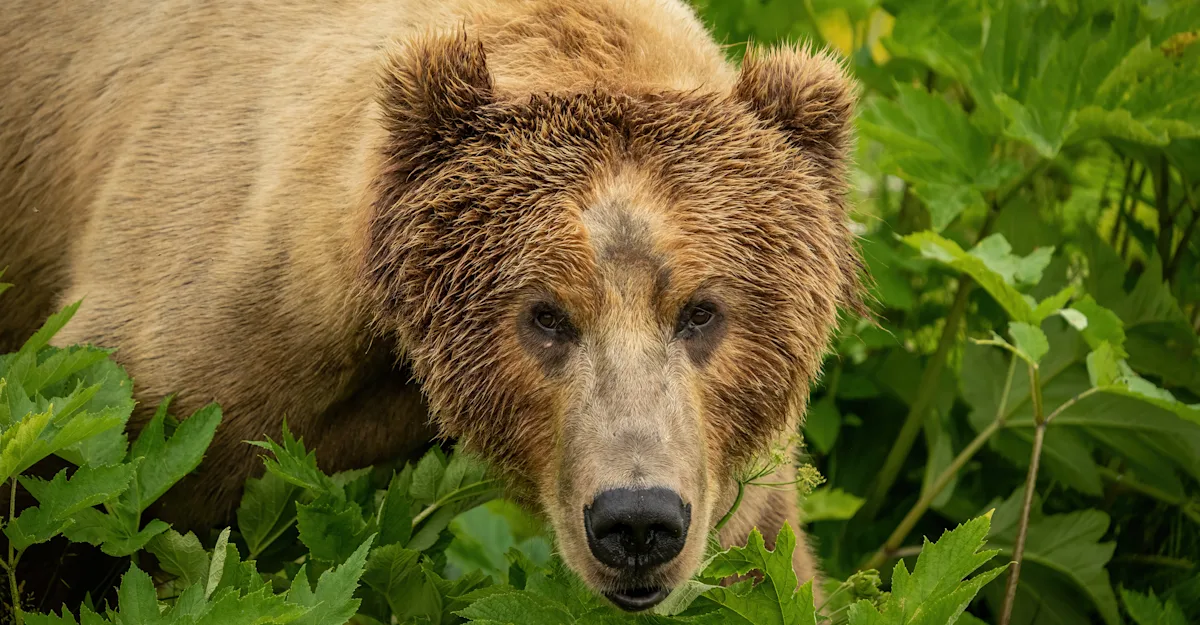
After a hearty breakfast, depart early for the nearby floatplane base where we board our short flight to Katmai National Park with access to world-renowned Brooks Falls, one of the best places to photograph brown bears in their natural habitat. Katmai is home to the world’s largest population of these enormous omnivores, with some 2,200 individuals inside the park. As many bear populations around the world decline, Katmai's 4 million acres of wilderness provides some of the last pristine habitat to sustain them.
Within Katmai's protected bounds, bears live largely undisturbed, and visitors have unparalleled photography opportunities. After a safety briefing and orientation to bear etiquette, walk with our Expedition Leader to platforms built over world-famous Brooks Falls, where we get a close-up view of one of the world's most iconic wildlife spectacles: bears standing in the rushing whitewater, jaws gaping, trying to catch the salmon that leap up the falls once spawning season starts. July departures offer a good chance to see fishing bears, since this is when the salmon are running, but photo opportunities are excellent in August and September, too, with even more (and fatter!) bears in the vicinity, wandering up and down the Brooks River. We break for lunch at Brooks Lodge, an easy walk from the falls, then shuttle back to King Salmon by floatplane or water taxi late in the day to enjoy a night in 'rustic luxury' at our riverfront lodge.
Day 11: Return to Brooks Falls for more time photographing brown bears
Photograph bears fishing, resting and interacting along the river
Fly by floatplane to King Salmon, then continue to Homer
Gather with your Photo Expedition Leader for a farewell dinner
Another day of exhilarating brown bear photography awaits in the vicinity of Brooks Falls before we return by floatplane once more to King Salmon, then fly back to Homer in the early evening. Tonight we celebrate our adventures at a farewell dinner on the top of the Homer Spit, hosted by our Expedition Leader.
Day 12: Depart Homer after your Alaska photo expedition
Transfer to the airport for homeward flights or an extension
Our epic Alaska photo safari comes to a close today as we transfer to the Homer airport for homeward flights, or ongoing travel for those who have booked extensions.