What’s in the Bag? – Galapagos Islands
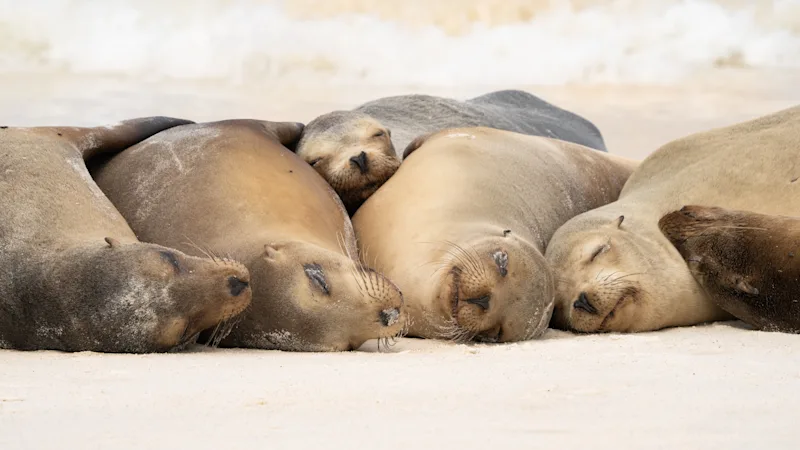
From resting marine iguanas on lava rock to playful sea lions in the waves, there is enough to photograph in the Galapagos Islands to keep you busy processing photos for the next decade. With all these photo ops, you’ll want to make sure you have the right kit with you, as it’s certainly not your average wildlife destination.
Please note, photographic styles vary, as do conditions on the ground. While this is meant to be a guide for choosing your camera gear, you should consider your own photographic interests first and foremost.
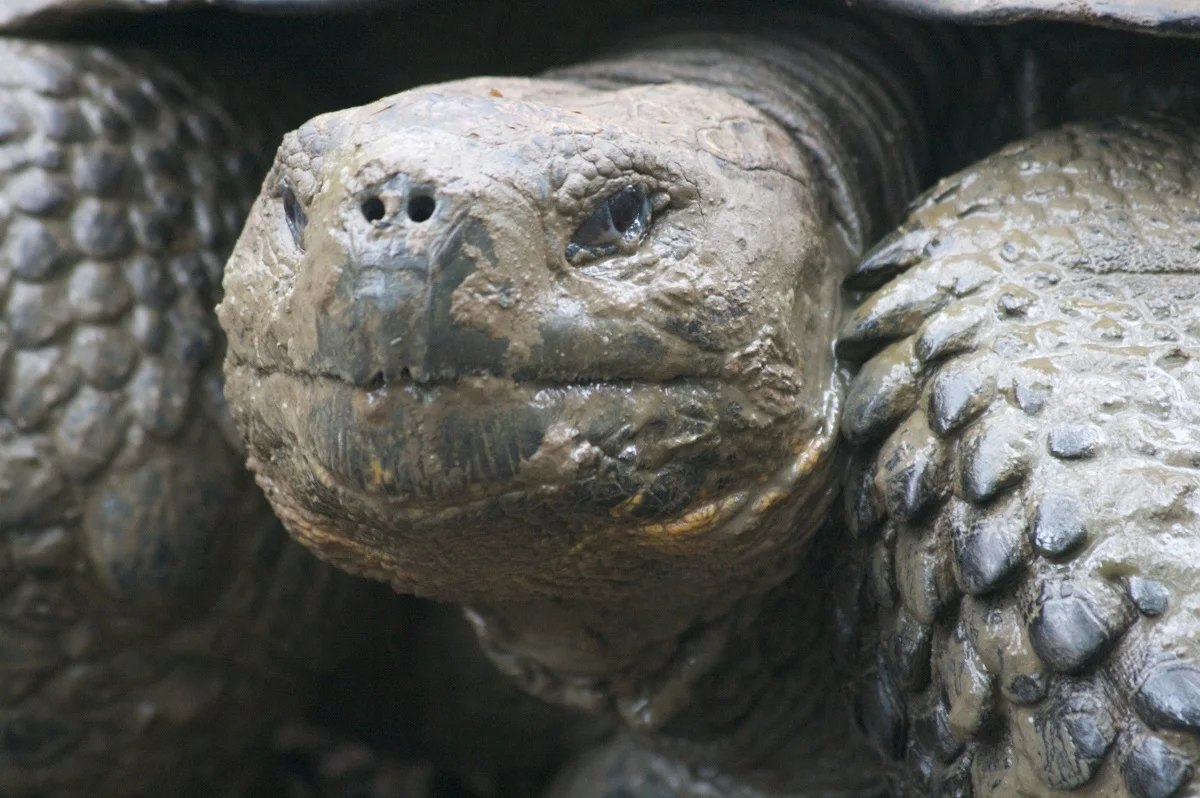
Galapagos is known for animals that have no natural fear of humans. Thus, you can get surprisingly close to the animals. Combine this with amazing beaches and landscape photo ops and you can pack reasonable light for your trip to the Galapagos Islands, opens in new tab, which ultimately affords you more flexibility and adaptability with your photography.
Ultra wide angle: wide flat vistas mean that an ultra wide is not really necessary. You can likely get away with a standard wide angle zoom and leave the ultra wide at home. However, ultra wide’s can be helpful when photographing animals at close range, getting the wide landscape in the shot at the same time. A unique perspective will yield unique photos.
Wide angle zoom: one of your go-to lenses for this trip. The greater the focal range, the more shots you’ll get.
Zoom telephoto: another one of your go-to lenses. You won’t necessarily need it for animals very far away, but it will be helpful for zoomed in shots of animals to fill the frame. A 300mm maximum length will be sufficient for most shots. For some, a 70-200mm lens will be ideal.
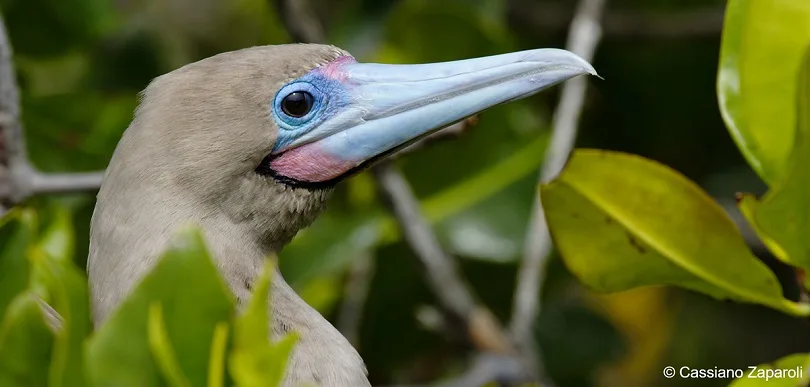
X-factor lenses: If you have a macro, they are fun to focus on the amazing textures, colors, and patterns in the Galapagos wildlife, opens in new tab. Since you’ll be able to get reasonably close, a macro will produce unique and stunning results.
Batteries and memory cards: the warm environment and length of most outings mean that you don’t have to bring more than one or two extra batteries. However, people are often surprised at exactly how many photos they take while in the Galapagos. Plan on bringing twice the memory you think you’ll need.
Extra camera body: not necessary, but certainly helpful. Very convenient to be able to shoot a landscape shot one moment and a zoomed in animal shot the next, without changing lenses. A multipurpose zoom lens is a great alternative if you don’t have two camera bodies.
Tripod, opens in new tab: because of high light levels, not necessary unless planning to shoot a lot of video.
Other accessories: Galapagos is as much of a marine environment as it is a terrestrial one. While dedicated underwater cameras can come with high price tags, today’s modern sports cameras (GoPro or similar) produce excellent results for the relatively low price tag. As an added plus, they can take pretty great underwater vide due to their fish eye lens.
As you can see, there isn’t a great need for big lenses, which is often a welcome relief to photographers. Thus, with the space and weight saved there, consider bringing a specialty lens of some sort, whether it be a macro lens, ultra wide angle or even a sports/action camera.