Why Should I Go on a Wildlife Safari in Kenya?
A wildlife safari in Kenya is one of Africa’s most iconic travel experiences. This is classic East Africa: golden savannas, acacia trees and incredible concentrations of wildlife. Kenya combines high-density big-cat sightings, thrilling migration events and community-led conservation in a way few destinations can match.
What Makes a Kenya Safari Extraordinary?
1. Exceptional Wildlife Viewing Across Diverse Ecosystems
Kenya offers some of the best opportunities in Africa to see:
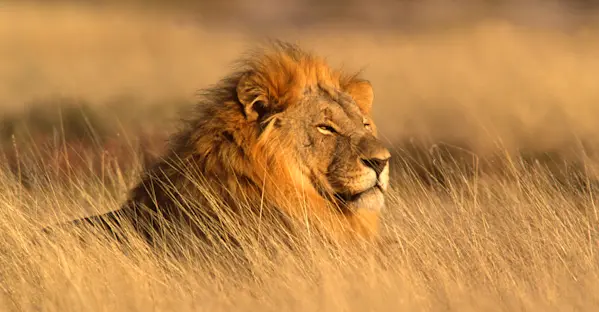
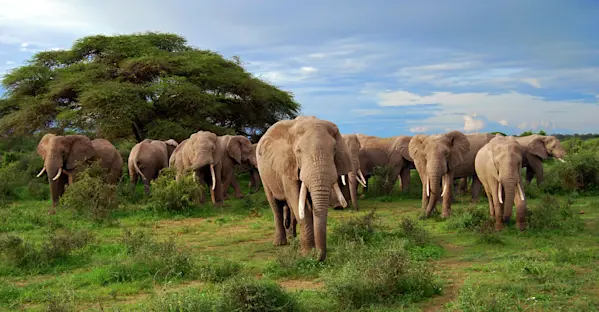
Elephants, lions, giraffes, and cheetahs roaming open grasslands
Huge herds of wildebeest and zebra during the Great Migration (one of the world’s most dramatic wildlife spectacles)
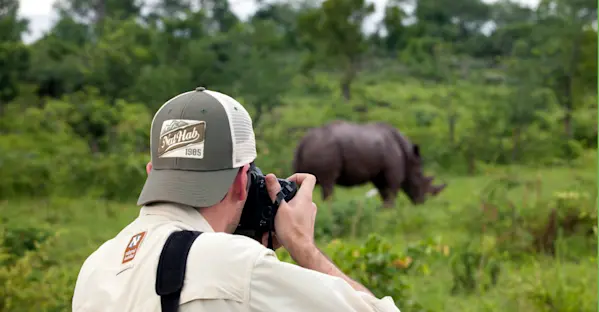
Rare and endangered species, including black rhinos protected in dedicated rhino sanctuaries
From the Maasai Mara to Samburu and Laikipia, Kenya’s ecosystems support remarkable biodiversity and near-guaranteed wildlife encounters.
2. Meaningful Conservation Experiences
Many Kenyan conservancies are co-owned and managed by Maasai and Samburu communities, who have stewarded these lands for generations. Visitors directly support:
Community-run wildlife conservancies
Habitat protection for threatened species
Anti-poaching and restoration initiatives
These experiences contribute to sustainable tourism and long-term wildlife protection.
3. Insightful Cultural Connections
Travel in Kenya is also about people. Thoughtfully arranged experiences let you:
Visit Maasai and Samburu villages
Walk with local guides who interpret the land through a cultural lens
Meet community members leading conservation projects
These encounters add depth and context to your safari, helping you understand the relationship between local communities and the wildlife they protect.
Where Should I Go on a Kenya Safari?
Kenya safaris focus on a handful of wildly different ecosystems, from the open savanna of the Maasai Mara National Reserve in southwestern Kenya (part of the larger Serengeti–Mara system) to the high plateau conservancies of Laikipia and the Great Rift Valley’s bird-rich lakes. These protected landscapes are where many travelers go to look for big cats, rhinos and huge herds, with each region offering its own mix of scenery and wildlife.
Maasai Mara & the Great Migration
The Maasai Mara National Reserve lies in southwest Kenya along the border with Tanzania, forming the northern extension of the greater Serengeti ecosystem. Together, these protected landscapes create one continuous expanse of open savanna, river corridors and seasonal grasslands. The scenery is archetypal East Africa—rolling plains, scattered acacia trees and ribbons of riverine forest along the Mara and Talek rivers—with long sightlines that make wildlife tracking intuitive and immersive. This is where many travelers hope to:
See lions, cheetahs and leopards hunting near dense herds of wildebeest and zebra
Look for elephants, buffalo and hippos concentrated along permanent water sources
Watch animals moving across open plains, from grazing herds to stalking predators
The Great Migration is a transboundary wildlife movement that spans both Tanzania and Kenya. Although a national border separates the Serengeti and the Maasai Mara, the ecosystem itself is largely unfenced, allowing wildlife to move freely in response to rainfall and fresh grazing. Each year, more than a million wildebeest, joined by hundreds of thousands of zebras and gazelles, travel north from Tanzania into the Maasai Mara, then eventually turn south again as conditions shift. The timing of river crossings and peak herd density varies by year based on rainfall and river levels, but the overall migration pattern is consistent and predictable. Importantly, the Maasai Mara supports abundant resident wildlife year-round, meaning excellent game viewing continues even when the main migration herds are elsewhere.
“Ernest Hemingway is just one of many travelers who have fallen for the epic landscapes and vast wildlife gatherings of East Africa. You may too, on an Ultimate Kenya & Tanzania Safari with Natural Habitat Adventures and the World Wildlife Fund.” —National Geographic
Beyond the Mara: Laikipia & Northern Kenya
A Kenya safari itinerary can also include regions beyond the Maasai Mara, each adding a different habitat, wildlife focus and pace. Laikipia and northern Kenya are known for rhino conservation and dry-country species, while Rift Valley lakes can deliver exceptional birding alongside classic game drives:
Laikipia Plateau and Ol Pejeta Conservancy—Key strongholds for black and white rhinos, plus lions and other predators, with clear views toward Mount Kenya
Northern community conservancies—Rugged hills, river valleys and elephant corridors where Samburu communities manage land for wildlife and livestock; look for Grevy’s zebra, reticulated giraffe and gerenuk
Rift Valley lakes—Wetlands like Lake Nakuru and Lake Naivasha that can host flamingos, pelicans and other waterbirds, plus hippos and shoreline wildlife
Combining two or three regions, such as Ol Pejeta, a northern conservancy and the Maasai Mara, creates a fuller Kenya safari experience across savanna, highlands and wetlands.
Why Travel with Natural Habitat Adventures to Kenya?
Looking for the best company to go on a Kenya safari with? Choose one that can consistently deliver prime wildlife access without the crowds. That is how Natural Habitat Adventures operates: our Kenya safaris are built around small groups, private conservancies and conservation-focused camps so you spend more time in wildlife-rich areas. Key advantages of traveling to Kenya with Nat Hab:
Access to private conservancies in the Mara region, Laikipia and northern Kenya
Small groups and uncrowded 4x4 vehicles so every guest has a window seat
Internal chartered flights between wildlife areas to minimize long drives
Exclusive Nat Hab camps in prime wildlife locations, such as Rhino Camp at Ol Pejeta Conservancy, Mara East Camp, Migration Camp—Maasai Mara and Elephant Conservation Camp in Namunyak Wildlife Conservancy
Highly certified Expedition Leaders—among Africa’s most accomplished naturalist guides—who stay with you throughout the journey, bringing deep local knowledge and personal attention while partnering with trusted local guides
As World Wildlife Fund’s global travel partner, Nat Hab builds each Kenya itinerary to support community-owned conservancies, rhino and elephant conservation, and broader East Africa conservation initiatives. Your safari directly contributes to protecting the wildlife and habitats you have come to see.
Why Choose Nat Hab for a Kenya Tour?
Our Kenya safari routes link signature wildlife areas—Mara conservancies, Ol Pejeta Conservancy and northern community conservancies—into one seamless journey. Chartered flights keep you close to the action, reducing time in transit and maximizing time on safari.
With no more than 12 travelers, our safari vehicles are never filled to capacity. That means quieter wildlife encounters, flexibility to linger with key sightings and clear lines of sight for photography, since every guest has a window seat.
Our intimate tented camps and conservation-focused lodges place you in remote conservancies surrounded by wild nature. Properties such as Rhino Camp, Elephant Conservation Camp and Mara East Camp sit in active wildlife corridors, so you stay where animals are most likely to be.
Safari Expedition Leaders are seasoned East Africa naturalists trained in collaboration with WWF experts. They travel with you for the full journey, interpreting behavior, ecosystems and local cultures while working alongside Maasai and Samburu guides.
By staying in community-owned conservancies and visiting rhino and elephant projects, your Kenya safari helps fund anti-poaching patrols, habitat protection and community benefits tied to healthy wildlife populations.
Kenya Tour Guide
Where Should I Go on a Kenya Tour?
When Should I Go to Kenya?
What Wildlife Will I See on a Kenya Tour?
Where Will I Stay on a Kenya Tour?
Frequently Asked Questions
What should I pack for a Kenya safari?
Pack lightweight, neutral-colored clothing for warm days plus a fleece or light jacket for cool mornings and evenings. A wide-brimmed hat, sunglasses, sunscreen, closed-toe walking shoes, binoculars and camera gear are all useful.
How long should a Kenya safari be?
A Kenya wildlife safari should be eight days at minimum, which is enough time to focus on two prime regions without feeling rushed. Ten to 14 days is ideal, letting you add a third area or spend more full days on game drives so you can follow wildlife movements, wait out weather and shoot in the best light.
What is the best way to get to Kenya to start my safari?
Most travelers fly into Nairobi, usually via a European, Middle Eastern or African hub. Once your safari begins, you typically travel between wildlife regions by light aircraft and explore each area on game drives in 4x4 safari vehicles.
What kind of vehicles are used for game drives in Kenya?
Game drives use open or closed 4x4 safari vehicles designed for optimal wildlife viewing and photography. Vehicles are custom-built with tiered cushioned seating, and some include a canopy for shade.
What is the food like on a Kenya safari?
Meals on a Kenya safari are fresh, hearty and usually a mix of familiar international dishes and regional Kenyan flavors like grilled meats, vegetables and curries. You can expect plenty of fruit, baked goods and hot drinks for early game drives and cool evenings.
Do I need vaccines or malaria medication for Kenya?
Vaccine and malaria medication requirements depend on your route and personal health. Many travelers are advised to be current on routine vaccines, and malaria prophylaxis is commonly recommended for a Kenya safari. Always consult a travel clinic or healthcare provider and review current guidance for Kenya before you travel.
What currency is used in Kenya?
Kenya’s official currency is the Kenyan shilling, which you will use for small purchases like souvenirs or snacks. U.S. dollars are widely accepted, and many larger lodges take major credit cards.
Can Nat Hab help me book a hotel if I want to arrive early?
Yes. If you’d like to arrive before your safari begins, we can assist with booking a pre-night hotel near your arrival airport.
I want to stay and explore more of Africa—can Nat Hab help me plan a trip extension?
Absolutely. Nat Hab offers custom trip extensions to places like Tanzania, Uganda and Rwanda. Our team can tailor post-safari travel to match your interests.
Kenya Tours
Kenya Rhino & Elephant Conservation Safari
Endearing elephants and endangered rhinos are front and center, along with other plentiful wildlife—enjoy exclusive talks with conservationists as we learn about restoration efforts up close.
Kenya Migration Photo Expedition
Capture incredible close-ups of the planet's greatest migration from our private mobile camps, as thousands of wildebeest and zebra traverse the Maasai Mara plains with stealthy predators in pursuit.
The Great Kenya Migration Safari
Experience one of the world's most incredible wildlife events in Africa's most classic safari destination—Kenya, home to the massive movement of creatures that is the Great Migration!
Ultimate East Africa Safari
Sit with mountain gorillas in Uganda, then see the best of Kenya and Tanzania as we witness the Great Migration and visit Africa's iconic wildlife-viewing locations on a once-in-a-lifetime safari.
Pride of East Africa: Kenya & Tanzania
Witness the Great Migration and explore four of Africa's top wildlife-viewing spots—Kenya's Maasai Mara and Ol Pejeta Conservancy, plus the Serengeti and Ngorongoro Crater in Tanzania.
Exclusive Kenya—Custom Safari
Scout for the Big Five, including endangered rhinos, as you discover the Maasai Mara and Lakipia Plateau. Remote private homes offer the ultimate in seclusion.
The Best of Kenya—Custom Safari
Discover Africa's most famous safari destination on exclusive private wilderness reserves where wildlife abounds and other visitors are few.
Family Kenya Adventure—Custom Safari
This optimally designed family adventure showcases one of Africa's premier safari countries and its legendary wildlife mecca, the Maasai Mara.
Travel Stories & Articles
How to Get Wall-Worthy Pictures of Africa’s Great Migration
—By Samantha Miller
Between January and March the epic journey of Africa’s most notorious wildlife begins in the south of the Serengeti, a region that spans the northern part of Tanzania. The largest animal migration in the world occurs here, and luckily for wildlife enthusiasts and experienced photographers, Natural Habitat Adventures provides a front row seat to this marvel.
Celebrate World Rhino Day Alongside Nat Hab Conservation Hero Richard de Gouveia
—Megan Brief
Celebrate World Rhino Day with Sony Alpha Ambassador and Nat Hab & WWF guide Richard de Gouveia. Watch an exhilarating rhino darting video followed by a Q&A!
Mouths of the Maasai Mara
—By WWF
The grasslands of the Maasai Mara in Kenya and Tanzania’s Serengeti sweep you off your feet with stunning scenery and iconic wildlife. During the migration, millions of wildebeest and hundreds of thousands of zebras and other ungulates move through the landscape, feeding on the grasses and, in turn, providing food for others. It’s incredible to imagine the number of mouths this landscape feeds. We want to highlight just a few of them.
Meet the Pioneering Women Changing the Face of the African Safari Industry
—By Lavanya Sunkara
For the longest time, women in many wildlife-rich African nations did not work in safari tourism, due to the perception that it’s a “man’s job.” Today, women aren’t just breaking barriers, they’re paving the way for others to follow. They’re working as guides, security officers, head chefs and managers, and saying, “anything a man can do, we can do, too.”
There Are Only Two Northern White Rhinos Left—But a New Breakthrough Could Bring Them Back
—By Michelle Peters
There are only two northern white rhinos left. But scientists recently accomplished a breakthrough that could save this special species from extinction.
Africa’s Amazing Birdlife
—By Laura Kiniry
Here are eight extraordinary avians to keep an eye out for on your next African safari with Nat Hab.
Pro Tips for Amazing Photography during an African Safari
—By Court Whelan
Africa is the big show when it comes to nature photography. You likely won’t get a better chance to photograph large, charismatic wildlife at closer range in a diversity of ways with a tremendous variety of species.
Why a Custom Africa Adventure May be Right for You
—By Laura Kiniry
While Nat Hab offers a wide selection of group trips to Africa, ranging from a riverboat safari in Zimbabwe to a Madagascar rainforest adventure, the reasons for a custom trip tailored to your schedule, travel style and preferences are plenty. Our Adventure Specialists and Custom Africa team work directly with you to design the itinerary of your dreams!
4 Places to See Wildlife on Your East Africa Safari
—By Cathy Brown
To ensure you see as many of Africa's majestic creatures as possible, it’s best to combine multiple locations within Kenya and neighboring Tanzania. If you can do so during the Great Migration, even better. Here are our top picks for four of the very places to see wildlife on an East African safari!
Test Your Rhino IQ With Our World Rhino Day Quiz!
—By Courtney Nachlas
Where do rhinos live? How many are there? And what's with the horns? Test your rhinoceros IQ!
It’s Not All Black and White: How Rhinos Differ
—WWF's Maddy Mitchell
Have you ever seen a rhinoceros in the wild? You may be able to identify them by their characteristic horns resting atop their nose or their wrinkly skin.
Family Ties on a Kenya Migration Photo Safari
—By Nick Grossman
Something that stood out during my Kenya Migration Photo Safari was the presence of family connection throughout so many aspects of our nature...