Asia & The Pacific

147 stories

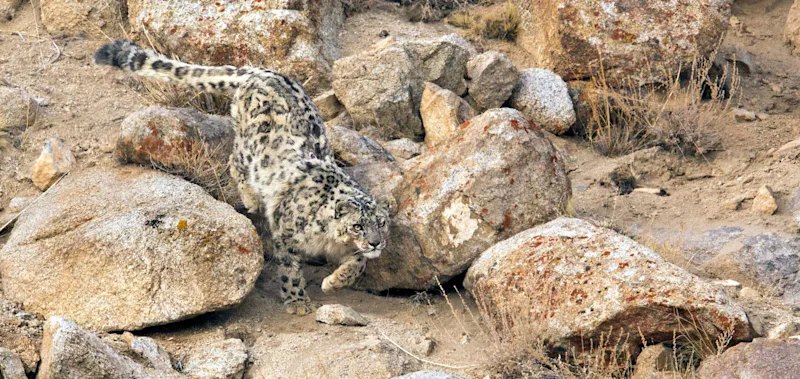
  • How to Get a Picture of a Wild Himalayan Snow Leopard

    Mar 15, 2026 · Laura Kiniry

    In the autumn of 1973, wilderness writer and naturalist Peter Matthiessen joined preeminent field biologist George Schaller high in Nepal’s Himalayan Mountains on a journey that would soon become legendary.
  • Stargazing at Uluru & Kata Tjuta: Aboriginal Astronomy in Australia’s Red Center

    Mar 9, 2026 · Rebecca Self

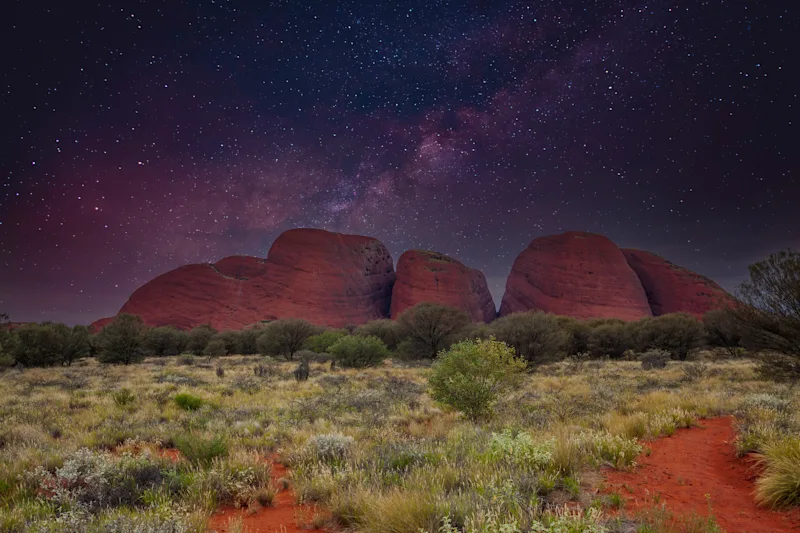
    Astronomy has been practiced in Australia for the last 65,000 years, guiding, governing and connecting Indigenous people across Australia’s vast interior. At Uluru-Kata Tjuta National Park, the night sky is a remarkable sight to behold (and capture in astrophotography!) and a source of guidance and wisdom passed down through generations.

  • Women in Conservation: 5 Primatologists You Should Know

    Mar 6, 2026 · Emily Goodheart

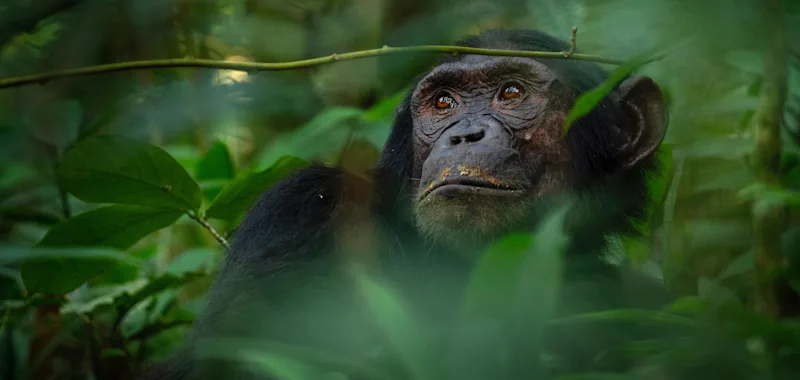
    Follow in the footsteps of five trailblazing women who transformed primatology and became powerful forces in the fight to protect great apes. Jane Goodall Dr. Jane Goodall’s long-term study of wild chimpanzees in Tanzania led her to worldwide acclaim.

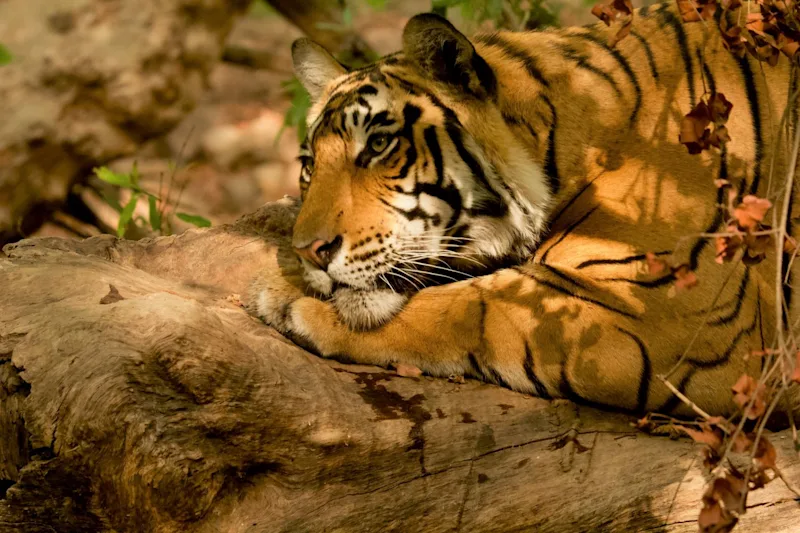
  • Why Do Tigers Have Stripes?

    Mar 4, 2026 · Cathy Brown

    Tigers are one of the easiest of the big cats to identify because of their dramatic striped coats.

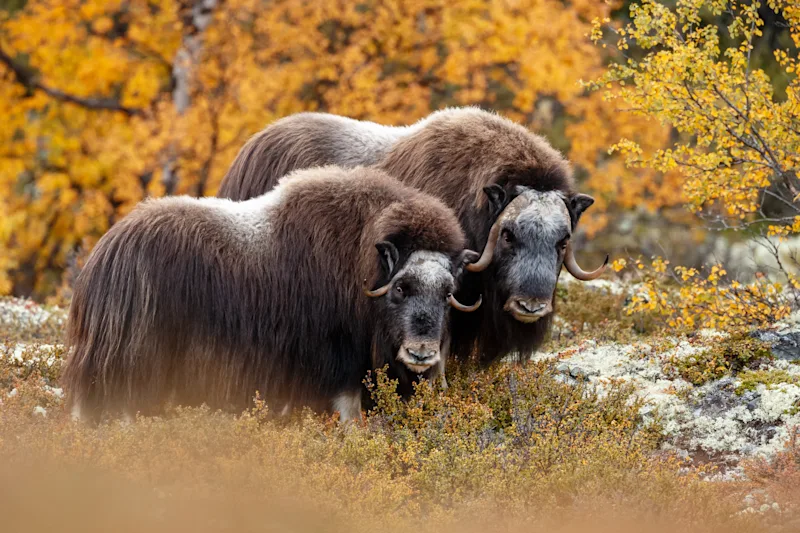
  • Nature’s Cold Weather Superstars: Yaks and Muskox

    Mar 4, 2026 · Joe Yogerst

    The guide beckons us to a ridgetop on Prince of Wales Island in northern Canada. As we reach the top, he motions for everyone to be absolutely quiet. Because just over the rise is a herd of two dozen muskox that are so far oblivious to our presence.

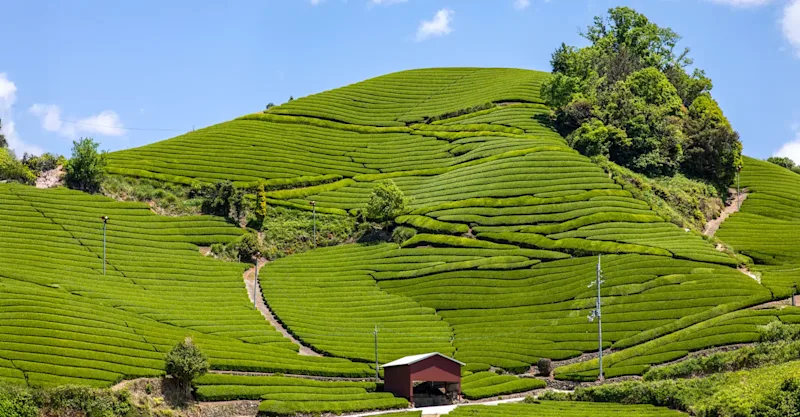
  • Inside Japan’s Washoku Culinary Tradition: Seasons, Harmony and Hospitality

    Mar 2, 2026 · Rebecca Self

    In 2013, UNESCO listed Washoku, the traditional food culture of Japan, on the Representative List of the Intangible Cultural Heritage of Humanity. The lists aim to protect and promote living traditions, such as performing arts, rituals and craftsmanship. For now, French and Mexican cuisines are the only other culinary cultures to have earned this honor.

  • Fire, Flood and Time: Reading the Landscape of the Australian Outback

    Feb 16, 2026 · Rebecca Self

    At first glance, central Australia’s Red Center might seem vast and empty, a canvas of rust-colored soil, sparse shrubs and endless sky. Learn to read the landscape, though, and you recognize you’re walking in a living archive that tells a story shaped by ancient fires, waterworks and tens of thousands of years of Indigenous care.

  • Fantastic Birds and Where to Find Them

    Feb 12, 2026 · Cathy Brown

    From the soaring Andean condor in Patagonia to the rainbow flash of a lilac-breasted roller on safari, birds are a highlight of Nat Hab trips across the globe. Their colors, songs and surprising behaviors draw us into the ecosystems they inhabit—and once you start noticing birds, you notice everything else more closely too.

  • Return of the Takhi: How Przewalski’s Horses Headed Home to Roam Mongolia

    Feb 10, 2026 · Rebecca Self

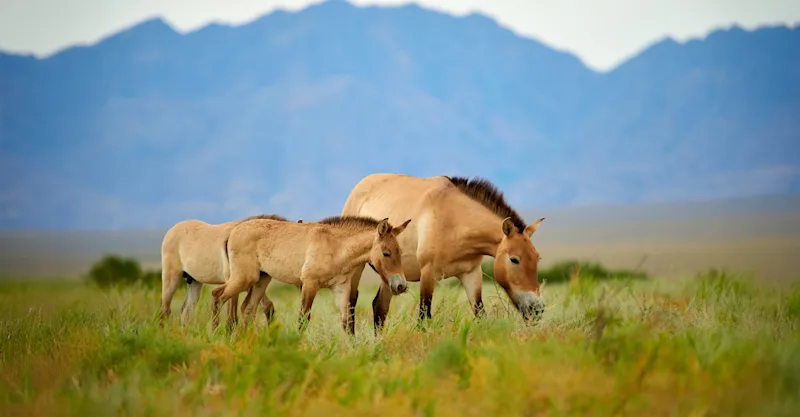
    Przewalski’s horses, once endemic to the grasslands of central Asia and known in Mongolia as takhi, have been on some wild rides lately: —One showed up on a ranch in Colorado, another in Utah. —One broke out of a trailer carrying him from a zoo in Prague to freedom in Kazakhstan.

  • Wildlife Abounds in Nepal’s Chitwan National Park

    Jan 1, 2026 · Emily Goodheart

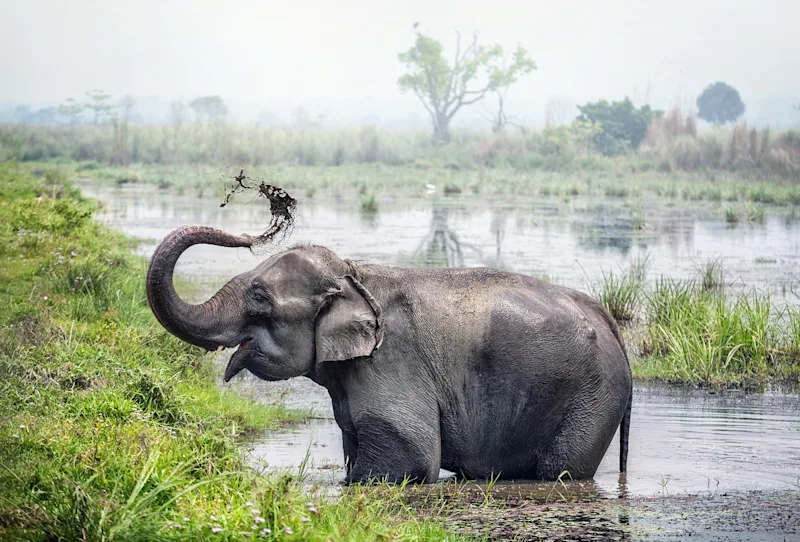
    Chitwan National Park, a UNESCO World Heritage Site, is a vast nature reserve in the southern lowlands of Nepal. Chitwan is Nepal’s first national park, established in 1973, and spans 360 square miles. This ecoregion has a tropical monsoon climate where wildlife abounds from the fertile Inner Terai valleys to the lush Churia Hills.