






2027 Itinerary—10 Days
Itinerary
Day 1: Arrive in Antananarivo for your island expedition
Settle into your hotel in Madagascar’s hillside capital
Join your Expedition Leader for a welcome dinner and preview of the journey ahead
Our adventure begins in Antananarivo, the capital of Madagascar. Known locally as "Tana," Madagascar's largest city is home to roughly 3 million people, while the balance of the island nation’s population lives mostly in rural areas. A transfer is included from the airport to our hotel on the outskirts of the city. An optional day tour of the capital is available for those who arrive early. This evening, meet your Expedition Leader and traveling companions at a welcome dinner.

Days 2 to 4: Explore the limestone labyrinth of remote Namoroka
Fly by private charter to one of Madagascar’s least-visited national parks
Hike among the limestone pinnacles and caves of Grand Tsingy
Search for sifakas, fossas, aye-ayes and other endemic wildlife
Depart by private chartered aircraft for Tsingy de Namoroka National Park in northwest Madagascar, an extraordinary, unspoiled landscape that is one of the least visited of all national parks in the country. Our base for exploration is Namoroka Tsingy Camp, newly opened in 2024 and reminiscent of a luxury African safari camp with spacious, well-appointed safari tents. The camp sits on the edge of the dramatic Tsingy de Namoroka, a distinctive karst limestone formation characterized by razor-sharp edges, vertical spires and deep crevices. Lush forests and unique flora grow in pockets of fertile soil that punctuate the rock landscape. Six different ecosystems comprise the area: in addition to tsingy, there are caves, dry deciduous forest, bamboo forest, riverine forest and wetlands with freshwater springs.
The area abounds with wildlife, including 10 lemur species. Among them are the Von der Decken’s sifaka—endemic to the arid forests of western Madagascar—and the elusive aye-aye, the world’s largest nocturnal primate. These odd-looking creatures have rodent-like teeth and a long, thin middle finger used to catch grubs and larvae out of tree trunks. The park is also home to 21 bat species, more than 100 bird species, numerous reptiles including the Namoroka leafy chameleon, a master of camouflage, and the mysterious fossa, Madagascar’s largest carnivore. Resembling a mix of cat, mongoose and weasel, the muscular fossa is an agile climber and hunter, and the top predator of lemurs. On varied outings, view the tsingy from multiple vantage points and venture into the caves of Grand Tsingy, where ancient fossils and traces of early human life exist.
As the sun sets, a whole new world comes to life as the forest awakens with nocturnal wonders. Watch as lemurs, tenrecs, geckos and bats emerge, scouring the wilderness to satisfy their appetites. Namoroka is also the sanctuary of endangered and endemic flying foxes, which are actually Madagascar’s largest species of fruit bat. They are crucial seed dispersers, feeding on fruits, flowers, and leaves. We also visit a local village to experience the vibrant culture and traditions of the Sakalava people, the indigenous inhabitants of the Namoroka region.

Day 5: Discover Malagasy flavors in a private cooking class
Fly by private charter back to Antananarivo
Prepare local dishes with a Malagasy chef
Learn how African, Asian, Indian and European influences shape the island’s cuisine
Depart Namaroka National Park to fly back to the capital of Tana this morning via our private chartered flight. Explore the city further this afternoon and enjoy a Malagasy cooking class, a chance to learn how to capture the unique melange of flavors that makes dining in Madagascar so enticing. Malagasy cooking is a fusion cuisine, blending Southeast Asian, African, Indian and European influences, centered around rice served with flavorful stews based on meat and greens or seafood, seasoned with garlic, ginger and chili. An abundance of fresh fruit and produce for tangy salads complement typical Malagasy meals. Spend the night in Tana before heading off in the morning to Masoala National Park.
Day 6: Cross Antongil Bay to a secluded rainforest lodge
Fly by private charter to Maroantsetra, then continue by private boat to the Masoala Peninsula
Enter Madagascar’s largest protected rainforest, part of a UNESCO World Heritage Site
Stay at a secluded eco-lodge accessible only by boat or on foot
From Antananarivo, fly by chartered plane to the small coastal trading town of Maroantsetra in the far northeast corner of the country. Here, we board a private boat across Antongil Bay to the Masoala Peninsula, covered in primary rainforest and protected within Masoala National Park, the largest of Madagascar’s conservation reserves. Containing extraordinary biodiversity, the park is part of the Rainforests of the Atsinanana World Heritage Site, which holds 50% of Madagascar’s species and 1% of the entire planet’s life forms. It contains the last remaining extensive coastal lowland rainforest in Madagascar, as well as interior mountain rainforest, flooded forest, marsh, mangroves and coral reefs.
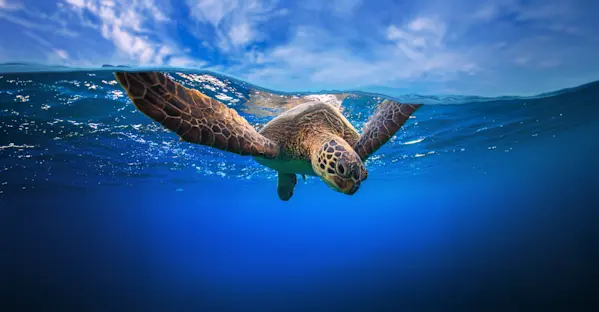
Our base for four nights is Masoala Forest Lodge, a blissfully secluded eco-retreat accessible only by sea or on foot. On the edge of a sheltered cove surrounded by Masoala National Park and fronting a pristine beach that stretches for miles, the lodge is one with its environs. it faces the warm, coral-rich waters of the Tampolo Marine Reserve, home to colorful reef fish, endangered green, hawksbill and loggerhead sea turtles, bottlenose dolphins, and from July through September, hundreds of humpback whales that visit Antongil Bay during their long migration. Behind the lodge, a dense, untouched rainforest teems with life. This afternoon, we make our first foray along the beach and into the forest, commencing our quest to spot a wide variety of Madagascar’s intriguing wildlife. Eventually it’s time for cocktails around the bonfire, as the sky is transformed into shades of orange and rose by one of Madagascar’s famous sunsets.

Days 7 to 9: Search for endemic wildlife from rainforest to reef
Look for red-ruffed lemurs, helmet vangas, leaf-tailed geckos and other endemic species
Snorkel, kayak or travel by pirogue through the Tampolo Marine Reserve
Visit Ambodiforaha village and learn about local culture, conservation and reforestation
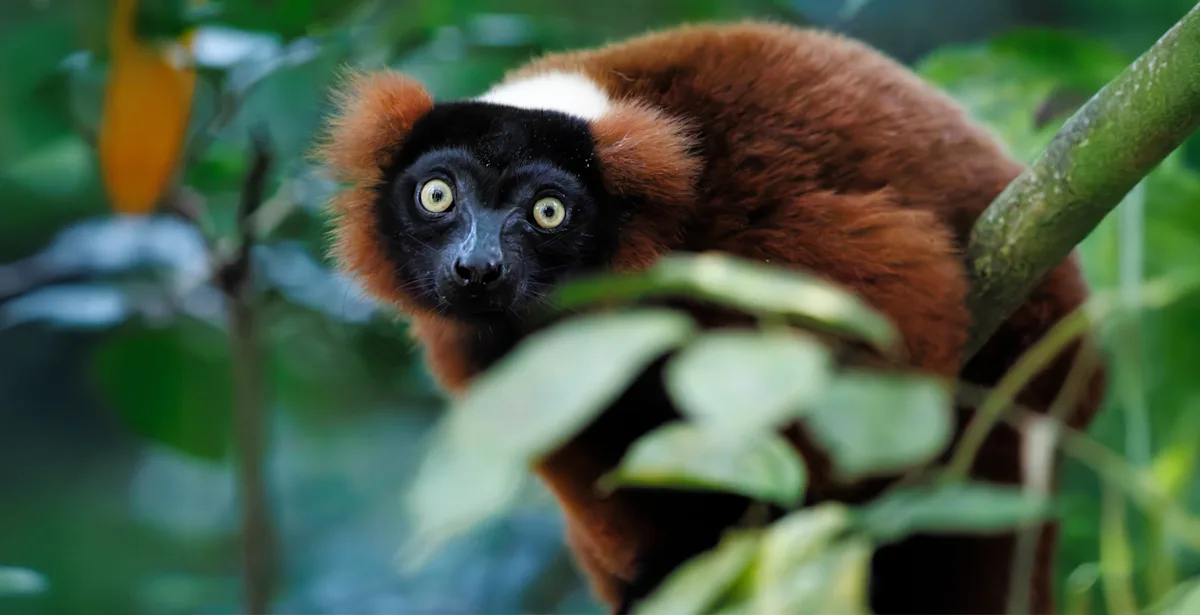
The next three days offer an immersion in the magic of coastal Madagascar. With our Expedition Leader and local Malagasy guides, head into this richly layered ecosystem in search of wondrous wildlife. Coveted bird sightings include helmet vanga, blue coua, nelicourvi weaver and various kingfishers. Lemurs are a highlight and our odds are good to spy red-ruffed lemurs, endemic to the Masoala Peninsula. We are also likely to spot northern bamboo lemurs and white-fronted brown lemurs—some of the nearly 100 lemur species found in Madagascar and nowhere else, as these primitive primates evolved in isolation on the island over the last 50 million years. Our guides also help us look for the greater hedgehog tenrec, brown-tailed mongoose, leaf-tailed geckos, Madagascar serpent eagle and dozens of butterfly species. After dark, forest walks reveal animals that become active at night, including sportive, woolly and mouse lemurs. With exceptional luck, we might glimpse a highly elusive aye-aye, surrounded by a chorus of night sounds created by frogs, insects and nocturnal birds.
In the forest, waterfalls pour off verdant cliffs into crystalline streams. The sea beckons, too, inviting us to snorkel in the clear aquamarine waters of the Tampolo Marine Reserve. Or kayak among the islands, basalt formations, reefs and rocky coves fringed with palms as we watch community fishing boats pursue their sustainable daily catch. During our stay, we’ll walk along the coast to the mouth of the Tampolo River where we board a pirogue—a traditional dugout canoe—to glide up the glassy waterway in search of more intriguing wildlife.
On a visit to the village of Ambodiforaha, meet the people, learn about their culture, and enjoy a song and dance performance. Crafts created by local artisans are available for sale at a small market at our lodge, along with vanilla, cloves and other spices that are hallmarks of Madagascar. We may also visit a reforestation project for a close-up look at how native habitat is being successfully restored to provide a home for returning wildlife. A highlight of our stay is a traditional Malagasy dinner, plus tastings of local rums infused with native fruits and spices.
Day 10: Fly to Antananarivo for homeward flights
Travel by private charter from the Masoala Peninsula
Connect with departing flights or continue on a safari extension
After breakfast this morning, fly back to the capital city of Antananarivo by private chartered aircraft, then transfer to the international airport to meet departing flights. We head home with a rich cache of memories, inspired by the wonders of this unique country, from its fascinating wildlife to the bright spirit of its resilient, hospitable people who are integral to the mission of conservation travel.