

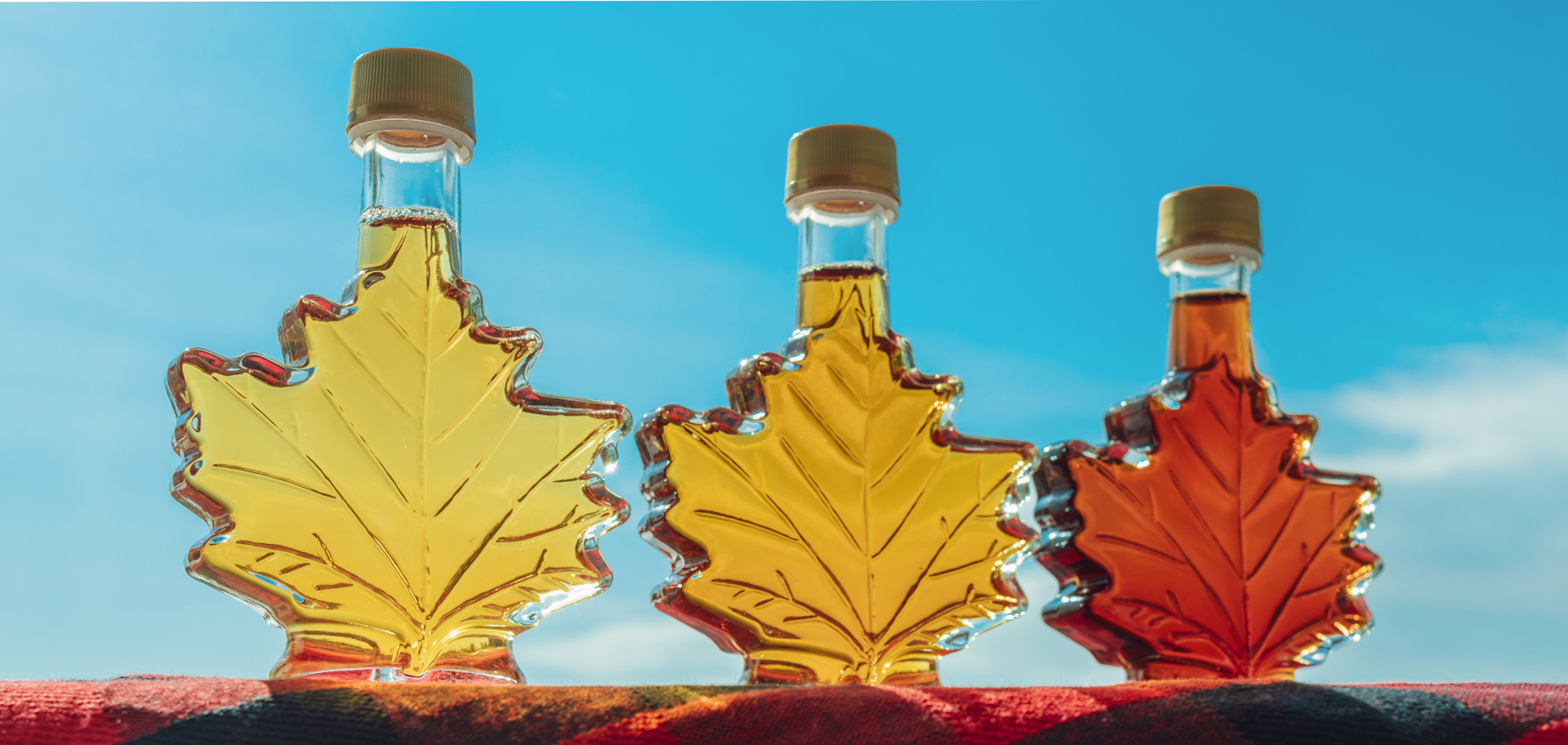
Foods synonymous with a nation’s identity make meaningful presents for travel-loving family members and friends. For example, Indigenous peoples taught early Canadian settlers how to harvest sap from sugar maples, weaving maple syrup deeply into the country’s fabric and national symbolism.
Foods speak of place. They reflect a region’s culture, geography and history through their ingredients, preparations and traditions. When traveling, you can take in much of the essential nature of a new place by eating its local, favorite foods. So, when gift-giving time rolls around, it’s fun to give foods from your region to those in another, or to give a sampling of treats from locations that you’ve visited. For example, I live in Oregon, so I like to give my family and friends food-related gifts that reflect my home, such as bing cherries, hazelnuts, huckleberries, marionberries, mushrooms or pears.
It turns out that sharing flavors that speak of place (also known as terroir) is not new. Ancient Iranians hosted epic feasts with wild boars that had been hunted and transported from distant regions. These animals weren’t just dinner—they were symbolic gifts. In fact, recent tooth enamel analyses revealed that the animals came from different areas, suggesting early communities valued geography in gift-giving. The events occurred even before agriculture began, hinting at deeply rooted cultural traditions.
And as we do today during the holidays, gathering at places that are meaningful to us isn’t new, either. History shows that hunter-gatherers at what is now Poverty Point in Louisiana may have built its massive earthworks not under the command of chiefs, but as part of vast, temporary gatherings of egalitarian communities seeking spiritual harmony in a volatile world. New radiocarbon data and reexamined artifacts suggest far-flung travelers met to exchange goods, worship and participate in rituals designed to appease the forces of nature.
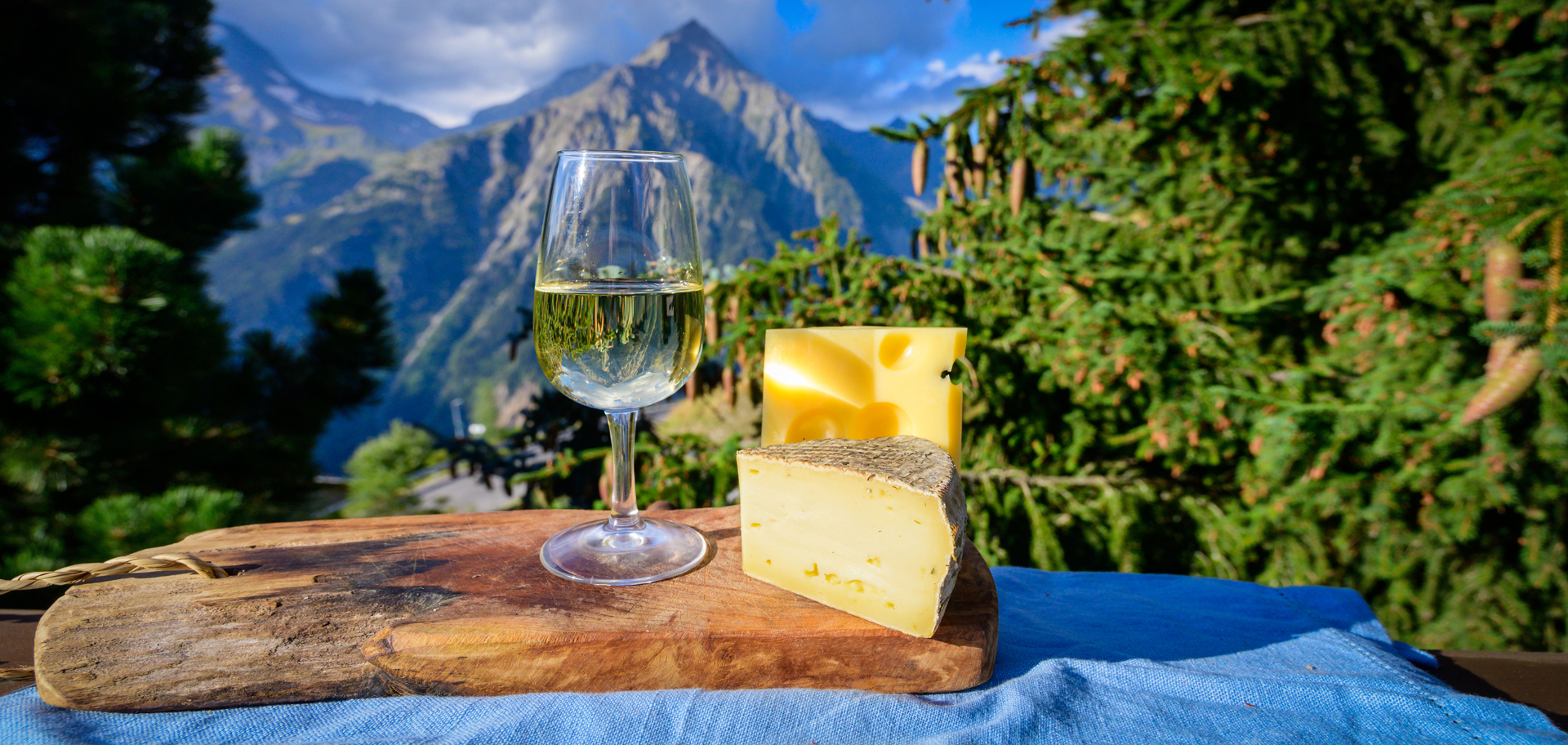
Local foods often reflect their home grounds. The concept of “terroir,” where local climate, geography and soil influence the unique characteristics of food products, is central to why certain French cheeses and wines from the same region pair so harmoniously.
Why hunters 11,000 years ago hauled wild boars across mountains
Food and long-standing culinary traditions form an integral component of cultures across the globe. That’s why festivals, holidays and other socially significant events commonly involve food. For instance, you probably cannot imagine Christmas without the roast turkey or ham nor Passover without the matzo ball soup. And while ornaments, sweaters and socks serve as fun holiday gifts, foods synonymous with a nation’s or region’s identity can make for extra special presents for travel-loving family members and friends. Canadian maple syrup, Dutch stroopwafels and French cheese come to mind. This practice of offering gifts that have geographical symbolism can be traced back to prehistory.
Now, an international team of researchers, including scientists from The Australian National University (ANU), Denmark, Germany and Iran, have discovered that communities that lived in western Iran about 11,000 years ago during the Early Neolithic period took a similar approach with their gift-giving. Exceptional efforts were undertaken to bring wild boars hunted in dispersed parts of the landscape as gifts to be eaten at a communal celebration that took place at what is now the archaeological site of Asiab in the Zagros Mountains.
The ANU scientists and their colleagues unearthed the skulls of 19 wild boars that were neatly packed and sealed inside a pit within a round building at the Asiab site. Butchery marks on the animals’ skulls suggest that they were used for feasting, but until recently scientists were unsure where these boars came from. By examining the tooth enamel of five of these wild boars and analyzing microscopic growth patterns and chemical signatures inside the enamel, the researchers were able to find telltale signs that at least some of the boars used for the feast were not from the area where the gathering took place.
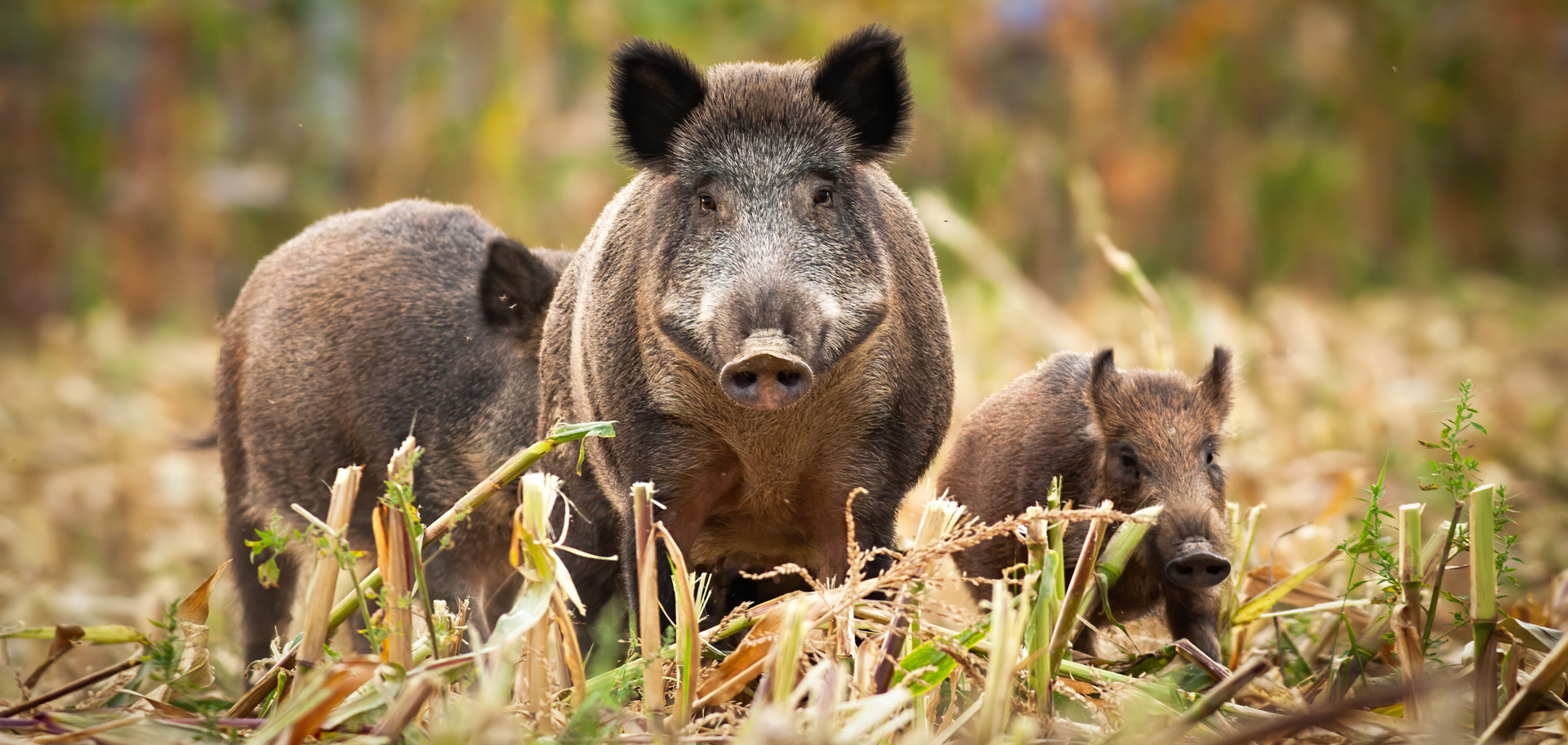
Wild boars, also known as feral hogs or wild pigs, are omnivorous mammals native to Eurasia and North Africa that have been introduced to many other parts of the world. They are known for their strength and ability to adapt to various habitats, including forests, grasslands and wetlands.
Just like trees and their annual growth rings, teeth deposit visible layers of dentin and enamel during growth that can be counted under the microscope. Bedrock and rainfall have distinct isotopic values in different geographical locations. These isotopic values get incorporated into animal tissues through drinking water and food. Thus, measuring the isotopic values of tooth enamel allowed the scientists to assess whether all the animals came from the same part of the region or whether they originated from more dispersed locations. Because the values measured across the teeth of the five wild boars showed a high amount of variability, it’s unlikely that all the animals were from the same location. It’s even possible that some of them came from approximately 43 miles away from the site where the feast took place.
The researchers stated that it’s surprising that these hunters went through such effort to kill boars from their local region and transport them over difficult, mountainous terrain during a journey that likely would have taken several days; especially considering boars were not the most hunted animals during the Early Neolithic period. At this time, communities living in the Zagros Mountains had very diverse hunting strategies and pursued lots of different animal species.
What’s so special about the feast at Asiab is not only its early date and that it brought people together from across the wider region, but also that people who participated in this feast invested substantial amounts of labor to ensure that their contributions involved an element of geographic symbolism. Boars are especially aggressive, so presenting them at a feast carries with it a certain element of significance; and bringing them from distant locations over challenging terrain undoubtedly helped elevate the importance of the social event that happened at Asiab.
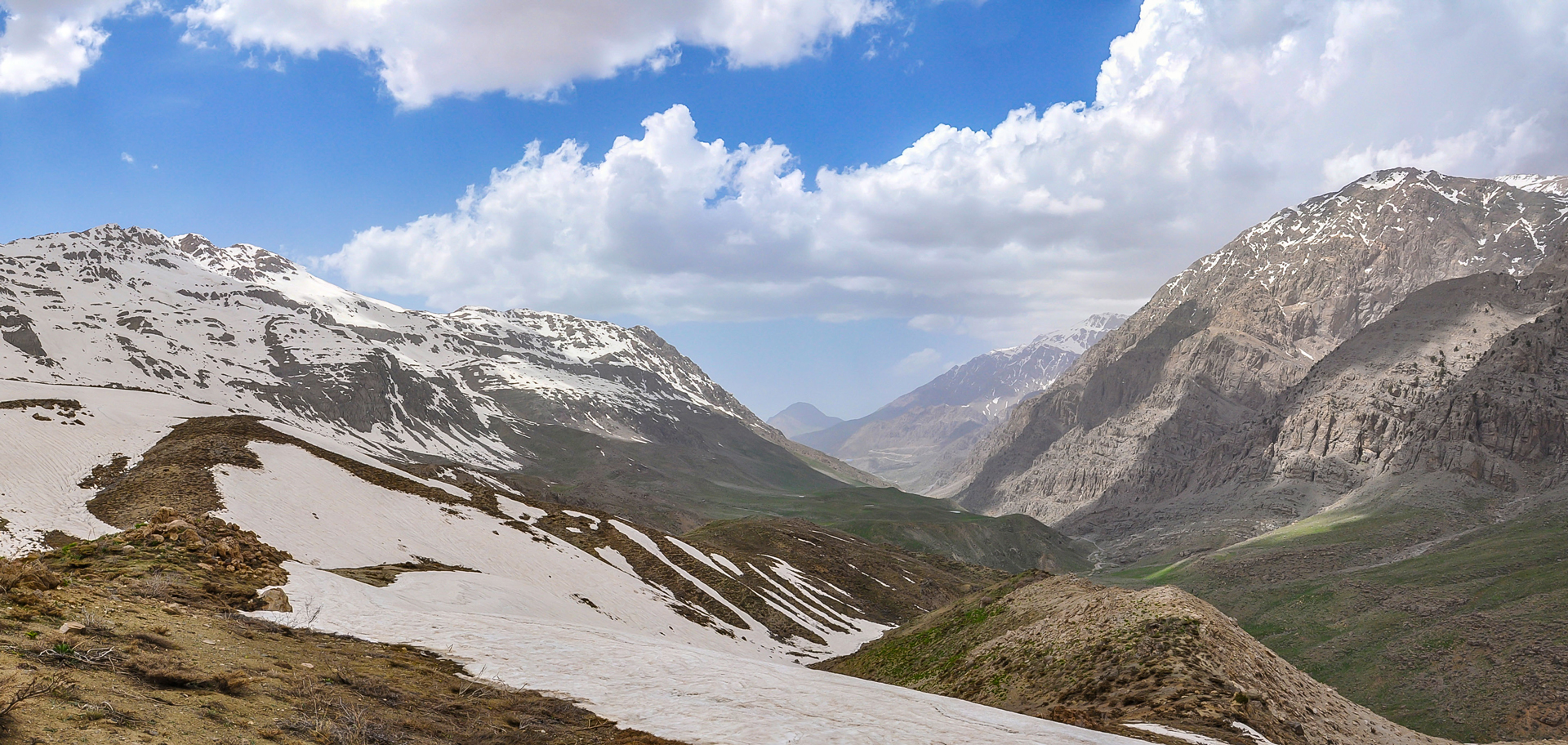
The Zagros Mountains in Central Asia extend in a northwest to southeast direction across the Iranian Plateau for 932 miles between eastern Turkey and northern Iraq, ending at the Strait of Hormuz in southern Iran. Mount Dena, with a 14,465-foot peak, is the highest in the mountain range.
This study, published in the journal Nature Communications Earth and Environment in July 2025, marks the first time that geochemical analysis of animal teeth has been used to answer questions about animal–human interactions. The Asiab social event was clearly a very momentous one, and it provides us with a glimpse of how old the tradition of bringing geographically meaningful gifts to social events really is.
Why ancient people built massive mounds in Louisiana
About 3,500 years ago, hunter-gatherer communities began shaping enormous earthen mounds along the Mississippi River at Poverty Point, a UNESCO World Heritage site in northeast Louisiana. Conservatively speaking, say scientists, they moved 140,000 dump truck loads of dirt, all without horses or wheels. It was incredibly hard work. The big question is why.
For many years, scholars believed that constructing Poverty Point required a strictly organized, hierarchical society working across generations. Because the younger Cahokia Mounds project (in what is now Illinois) was created under a chiefdom, researchers assumed the same structure existed at Poverty Point. Yet, the simplest explanation is not always the correct one.
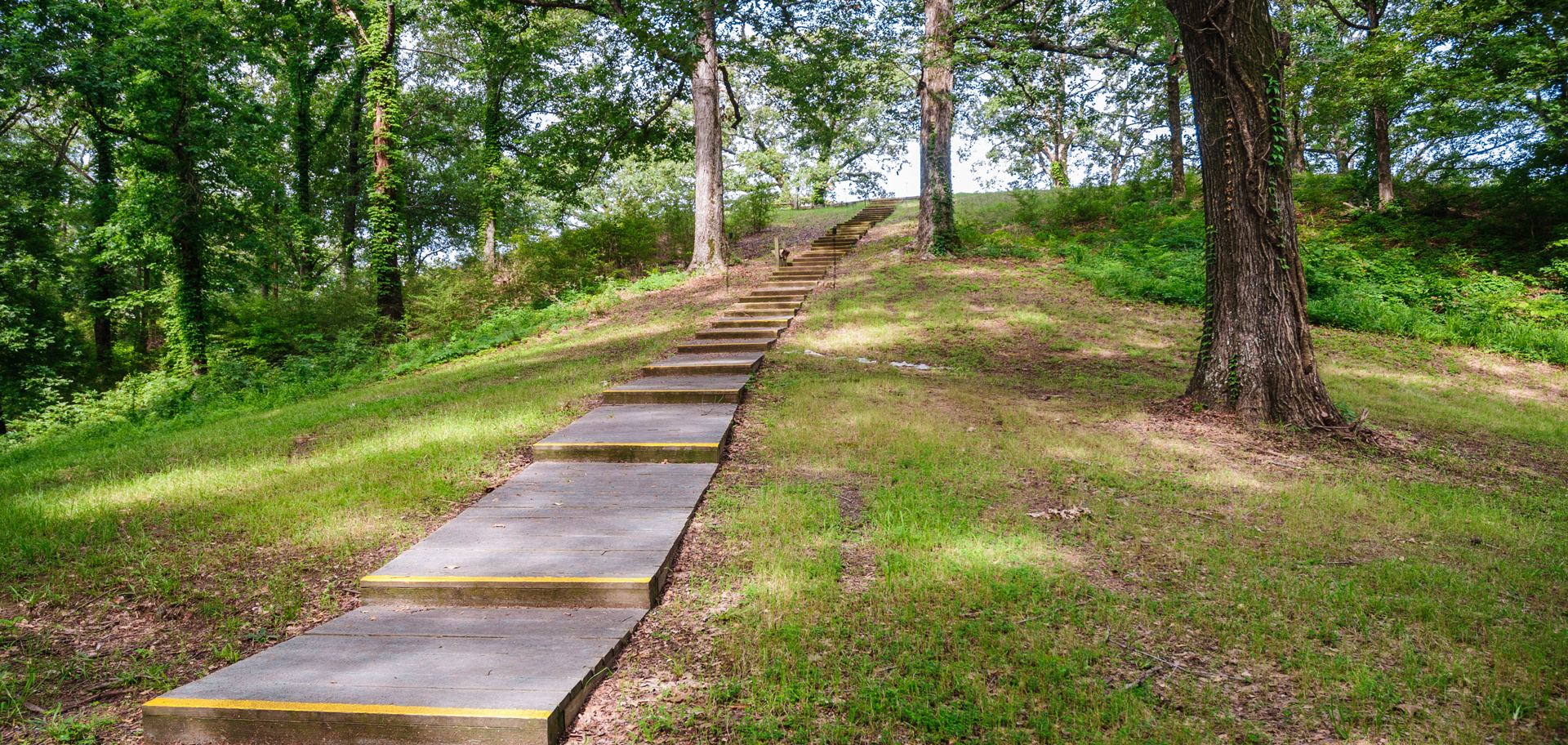
The Poverty Point UNESCO World Heritage site in Louisiana features prehistoric earthworks constructed by Indigenous people from the Poverty Point culture. Its massive mounds remain easily visible today. Boardwalk stairs help in climbing the location’s largest mound.
In an article published in the journal Southeastern Archaeology in September 2025, researchers at Washington University in St. Louis (WashU) proposed a different view of Poverty Point. They suggest it was not a permanent settlement run by leaders commanding laborers, but instead a large meeting place where people from across the Southeast and Midwest gathered periodically to celebrate, collaborate, participate in shared rituals and to trade. By reopening test pits first excavated in the 1970s and applying modern radiocarbon dating and advanced microscopy techniques to reevaluate the archaeological evidence, the WashU scientists uncovered details that earlier researchers could not access. Their recent work is leading them toward ideas that differ from long-held interpretations of how these early communities functioned.
Archaeologists have never found burials or evidence of long-term houses at Poverty Point—things you would expect to see if this were a permanent village. But they have recovered thousands of clay-fired cooking balls and materials brought from faraway regions, such as quartz crystal from Arkansas, soapstone from the Atlanta area and copper ornaments originating near the Great Lakes. These people, say the scientists, were trading and traveling over long distances. Based on the available evidence, this was a community united by common purpose, and these people were egalitarian hunter-gatherers, not subjects of some powerful chiefdom.
The earthworks themselves do not appear to honor elites, either. The WashU researchers believe that the mounds represent a cooperative effort carried out over several years as people sought to influence a world filled with uncertainty. When the earthworks were being constructed, the Southeast was prone to severe weather and massive floods. It’s likely the inhabitants of Poverty Point built the mounds, performed rituals and left behind valuable objects as sacrifices and spiritual offerings.
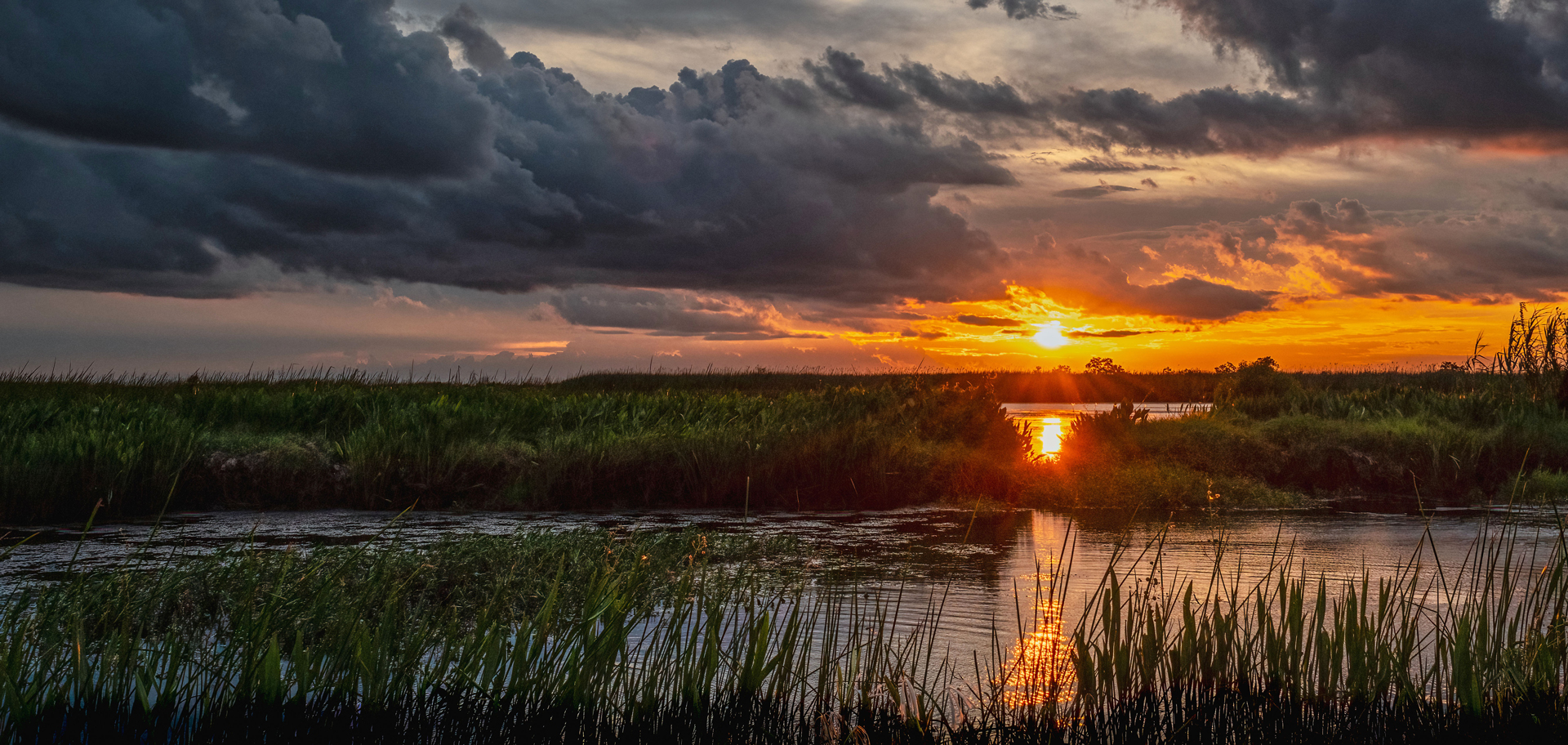
Due to its coastal location, subtropical climate and unique geography, Louisiana is prone to severe weather and massive floods.
Although spiritual intentions do not leave physical traces like pottery or tools, there are compelling reasons to think that the site held a deep religious meaning. Conversations with people of Native American ancestry, such as members of the Lumbee Tribe of North Carolina, have reinforced the idea that the people who gathered at Poverty Point were guided by sacred motivations that do not align with modern expectations of material gain.
The authors of the article write that not only is it inspiring to think about the effort that the people of Poverty Point went through to build the earthworks, they encourage us to leave ourselves open to different kinds of thinking. The Western view is that they wouldn’t travel all that distance and do all that work unless they were getting something of economic value out of it. But it could be that the the real reason for their works was that they felt a moral responsibility to repair a torn universe.
Why gifts help us seek harmony in a volatile world
Repairing a torn universe seems to me like a good thought for the end-of-the-year holidays. Gift-giving and gathering are just two of the ways we can begin to heal, because both trigger dopamine, endorphins and oxytocin, the feel-good chemicals in the brain that reduce anxiety and stress while boosting mood. Gathering allows for social support, creates opportunities for meaningful connections and reduces feelings of isolation; while gift-giving shifts focus away from our own worries and gives us a sense of fulfillment.
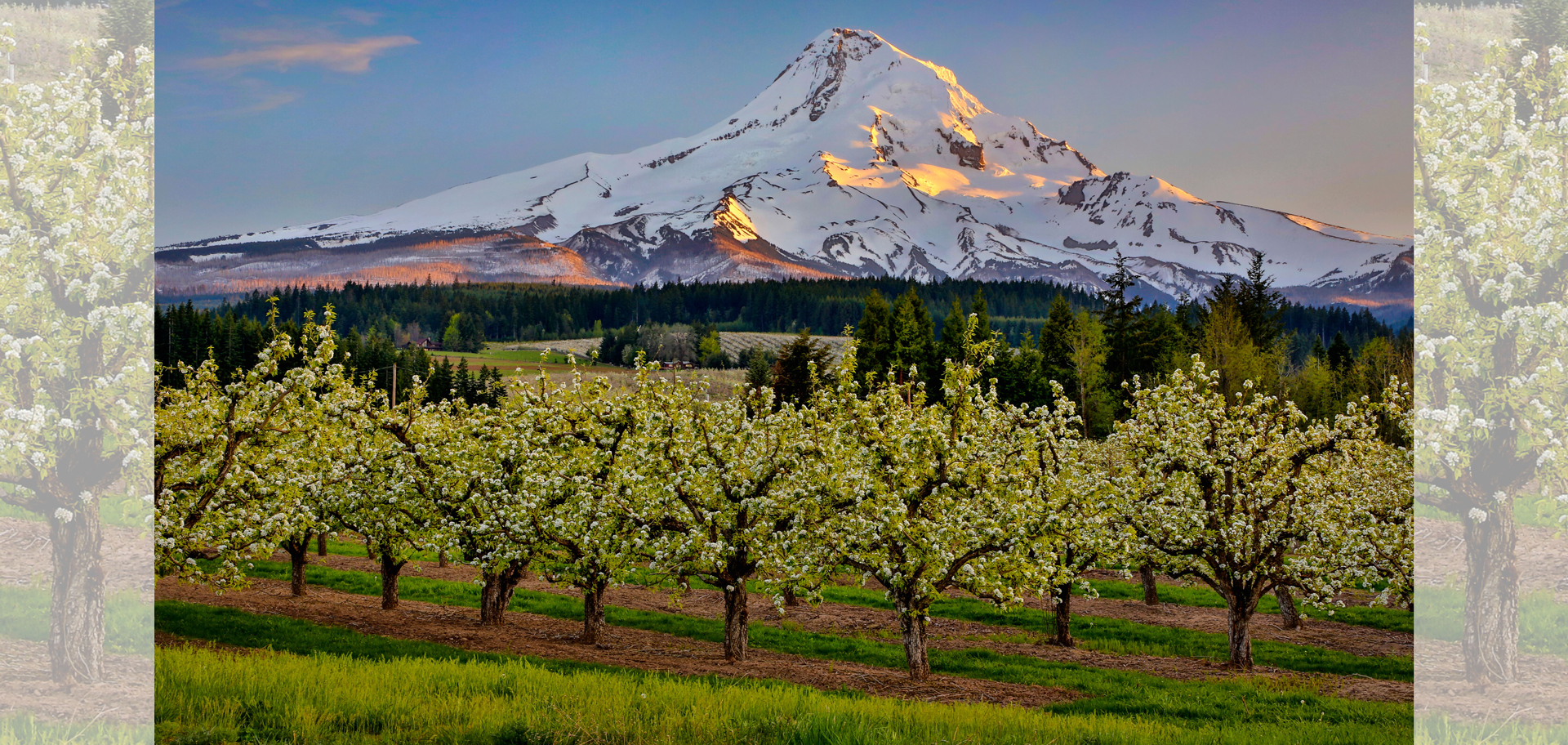
I greatly enjoy gift-giving and gift-receiving that are tied to or speak of place. Presents, such as pears from Oregon, remind us of the vast array of human experiences across the planet—and the nature of the places we depend on and are tied to.
I, for one, greatly enjoy gift-giving and gift-receiving that are tied to or speak of place. Such presents remind us of the vast array of human experiences across this amazing world we live in—and the nature of the places we depend on and are tied to.
Here’s to finding your true places and natural habitats,
Candy